
abundant life christian school – Google Search https://t.co/QB1X0GNGQn https://t.co/nkBsa15RjW
— Michael Novakhov (@mikenov) December 16, 2024
Day: December 16, 2024
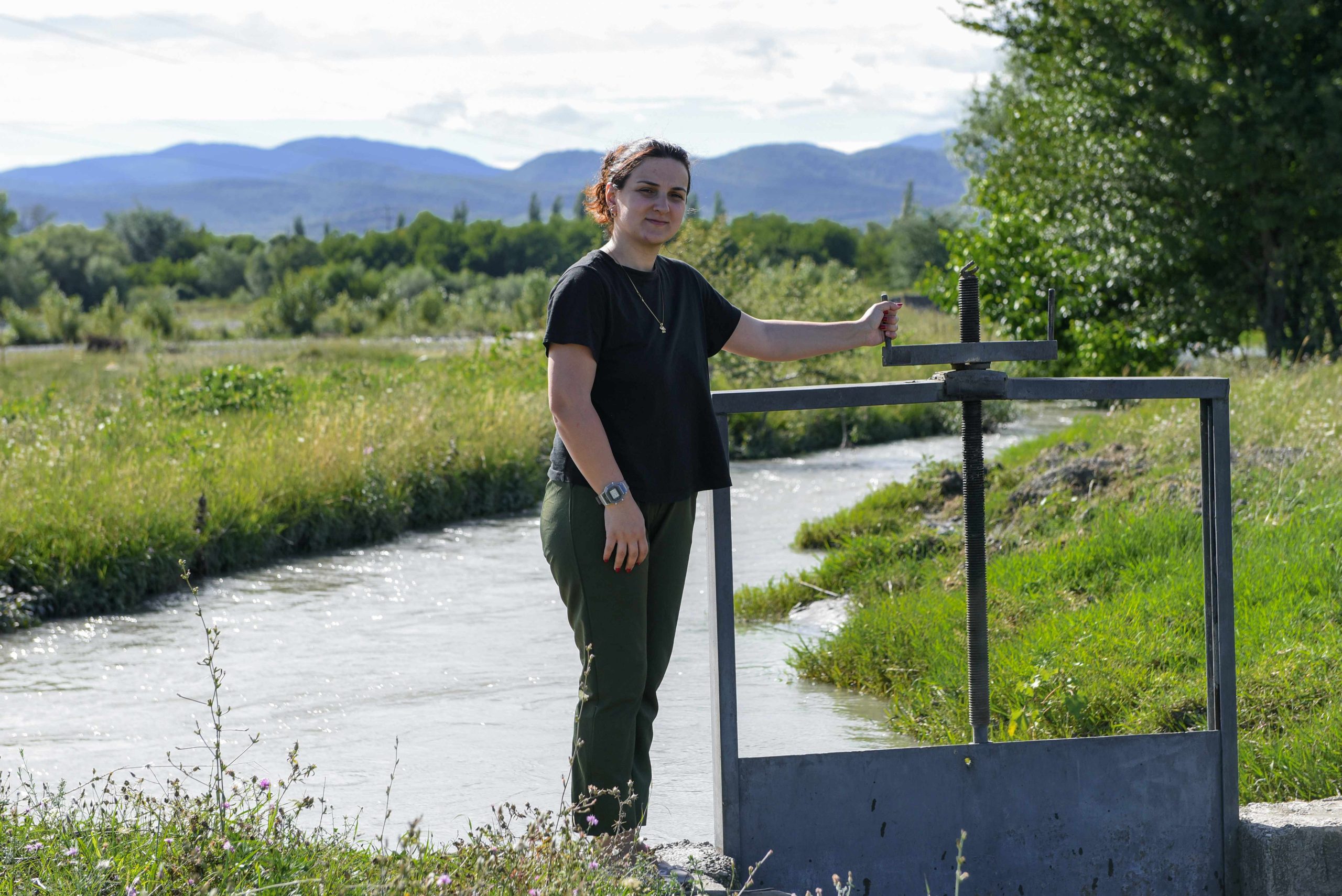
In the small village of Zemo-Alvani in eastern Georgia, two young women with no relevant experience or specialized knowledge managed to solve the problem of drinking and irrigation water with the support of the European Union.
Here’s how they did it.
- EU-backed environmental education centre opens in Georgian village school
- Eco-activism in Georgia: Youth against river pollution
“Dehydrated” Village
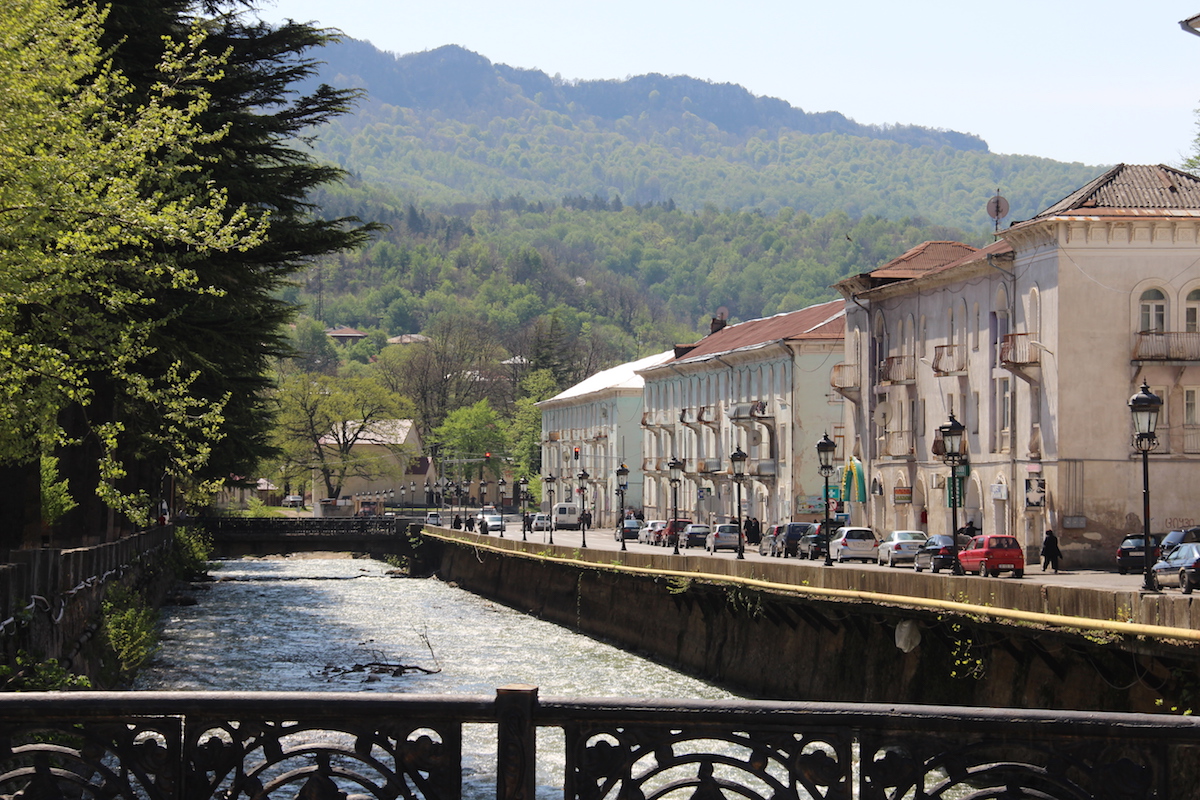
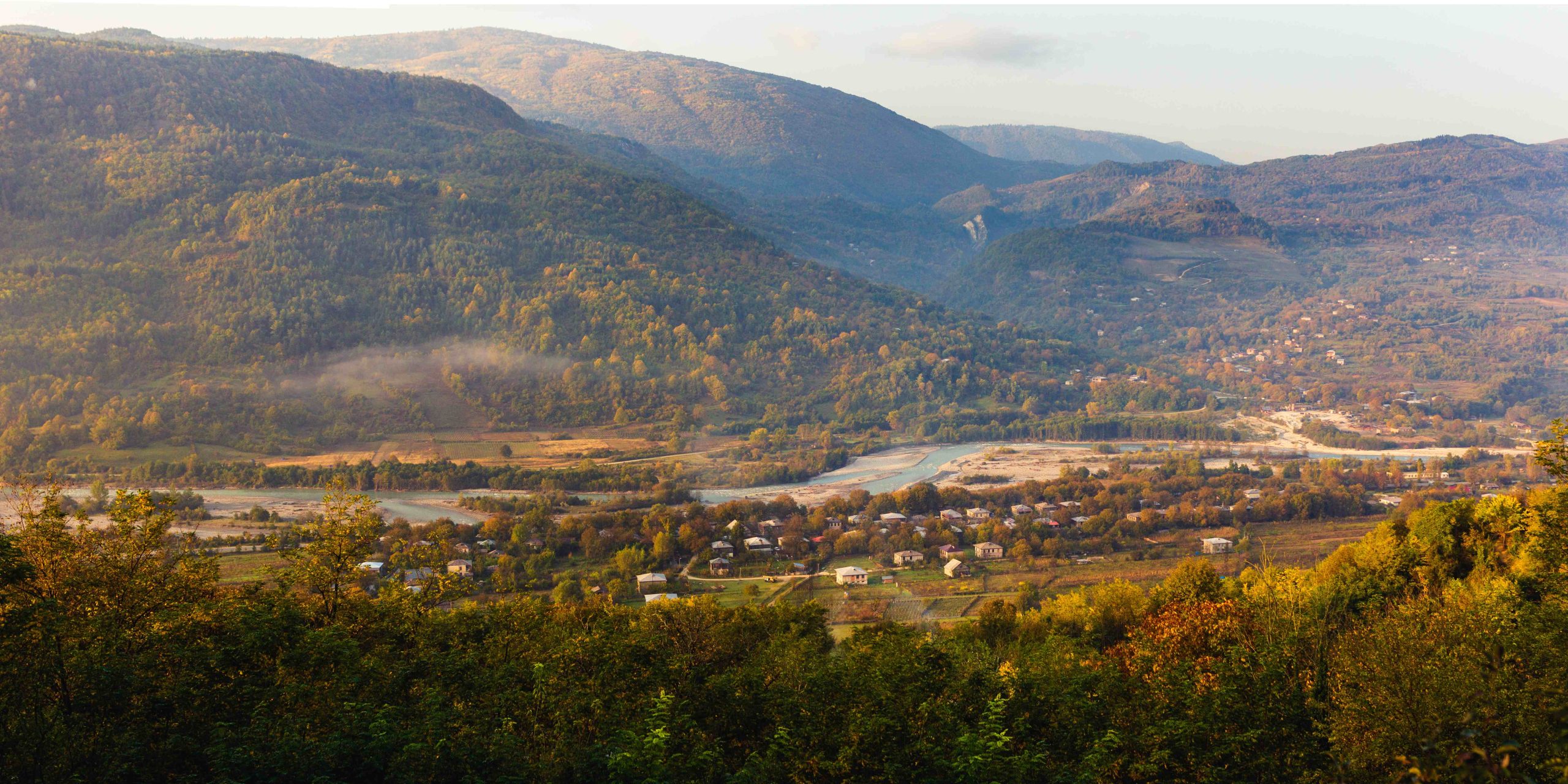
About 3,000 people live in the village of Zemo-Alvani in the Akhmeta municipality of eastern Georgia.
For over three decades, the village has faced issues with drinking and irrigation water. Locals recall that during the summer, the situation became unbearable—some parts of the village received no water at all, while others had it on a schedule, just a few hours a day.
This was due to several factors. Firstly, the village’s irrigation water supply system was broken. People were also using drinking water to irrigate their vegetables.
A Way Out
In 2023, the Caucasus Environmental NGO Network (CENN) announced a grant competition under the “Georgia Climate Program.”
The four-year “Georgia Climate Program” is being implemented with financial support from the European Union by CENN in cooperation with the Kakheti Regional Development Fund (KRDF), the Chiatura Union (ACU), the Racha-Lechkhumi and Kvemo Svaneti Agricultural Tourism Development Association (RLS-ADA), and the Union of Young Teachers (YPU).
The project, covering four regions of Georgia—Guria, Imereti, Kakheti, and Racha-Lechkhumi and Kvemo Svaneti—is aimed at strengthening civil society and promoting human rights and fundamental freedoms, with a focus on the right to access water and a healthy environment.
Tamar Jamarashvili, who at the time was a member of the local public organization “Public Council of Tusheti,” recalls that as soon as they learned about the competition, they immediately applied to address the issue of drinking and irrigation water in the village.
Action Plan
One of the project’s authors, Nana Charkhoshvili, lives in the village of Alvani on a street where water has barely reached for many years.
Before starting to write the project, Nana thoroughly studied the problem and discovered that safety measures were not being followed at two main drinking water facilities.
“These sites were dark and deserted, with no lighting or security. Anyone could come there and do whatever they wanted. So, the first thing we did was install lighting and set up camera traps to monitor movement,” the young woman explains.
As for irrigation water, the project’s authors investigated the bed of the Alazani River and found that people were taking water from it for irrigation in an unsystematic and unauthorized manner.
As part of the project, following recommendations from specialists, ten reinforced concrete structures were installed on the river to strengthen the water flow and direct it toward the village. New water level control valves were also installed to replace the damaged ones.
Once irrigation water became available to the villagers, drinking water was evenly distributed across all the streets of the village.
“Previously, water was supplied only in the morning, but now it comes in equal amounts both in the morning and in the evening. Of course, this hasn’t fully solved the problem, but it has at least somewhat eased the situation for the locals,” the project’s authors explain.
Public Awareness Campaign
In addition to repairing the water supply system, Tamar and Nana’s project also included raising awareness among the villagers. They conducted training sessions on water resource usage.
According to Tamar, this part of the project was very important for them, as the local community had not seriously discussed the “water problem” until then:
“The population only knew that they could in theory call the hotline and report that people had no water, and the water company was supposed to address the issue. Now, this information has taken on a practical meaning for them.”
Additionally, the project’s authors submitted a petition to the local municipality on behalf of the population, demanding that the management of the water supply systems be transferred to the appropriate companies, which would take responsibility for them:
“The current water supply system was created a long time ago, during the Soviet era. These are asbestos pipes, which are dangerous to health and have been damaged in many places, leading to water loss. We met with the mayor several times, and he said that work had begun, but in reality, nothing was happening. Therefore, the population requested that the water supply system be repaired.”
Another issue raised by Tamar and Nana was water purification. They informed the locals that they had the right to receive safe, clean water that met standards.
Project Results
Thanks to this CENN project, Tamar Jamarashvili and Nana Charkhoshvili were able to ensure a minimum safety standard and alleviate the difficult situation in the village regarding drinking and irrigation water. Laughing as they discuss it, the women add that they still can’t believe they managed to solve such a serious problem without any relevant knowledge or experience.
The article was written as part of the “Georgia Climate Action Project,” funded by the European Union and implemented by CENN in collaboration with the Kakheti Regional Development Foundation (KRDF), the Chiatura Union (ACU), the Racha-Lechkhumi and Lower Svaneti Agrotourism Development Association (RLS-ADA), and the Youth Pedagogues Union (YPU). The project’s aim is to strengthen civil society and promote human rights and fundamental freedoms in four target regions of Georgia—Guria, Imereti, Kakheti, and Racha-Lechkhumi and Lower Svaneti—with a focus on the right to access water and a healthy environment.
Georgia Climate Program
Anthony Blinken: “She returned knowing that she might be arrested on arrival.”
The U.S. Department of State awarded Sevinj Vagifgizi, the editor-in-chief of AbzasMedia, with the “Champions of Combating Corruption” award.
Sevinj is known for her work on corruption investigations, and she is currently imprisoned.
In his speech, U.S. Secretary of State Antony Blinken highlighted Sevinj’s devotion over the past decade in exposing government abuses.
“She is also the one awardee who is not with us this afternoon. In November 2023, Sevinj flew home from an overseas country amid a crackdown on Azerbaijani independent media. She returned knowing that she might be arrested on arrival. She was. Now, more than a year later, she remains in detention. Prior to her arrest Sevinj wrote and I quote, ‘I don’t feel fear anymore. I know what they can do. It does not stop me. It is more important to be useful to the people. People need us’”
-Antony Blinken
Blinken also expressed gratitude to the ten anti-corruption champions for their courage. He said it was an honor to partner with them in this fight. The Department of State created the “Champions of Combating Corruption” award in 2021 to recognize individuals who have made significant progress in fighting corruption and to show the U.S. government’s solidarity with them.
This year’s award recipients include journalists, human rights defenders, judges, and even government officials who have facilitated major institutional changes. Other awardees include Jorge Mora Cortes from Colombia, Matrika Daxal from Nepal, Altin Dumani from Albania, Srbukhy Galyan from Armenia, Carl Irani from Lebanon, Marr Nyang from Gambia, Javier Enrique Caraballo Salazar from Panama, Didar Smagulov from Kazakhstan, and Jimmy Spyre Ssentongo from Uganda. Blinken emphasized that each recipient made a difficult decision to help their own citizens and all the people around the world, and their dedication, along with those of others, we are in a better place now.
AbzasMedia, the organization behind Sevinj’s work, has also faced significant challenges. Six of its employees, including the general manager Ulvi Hasanlı, assistant Muhammad Kekalov, editor Sevinj Vagifgiz, reporters Nargiz Absalamova and Elnara Gasimova, and investigative journalist Hafız Babali, have been arrested. These individuals are facing charges of smuggling, with some detained since November 2023.
On May 31, 2024, journalist and economist Farid Mehralizade from the “Azadlig” radio station was arrested, and a search was conducted at his home. He was accused under Article 206.3.2 of the Penal Code, which concerns smuggling by a group of individuals who had previously made secret agreements. The Khatai District Court decided to detain him for security reasons. On the same day, AbzasMedia issued a statement declaring that Mehralizade had no connection to the media organization.
Following this, each of the detainees in the AbzasMedia case was faced with additional serious charges related to financial matters. Since November 2023, nearly 20 journalists and social activists have been arrested in Azerbaijan on smuggling charges. None of these individuals have been charged based on their professional activities or political affiliations.
According to local human rights organizations, there are currently around 300 political prisoners in Azerbaijani prisons. Authorities typically assert that no one has been detained solely for political reasons related to their professional activities. However, both local and international human rights organizations believe these arrests are politically motivated, and they are calling for the release of the detainees and the withdrawal of the charges against them.
The post Sevinj Vagifgizi honored as anti-corruption champion appeared first on MEYDAN.TV.
Selected Articles – The News And Times – https://t.co/xzKsNINH2p https://t.co/T8CxfQA5XW https://t.co/nkBsa15RjW
— Michael Novakhov (@mikenov) December 16, 2024
Та самая легендарная сцена, когда Трамп заявил, что США и Италия были союзниками со времен Древнего Рима. Реакция переводчицы бесценна.
Kunstkamera / История pic.twitter.com/WTpRDAR02P
— Garaev Ruslan (@garaevruslan03) December 16, 2024
Netanyahu and Erdoğan compete to be the Middle East’s strongman https://t.co/3uL4HUiCF8
— Financial Times (@FT) December 16, 2024
Selected Articles – The News And Times – https://t.co/xzKsNINH2p https://t.co/T8CxfQA5XW https://t.co/iFEQVQPua5
— Michael Novakhov (@mikenov) December 16, 2024
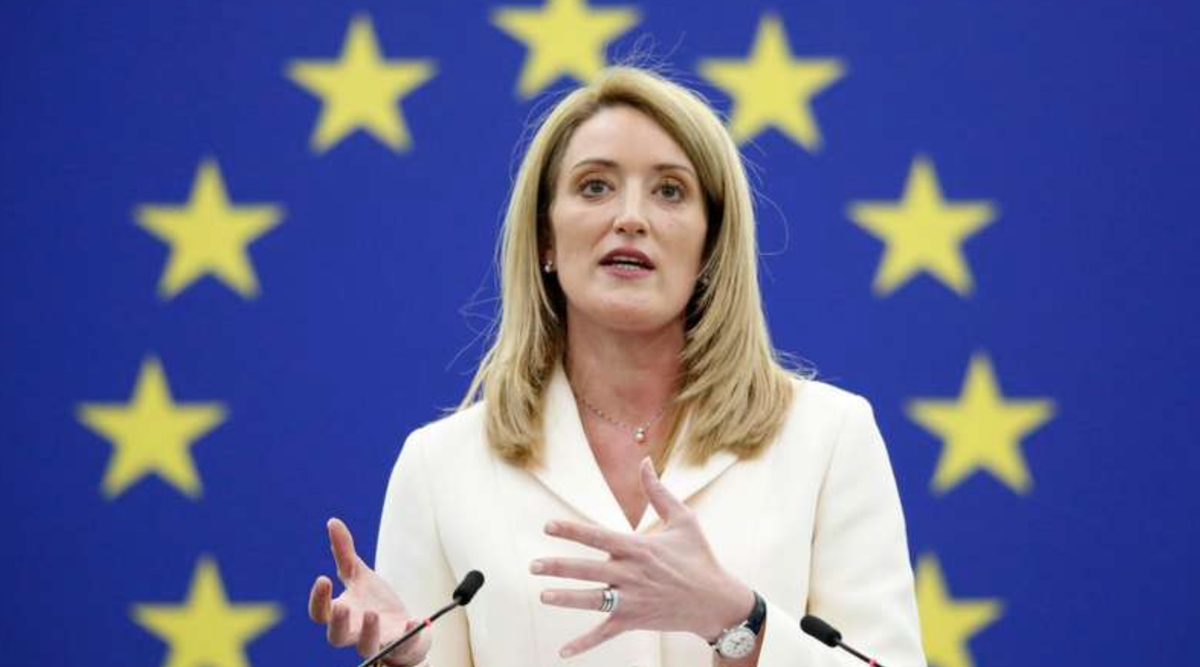
European Parliament invited Zurabishvili to discuss Georgia
European Parliament President Roberta Metsola expressed solidarity with the Georgian people in their fight for their European future during the opening of the plenary session on December 16. She strongly condemned the repression of the opposition and the use of force against peaceful demonstrators.
Metsola urged all 27 EU member states to unite and reach an agreement on sanctions targeting those responsible for violence against protesters. She also announced that Georgian President Salome Zourabichvili has been invited to the European Parliament to discuss further steps.

“The European Parliament stands in solidarity with the people of Georgia, who have been peacefully protesting and marching in Tbilisi and across the country for two weeks, calling for a return to a European future and waving European Union flags under streams of water from riot police.
To the people of Georgia: we see you, we hear you, and we support you. The European Parliament strongly condemns the repression of the Georgian opposition and the use of force against peaceful demonstrators – actions that are incompatible with Georgia’s European path.
We call for decisive action, including sanctions against those responsible. We urge all 27 EU member states to come together and agree on these measures.
We have invited President Salome Zourabichvili to the European Parliament to discuss the most effective course of action. We stand with Georgia on its journey toward a European future, and our door will always remain open,” said the President of the European Parliament.
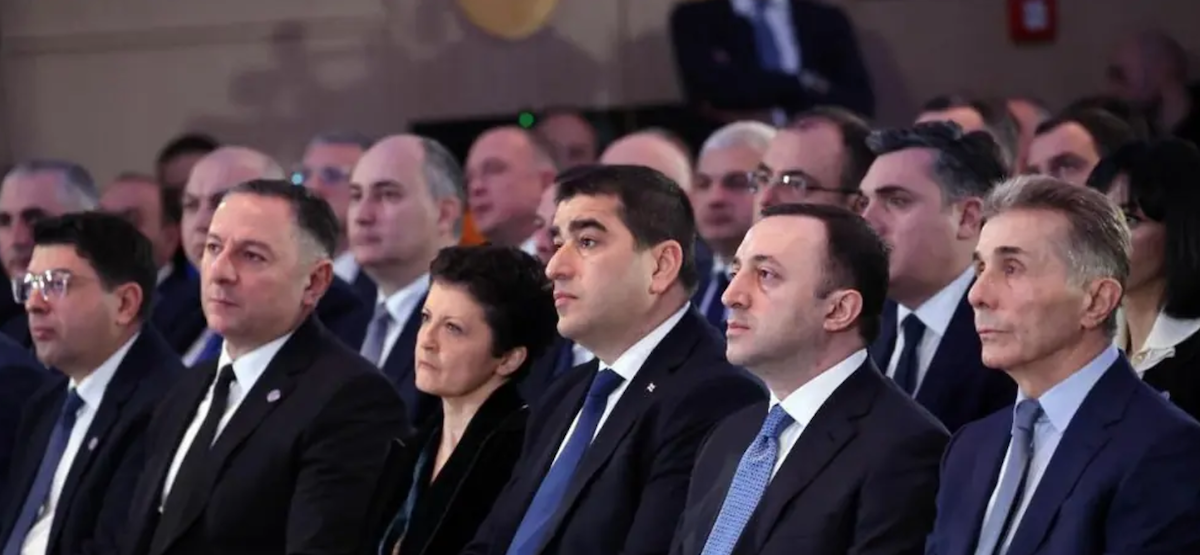
The Council of EU Foreign Ministers agreed on December 16 to suspend the visa-free regime for Georgian diplomatic passport holders. This was announced by the European Union’s High Representative for Foreign Affairs and Security Policy, Kaja Kallas, following the meeting.
She also stated that the Council discussed sanctions against high-ranking Georgian officials during the meeting.
Earlier, the Georgian branch of Radio Free Europe reported that the European Council had tasked the European Commission with preparing an official proposal to end the visa-free regime for Georgian diplomatic passport holders.
According to sources, this proposal received qualified majority support in the European Council. The European Commission has already started working on this issue and will prepare the relevant document in the coming days.
a school dropout and a failed football player.
— lizico⁷ 🇬🇪 is europe (@augustd777) December 16, 2024