
Representatives of international media have visited Gala State Historical and Ethnographic Reserve during the 29th session of the Conference of the Parties to the UN Framework Convention on Climate Change (COP29) held in Baku, Azernews reports.
Day: November 26, 2024
On November 26, Sopo Japaridze, the leader of the Tbilisi organization of the opposition coalition Unity-National Movement, told journalists that the Unity-UNM Coalition had appealed to the Central Election Commission (CEC) to revoke the coalition’s party list with an official letter signed by the coalition’s leader, Tina Bokuchava.
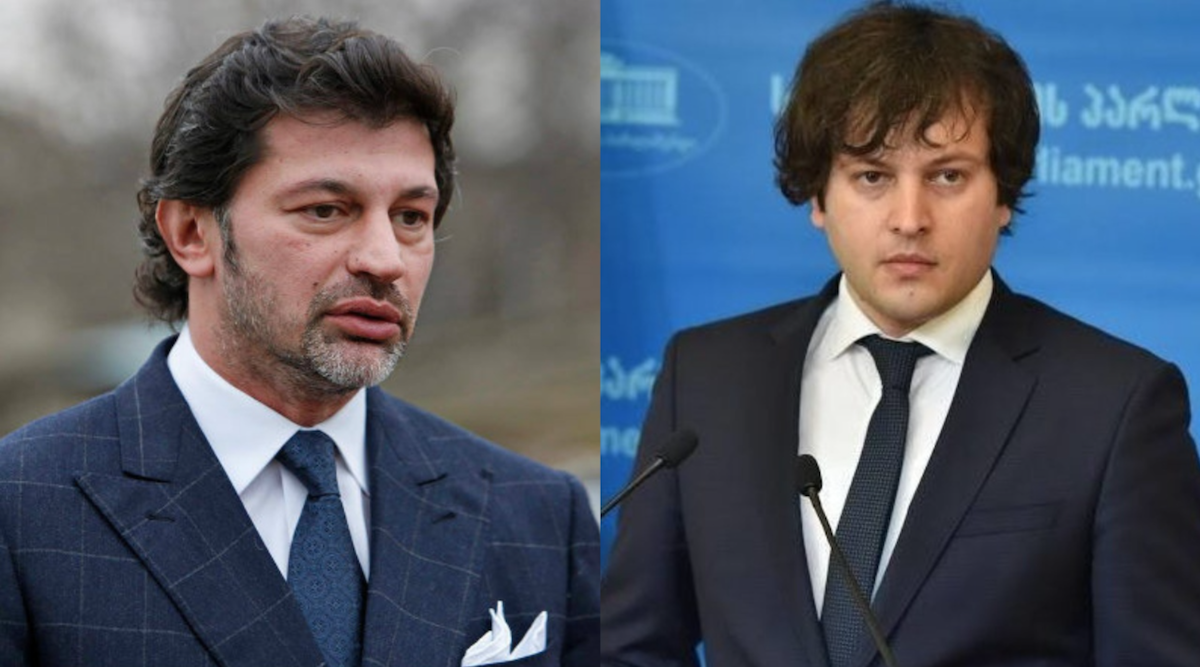
Japaridze further explained that the decision was taken because the Coalition “does not recognize the results of the elections” and that if CEC head Giorgi Kalandarishvili – “the participant in the Russian special operation” – approves the letter after the three-day period stipulated by law, the Coalition will then take the next steps to ensure that “this Parliament will never have legitimacy.”
According to the law, a party can formally ask the CEC to revoke its list after Parliament recognizes the credentials of MPs at its first session. The first session of Parliament was held on November 25, and it recognized the credentials of all 150 MPs, although the legality of their election is being challenged in the country’s Constitutional Court.
Unity-UNM is the third opposition force to officially ask the CEC to withdraw its lists, after coalition Strong Georgia and the Coalition for Change. This leaves ex-PM Giorgi Gakharia’s For Georgia party as the only one who has yet to formally request the CEC to withdraw its party list. The party has stated that it considers the elections rigged and the Parliament illegitimate. Gakharia’s team’s message has been that the party will not give legitimacy to the Parliament, without specifying any concrete actions to do so.
Also Read:
As COP29 wrapped up in Baku last week, a powerful dialogue emerged not only on climate change but also on the country’s growing role in both global energy security and green energy investments. While world leaders gathered in Baku for this landmark event, the G20 summit in Brazil also addressed climate challenges. Despite the physical distance between these two meetings, a common theme emerged: the urgent need for cooperative climate action, with Azerbaijan positioning itself at the centre of these discussions.

Georgia needs new parliamentary elections
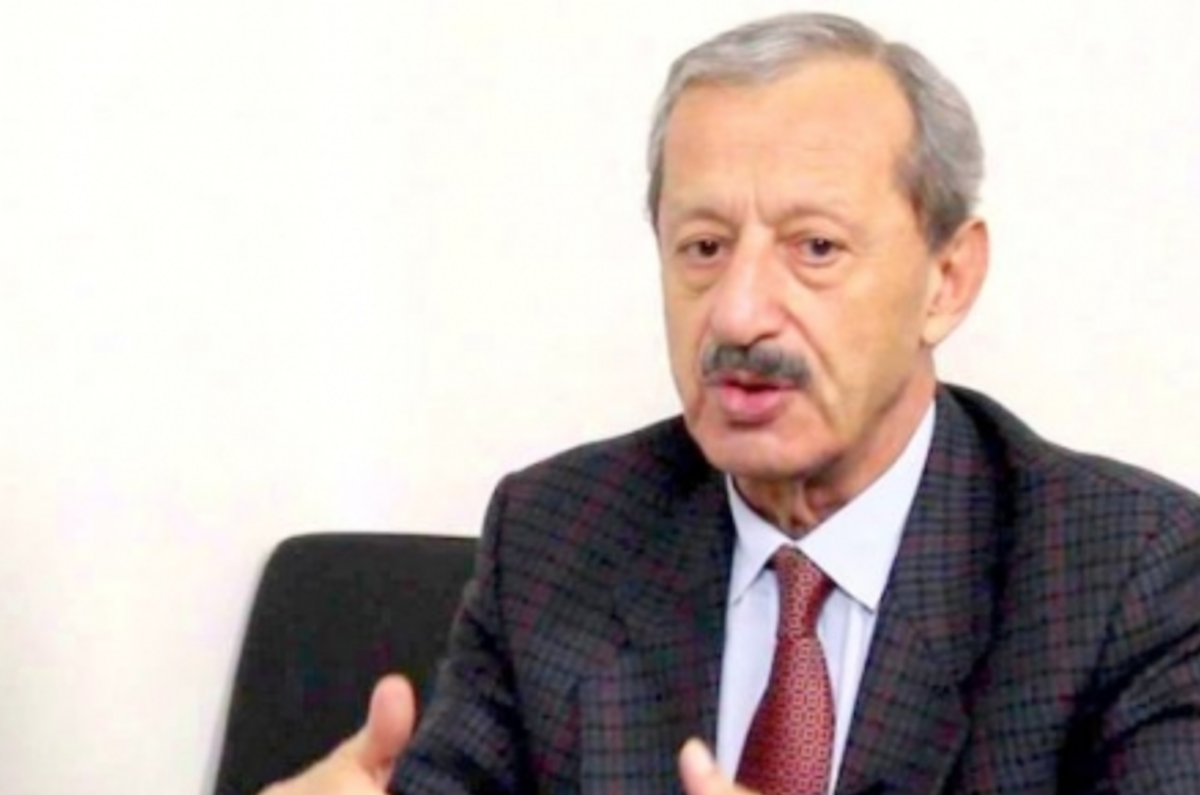
“The 11th [convocation of] Parliament of Georgia held its first session on November 25 and voted to recognize its own authority, but it had no right to do so. By doing this, the deputies placed themselves above the Constitution,” says constitutional expert Vakhtang Khmaladze.
On November 25, Georgia‘s newly elected 11th Parliament held its first session amid a large-scale protest. The protesters claimed that the October 26 elections were falsified, labeling the parliament as illegitimate and self-proclaimed.
Only MPs from the ruling Georgian Dream party participated in the first session. According to the official election results announced by the Central Election Commission, the party secured nearly 54% of the vote, winning 89 out of 150 seats. Four opposition groups that also entered parliament have refused to take part and are demanding new elections.
MPs from the ruling party entered the parliament building and later left under the protection of special forces. The area around the parliament and the government district were heavily secured by law enforcement and specialized equipment.
Constitutional expert Vakhtang Khmaladze
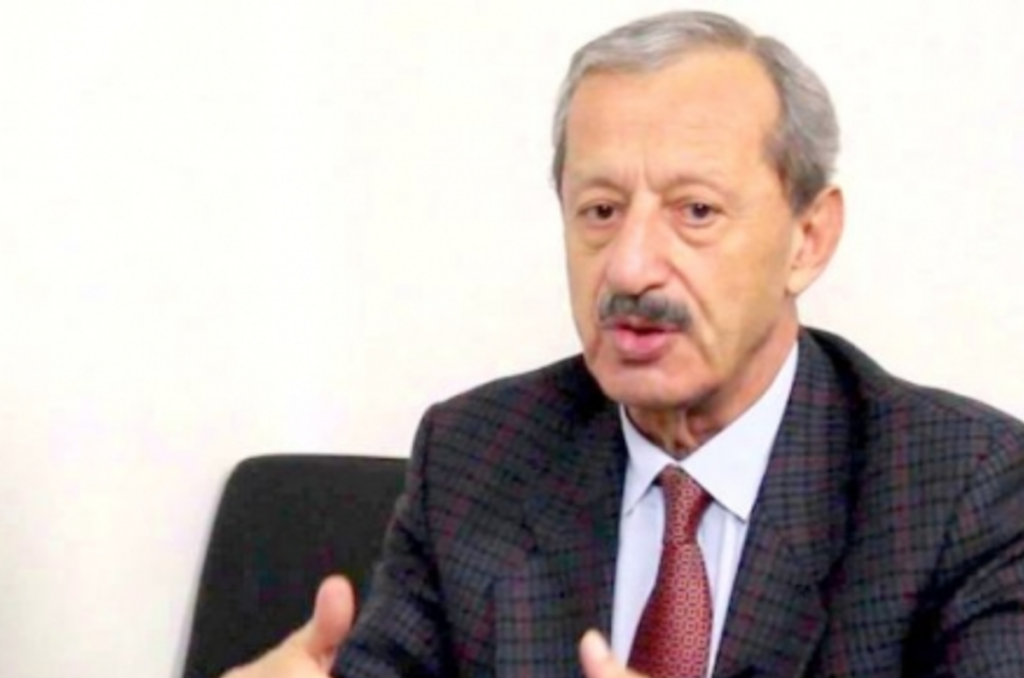
“Lawsuits challenging the legitimacy of all 150 newly elected MPs are currently under consideration in the Constitutional Court, filed by the president and members of parliament.
Until the court rules on these lawsuits, the parliament, according to the Constitution, has no right to discuss the authority of its members.
The parliament would only be allowed to convene in two cases: if the Constitutional Court did not accept these lawsuits for review, or if it examined them and found them to be unfounded. However, neither of these outcomes has occurred.
By convening, the parliament has placed itself outside the Constitution. This can only be described as a power grab, which is also prohibited by the Constitution.
We must use all available mechanisms to prevent this power grab. The authorities may take actions in the future that could put us—those of us already in a difficult situation—into an even more precarious position.
Khmaladze believes the situation warrants a case before the European Court of Human Rights in Strasbourg. “For this, we need suitable plaintiffs, and I know such a group exists,” he said.
“The Constitution is a legal document that protects our rights. But we must not forget that the Constitution itself also requires protection.
When someone attempts to violate it, we, the people, must defend it. The Constitution clearly states that no one has the right to usurp power. This is not written without reason. Such actions have occurred before and could happen again,” says Khmaladze.
The constitutional expert sees the solution to the current crisis in holding new elections.
“All constitutional law textbooks state that early elections are held to resolve a political crisis. But this is not part of Georgian Dream’s plans,” Khmaladze said.
Georgia needs new parliamentary elections
On November 26, the newly elected members of the Supreme Council of Adjara gathered for their session at 12:00, in accordance with the final protocol issued by the Supreme Election Commission of Adjara. The elections were held on October 26, alongside Georgia’s national parliamentary elections. The opposition has refused to participate in legislative activities. They claim that the parliamentary elections were rigged and are calling for the results to be annulled.
The Supreme Council meeting proceeded against the background of a protest rally organized outside the Supreme Council building. The rally, led by organizer Tsiala Katamidze, labeled the newly convened Council as “unconstitutional” and “illegitimate,” adding that “their gathering today is beyond the legal framework.”
According to the Supreme Election Commission of Adjara, the elected members of the Supreme Council are as follows: 13 mandates for the Georgian Dream party, four mandates for the Unity-UNM, two mandates for Gakharia for Georgia, one mandate for the Coalition for Change and one mandate for Strong Georgia.
In line with customary procedural practices, the Georgian Dream faction nominated Davit Gabaidze for the position of Chairman of the Supreme Council; Additionally, Ramaz Jincharadze was elected as the Deputy Chairman of the Council.
The chairpersons of the committees of the Supreme Council were elected by an all-Georgian Dream members as follows
- Pridon Putkaradze – Committee on Agrarian and Environmental Issues
- Tsotne Ananidze – Committee on Human Rights
- Davit Batsikadze – Committee on Education, Science, Culture and Sports
- Tite Aroshidze – Committee on Constitutional, Legal and Procedural Matters
- Marine Gvianidze – Committee on Finance, Budget and Economic Issues
- Vakhtang Beridze – Committee on Health Care and Social Issues
As for the committees, they were staffed with the following members of the Supreme Council:
- Committee on Agrarian and Environmental Issues – Vakhtang Beridze, Marine Gvianidze, Mindia Diasamidze, Pridon Putkaradze;
- Committee on Human Rights Protection- Tsotne Ananidze, Mindia Diasamidze, Pati Khalvashi, Ramaz Jincharadze;
- Committee on Education, Science, Culture and Sports – Davit Tedoradze, Davit Batsikadze, Gogi Putkaradze, Pati Khalvashi;
- Committee on Constitutional, Legal and Procedural Matters- Tite Aroshidze, Davit Batsikadze, Mamuka Turmanidze, Pridon Putkaradze;
- Committee on Finance, Budget and Economic Issues – Tite Aroshidze, Marine Gvianidze, Mamuka Turmanidze, Gogi Putkaradze.
Also Read: