
Vallini model is right up until WEC and EEC. Persian Plateau served as main Crown Eurasian refuge and split. Anatolia-SouthCaucasus-Levant-Mesopotamia was the Hub of WEC (Dzudzuana) and India-MSEA being Hub of EEC (Hoabinhian)
— Deranged Destroyer (@skinsanesk) November 26, 2024
Day: November 26, 2024
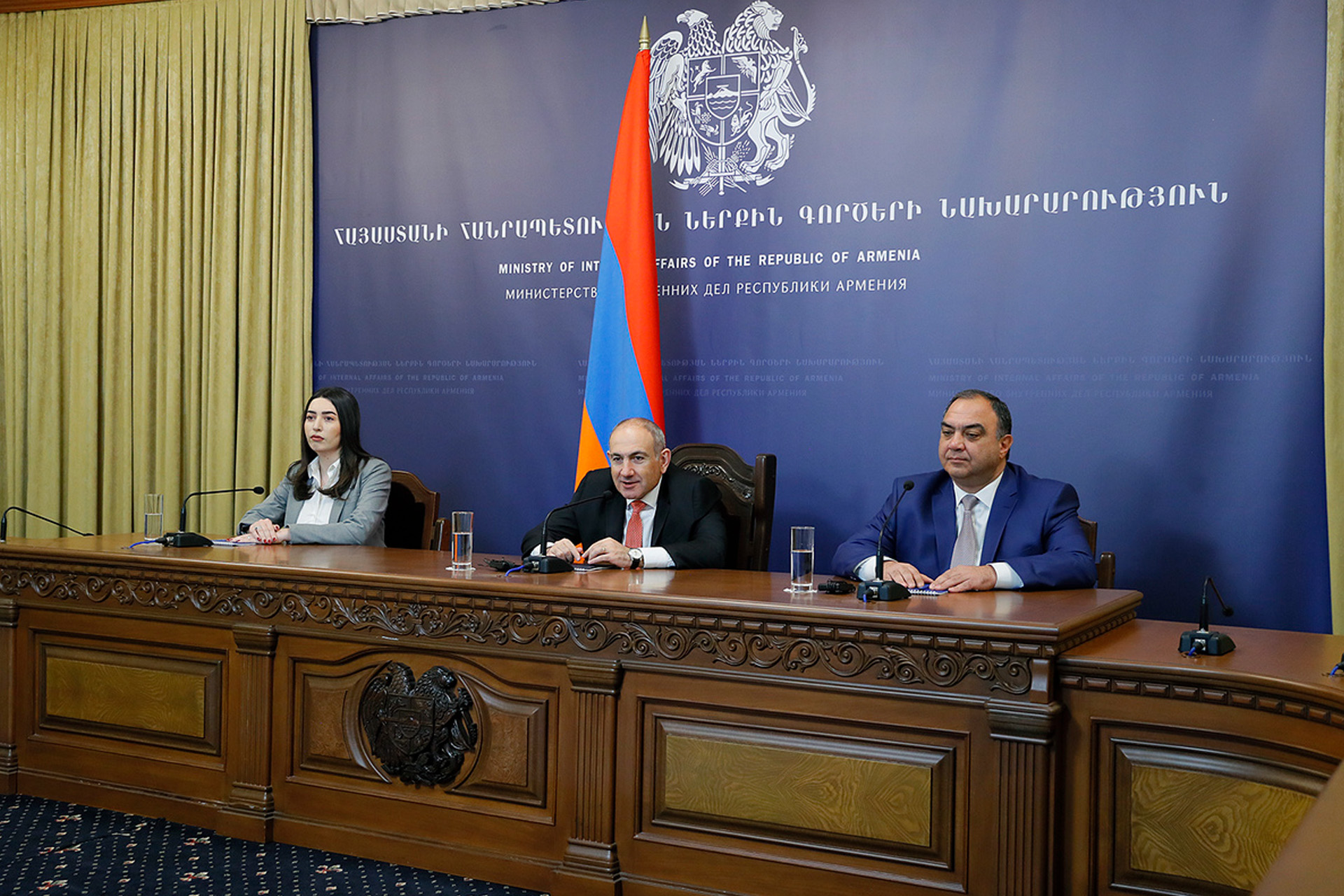
Pashinyan explains staff reshuffle
Prime Minister Nikol Pashinyan addressed public concerns over recent dismissals and appointments in a Facebook post, aiming to explain the rationale behind the changes. He asserted that his government’s approach reflects the “value system of the 2018 people’s non-violent velvet revolution, real Armenia, statehood, sovereignty, and independence.”
Political analyst Suren Surenyants dismissed Pashinyan’s explanation as lacking substance. Speaking to JAMnews, he criticized the Prime Minister’s approach, saying the post fails to clarify the principles behind the personnel decisions.
“Pashinyan is perpetuating the flawed authoritarian practices of the past, where dismissals happened without any clear justification. New officials are appointed, but we have no idea about their mission or program. The rest is just empty rhetoric—grand phrases that do nothing to change the essence of his personnel policy,” Surenyants remarked.
- “Baku wants Yerevan to acknowledge its hegemony” – Armenian political analyst
- “Kremlin is depriving Georgia and Armenia of European future” – Armenian expert
- Demand for Pashinyan’s resignation – live at midnight on Armenia’s Public TV
Pashinyan categorizes appointees into two groups
Prime Minister Nikol Pashinyan, in a social media post, categorized those appointed or invited to take high-ranking positions in November into two groups:
- Members of the 2018 revolutionary team who passed the electoral “filter,” earned the trust of the people, and lived up to it;
- Officials who were part of the state administration during the revolution, gained greater opportunities to realize their potential after its victory, effectively utilized them, demonstrated loyalty to the ruling majority’s ideology, and became part of the team.
“I cannot say that other formulas won’t be applied in the near future. However, the formulas described above will remain the foundation of our personnel policy,” Pashinyan declared.
On November 18, six officials announced their resignations, including the Chairman of the Supreme Judicial Council, the head of the Anti-Corruption Committee, the Minister of Internal Affairs, the head of the Investigative Committee, the Minister of Territorial Administration and Infrastructure, and the Chairman of the State Revenue Committee. Two new ministers—the Minister of Internal Affairs and the Minister of Territorial Administration—have already been appointed.
The reasons behind these dismissals were not officially disclosed. However, prior to the resignations, Pashinyan had addressed issues in the judiciary during a government meeting, saying his “patience had reached its limit.” Following the resignations, he stated that the dismissals were “systemic, not personal.” In an interview with Armenia’s First Channel, Pashinyan confirmed reports that he had sent electronic messages to the officials, requesting their resignations.
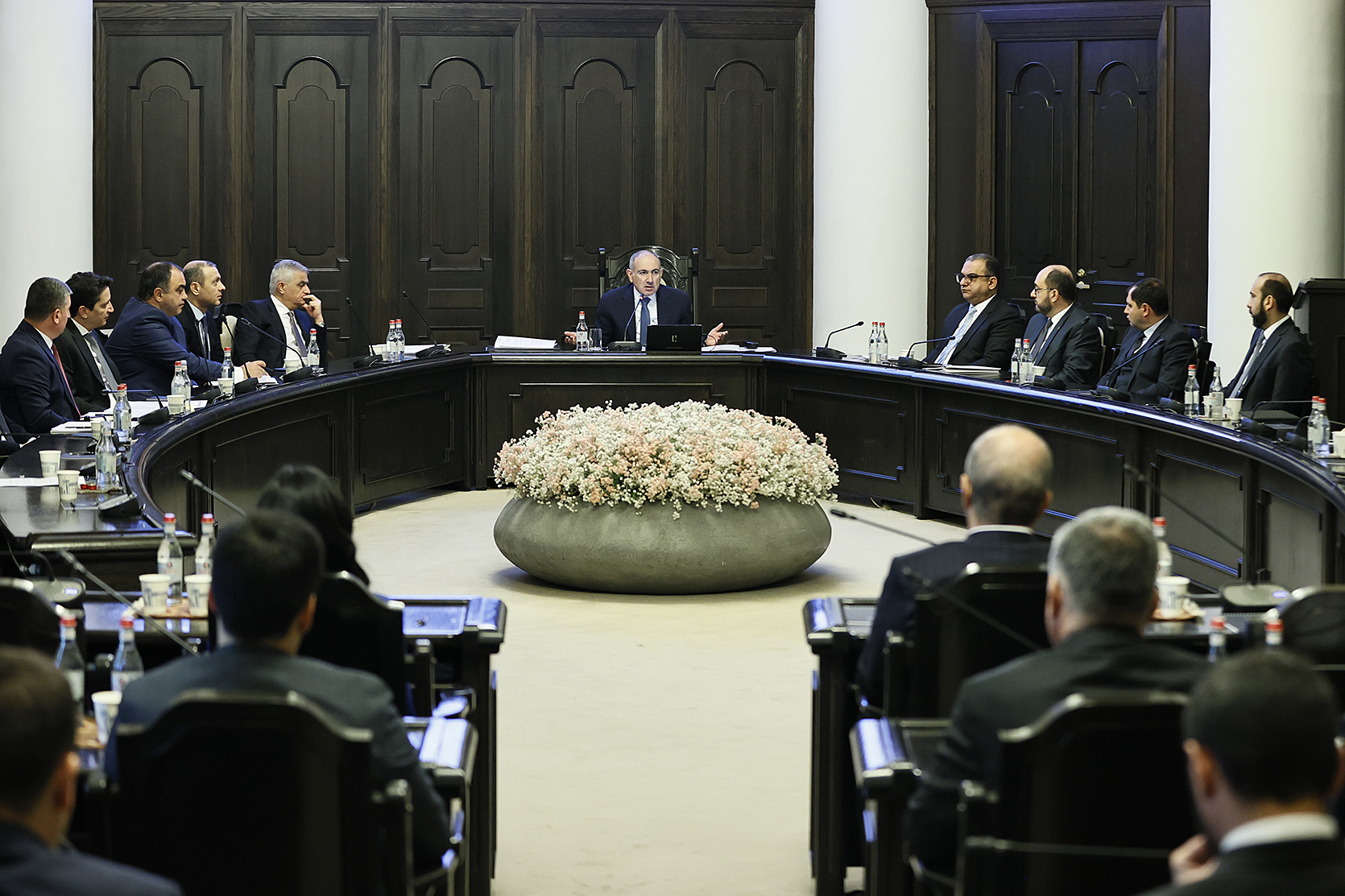
Political analyst Suren Surenyants
Political analyst Suren Surenyants has criticized Armenian Prime Minister Nikol Pashinyan’s personnel policy, calling it “unsubstantiated, poorly thought-out, and lacking a meritocratic foundation [i.e., failing to consider appointees’ abilities],” making it nearly impossible to assess.
“We still don’t understand the appointments made after the revolution. We don’t understand what happened before the [44-day war in 2020] or after it. The chaos in Pashinyan’s domestic and foreign policies is mirrored in his personnel policy. If this weren’t the case, we would have seen at least one reform successfully completed in any sphere,” Surenyants said.
He attributed the situation to the immaturity of the revolutionary team, which, in his view, was not prepared to achieve changes through electoral processes:
“Revolutions tend to result in the selection of irrational personnel and the promotion of irrational ideas. After that, it’s unreasonable to expect any strict logic in personnel policy.”
Addressing Pashinyan’s frequent references to a “value system,” Surenyants pointed out that during the 2018 revolution, the Prime Minister did not mention the idea of a “real Armenia,” a concept he now frequently invokes:
“After the 44-day war in 2020, Pashinyan began pushing the narrative of a ‘real Armenia’ to mask his own responsibility. What lies behind this phrase is the image of a defeated Armenia.”
Surenyants suggested that the recent dismissals could mark the start of Pashinyan’s campaign for the 2026 parliamentary elections:
“He’s trying to appoint new scapegoats and relaunch his unfulfilled promises with a new team. Whether this strategy will work in his favour or backfire remains to be seen.”
The analyst also criticized Pashinyan for attempting to downplay the accountability of dismissed officials:
“If the Prime Minister diminishes the personal responsibility of these individuals, he exposes his own weakness as the leader of this system. It reveals that, in seven years, he has been unable to build a functioning system.”
Surenyants argued that in a democratic society, the public deserves clear explanations for why a specific official was dismissed and why their successor was appointed. Without such transparency, he noted, it is impossible to understand how the new appointee differs from their predecessor.
Pashinyan explains staff reshuffle
https://t.co/YTX5vr7Mmg
Nuclear weapons for Ukraine#NewsAndTimes #NT #TNT #News #Times #World #USA #POTUS #DOJ #FBI #CIA #DIA #ODNI #Trump #TrumpNews #TRUMPISTAN #Israel #Mossad #Netanyahu #Ukraine #NewAbwehr #OSINT #Putin #Russia #GRU #Путин, #Россия #SouthCaucasus #Bloggers
-… https://t.co/hLJVFISZlt pic.twitter.com/WCSoHl2MKb— Michael Novakhov (@mikenov) November 26, 2024
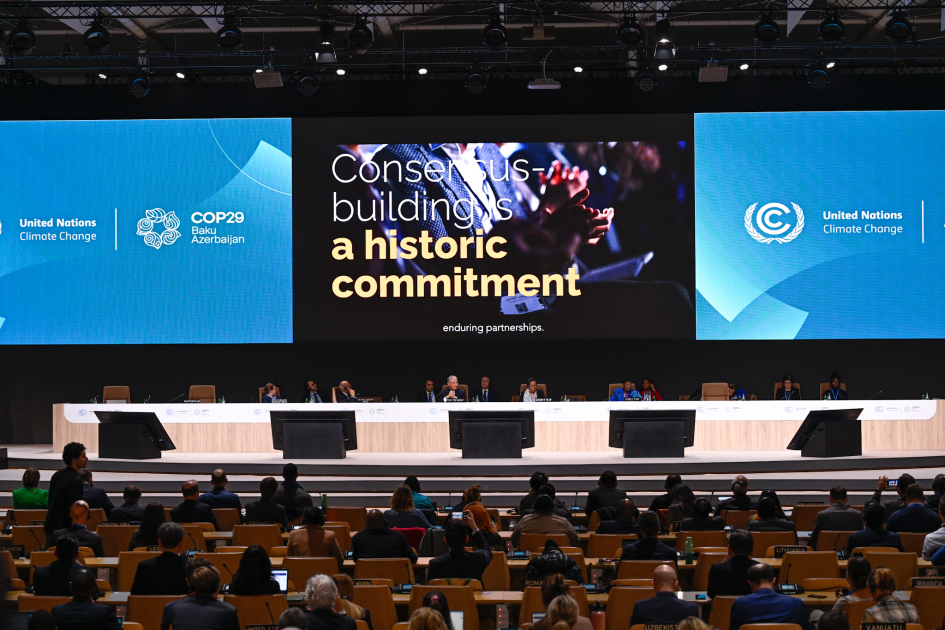
The 29th Conference of the Parties (COP29) to the UN Framework Convention on Climate Change concluded in Baku with the announcement of landmark agreements, including a $300 billion annual climate finance pledge and the operationalization of the Loss and Damage Fund.
However, the summit’s achievements were eclipsed by widespread criticism of Azerbaijan’s human rights record and the controversial conduct of the event.
Climate Agreements in the Shadow of Controversy
COP29 reached several significant milestones, including the finalization of carbon market rules under Article 6 of the Paris Agreement and a long-term climate finance commitment. Yet, these breakthroughs were tempered by skepticism over the feasibility of the funding and accusations of inequity. Developing nations decried the reliance on loans and private funding, arguing that wealthy nations failed to deliver the immediate support required to address the growing impacts of climate change.
While the “Baku Finance Goal” marked progress, many delegates labeled it inadequate. Indian representative Chandni Raina described the agreement as “an optical illusion,” and Marshall Islands envoy Tina Stege said the funding was “not enough but a start.” Critics also noted the conspicuous absence of leaders from major emitters, including the U.S., China, and India, which undermined the summit’s legitimacy.
Human Rights Take Center Stage
Despite its climate-focused agenda, COP29 became a flashpoint for human rights concerns. Azerbaijan’s government faced scrutiny from international organizations and foreign leaders for its treatment of journalists, activists, and opposition figures. More than 300 political prisoners and 15 jailed journalists drew condemnation, with critics questioning the decision to host a global climate summit in a country with such a poor track record on civil liberties.
German Foreign Minister Annalena Baerbock expressed dismay over the arrests of media and civil society representatives, emphasizing the essential role of civic freedoms in fostering climate action. The detention of opposition figure Gubad Ibadoglu and restrictions on the Parliamentary Assembly of the Council of Europe (PACE) members further fueled tensions.
Lobbying and Credibility Challenges
Adding to the controversy, more than 1,700 fossil fuel lobbyists attended COP29, raising concerns about their influence on the negotiations. Advocacy groups like the Kick Big Polluters Out coalition criticized Azerbaijan for enabling industry representatives to steer discussions away from decisive action on reducing emissions.
President Ilham Aliyev’s remarks at the summit’s opening, referring to oil and gas as “gifts of God,” further compounded the dissonance between the event’s goals and Azerbaijan’s reliance on fossil fuel revenues. Critics saw his comments as emblematic of a broader failure to align the summit’s ambitions with meaningful leadership on climate action.
A Mixed Legacy
While COP29 succeeded in setting long-term climate finance targets and advancing key mechanisms like the Loss and Damage Fund, these achievements were overshadowed by doubts about implementation and Azerbaijan’s contentious role as host. The convergence of human rights concerns, lobbying scandals, and geopolitical tensions served as a stark reminder of the challenges facing global climate governance.
The post Human rights concerns overshadow Baku’s climate summit achievements appeared first on MEYDAN.TV.
French Ambassador to Armenia Olivier Decottignies is trying to fish in troubled waters. The ambassador shared two posts about the Blue Mosque in Yerevan and the West Azerbaijan province of Iran, sparking ambiguity and controversy, especially in light of recent military training conducted by Azerbaijan and Iran.
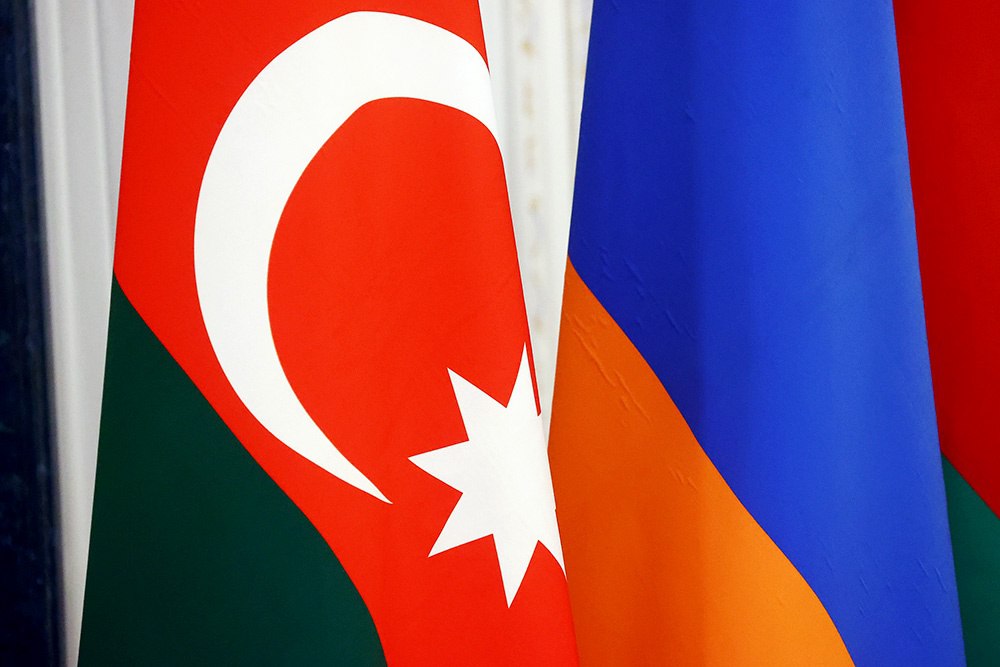
Armenia-Azerbaijan negotiations to resume
In recent months, the pace of peace negotiations between Azerbaijan and Armenia has slowed. The primary reason for this was the 29th session of the UN Framework Convention on Climate Change (COP29) held in Baku from November 11 to 23. With this major global event now concluded, it is expected that the settlement process will resume from where it left off in the near future.
- Opinion: ‘What happened in Georgia can only be described as power grab’
- 16-day campaign against gender-based violence kicks off in Yerevan
- COP29 nears conclusion, but financial target remains unresolved
Analysts from the South Caucasus Research Centre (CSSC) have commented on the possibility of resuming negotiations soon and the direction in which they may continue. JAMnews presents this commentary.
COP29 is over, negotiations can resume
“The COP29 climate conference, which became a major global topic in recent weeks and caused a pause in peace negotiations between Azerbaijan and Armenia, has concluded. Although official Yerevan voted in favor of holding the event in Baku, it set a condition and stated it would participate in COP29 only if certain Armenian citizens detained in Azerbaijan were released. After Azerbaijan rejected this condition, Armenia decided not to participate in the event. As a result, the chain of goodwill steps that began on December 7 last year was interrupted.”
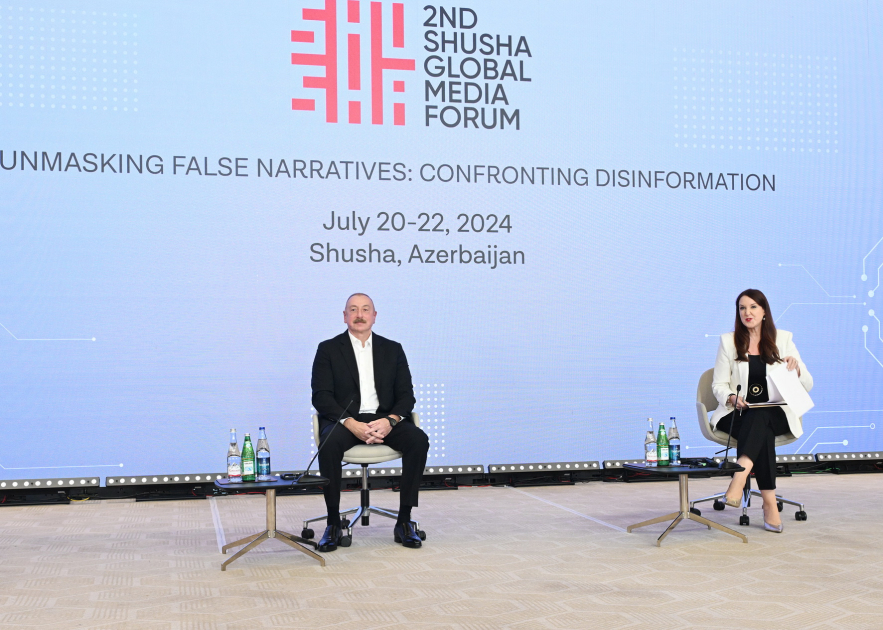
Despite this, it is expected that activity in the settlement process between Baku and Yerevan will resume in December. By that time, both sides have officially stated that the majority of the peace agreement’s text has been agreed upon. Therefore, the main topics of the December talks will focus on issues that still lack common ground and how they will be reflected in a potential agreement. It is worth revisiting these issues once more.
Pashinyan outlined three obstacles to an agreement
“In an interview with Armenian Public Television this past weekend, Pashinyan identified three key issues currently preventing a final agreement between the sides. These are Armenia’s constitution, mutual legal claims, and foreign interference in bilateral relations, particularly through the EU mission in Armenia.
In principle, Pashinyan does not rule out amending Armenia’s constitution, specifically removing the reference to the Declaration of Independence, which includes territorial claims against Azerbaijan.
However, for now, the prime minister seems to be engaging in diversionary tactics. An example of this is the Constitutional Court’s ruling that certain provisions of the Declaration have no legal force. But Baku expects tangible steps from Yerevan in this regard.
At the very least, until now, Pashinyan’s government could have used its parliamentary majority to annul the decisions of Armenia’s Supreme Council from 1992. Yet, Yerevan not only fails to remove territorial claims against Azerbaijan from its legislation but is also searching for ‘hidden territorial claims’ in the other side’s constitution.”
Regarding the mutual claims filed by Azerbaijan and Armenia in international courts, Pashinyan stated that Armenia is willing to drop these claims only if a peace agreement is reached. According to him, both sides should refrain from legal proceedings against each other over past events, but their right to seek international arbitration for future disputes should not be restricted.
Concerning the EU mission in Armenia, Azerbaijan believes that only two parties should be present on the ground, just as there are only two sides at the peace negotiation table.
Armenia responded to this Azerbaijani demand by removing Russian border guards from the conditional border, but no similar step has been taken regarding the European mission. In his latest statement, Pashinyan confirmed Armenia’s intention to continue delimiting borders with Baku and proposed withdrawing the EU mission from the already delimited border areas.
OSCE Minsk Group
“In addition to the aforementioned, the issue of dissolving the OSCE Minsk Group will also be part of the December negotiations. Armenia’s position on this issue raises doubts about its sincerity in seeking lasting peace. It is illogical for Yerevan to still support the continuation of this institution, which was mainly created to determine the status of Nagorno-Karabakh.
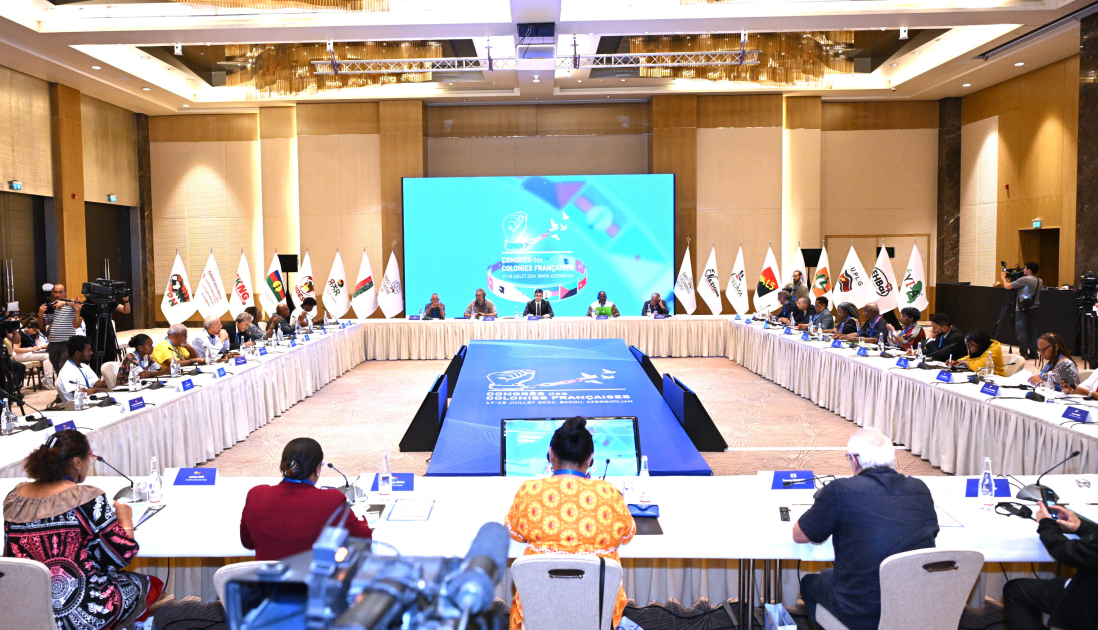
Certainly, Armenia’s approach to dissolving the Minsk Group clearly shows the influence of France, one of the co-chairs. Considering the number of French lawyers representing Yerevan’s interests in international courts, it becomes clear how Paris is obstructing the peace process.”
Armenia-Azerbaijan negotiations to resume