
Além dos medicamentos, existem formas naturais de controlar a ansiedade. Veja algumas técnicas naturais e simples de controlar a ansiedade
Day: November 19, 2024
Abkhazia’s recurring political crises
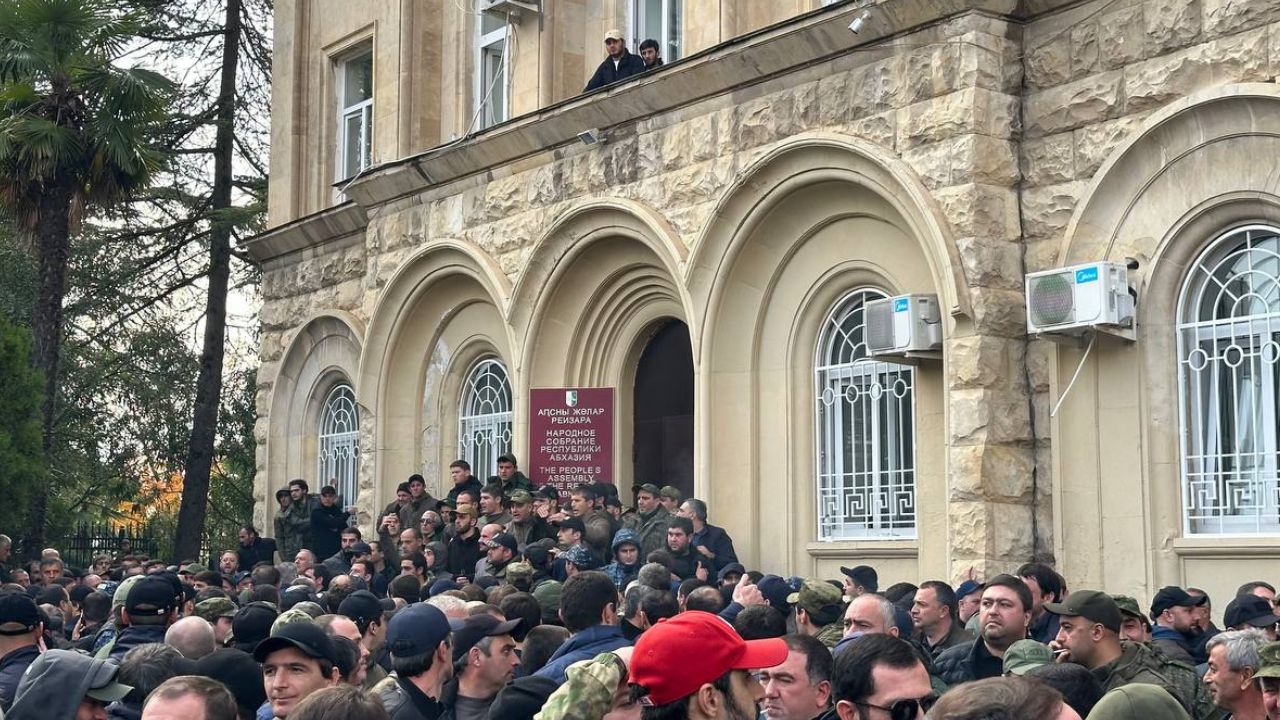
In Abkhazia, a confrontation between the authorities and the opposition over a Russian investment agreement has culminated in the ousting of President Aslan Bzhania. During today’s parliamentary session, 28 out of 31 deputies present voted for his resignation. The republic is now set to prepare for early presidential elections.
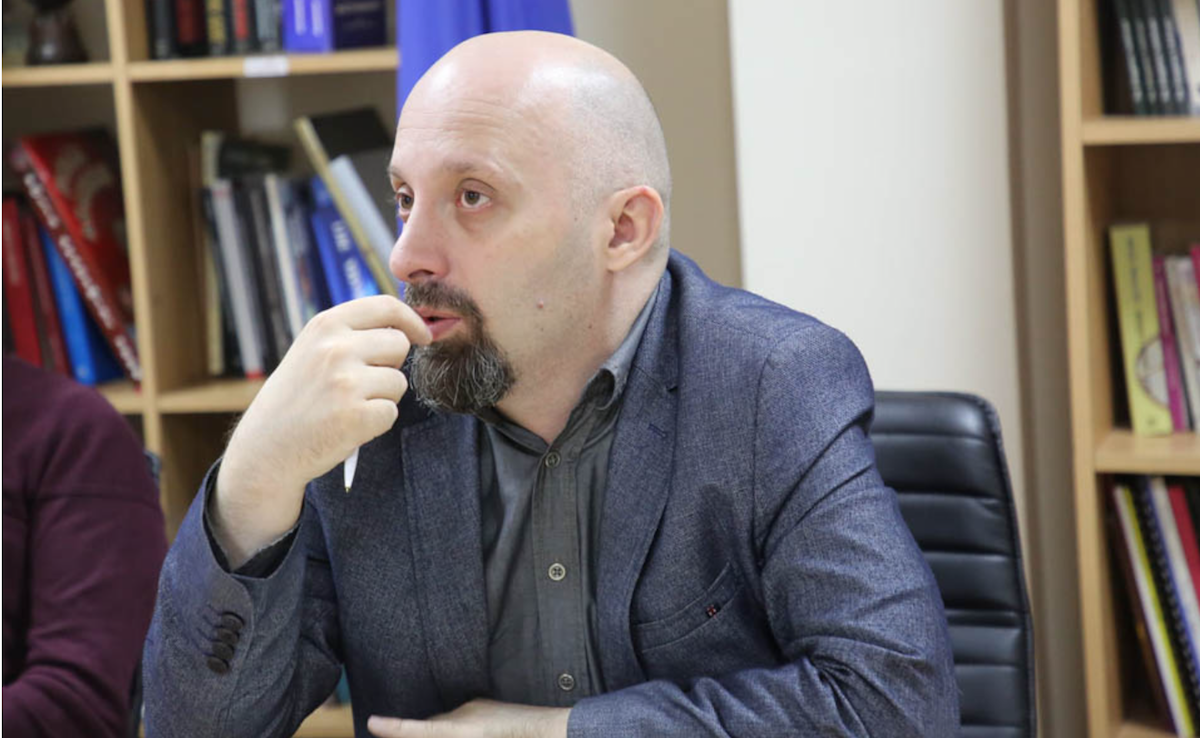
This marks the third consecutive change of power in Abkhazia through a relatively peaceful coup. Inal Khashig, editor of JAMnews in Abkhazia, examines why this cycle repeats so often and with the same outcome.
- Abkhazia edges toward compromise as opposition awaits president’s response
- Coalition government, reforms, then presidential elections — a solution for Abkhazia’s political deadlock?
- Abkhazia protests against a controversial investment deal with Russia, demand president’s resignation. 15-16 November, 2024
Inal Khashig:
Another Abkhazian revolution has once again ended successfully.
The classic scenario unfolded seamlessly: dissatisfied citizens peacefully seized the presidential palace, prompting a president who had lost touch with reality to resign in a forced-yet-voluntary manner.
This marks the third consecutive president ousted through such radical expressions of no-confidence by the public.
- In May 2014, protesters led by Raul Khajimba removed Alexander Ankvab from the presidency.
- In January 2020, another opposition leader, Aslan Bzhania, ousted Khajimba and took the vacant seat.
- And now, in November 2024, the same story has repeated itself with Bzhania.
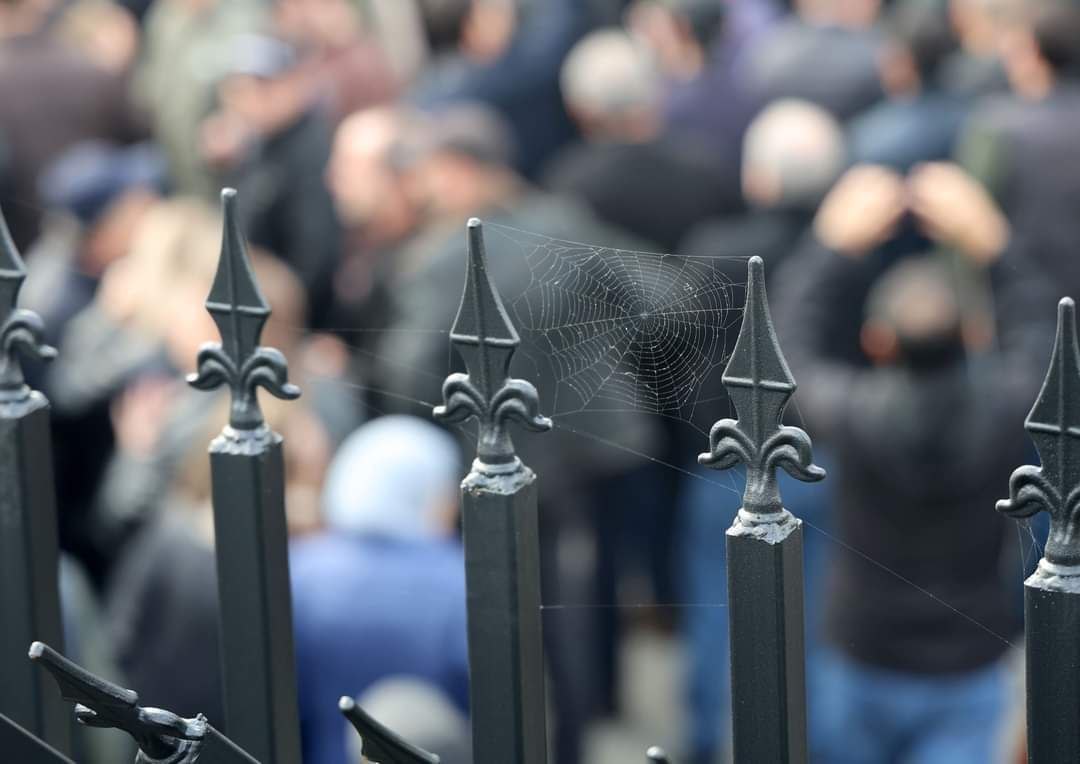
The current revolution has several leaders, so it’s unclear who will become the next head of Abkhazia. However, I am confident that unless the very institution of the presidency is rethought, the next president will face the same fate as their predecessors.
The problem lies not with each new president but with the president’s unlimited powers.
This system was created 20 years ago for one specific person—Vladislav Ardzinba.
In 1994, after the end of the Georgian-Abkhaz war, the republic, with a completely devastated economy, was under total blockade and had a single goal—survival.
Moreover, there was still the threat of military retaliation from Georgia.
In such circumstances, there was no alternative to a strong presidential power, effectively granting the president the role of a dictator. At the time, President Vladislav Ardzinba was an undisputed authority for his people.
Back then, the presidency wasn’t about managing financial flows, befriending Russian oligarchs, or hosting daily banquets at restaurants. It was about survival.
The republic survived. Vladislav Ardzinba stepped down, and his powers were “inherited” by subsequent presidents who had little understanding of their role.
For the past 20 years, Abkhazian society has been calling for reforms. At the beginning of each president’s five-year term, constitutional commissions were formed with the aim of redistributing powers between the executive and legislative branches. Yet, these presidents, who came to power as reformers, left everything unchanged.
Power intoxicates, enriches, corrupts, and ultimately leads to tyranny.
To finally break this vicious cycle, the system of governance itself must change. Presidential powers need to be redistributed so that the president no longer feels like an omnipotent and unaccountable monarch.
All political forces must reach an agreement now, before the next presidential elections take place. Otherwise, another revolution and the overthrow of yet another leader who has completely lost touch with reality will be inevitable.
Terms, place names, opinions and ideas suggested by the author of the publication are their own and do not necessarily coincide with the opinions and ideas of JAMnews or its individual employees. JAMnews reserves the right to remove comments on posts that are deemed offensive, threatening, violent or otherwise ethically unacceptable.
Abkhazia’s recurring political crises
Sevinj Vagifqizi, editor-in-chief of the independent news website Abzas Media, has warned that she will begin a hunger strike unless conditions at Baku Detention Center No. 1 improve.
Vagifqizi, who has been in custody for over a year, raised these concerns through her mother, Ofelia Maharramova, during a press conference in Baku.
According to Maharramova, her daughter’s determination to protest could inspire others in the detention center to join her. “Sevinj told me, ‘If I start a hunger strike, everyone will join me,’” Maharramova said, addressing reporters at the Musavat Party headquarters.
Maharramova described severe restrictions on visitation and substandard living conditions in the facility. Over the past year, Vagifqizi has reportedly been allowed only three face-to-face meetings with her family, while most interactions occur through a glass partition under constant surveillance. “They claim it’s for security, but even the phones we use to speak are likely tapped,” Maharramova stated.
She also accused detention center staff of physical mistreatment, claiming that a warden deliberately injured Vagifqizi’s hand. Additionally, detainees face inadequate food provisions, unsanitary drinking water, and limited access to basic hygiene. “Hot water is only available for one hour a week, shared among 15 people. This creates tension among inmates, fostering disputes over food and bathing,” Maharramova explained.
Vagifqizi, along with fellow detained journalist Nargiz Absalamova, has reportedly faced retaliation for documenting and exposing these conditions. Absalamova’s mother, Sevda Absalamova, claimed her daughter has been denied access to clean water and is subjected to psychological pressure. Guards allegedly turn other inmates against her by restricting privileges.
Human rights defender Rufat Safarov, a former prisoner himself, corroborated these claims, stating that the authorities often retaliate against critical voices in detention. “These actions are meant to intimidate journalists and activists,” Safarov said. Despite this, he noted that detainees like Vagifqizi and Absalamova continue to report on their conditions, highlighting systemic issues in Azerbaijan’s penal system.
Seymur Hazi, a former political prisoner and deputy chairman of the Azerbaijan Popular Front Party, argued that the targeting of journalists reflects a broader effort to suppress dissent. “The government fears losing control over information. Women like Sevinj and Nargiz have shaken the system by refusing to be silenced,” Hazi said.
The treatment of detained journalists, activists, and opposition figures has drawn criticism from international rights groups, with allegations that the Azerbaijani government uses imprisonment as a tool to stifle dissent. Hazi urged society to resist such repression, emphasizing that solidarity and public scrutiny are vital.
“This isn’t just about poor prison conditions,” Hazi concluded. “It’s about a government unwilling to tolerate criticism, and society must stand united to demand change.”
The post Detained Azerbaijani journalists’ families detail alarming conditions in press conference appeared first on MEYDAN.TV.
COP29 debates address Azerbaijan’s human rights
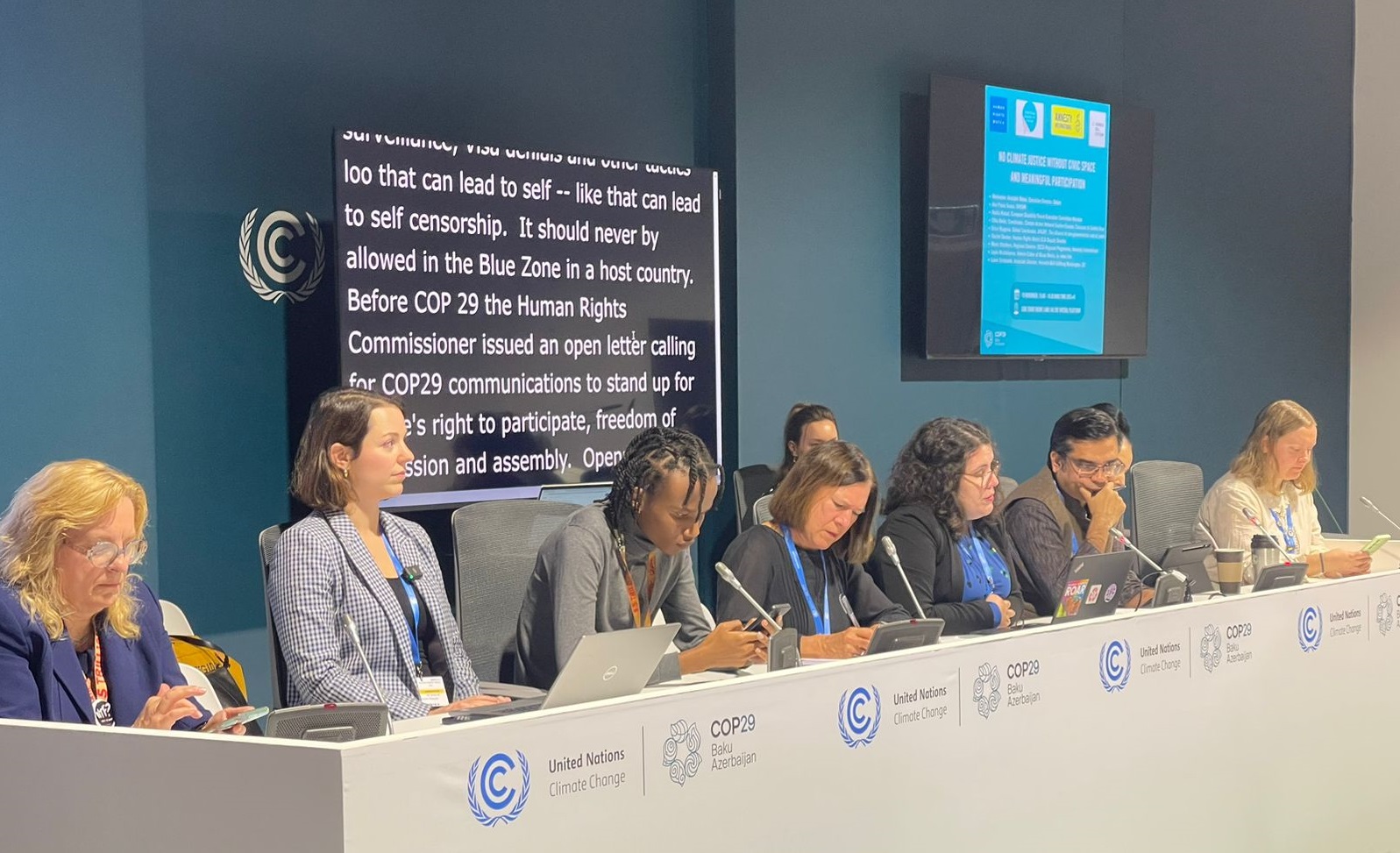
At COP29, international organizations hosted a debate on human rights in Azerbaijan. The discussions centred on the argument that meaningful dialogue on climate change is impossible in an environment where civil society is suppressed.
The Council of Europe’s Commissioner for Human Rights, Michael O’Flaherty, urged Azerbaijani President Ilham Aliyev to release political prisoners.
- 16 detained as police crack down on Tbilisi protest
- “Promote cooperation in South Caucasus” – EU Special Representative Magdalena Grono in interview with JAMnews
- What is ethnic cleansing, and who carried it out in Karabakh? View from Baku
“Climate justice is impossible without civic space”
On November 19, COP29 hosted a debate titled: “No Climate Justice Without Civic Space and Meaningful Participation.”
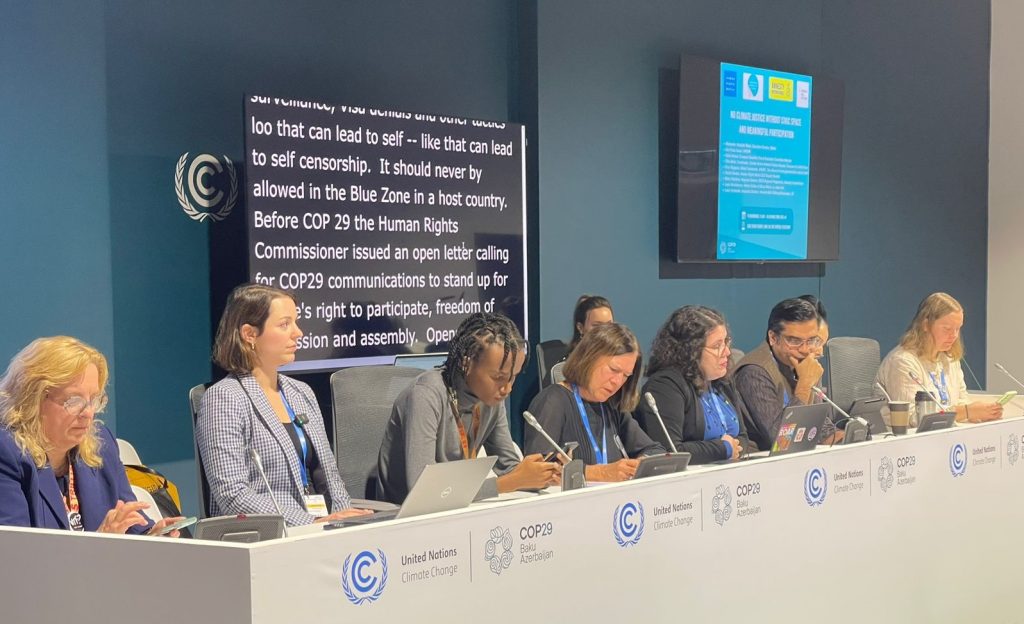
The event was organized by Human Rights Watch, Amnesty International, and several other human rights organizations.
As reported by Turan, Fuad Hasanov, head of the Democratic Monitor NGO and a participant in the meeting, stated that the central theme of the speeches was that free discussions on climate change are impossible in an environment where civil society space is restricted.
The severe paralysis of independent civil society institutions in Azerbaijan was specifically highlighted.
NGOs in Azerbaijan face significant obstacles, including difficulties with registration and a lack of access to funding from international organizations, which are effectively banned from operating in the country. In this context, any financial assistance from abroad is labelled as smuggling.
Participating in the discussion online from Germany, Abzas Media’s acting editor Leyla Mustafayeva highlighted the plight of her colleagues—journalists from the outlet—who were arrested on smuggling charges.
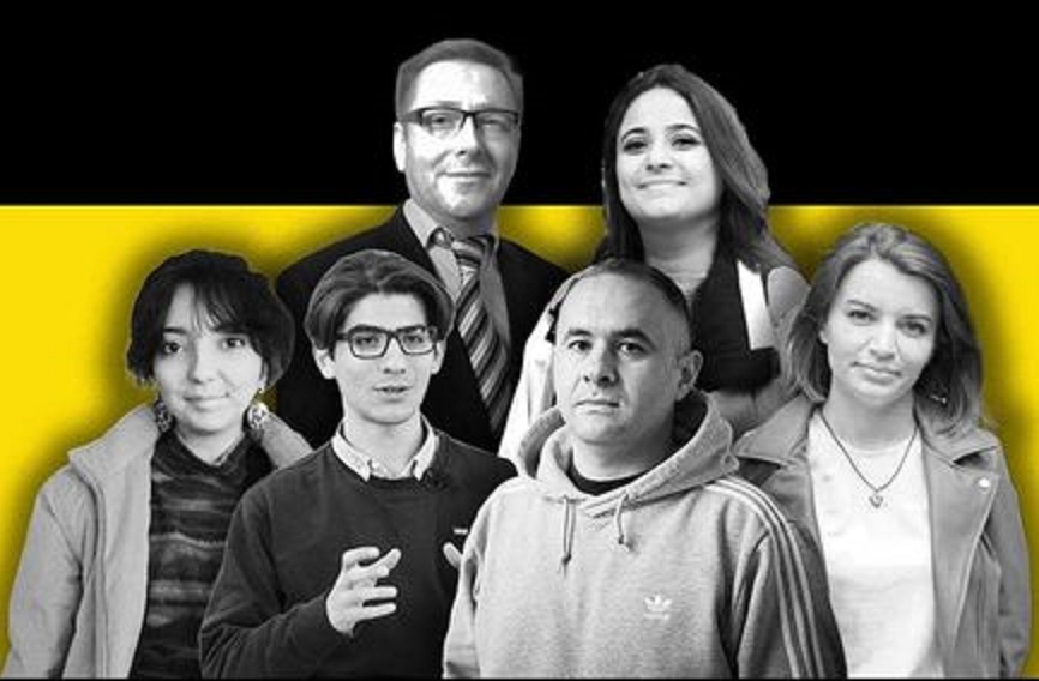
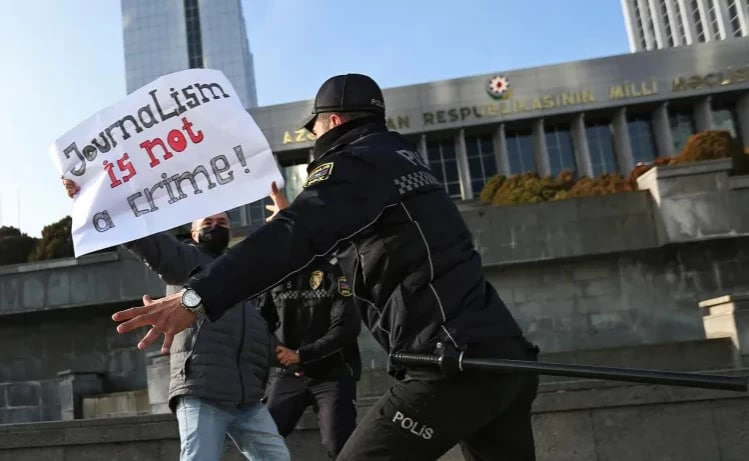
During the meeting, attention was also drawn to the issue of political prisoners in Azerbaijan, whose number exceeds 300, according to local human rights activists.
Calls were made for the Azerbaijani authorities to release political prisoners, including journalists, and to create conditions in the country for the free operation of independent civil society institutions and media.
Council of Europe Commissioner urges release of political prisoners
A day earlier, Council of Europe Commissioner for Human Rights Michael O’Flaherty urged Azerbaijani President Ilham Aliyev to release political prisoners.
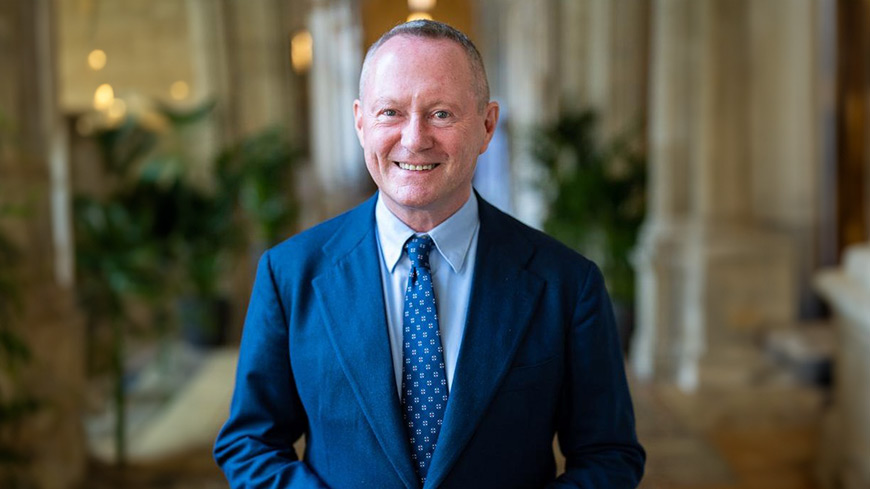
The Council of Europe’s press service released the text of a statement in which the commissioner asks the authorities for “the immediate release of all human rights defenders, journalists and civil society activists who are imprisoned for their legitimate work or for expressing dissenting or critical opinions.” He also calls for the dismissal of criminal charges against them and the removal of associated restrictions, including travel bans.
O’Flaherty also voiced concern over the arrests of Akif Gurbanov, co-founder of the Institute for Democratic Initiatives (IDI); Alesker Mamedli, founder of the independent online platform Toplum TV; Imran Aliyev, founder of Meclis.info, which monitors parliamentary activities; and Anar Mamedli, director of the Centre for Election Monitoring and Democratic Education. All have been charged with smuggling.
More than a dozen staff members and journalists from three media outlets (Abzas Media, Toplum TV, and Kanal 13) have been arrested on similar charges.
“I am concerned at reports that the criminal proceedings against these human rights defenders,
journalists and activists were launched in regard to carrying out their legitimate activities.”
The commissioner also notes the concern, previously voiced by the European Court of Human Rights, regarding “troubling pattern of arbitrary arrests and detentions of government
critics, civil society activists and human rights defenders through retaliatory prosecutions and misuse
of criminal law in defiance of the rule of law.”
He also asks the Azerbaijani authorities to “conduct an effective investigation into the allegations of ill-treatment and to ensure compliance with the rights of access to a lawyer and adequate medical care.”
He urges the authorities to take “the necessary steps to ensure that all laws and practices in
connection with freedoms of association, assembly and expression and the situation of human rights
defenders, journalists and civil society activists in the country comply with relevant Council of Europe
human rights standards, including by fully implementing the relevant judgments of the Court [ECHR].”
“I look forward to continuing the dialogue and cooperation with the Azerbaijani authorities, including in
the context of a visit to the country,” O’Flaherty concluded.
COP29 debates address Azerbaijan’s human rights

