
Day: November 19, 2024


Armenia’s energy independence
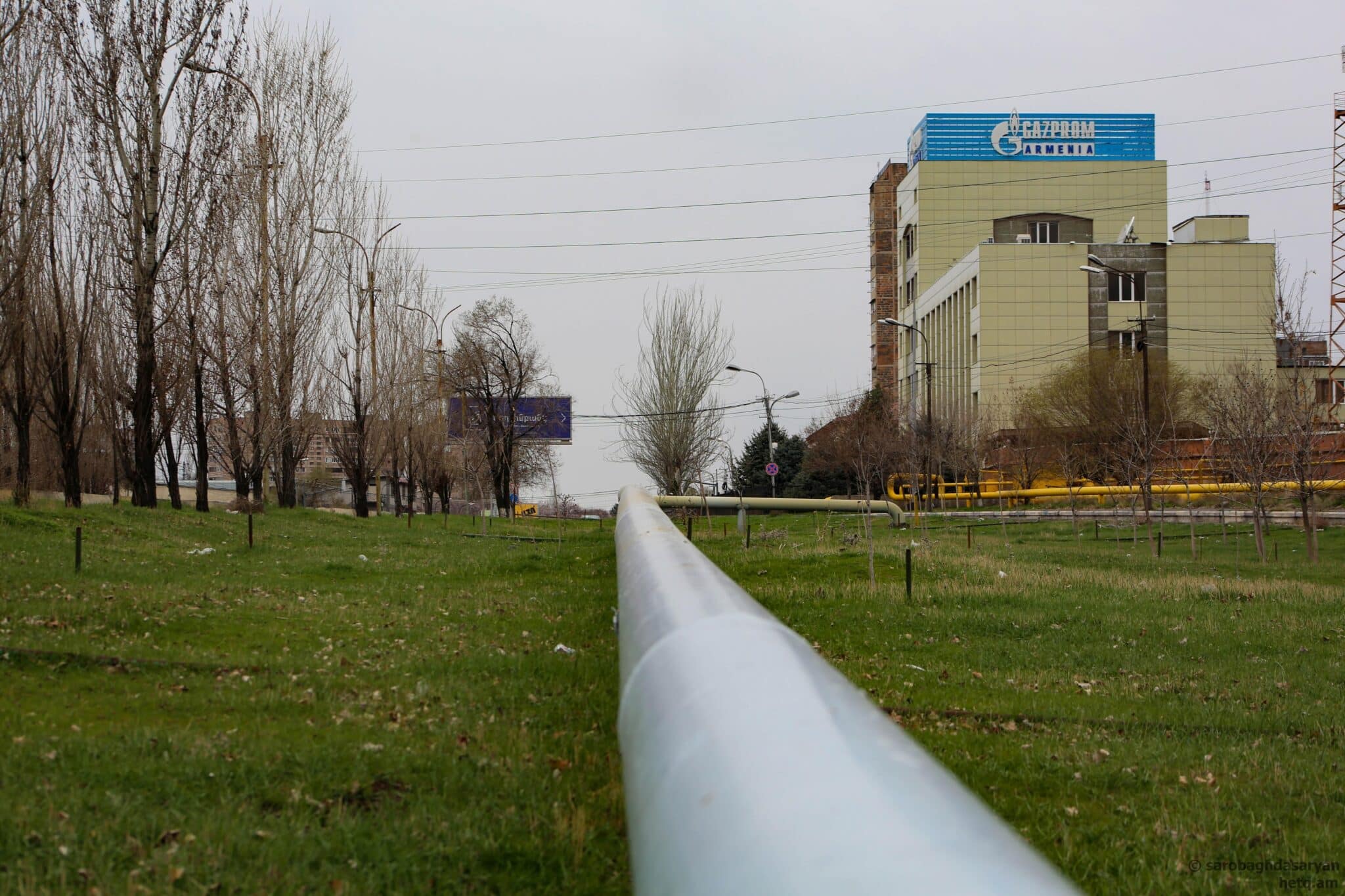
“Armenia’s energy independence is approximately 27%, representing the share of energy the country does not rely on from external sources,” stated Abgar Budaghyan, head of the USAID Energy Security Program in Armenia.
He noted that the remaining 73% largely depends on natural gas, primarily imported from Russia. Budaghyan explained that such energy dependence leaves the country and its economy vulnerable.
He also shared that 21 potential development scenarios have been created and submitted to the Armenian government. These scenarios take into account factors such as economic growth, population increases, expanded equipment use, and energy efficiency levels. According to Budaghyan, by addressing these factors, Armenia could achieve a significantly higher level of energy independence by 2050.
- Who will build the new nuclear power plant in Armenia? Here’s what to know
- Modernization of old buildings in Armenia: energy savings and modern design
- Benefits of solar energy in Armenia: three examples
Need for radical change
According to the head of the energy security program, it is impossible to make radical changes in this sector within one or two years. These changes are planned for the coming decades. A plan is being developed within the program to raise Armenia’s energy independence to a higher level by 2050, Budaghyan explains:
“We have developed and presented the Armenian government with more than 20 potential scenarios for future developments. These can be considered when designing Armenia’s energy strategy for 2040-2050.”
Budaghyan noted that this includes replacing the Metsamor Nuclear Power Plant with a new nuclear energy block in the foreseeable future, by 2036.
“In addition, we proposed gradually reducing natural gas consumption in electricity production by 2050, eventually phasing out this type of fuel entirely. We emphasized the importance of maximizing reliance on renewable energy sources,” he added.
“Phasing out natural gas is entirely feasible”
Research conducted under the energy security program indicates that eliminating natural gas from electricity production by 2040-2050 is entirely achievable if:
- A nuclear power plant with a capacity of approximately 600 megawatts is constructed.
- The full potential of solar, wind, and hydroelectric power is harnessed effectively.
“This approach would allow for the decommissioning of thermal power plants by 2045-2050, thereby eliminating the reliance on natural gas that fuels them,” explained Abgar Budaghyan.
Armenia to cut natural gas imports by 6% in 2024
The expert stated that Armenia’s energy strategy through 2040 has been updated, with revised targets for renewable energy development between 2030 and 2040:
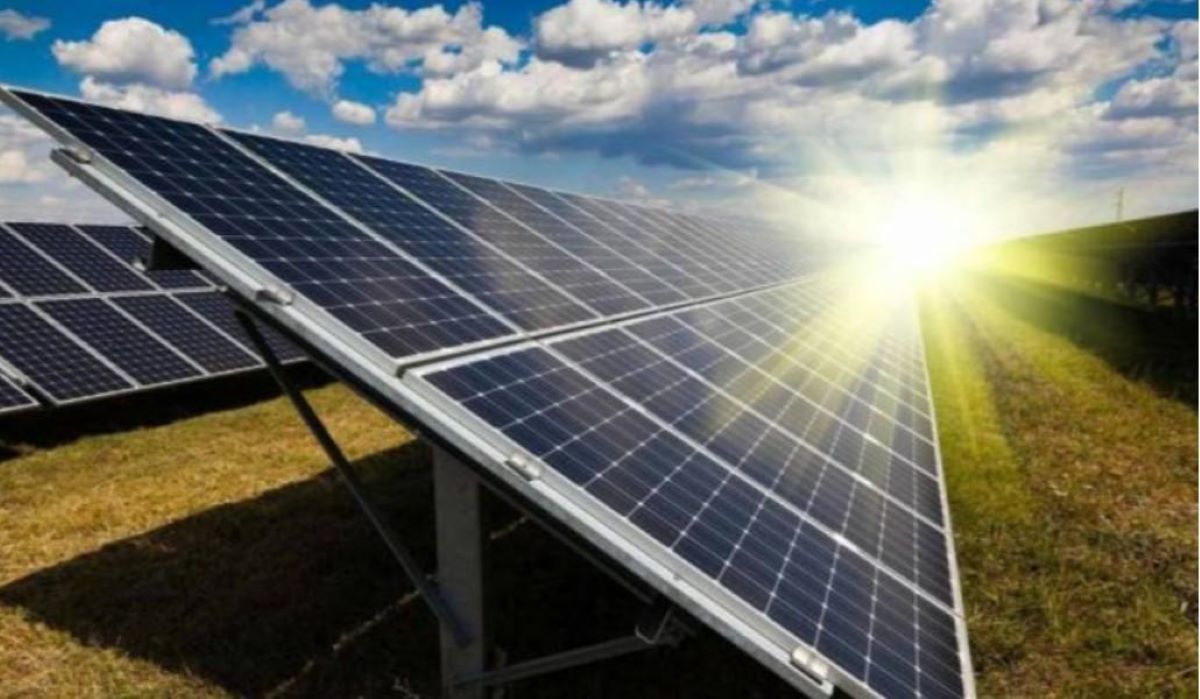
“The share of renewable energy in Armenia’s electricity production is planned to reach 50% by 2030, driven by the construction of solar power plants with a total capacity of approximately 1,000 megawatts.”
By 2040, this figure is set to increase to 60%, achievable through the construction of solar and wind power plants, each generating 500 megawatts of electricity.
Budaghyan highlighted the significant progress Armenia has made in diversifying its energy sector:
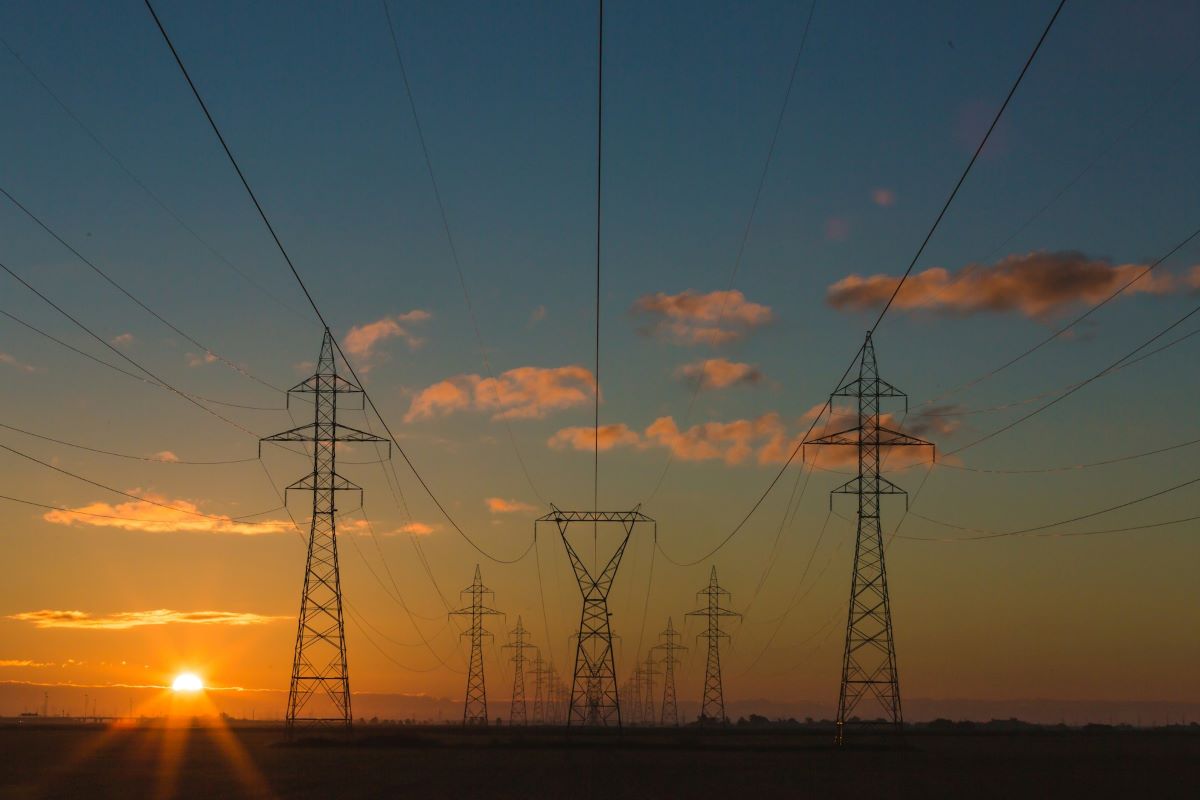
“This year, solar power plants will provide up to 12% of Armenia’s electricity output. Just a few years ago, they weren’t part of the system at all. Thanks to this shift, Armenia is expected to cut natural gas imports by 6% this year—a notable milestone with economic implications for the country.”
The expert is confident this progress can continue in the years ahead:
“Still, without advances in technology, Armenia will remain heavily reliant on natural gas until at least 2050.”
Budaghyan also pointed out that a significant share of natural gas in Armenia—25% of imports—is used to fuel private vehicles and public transport. He proposes addressing this issue by increasing the adoption of electric vehicles, which could be powered using electricity generated from renewable sources.
Energy efficiency at 40%
According to the head of the energy security program, households in Armenia consume 32% of the country’s electricity and 31% of its natural gas for domestic needs:
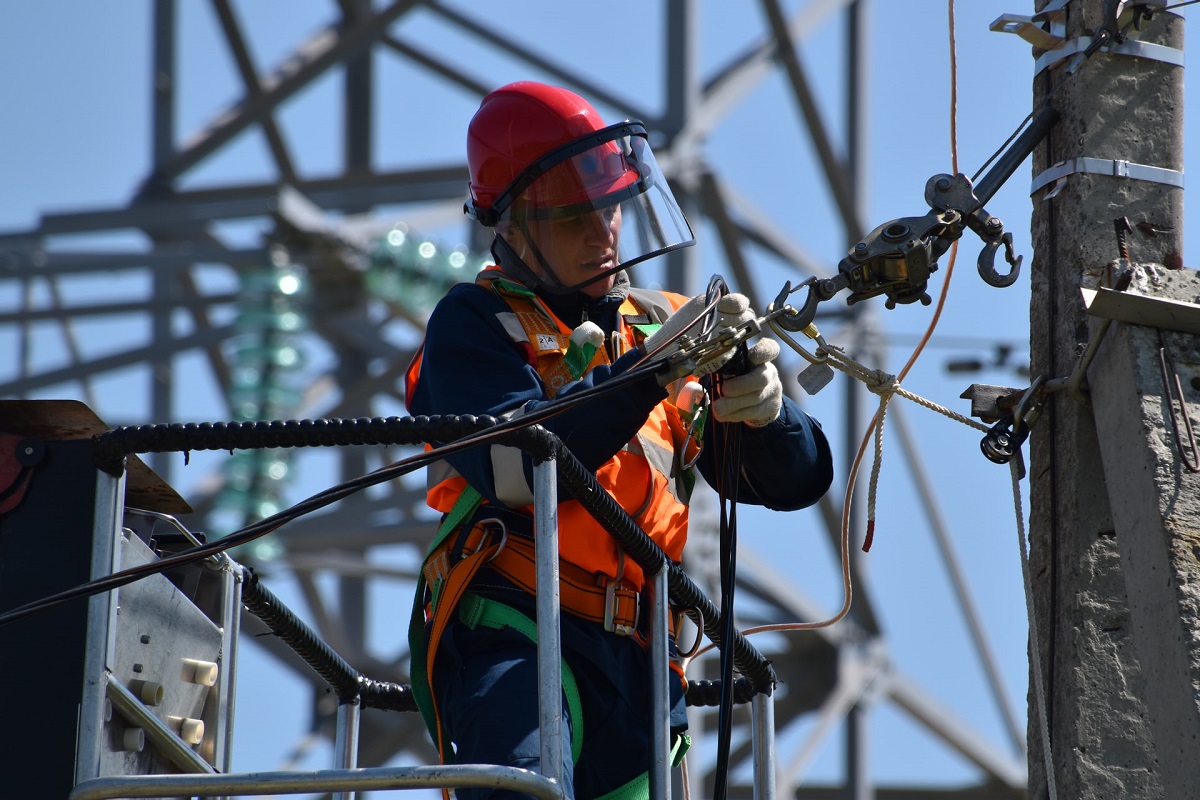
“These figures can be reduced through measures to promote energy conservation and efficiency, such as autonomous electricity and heating systems for buildings and improved thermal insulation.”
Abgar Budaghyan noted that their program has not specifically studied the level of energy savings among the population:
“However, previous research estimates the energy efficiency potential at the household level in Armenia to be around 40% This is largely because most older apartment buildings have low energy efficiency. Steps need to be taken to address this issue. We often assume there are no energy losses, but inspections with specialized equipment reveal significant heat loss during the winter due to poorly designed buildings.”
Armenia’s energy independence
A video showing police, including riot units, entering the Tbilisi State University (TSU) grounds minutes before dispersing peaceful protesters on the other side of the academic building at dawn on November 19 has sparked outrage among students and the public. The police allegedly used the university area to quietly cross to the other side and launch an offensive against peaceful protesters.
“Can someone explain to me why the riot police were using the university premises to plan the special operation? Where do I work? Am I the TSU lecturer or the MIA officer?” Lado Napetvaridze, a political science lecturer at TSU, wrote on social media.
Despite the growing backlash, university officials, including rector Jaba Samushia, have remained silent. Founded in 1918, TSU is one of the country’s oldest educational institutions, but it has long been accused of lacking independence under the current Georgian Dream (GD) government, which has struggled to quell waves of student resistance.
Georgia’s current Prime Minister, Irakli Kobakhidze, who taught at TSU’s law faculty, decided not to hold classes this semester after his heavily guarded Saturday lectures were met with student protest during the spring demonstrations against the Foreign Agents Law.
Now, weeks have passed since the October 26 elections, and students across Georgia have voiced their criticism of what they say were rigged elections. TSU however has not allowed its students to enter university premises to protest. But it allegedly opened its doors wide for the police to crack down on them.
“The university’s door is open to companies that rob people, to banks, as well as to political regimes, police, riot police, even if it means dispersing and intimidating its students,” the May Student Movement said in its statement. It accused the university administration and its rector Samushia of letting the police use the university grounds for police crackdown. The May Student Movement calls on them to resign.
Samusia has not yet commented on the matter. The university administration and the academic council have also remained silent. Only a few lecturers expressed their serious concern about the alleged use of academic spaces by the police to disperse citizens.
“Using TSU territory as a springboard for riot police to disperse peaceful protesters is a gross violation of all standards of academic social responsibility,” wrote Iago Kachkachishvili, the head of TSU’s Sociology Program, on social media, calling on Rector Samushia to clarify the incident.
“There is no place for police in the university,” the Dean of the Faculty of Social and Political Sciences, Salome Dundua, wrote on Facebook.
“Tbilisi State University has always been, is, and must remain the institute of transfer of knowledge, education, academic and research experience, and national values. What has happened, in fact, calls into question this purpose and these values and tarnishes its reputation,” she added.
The ongoing non-stop protests, now in their third consecutive day, organized by the opposition forces, with participation of youth, reclaimed the TSU area on the evening of November 19. The protesters plan to stay near the university for another night to peacefully protest the elections.
The news article will be updated if and when the University’s Academic Council and/or Rector Samushia respond to the matter.
For more updates, follow our election live blog.
Also Read: