
Day: November 14, 2024
Armenia proposes strategic peace deal
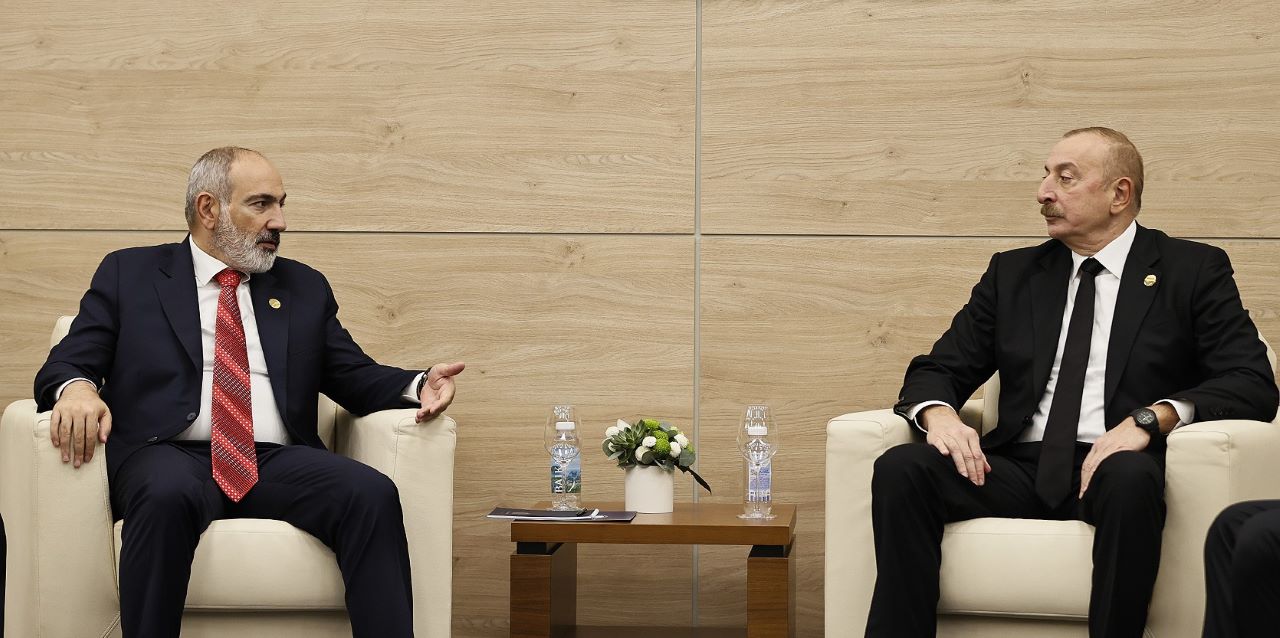
“For peaceful coexistence, Armenia and Azerbaijan need not only a peace treaty but also a strategic deal,” Armenian Prime Minister Nikol Pashinyan stated in parliament the day before.
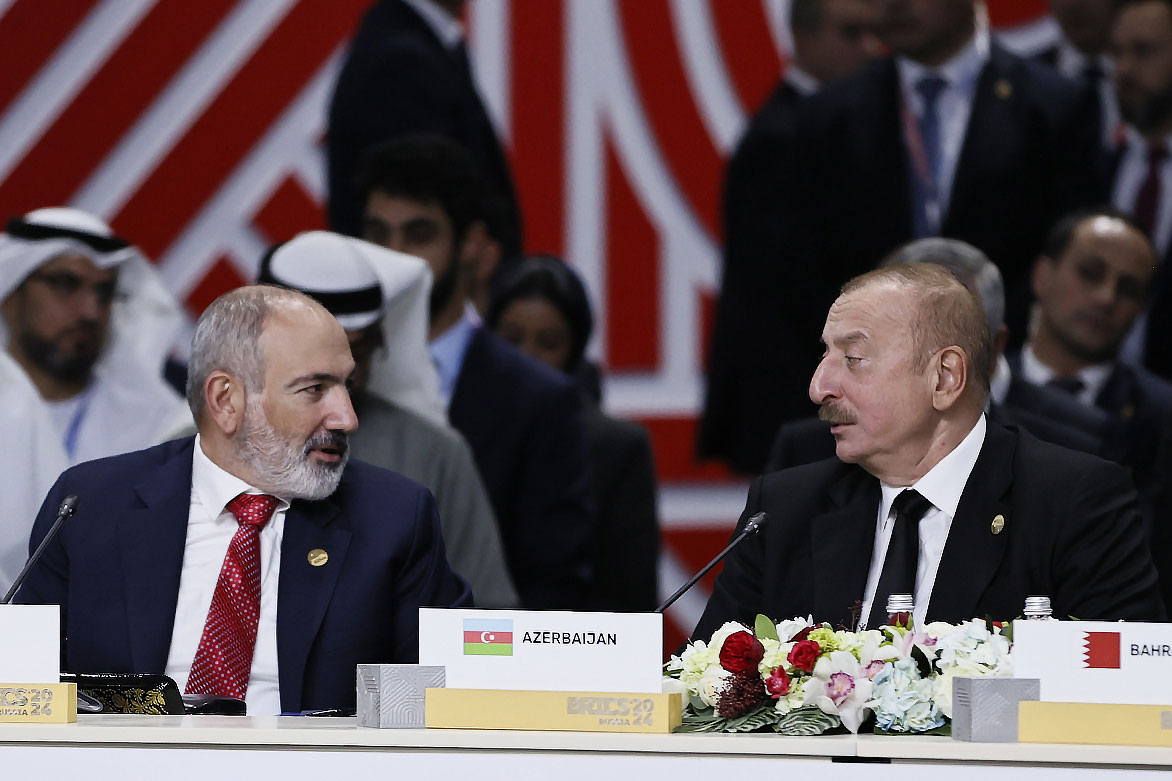
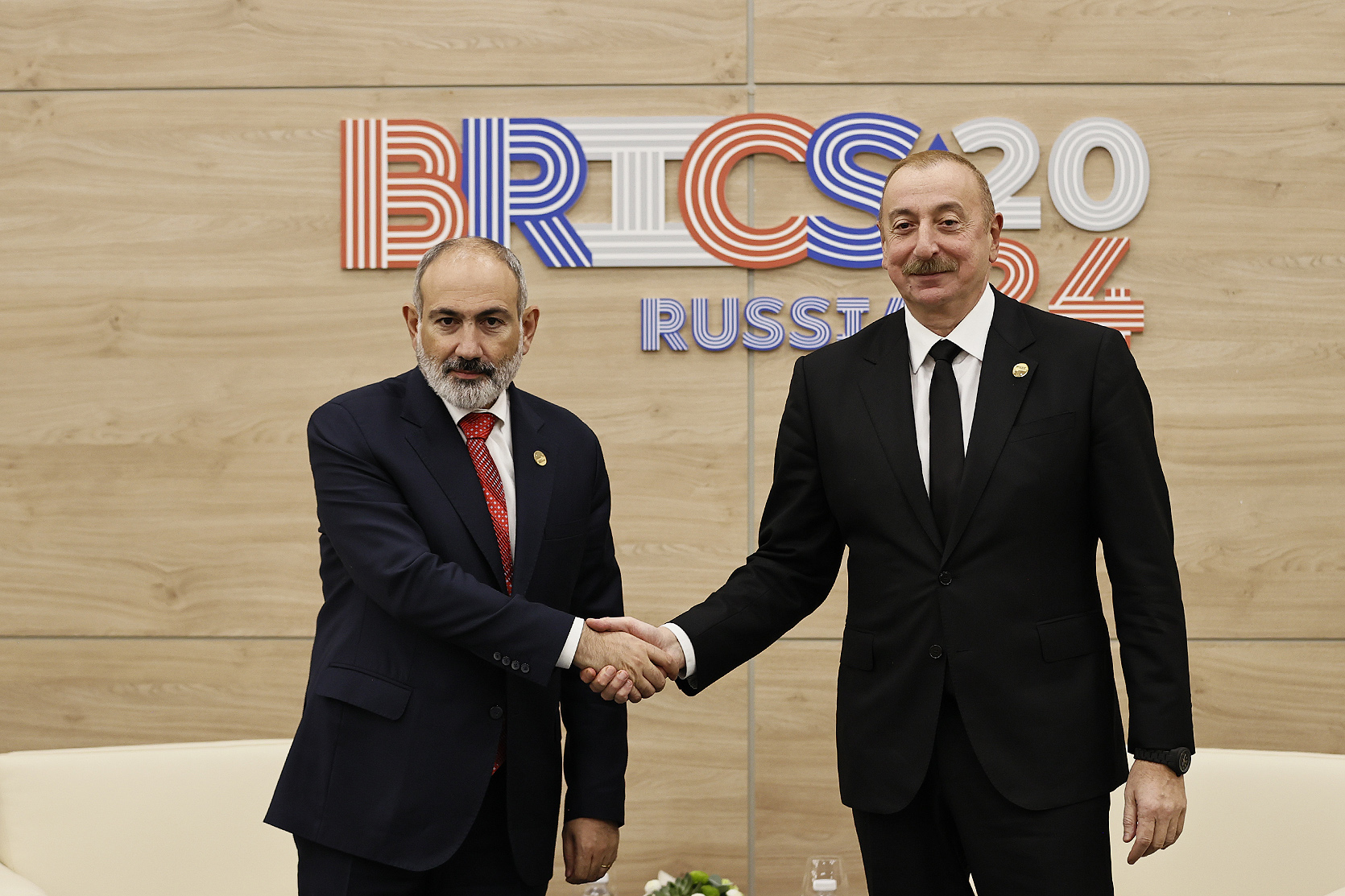
He revealed that this idea emerged during discussions with Azerbaijan’s president at the BRICS summit. Pashinyan described his communication with Ilham Aliyev positively. “We have not spoken this long, or perhaps ever before,” Pashinyan noted, though he did not disclose the specifics of the “strategic deal.”
Armenian authorities continually make constructive statements and proposals, says political scientist Lilit Dallakyan. However, Azerbaijan’s actions show it is uninterested in either a peace treaty or a “strategic deal.”
“Alongside the constantly updated list of demands on Armenia, Ilham Aliyev has created a group in the Milli Majlis to protect the rights of the ‘Western Azerbaijan’ community [referring to the return of Azerbaijanis to ‘Western Azerbaijan,’ meaning Armenia’s entire sovereign territory]. It must be understood and accepted that he does not intend to make peace with Armenia,” Dallakyan emphasized.
- “Armenia isn’t militarizing but raising cost of attacking it”: opinion
- “Unacceptable focus” and “Baseless claims” – the “dialogue” between Yerevan and Baku
- “Baku wants Yerevan to acknowledge its hegemony” – Armenian political analyst
“Armenia envisions strategic deal”
Pashinyan considers his conversation with Aliyev at BRICS significant and constructive:
“The main point, in my opinion, is that the following idea was voiced: Armenia and Azerbaijan not only need peace and various agreements for peaceful coexistence but, in my view, they also need a strategic deal. This deal should outline the principles by which we will live side-by-side as independent states for the coming centuries. This is the most important and fundamental issue.”
According to the Prime Minister, Armenia has a vision for this deal:
“Our understanding of a strategic deal is based on the principle of a ‘real Armenia’ [referring to Armenia’s territory of 29,743 square kilometers].”
“We can reach mutually acceptable solutions on reopening communications”
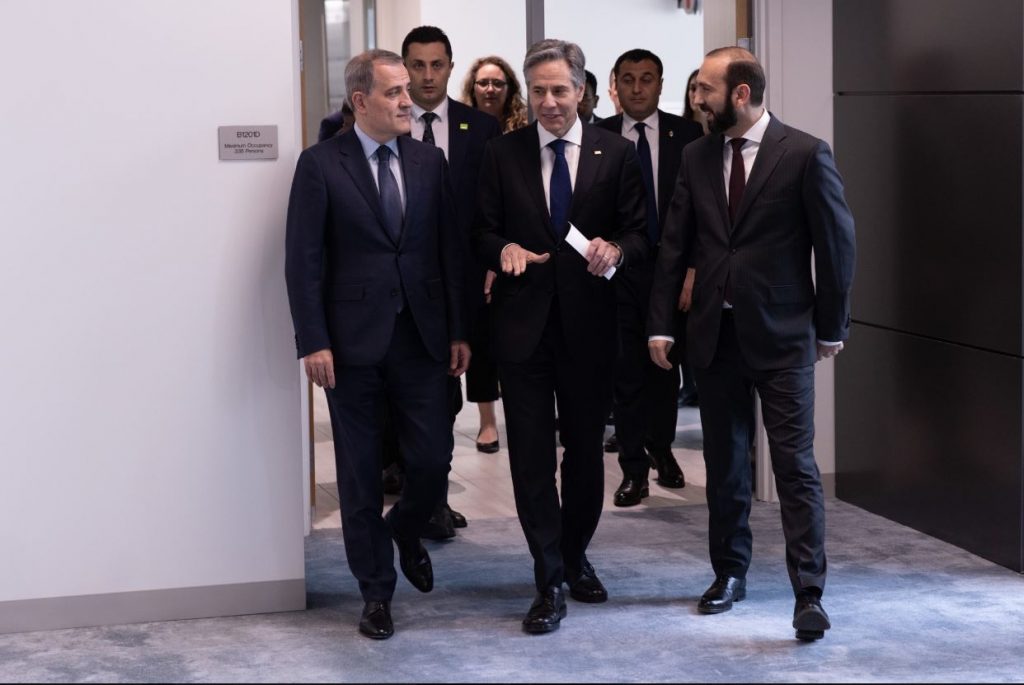
Pashinyan also addressed the issue of unblocking regional communications, noting he discussed this with Aliyev as well:
“Another important development in Kazan was that we might be close to a mutually acceptable solution for unblocking regional communications.”
The Prime Minister mentioned that Yerevan submitted its proposal on unblocking to Baku in document form.
“We are close to finalizing the peace agreement text”
Once again, the Armenian Prime Minister announced that the sides are close to finalizing the peace agreement text. Yerevan received Azerbaijan’s response to the 11th draft on November 5.
“We submitted our proposals on the two remaining [unagreed] articles of the peace agreement to Azerbaijan on Monday,” Pashinyan said.
Previously, it was mentioned that the agreement contained 17 points, of which 13 were fully agreed upon, three partially. There is one provision on which the sides failed to reach a compromise. Last week, Baku leaked the unresolved points of agreement. Azerbaijani expert Farid Shafiyev, head of a think tank funded by Aliyev’s administration, wrote on his X page that the following demands to Armenia remain unresolved:
- Amendment of Armenia’s constitution;
- Absence of foreign forces on the Armenia-Azerbaijan border (i.e., the EU’s civilian observation mission);
- Cessation of legal and diplomatic disputes in international bodies.
Armenia did not comment on the “leak,” but the Prime Minister and Foreign Minister stated the need to agree on two, not three provisions.
During the government hour in parliament, Foreign Minister Ararat Mirzoyan informed deputies that “two articles” remain to be agreed upon. He noted that work in this direction continues “more intensively than before, and in a more constructive atmosphere.”
Political commentator Lillit Dallakyan
Nikol Pashinyan used incorrect terminology. A “strategic deal” can only be made between allies, says political commentator Lilit Dallakyan.
“In the case of Armenia and Azerbaijan, we can only speak of ‘mutually beneficial conditions,’ nothing more.It is hard to say what kind of deal the Prime Minister was referring to. Perhaps he meant that there should be mechanisms for mutual arms acquisition limits. Simply put, he may have been referring to mechanisms that would allow us to understand whether Azerbaijan continues to arm itself tenfold more than we do, and what its intentions are,” Dallakyan told JAMnews.
Regarding the unblocking of communications, Dallakyan notes that Baku rejected Yerevan’s proposals for using roads both under Armenia’s jurisdiction and under private company control.
The expert is unsure what the Prime Minister meant by “mutually acceptable solutions.” However, she believes that progress in this matter may be influenced by the positions of geopolitical centers, particularly:
- Trump’s policies and potential economic sanctions against China;
- the weakening or strengthening of Russia’s position in Ukraine;
- the alignment or divergence of interests among Russia, Iran, and Turkey.
When asked which of the unagreed provisions of the peace treaty Armenia and Azerbaijan reached a compromise on, and why Yerevan speaks of two instead of three unagreed articles, Dallakyan responded:
“I do not rule out that Pashinyan may find it acceptable to compromise on the provision regarding the presence of third countries on Armenia’s border. If such a decision is made, it will lead to Armenia’s capitulation. The fragile peace that exists now is not the result of the November 9 document or our CSTO membership [referring to the Russia-brokered document and the Russia-led military bloc], but the presence of EU observers on the border with Azerbaijan.”
Lilit Dallakyan believes that, despite recent statements, Yerevan and Baku’s positions on the peace process diverge.
“No matter how much it is said that we are close to signing an agreement, allegedly 95 percent agreed. Time shows there is no consensus on critical issues.”
Moreover, Dallakyan believes that Armenia’s authorities should not constantly declare their readiness for peace:
“This weakens Armenia’s position. Once you’ve said, ‘We are ready,’ that’s enough. Otherwise, it looks like we are begging, pleading for peace. Can peace be achieved in this way? Certainly not. And the government itself admits that an attack by Azerbaijan on Armenia after COP29 is possible.”
Armenia proposes strategic peace deal
Minister of Transport and Infrastructure Abdulkadir Uraloğlu, in his statement at the AI In The Sky event, stated that they use domestic and national software and devices in flight operations and said, “With our first domestic and national Interactive Radar Analysis and Data Screen (İRADE), we have established a system that collects current meteorological data, ATIS information, notams, AIP and radar images of the airport on a single screen and presents them to the user.
ECHR rules on Azerbaijan violations
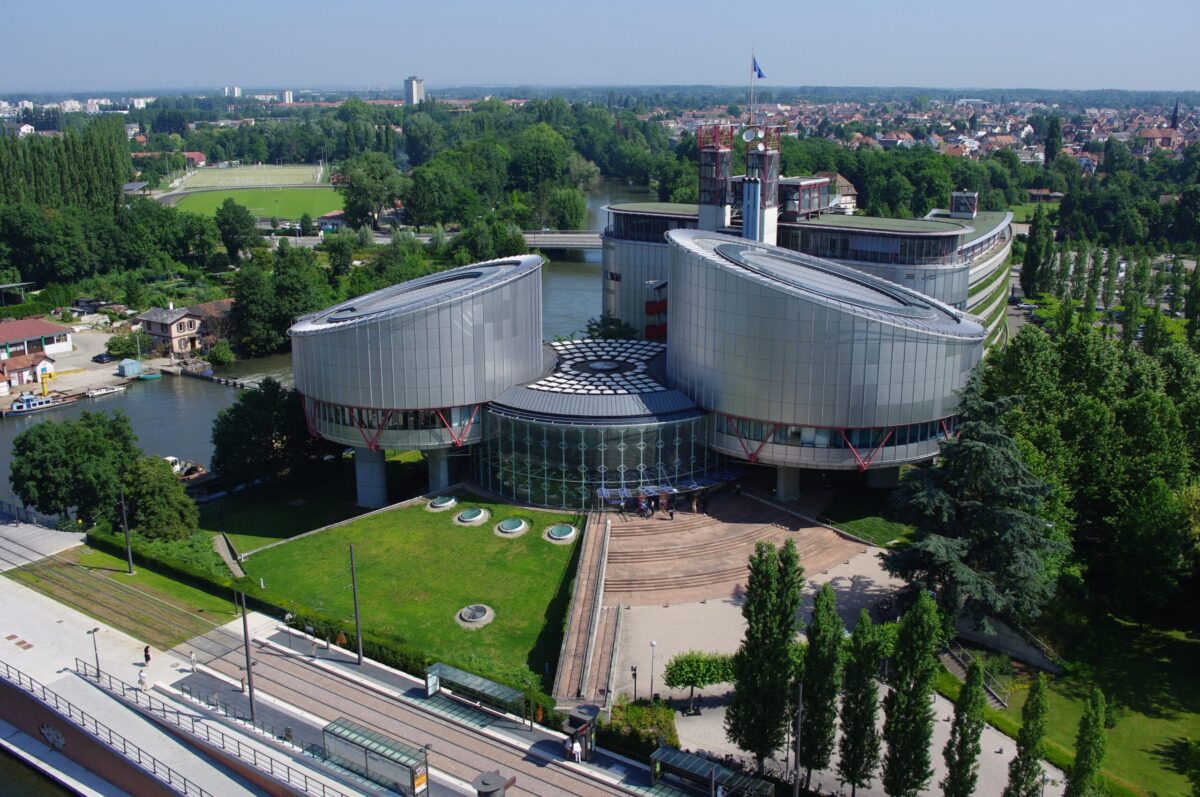
The European Court of Human Rights (ECHR) announced five new rulings and decisions concerning Azerbaijan on November 14. All rulings across ten applications include compensation for the applicants, with the Azerbaijani government fined over €33,500. Among the applicants are well-known opposition figures.
- Georgia’s election fraud evidence at risk, claims opposition leader
- Armenia’s 2025 budget: PM emphasizes citizen responsibility amid push for security, growth
- COP29 in Baku: Aliyev urges climate aid, slams France’s ‘colonial record’
Afgan Mammadov v. Azerbaijan
Afgan Mammadov filed a complaint with the ECHR in 2013 after he was expelled from the Bar Association. He had reported another lawyer for alleged corruption and abuse of office, accusing him of selling lawyer’s orders to investigative bodies. Following this, a disciplinary case was initiated against Mammadov himself.
The applicant questioned the legality of the Bar’s decision and refused to attend the disciplinary hearing. The Bar concluded that Mammadov’s actions were incompatible with professional ethics and expelled him. Mammadov challenged this decision in court, but the local courts ruled against him.
He then turned to the ECHR, citing Article 10 of the Convention (freedom of expression) and argued that the disciplinary proceedings and his expulsion violated his rights. Under Article 46 of the Convention, he requested reinstatement to the Bar.
The ECHR found a violation of his right to freedom of expression and awarded him €5,000 in non-pecuniary damages and €1,000 in legal costs.
As for his reinstatement request, the Court referred this matter to the Committee of Ministers of the Council of Europe, which oversees the implementation of ECHR decisions.
Ali Karimli et al. v. Azerbaijan
This case relates to the denial of permission to hold a peaceful march in December 2018, from Huseyn Javid Park to the parliament building in Baku. The applicants, including Ali Karimli, Chairman of the Azerbaijan Popular Front Party (APFP), and four other opposition party members, claimed that the ban on their peaceful assembly violated their right to freedom of assembly, protected by Article 11 of the Convention.
The ECHR recognized that the interference with their freedom of assembly violated Article 11 of the Convention. The Court awarded each applicant €1,500 in moral damages and €250 in legal expenses.
Tofig Yagublu et al. v. Azerbaijan
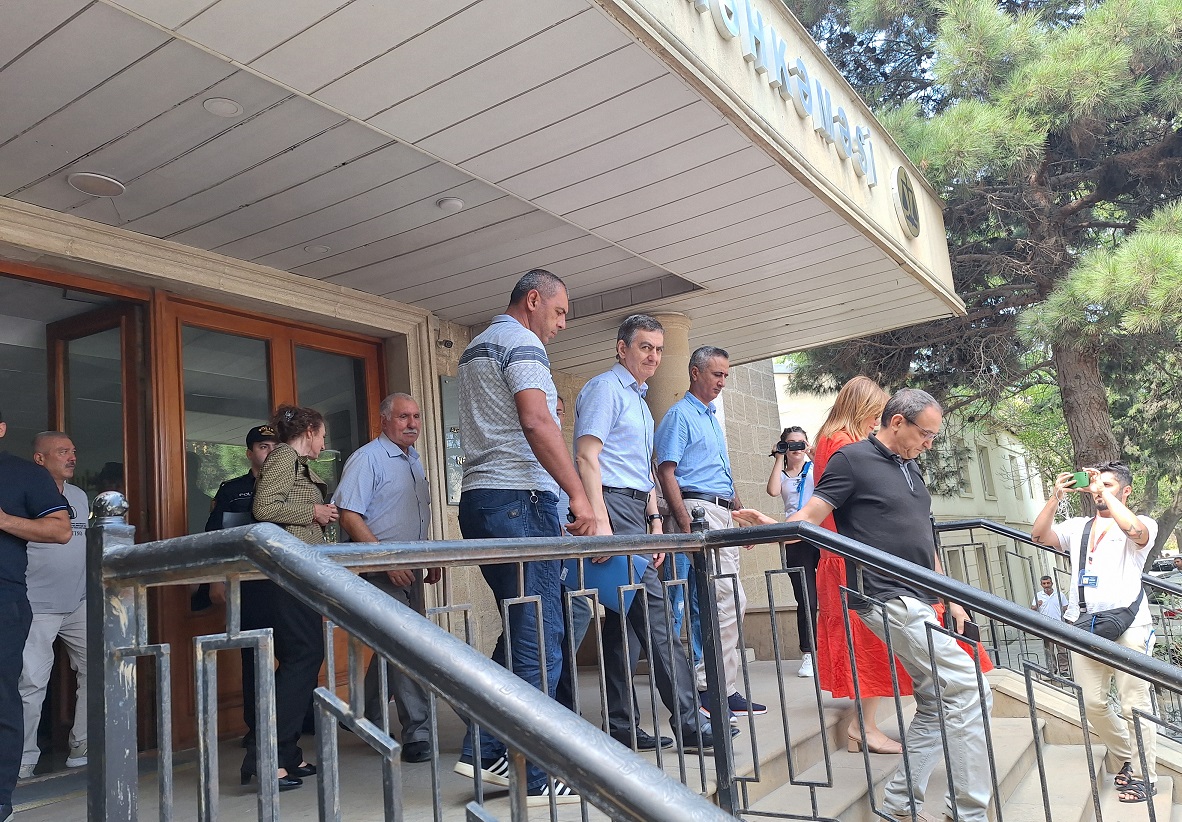
This case concerns the use of unlawful and disproportionate force against participants in a peaceful protest in October 2019. The applicants complained of unfair administrative punishment.
The protest, organized by the National Council of Democratic Forces in October 2019, saw dozens of participants detained with excessive force. Tofig Yagublu was subjected to 30 days of administrative detention and police violence for his participation.
Tofig Yagublu is currently imprisoned on charges of fraud, forgery, and use of forged documents following his arrest in December 2023. He denies all charges, considering his arrest politically motivated.
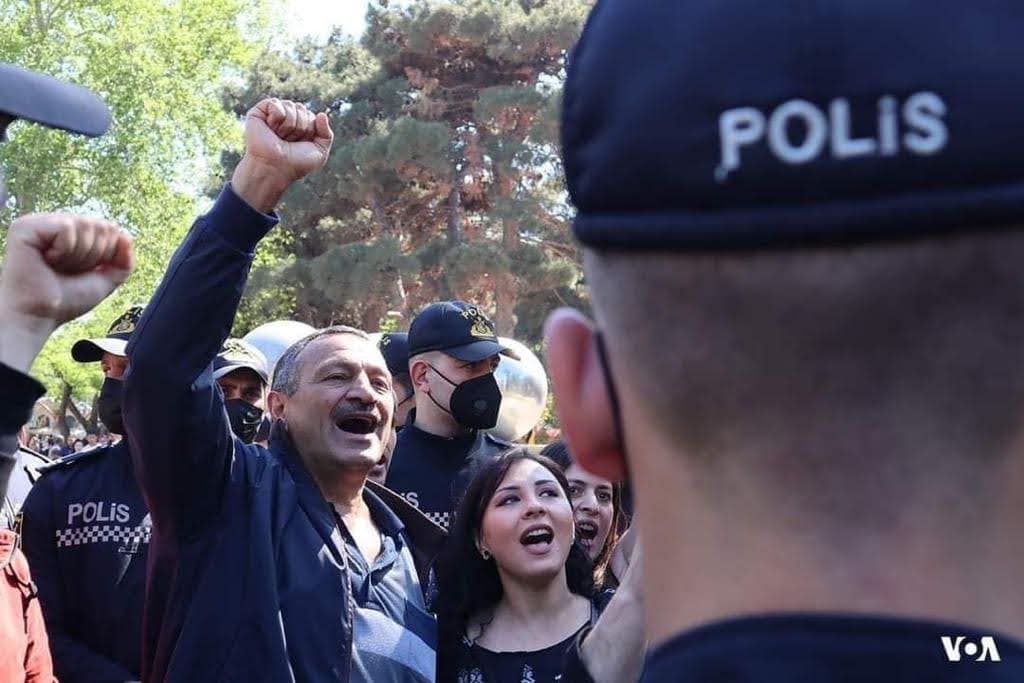
Various local and international human rights organizations have declared him a political prisoner. In the communications for Yagublu and others’ applications, the Azerbaijani government admitted to alleged violations through a unilateral declaration and offered compensation.
According to the ECHR decision, the government must pay €3,500 to Tofig Yagublu for the first application and €2,340 each to Tofig Yagublu, Fuad Kahramanli, Razim Amiraslanli, and Goshgar Nuraliev for the second application. Additionally, each applicant is to receive €225 in legal costs for each application.
Rahim Valiyev, Yusif Garayev v. Azerbaijan
This case involves the applicants’ administrative detention and subsequent sentencing. Local courts rejected their complaints regarding the unlawfulness of the administrative proceedings.
Valiyev and Garayev argue that they were unlawfully detained and sentenced without grounds.
The ECHR found a violation of their right to a fair trial and awarded each applicant €1,250 for moral damages, costs, and expenses.
Vugar Rizali v. Azerbaijan
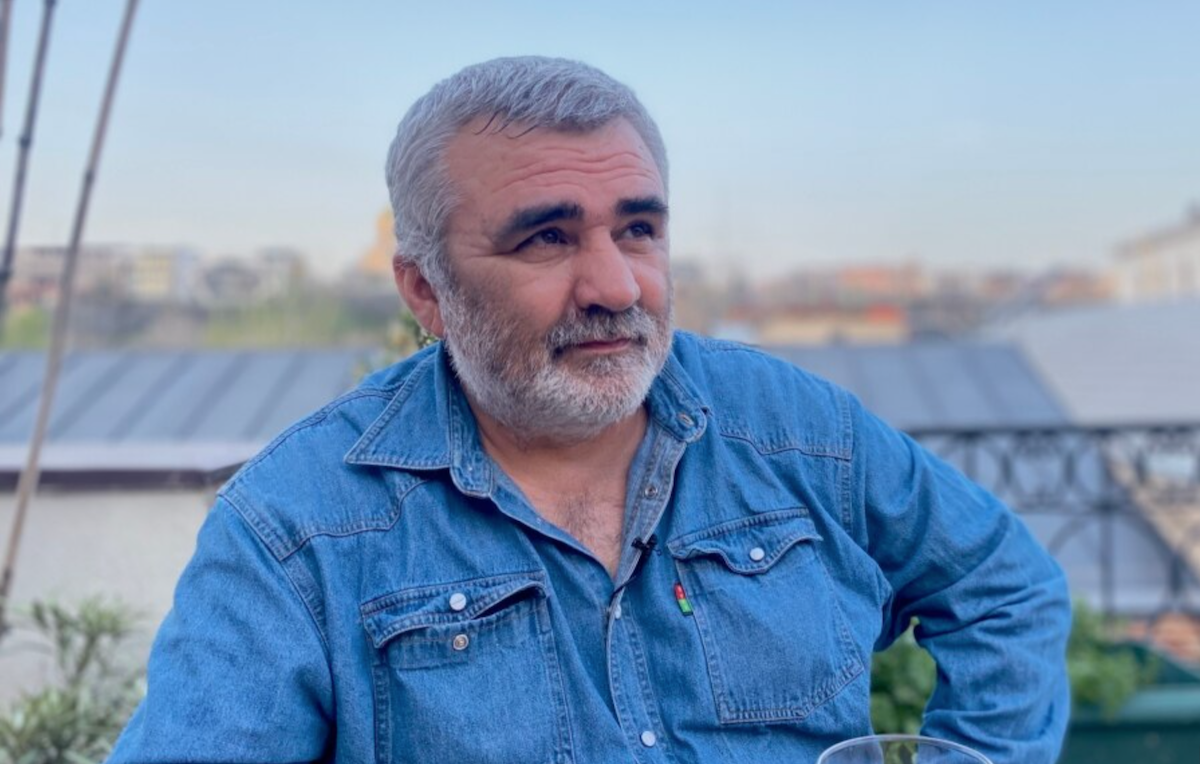
This case concerns the administrative arrest of Vugar Rizali under Article 535.
1 of the Code of Administrative Offenses for “non-compliance with a lawful police order.”
According to the case details, Rizali was summoned to the police station for allegedly insulting high-ranking police officers in his Facebook posts. He was charged with disobeying a police order because he did not appear at the station accompanied by police officers.
The Jalilabad District Court sentenced Rizali to 20 days of administrative detention on July 12, 2018. The Shirvan Court of Appeal upheld the lower court’s decision.
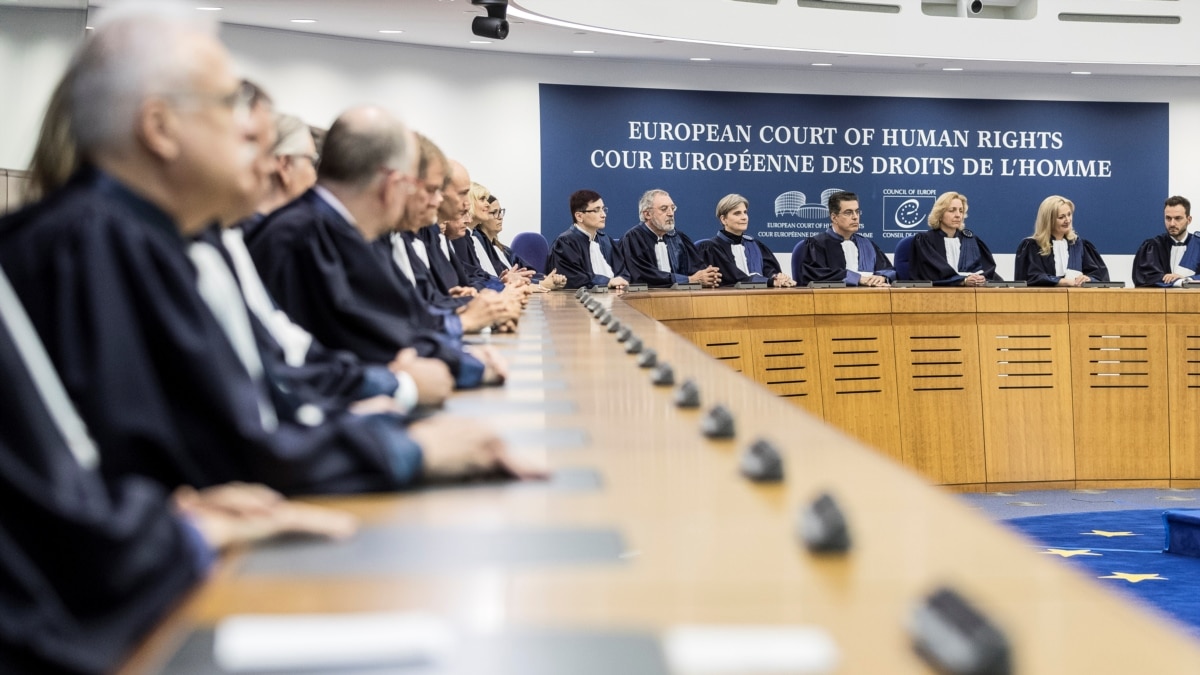
Citing Articles 5, 6, and 10 of the Convention, the applicant complained to the ECHR of an unfair trial in local courts and a violation of his right to freedom of expression.
During the proceedings, the parties reached a settlement. Under the settlement decision, the government must pay the applicant €2,500 in compensation for moral damages and legal expenses.
ECHR rules on Azerbaijan violations