
Day: November 13, 2024
Academic education in Armenia
The Armenian social media landscape is filled with offers for various courses, educational programs, and online workshops. Each advertisement promises that upon completing these courses, participants will acquire skills that make them competitive in the job market. Typically, these programs are also more financially accessible compared to academic education. However, there is no research available to assess their quality; each offering can only be evaluated based on feedback from previous participants.
This situation is a result of recent changes in the educational sphere. The higher education system in Armenia faces an urgent challenge: it must now equip students with knowledge that aligns with labor market demands, the new pace of life, and technological advancements.
Education is no longer confined by borders, and knowledge worldwide has become more accessible. This appears to be one reason why, year after year, the number of applicants to universities in Armenia continues to decline.
- Thousands of vacant university spots in Armenia: What’s the issue and what needs to change?
- “Investments are needed for the ‘resuscitation’ of education in Armenia” – teachers and experts
- Mentoring schools in Armenia: helping remote and borderline villages
Studying job market before choosing a profession
Karen earned a degree from Yerevan State University’s Faculty of Economics. He worked in banking but found that his expectations and rate of personal growth weren’t being met, so he decided to pursue a new specialization.
“Economics, finance, and banking have interested me since childhood. I never doubted that I would get a degree and work in these fields. However, as I later realized, in Armenia, this field is rather overvalued, and the actual job market for qualified professionals is quite limited,” says Karen.
He believes that before choosing a career, it’s essential to research the job market instead of relying on advice from friends and family.
“It’s important that schools also guide high school students in this regard. Perhaps schools could invite various professionals, HR specialists, and representatives from employment agencies to introduce students to different fields,” he adds.
Karen doesn’t regret the quality of education he received at university, though he feels it now requires more depth.
“It’s necessary to continually improve one’s qualifications and acquire the latest information in one’s field. Online courses are especially popular now, but I prefer self-education.”
After seven years in banking, Karen began studying data science. He completed a top-tier remote learning program in the field, submitted a research paper, and is now taking his first steps with an international tech company.
“It’s very risky to change careers when you already have one and are earning a good salary. But I found it more important to pursue growth, innovation, true self-realization, and a constant connection with the outside world,” he explains.
In his view, three-month courses are insufficient to become a skilled professional.
“Such courses can provide orientation, but not the tools. You can’t become a data analyst with just good English and some math skills. You also need to study economics, sociology, philosophy, and much more.”
University education fails to attract youth
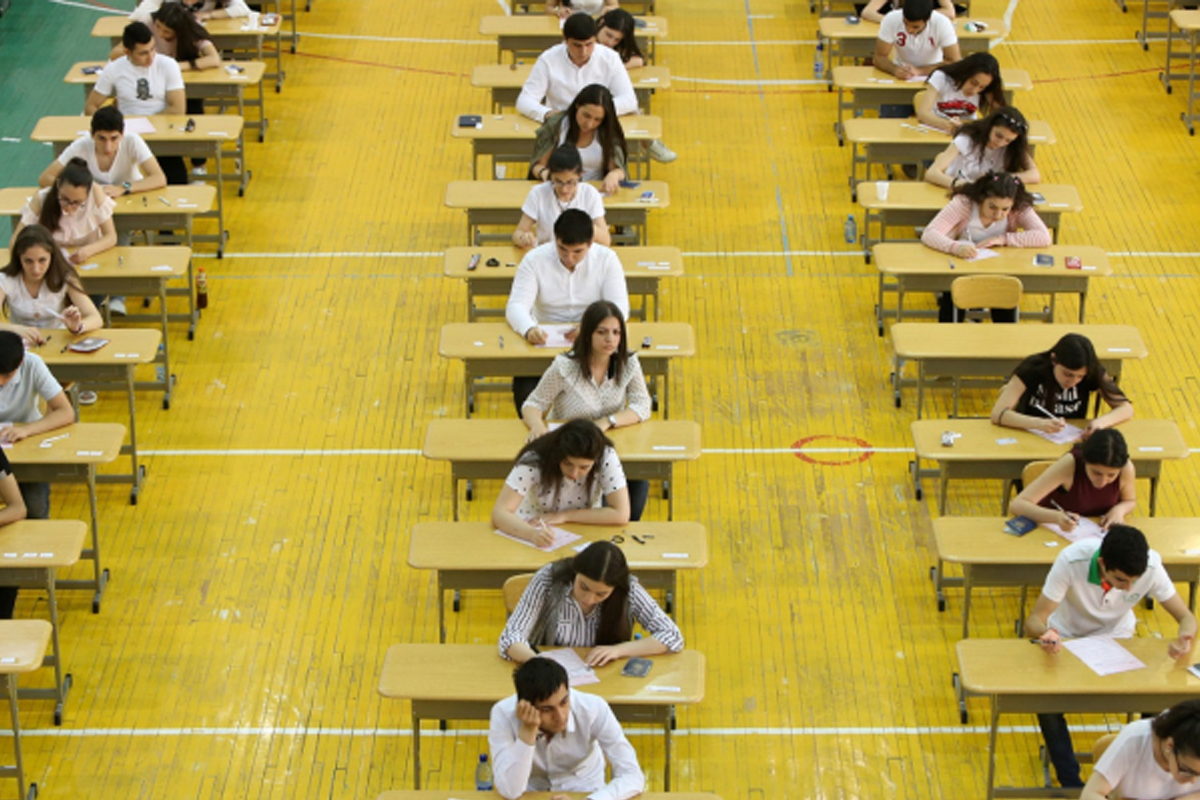
Year after year, fewer young people in Armenia are interested in pursuing university education. Many don’t want to spend four or more years and significant amounts of money on academic studies.
Instead, many opt for vocational education, followed by skills training courses, so they can start working sooner. This path allows them to gain independence earlier and even support their families.
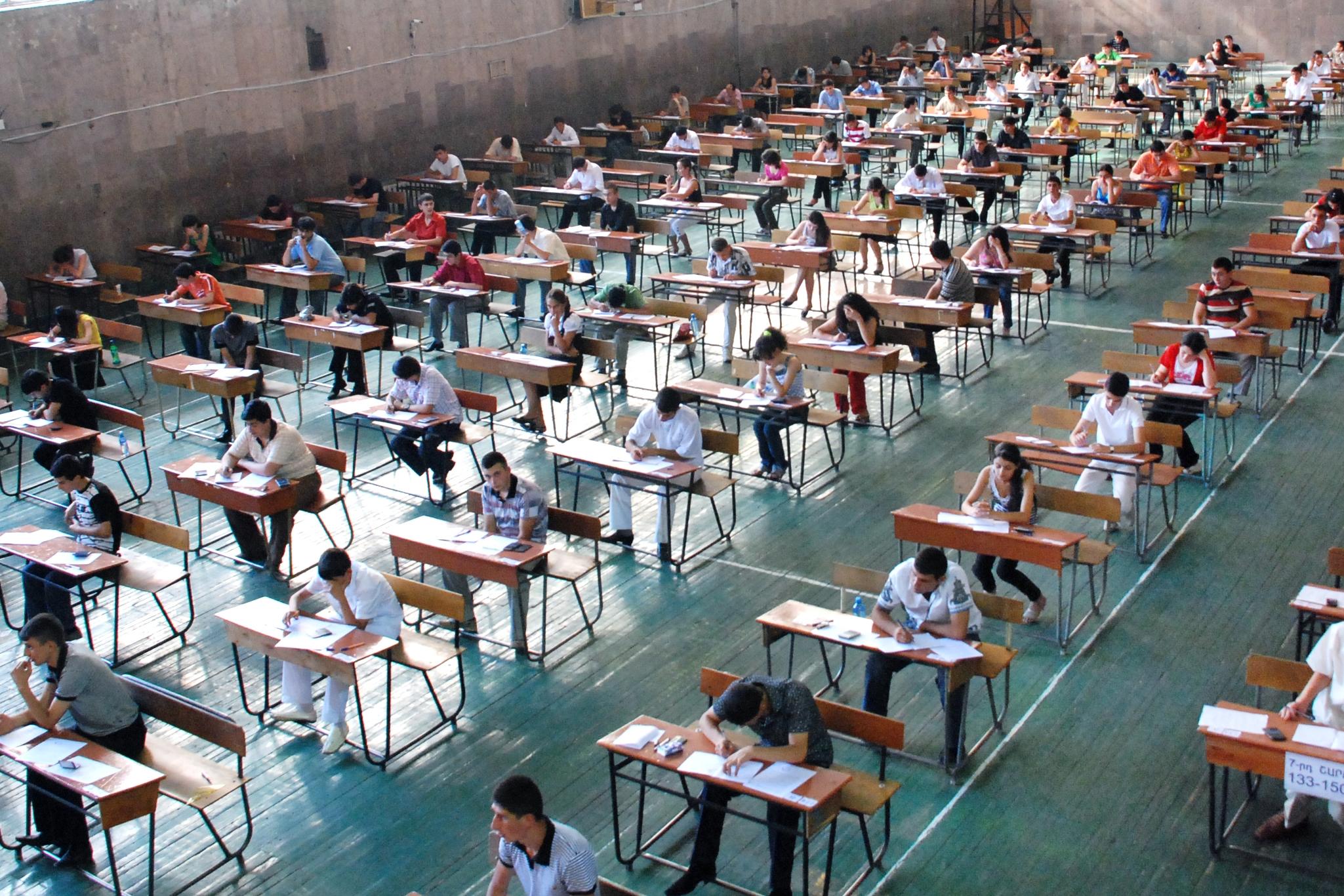
This year, more than 5,000 university seats allocated across Armenia remained vacant after entrance exams. Universities had anticipated around 16,000 students, yet over 30 percent of available spots were unfilled. For some fields of study, there were no applicants at all.
Crisis in academic education
Misha Tadevosyan, a candidate of pedagogical sciences, observes that the concept of academic education and traditional approaches worldwide, including in Armenia, are currently in crisis. He attributes this to the accessibility of education, alongside technological progress and changes in human social dynamics and learning approaches.
“In the 21st century, the diversity of information sources has diminished the need for traditional university settings. Now, a person can access the knowledge they need from anywhere in the world. Leading international universities are rethinking their programs and organizational principles to meet the challenges of the era,” he explains.
Tadevosyan believes a deeper cause lies in the shift in modern society’s perception of education and learning methods.
“Changes have occurred that the academic system largely hasn’t addressed, continuing to offer methodological knowledge based on educational models developed in the 19th and 20th centuries,” he adds.
Regarding short-term courses, Tadevosyan points out that these typically provide only fundamental knowledge and tools in specific areas or aspects of a field.
“Their necessity arose from the inflexibility of the university system, which couldn’t adapt educational programs to meet labor market demands. As a result, for certain professions and specializations needed in today’s market, formal education is unavailable,” he explains.
Short-term courses provide an initial understanding of a specialty rather than deep expertise, Tadevosyan notes, warning that:
“This approach can negatively impact young people’s long-term career orientation, work experience, mastery of their field, and other factors.”
At the same time, he sees alternative education as a potential opportunity, offering a more flexible and individualized approach than the traditional educational system.
“This form of education allows individuals to realize their inner potential and talents, free from the limitations of a standardized, uniform system,” he adds.
On the topic of changes in Armenia’s educational system, Tadevosyan is convinced that solutions must address issues holistically rather than in isolated areas.
“Today, we see progress in integrating technology into education, creating new types of textbooks, and retraining teachers. These require significant efforts from all participants, from students to the governing bodies making decisions.”
If these changes are fully implemented, Tadevosyan expects the educational system to become more effective, diversified, and aligned with modern demands, which, in turn, could drive Armenia’s economic development.

Follow us – Twitter | Facebook | Instagram
Academic education in Armenia


