
Day: November 9, 2024
For years, ethnic Georgians from the town of Gali and its district, in occupied Abkhazia have faced obstacles to voting in Georgian elections, and the recent parliamentary elections on 26 October were no exception. Gali is the district populated by ethnic Georgians and is adjacent to the occupation line that separates Abkhazia from the rest of Georgia.
About the author: Lela Jobava is a conflict researcher and journalist
Georgia’s recent parliamentary elections, held on October 26, have drawn considerable international attention. Some foreign governments, like Hungarian, Turkish, Iranian, and even Venezuelan, favouring the ruling Georgian Dream party, congratulated them on a “well-deserved victory.”
Although some foreign governments congratulated the ruling Georgian Dream party on its win, international observers reported widespread irregularities and violations, media bias, and voter intimidation, raising concerns about whether the elections were free and fair. According to the results announced by the Central Election Commission, Georgian Dream secured over 53% of the vote, but local and international monitoring groups cited numerous irregularities.
Despite the fundamental right to vote, thousands of ethnic Georgians in Abkhazia remain barred from political participation. During the elections, crossing the de-facto border is nearly impossible, and no online voting options exist. Residents in Gali and surrounding areas find themselves isolated from the very system that should represent them. In conversations with me, residents of Gali and its district expressed feelings of abandonment. What does voting mean to these disenfranchised citizens?
2024 Elections
I sought to explore the voices and sentiments of Georgians from Abkhazia, examining the dynamics of mobilization of voters during Georgia’s 2024 elections. A 55-year-old woman from Gali recalled, that she vividly remembers that the last time she and her husband was in 2012. They voted in Zugdidi because that was their temporary address. It was the time when the Georgian Dream party first appeared on the political scene, and they had high hopes that many positive changes were in store. “My husband was skeptical about the party founded by the oligarch, while I was sure that the promises it made would put Georgia in a good position, and that it would also be beneficial for Georgians from Abkhazia. But all in vain”.
Her 60-year-old husband said that after the end of the war in Abkhazia, there was not a single person or political party that would put Georgian-Abkhazian or Georgian-Ossetian issues first. He mentioned that he was not only referring to the Georgian Dream, but that none of the other political parties had ever initiated anything that would transform this conflict, or at least ensure the minimal political participation of the ethnic Georgians. In Abkhazia, as ethnic Georgians, they have a residence permit that denies them the right to participate in the elections. “Tell me what is the difference between the Abkhazian and Georgian authorities, while here they deliberately deprive us of the right to participate in the elections on an ethnic basis, and on the Georgian side no one has asked us about our opinion, our political involvement or the right to take part in the elections.”
Unlike them, a 47 year-old man from the village of Saberio, had no hope or desire to vote in the elections. “For me, it doesn’t matter, who is elected. Nothing will change for us,” he said.
Without a Right to Vote
Conflicts and human rights researcher Teona Piranishvili at the Social Justice Center (SJC) explains, Georgians from Abkhazia are not only deprived of basic human rights, but are also not viewed as part and as citizens of Georgia. In her words, Georgians not only face multiple challenges in terms of human rights, mobility, and documentation within Abkhazia, but are “forgotten” by Georgian politics. She notes that Georgian politicians only bring up Abkhazia in “populist speeches about lost territories” and rarely focus on real issues such as securing human rights. The 2024 elections, she says, were no exception— “not a word” was said about the inclusion of Georgians from Abkhazia. “No one thought of 27,000 ethnic Georgians residing in Abkhazia,” says Piranishvili.
A 42-year-old resident of Otobaia village, which lies on the occupation line between Abkhazia and Samegrelo regions, shared her frustration at feeling forgotten by Georgian authorities, yet noted the yearly presence of individuals mobilizing villagers to vote for the Georgian Dream. “Everyone, including me, was shocked,” she said. “How could Georgian Dream ideologically “cross the border” to rally votes here in Abkhazia?” She was approached to help with election day logistics, including transportation to Zugdidi, where voters received small payments of GEL 20-30 and bags of potatoes and onions, but she rejected this offer.
She explained that while other citizens faced obstacles, Otobaia residents voting for the Georgian Dream were seemingly on a list kept by the Abkhazian and Russian border police, who allowed them to cross the otherwise “closed” crossing point to cast their votes in Zugdidi without interference.
Ilia State University professor and conflict researcher Malkhaz Toria shares Piranishvili’s view, emphasizing the lack of political commitment to integrating people from Gali into Georgia’s civic life. “People in Abkhazia face double exclusion—not only from voting but also from understanding the value of voting,” he says. Toria points out that while many in Abkhazia are isolated from Georgian politics, only half of Georgian population participated in the election. He attributes this, in part, to systemic issues like border closures, lack of transportation, and minimal information about voting locations and procedures — problems largely unaddressed outside of NGOs and civil society organizations.
Obstacles
Recent research by the SJC on the issue, soon to be published and seen by the author, has identified the following circumstances and obstacles to the participation of Georgians from Abkhazia in the elections:
- The crossing points closure for several days before and after the elections, which impedes the movement of people across the border, not allowing them to reach their election districts;
- Absence of the discourse regarding the votes of Georgians from Abkhazia. In recent years, none of the parties have come up with an idea on how to ease the process of voting for people who cannot cross the border by creating an online platform or election precincts near the Enguri Bridge on the Georgian side;
- No information campaigns aimed at Georgians from Abkhazia to inform them about the electoral process. Their only source of information is the mass media and the Internet.
A resident of Zemo Barghepi village, a 30 years-old man, mentioned, that the last time the border was closed from 23 to 30 October. This makes it even more difficult for people, to leave their houses for a week, because they don’t have the means, a place to stay, or simply because they are afraid to leave their homes for such a long time for security reasons. “The only ones who benefit from this.. are Georgian Dream, but other parties should be conscious and cautious about it too,” he noted, adding that the authorities seem to know that many Georgians from Abkhazia wouldn’t support them, as they feel forgotten by the government.
Reflecting on the lost trust, he recounted experience of the 2021 pandemic, when residents pleaded with Georgian authorities to open the crossing points for essential needs. “People were starving and needed medical help, but they kept the two-week quarantine in place, casing some to risk—and lose their lives crossing the Enguri river,” he said.
Several Gali residents studying in Tbilisi echoed feelings of exclusion from Georgian politics. A 22-year-old law student at Tbilisi State University expressed her frustration at her family’s inability to vote. “I often wonder, where do all of these 27,000 votes go? Why are they so unimportant to policymakers?” she questioned, highlighting that thissizeable group could influence the outcome of elections.
She also pointed to the overlooked resilience of the people of Gali: “No one sees us as a bridge uniting Abkhazians and Georgians, or as potential reconcilers. What we lack is political will.
Disillusionment
While debates about the fairness of the elections continue, political actors in Georgia have failed to address these injustices, leaving a population feeling forgotten and disillusioned. Living in a conflict-ridden region, these people have faced countless challenges. For years, they’ve been denied the right to vote, whether through closed crossing points or a lack of support from the Georgian authorities. They want their voices to be heard, their votes to be counted and their concerns to be understood – just like any other citizen.
“This isn’t just about politics – it’s a basic human right. Voting should be easy and accessible, not a privilege for those lucky enough to live on one side of a border,” says Toria.
Names in this article have been changed to protect the safety of the respondents.
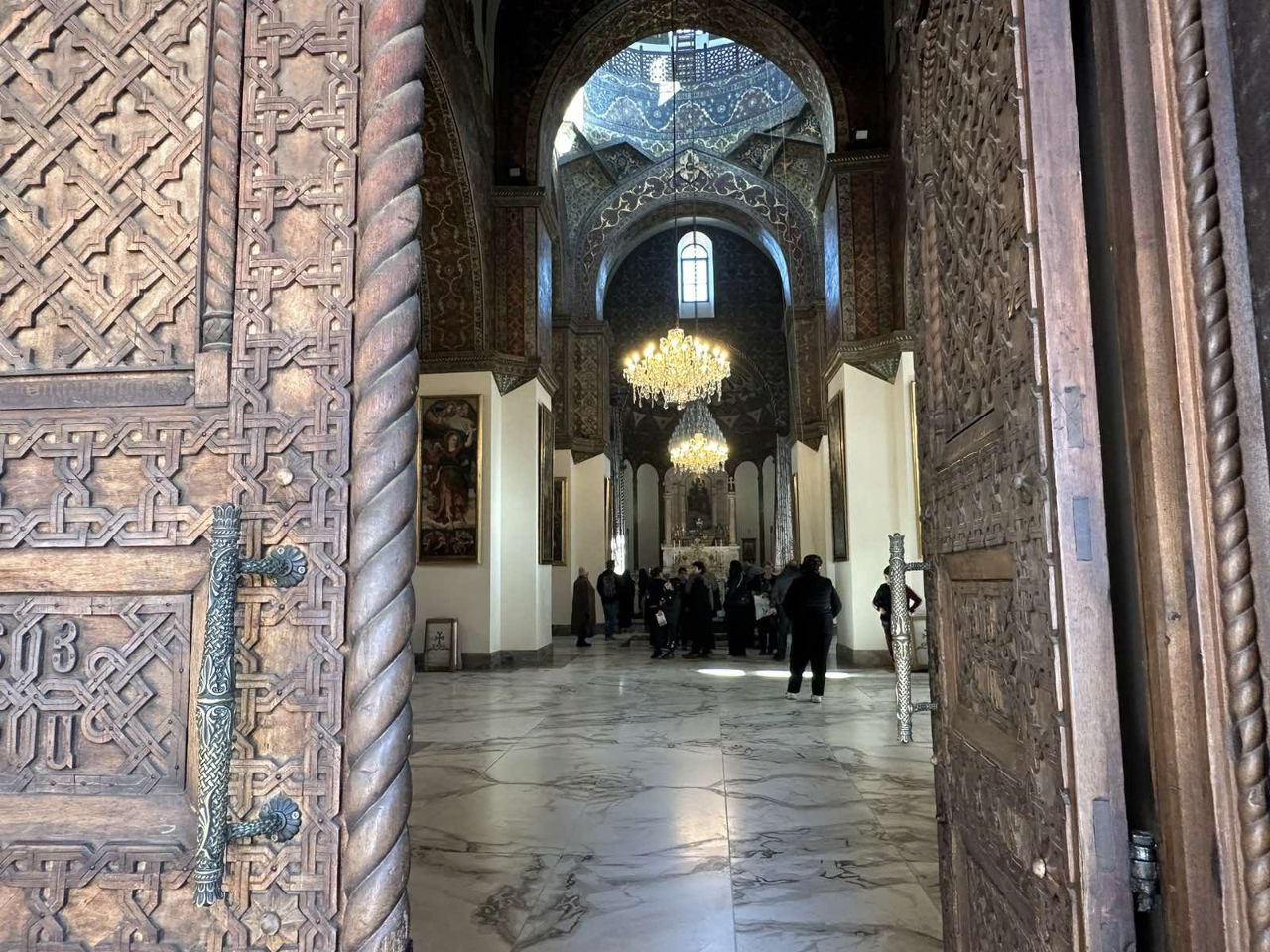
Etchmiadzin Cathedral reopens in Armenia
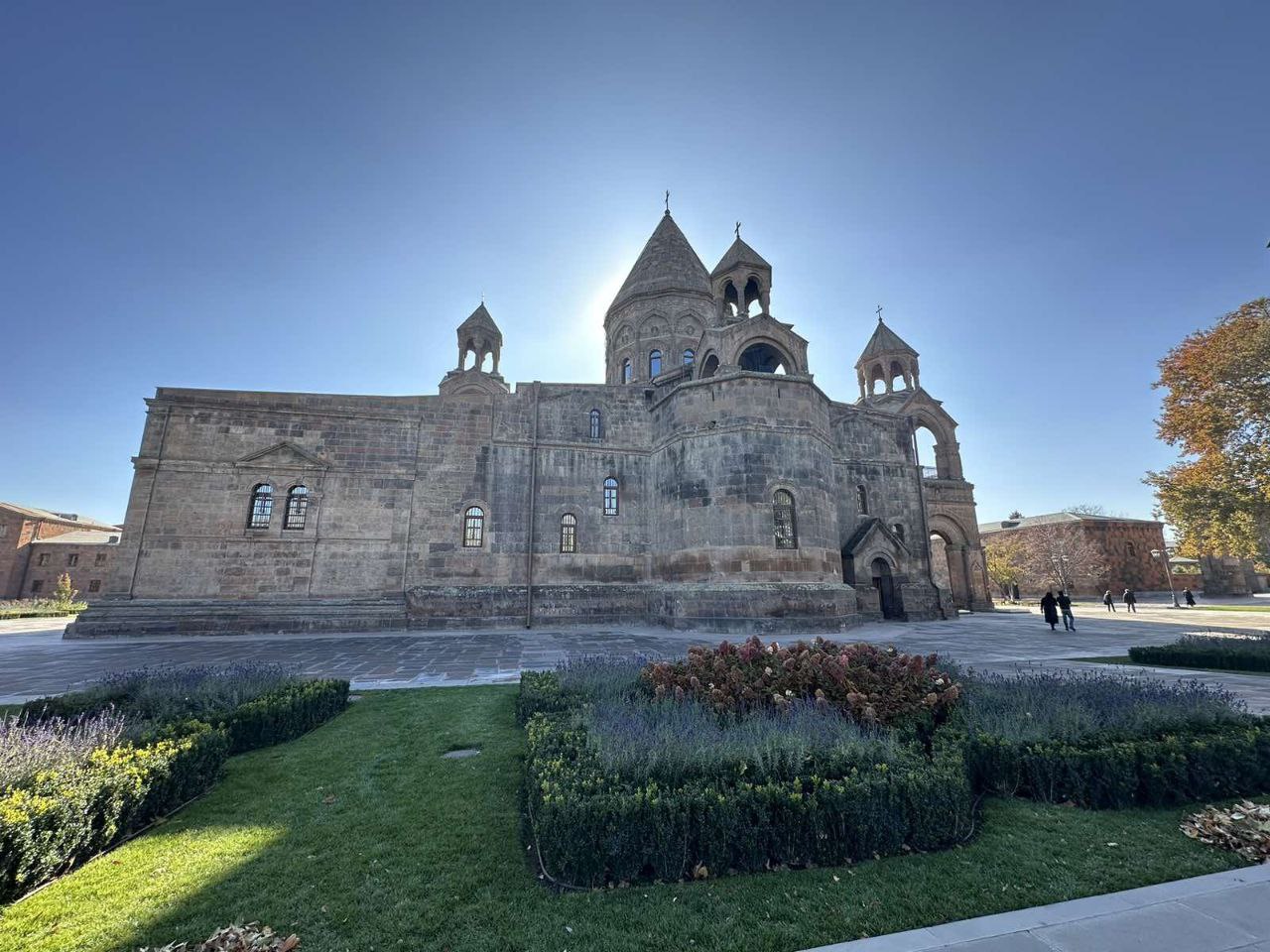
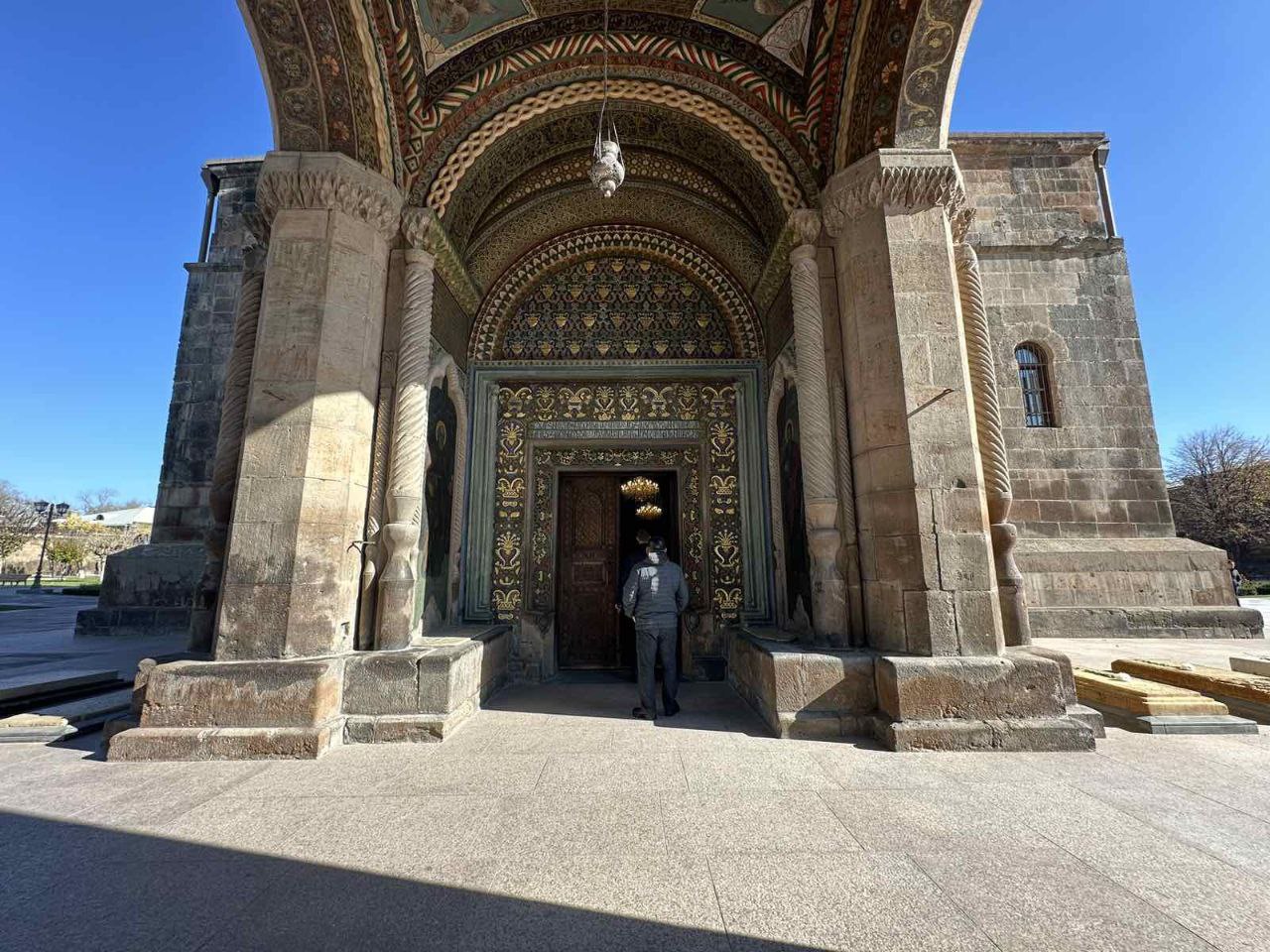
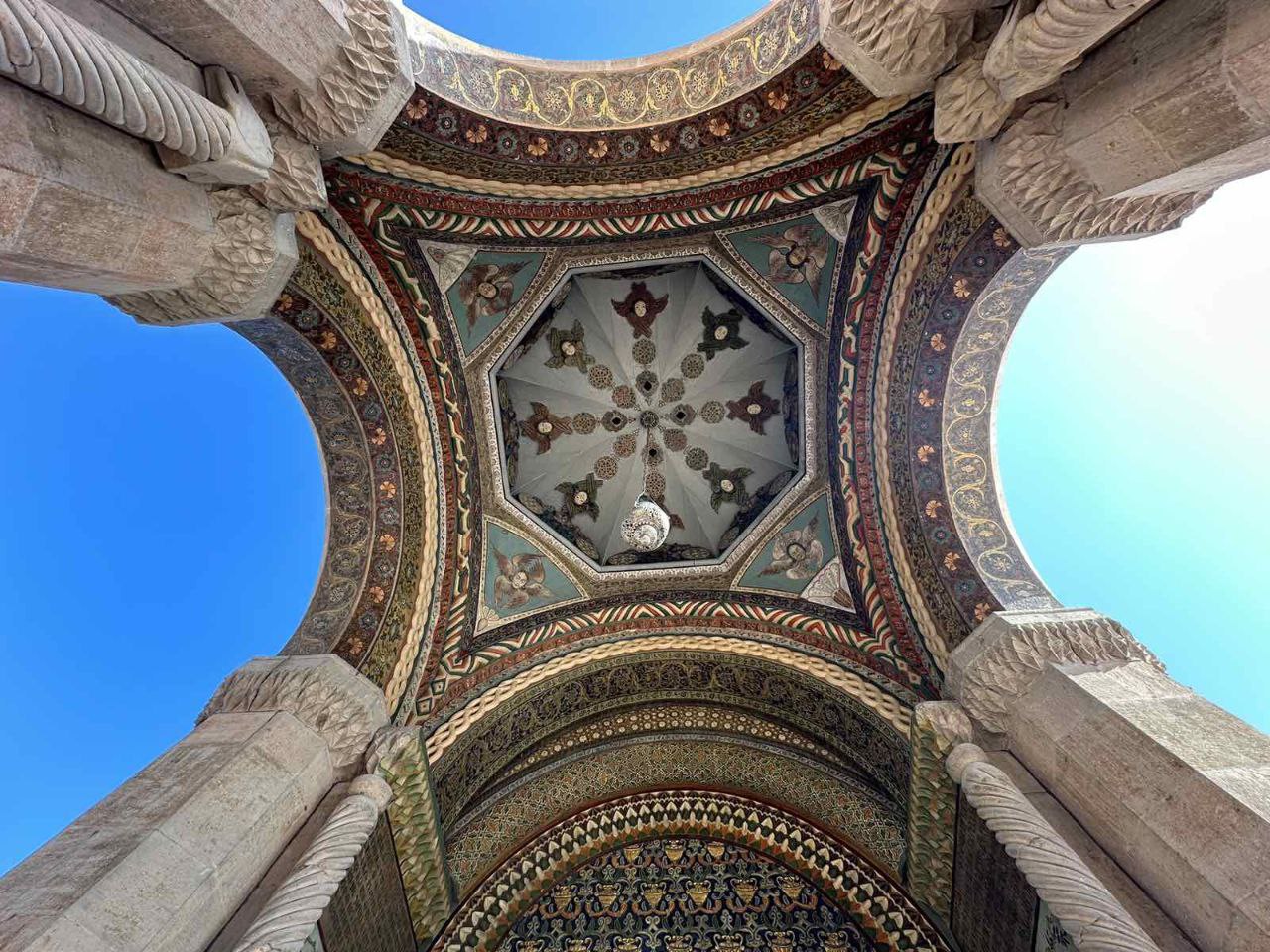
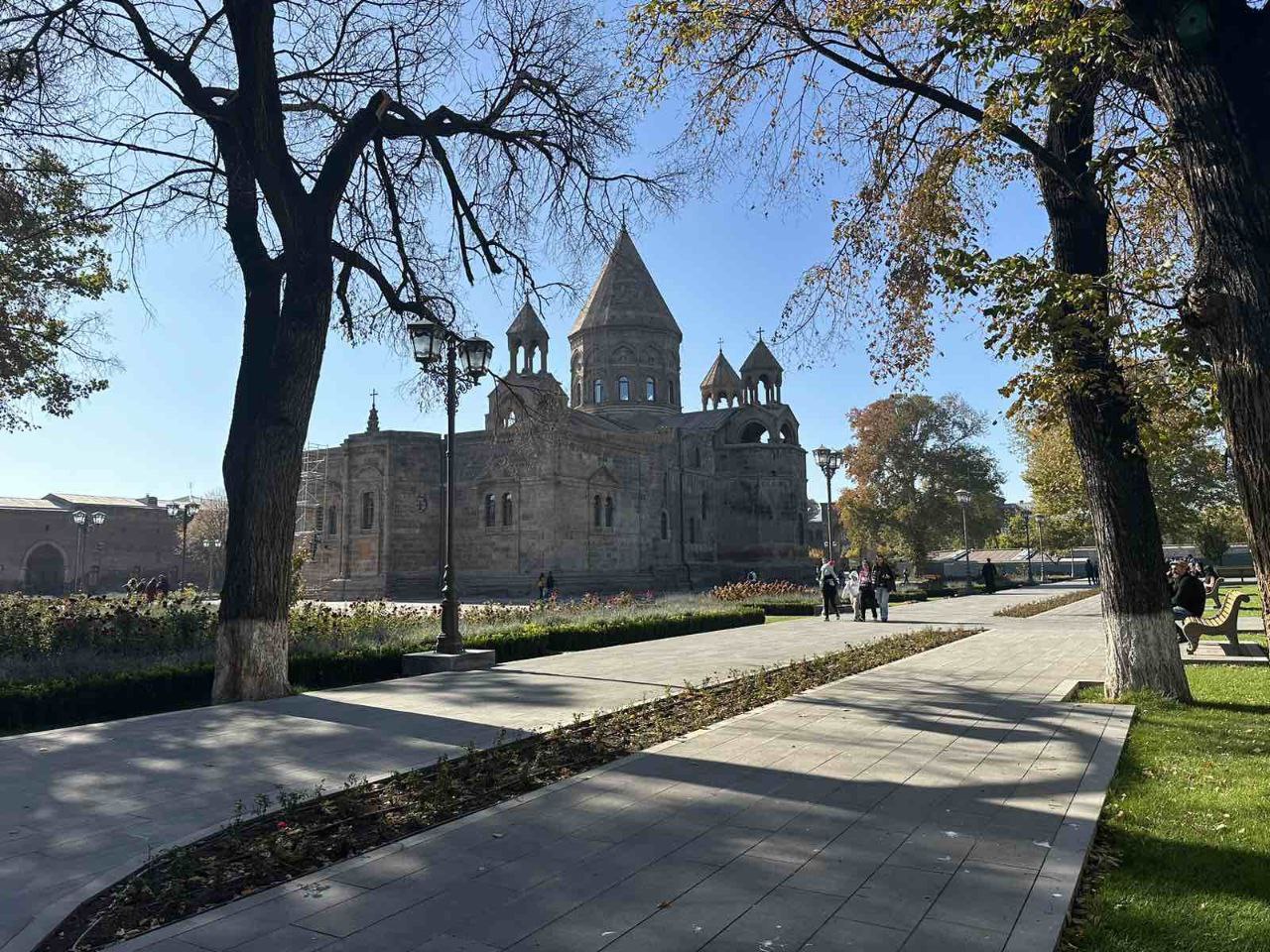
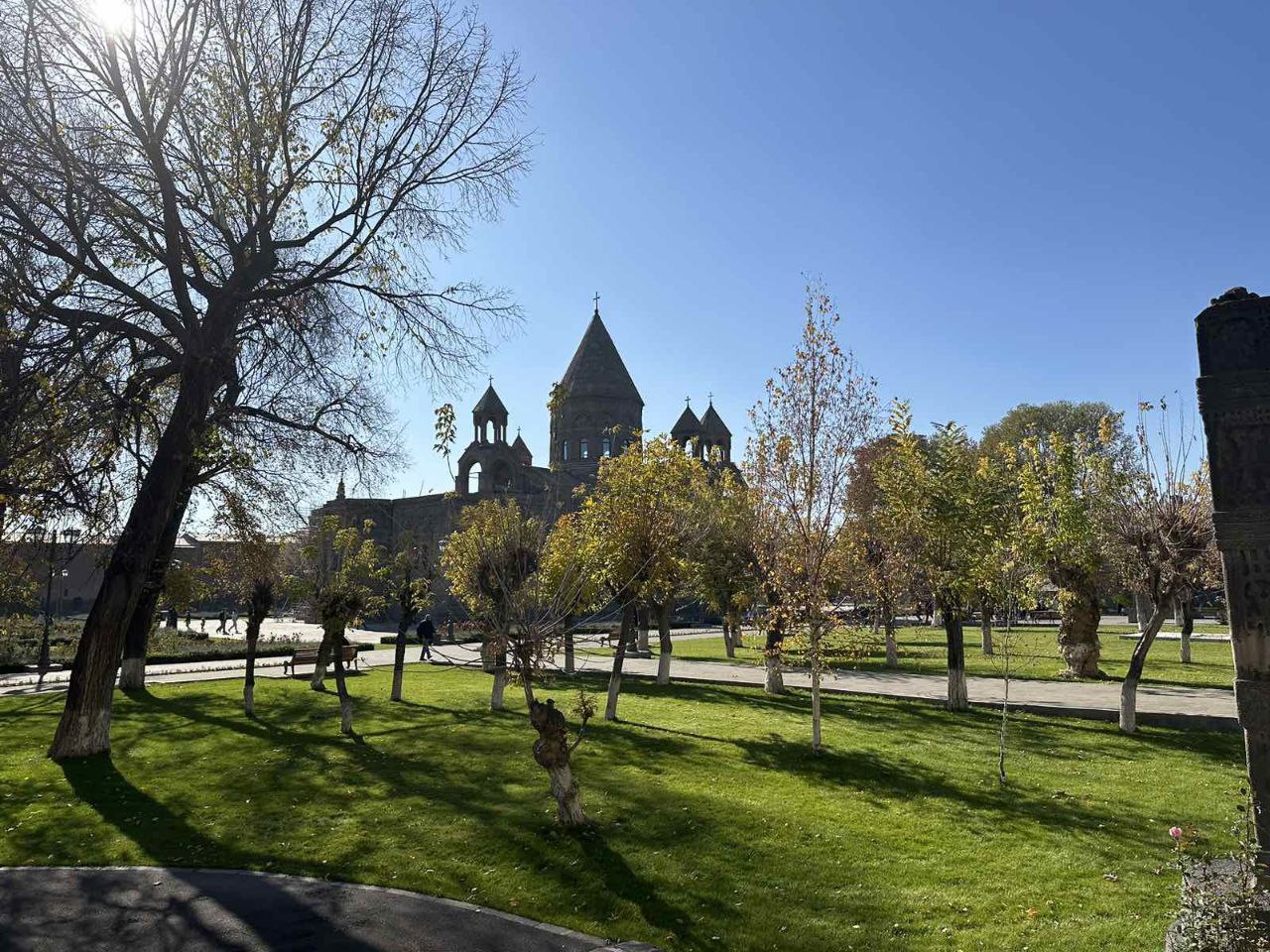
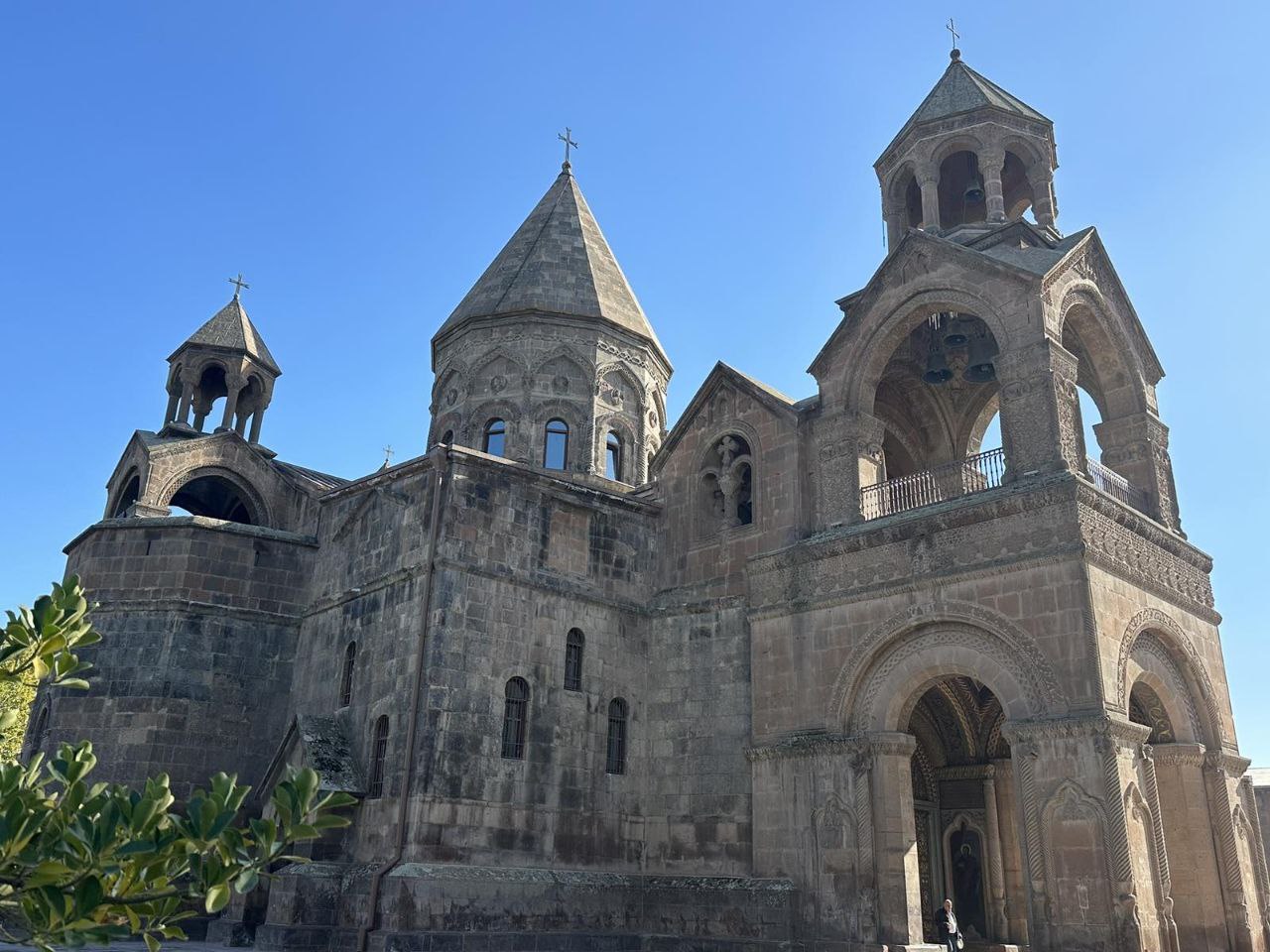
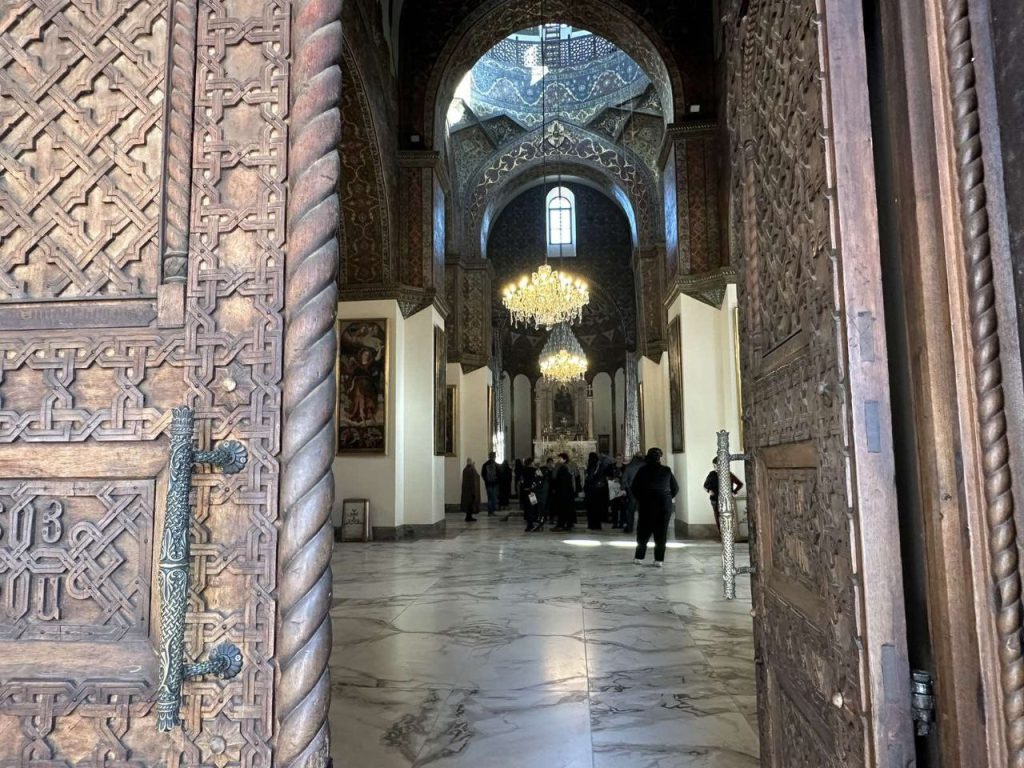
The main church of Armenia, the Etchmiadzin Cathedral, was closed to worshippers and tourists for six years, as it was undergoing restorations. The comprehensive restoration works of the 1,700-year-old structure were completed this autumn. The cathedral opened its doors a month ago, and since then, a steady stream of locals and tourists has visited it daily. On Saturdays and Sundays, many end up listening to the liturgy outside the cathedral walls, as entry is not always possible.
This church is, of course, revered by all believers, but it holds special significance for the residents of Etchmiadzin, as the city’s main symbol has finally been returned to them.
The restorers claim that the work done there is unique in terms of its complexity, scale, and quality of execution. They are confident that they have “given the ancient church life for centuries to come.”
- “Not a religion, but a way of life” – how the Armenian Apostolic Church became exceptional
- Praying alone: Easter in Echmiadzin, the spiritual capital of Armenia
- Clerical uprising or political interference in the country: what is happening in Yerevan? Opinions
“The city is breathing again”
“There are many beautiful churches in Etchmiadzin, but when the restored cathedral opened, it was as if a new wave of faith surged.
People had been waiting for this for years. On opening day, many kissed the cathedral walls and prayed on their knees.
The city is breathing again.
When the sounds of the church service fill the apartment, there’s a unique energy. They evoke cosmic, fantastic feelings in a believer. We missed this for six years. We waited. I think a stage of spiritual revival has come. It’s been a long time since we felt such warmth,” says Armen Mkrtchyan, who lives next to the cathedral.
The Etchmiadzin Cathedral is considered one of the oldest Christian churches in the world. It was built in the early 4th century (301-303 AD) when Armenia officially adopted Christianity as its state religion. In 2000, the cathedral was included in the UNESCO World Heritage list.
The church was partially restored at various times but had never before been closed for full-scale restoration.
This initiative was led by Catholicos of All Armenians, Garegin II. Research and design work began in 2012, and reinforcement of the church structure commenced in 2016. By 2018, it reached a stage where closing the cathedral became necessary. Only this September was it re-consecrated and reopened.
Enamel artist Ani Manukyan, a resident of Etchmiadzin, describes how emotional the reopening was for her family:
“We entered the church with the same feelings one gets when meeting a loved one after a long separation. When I crossed the threshold after such a long wait, I couldn’t contain my emotions.
Our city feels alive again, filled with people. It’s very crowded. Even the traffic in Etchmiadzin is proof of this. And I am also happy about something else—I thought our faith had weakened, but I see the crowds coming to the cathedral. In the evening services, it’s impossible to get inside. People pray on their knees outside, at the walls of the church.”
Surprising discoveries
During the restoration work, the entire team encountered several surprising discoveries. The chief architect of the cathedral restoration project, Amiran Badishyan, explains:
“When we removed the dome of the bell tower and the roof of the Holy Archangels chapel for reinforcement, we discovered karases [clay vessels]. However, previous restoration documents contained no mention of them. This was an unprecedented find: 170 vessels, six of which are very tall—1.2 meters in height. It turned into a very interesting collection. All the finds date back to the 17th century. We also discovered various ceramic household items, from clay teapots to jugs. Additionally, while reinforcing the walls, we found four early Christian capitals that had been damaged and concealed under plaster.”
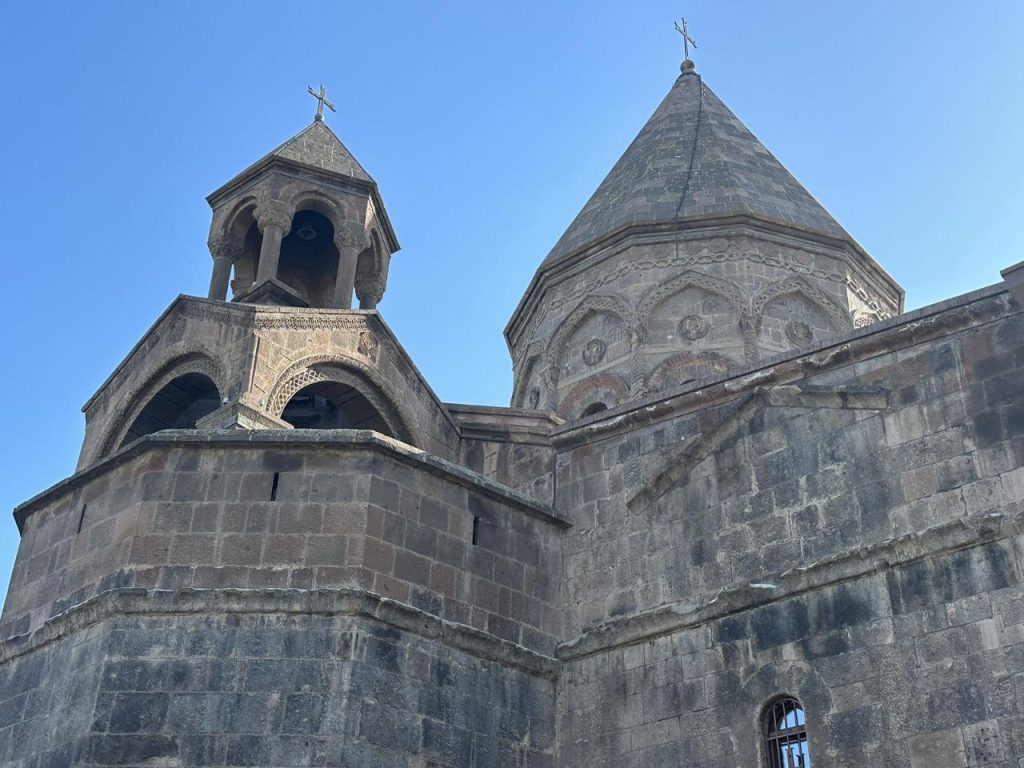
Bishop Musheg Babayan notes that the comprehensive restoration started with the cathedral’s foundation and ended with the cross on the dome:
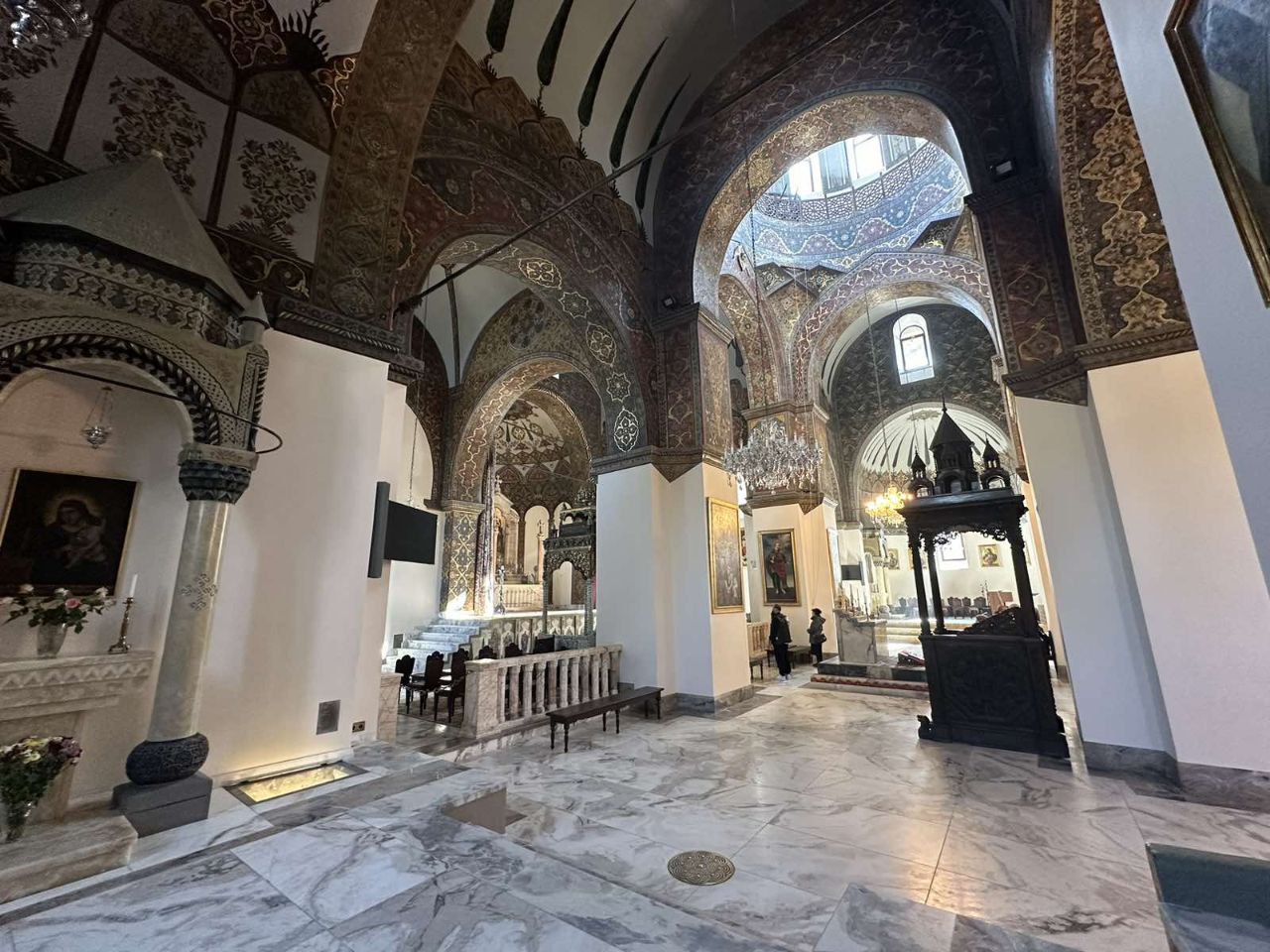
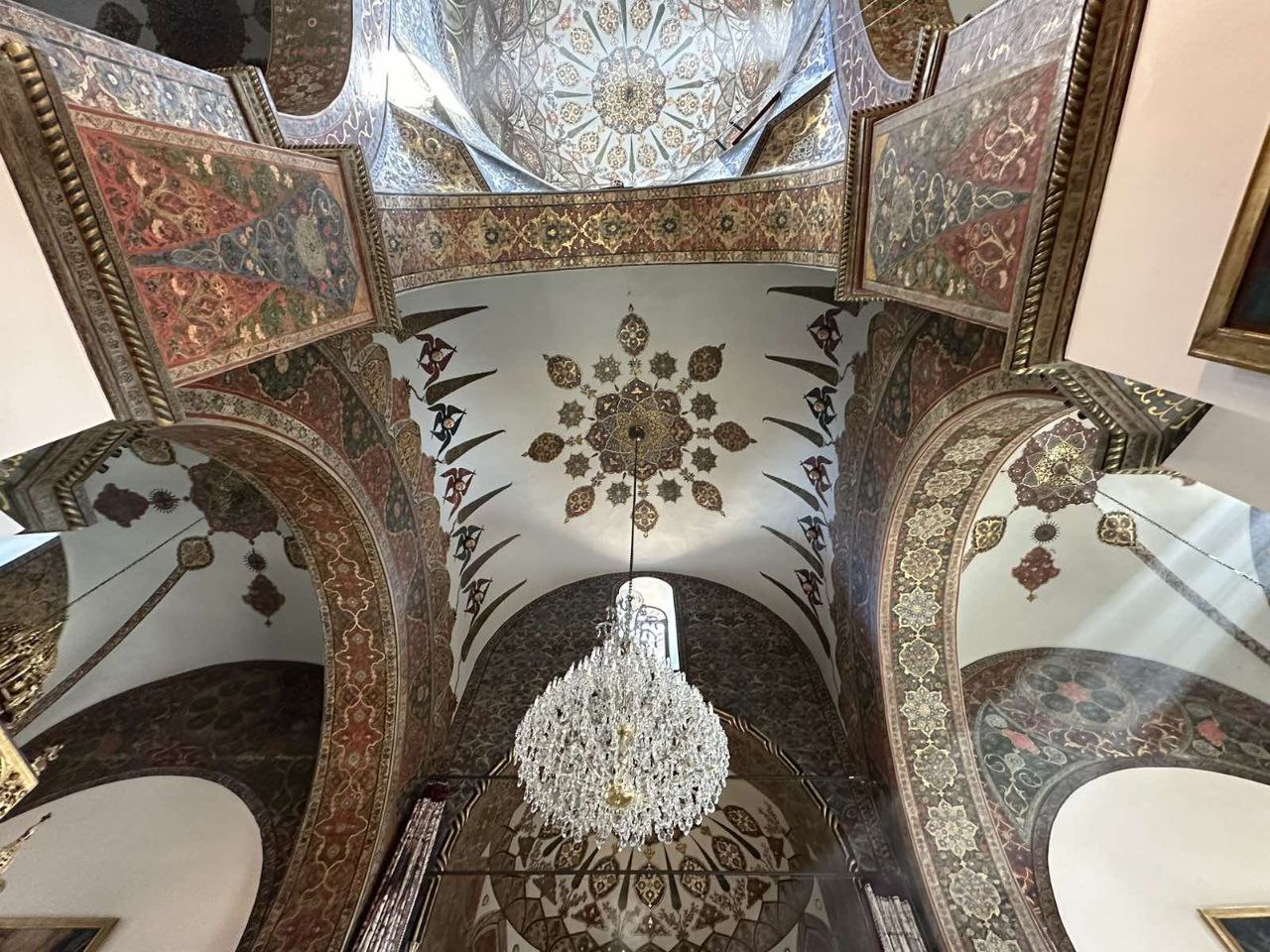
“Thanks to our craftsmen, one can now admire the beauty that was hidden under years of accumulated soot. To recover the beauty of this magnificent cathedral, with more than 1,700 years of history, some frescoes were restored by specialists lying on the floor, others while working on scaffolding.”
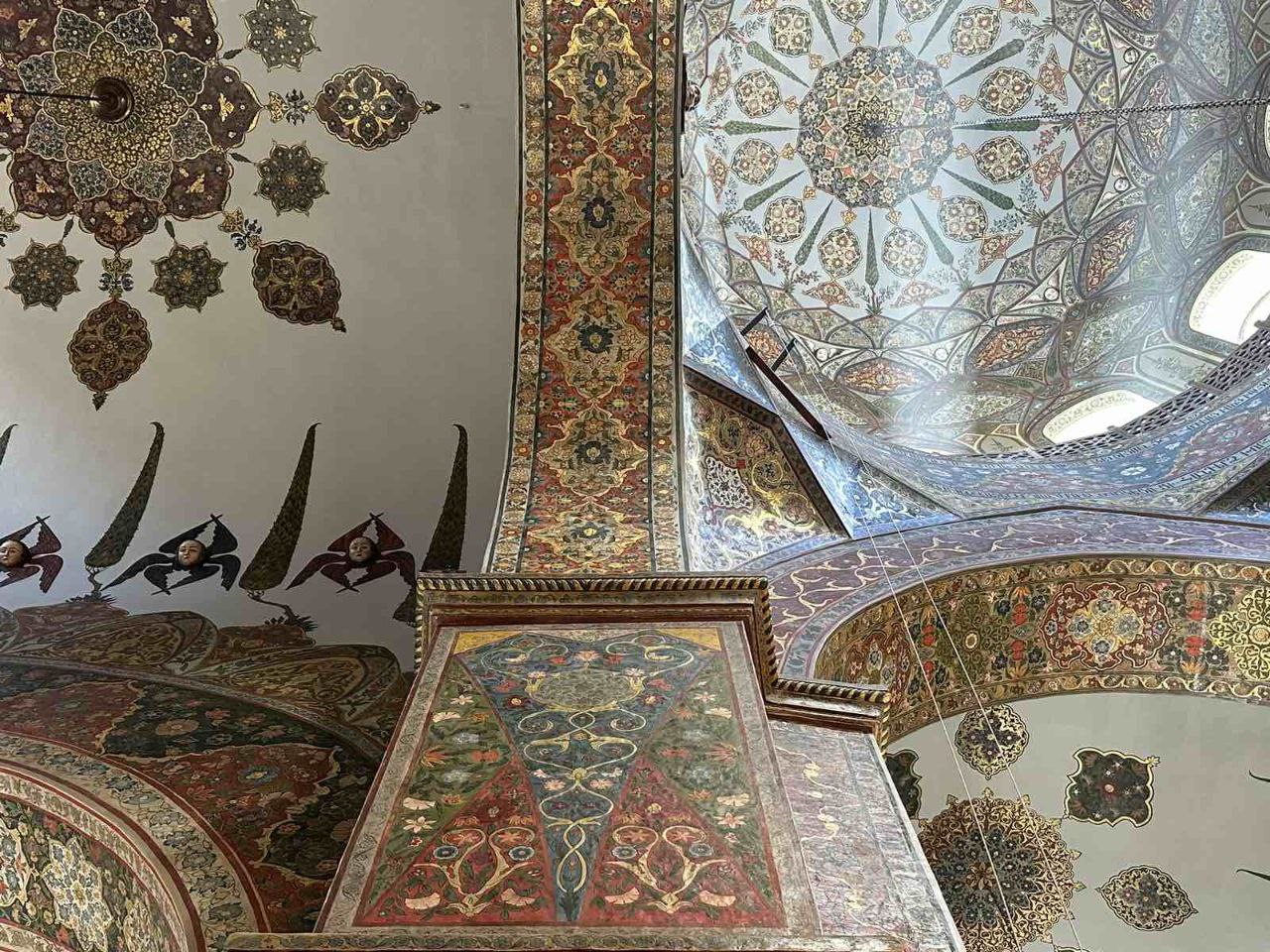
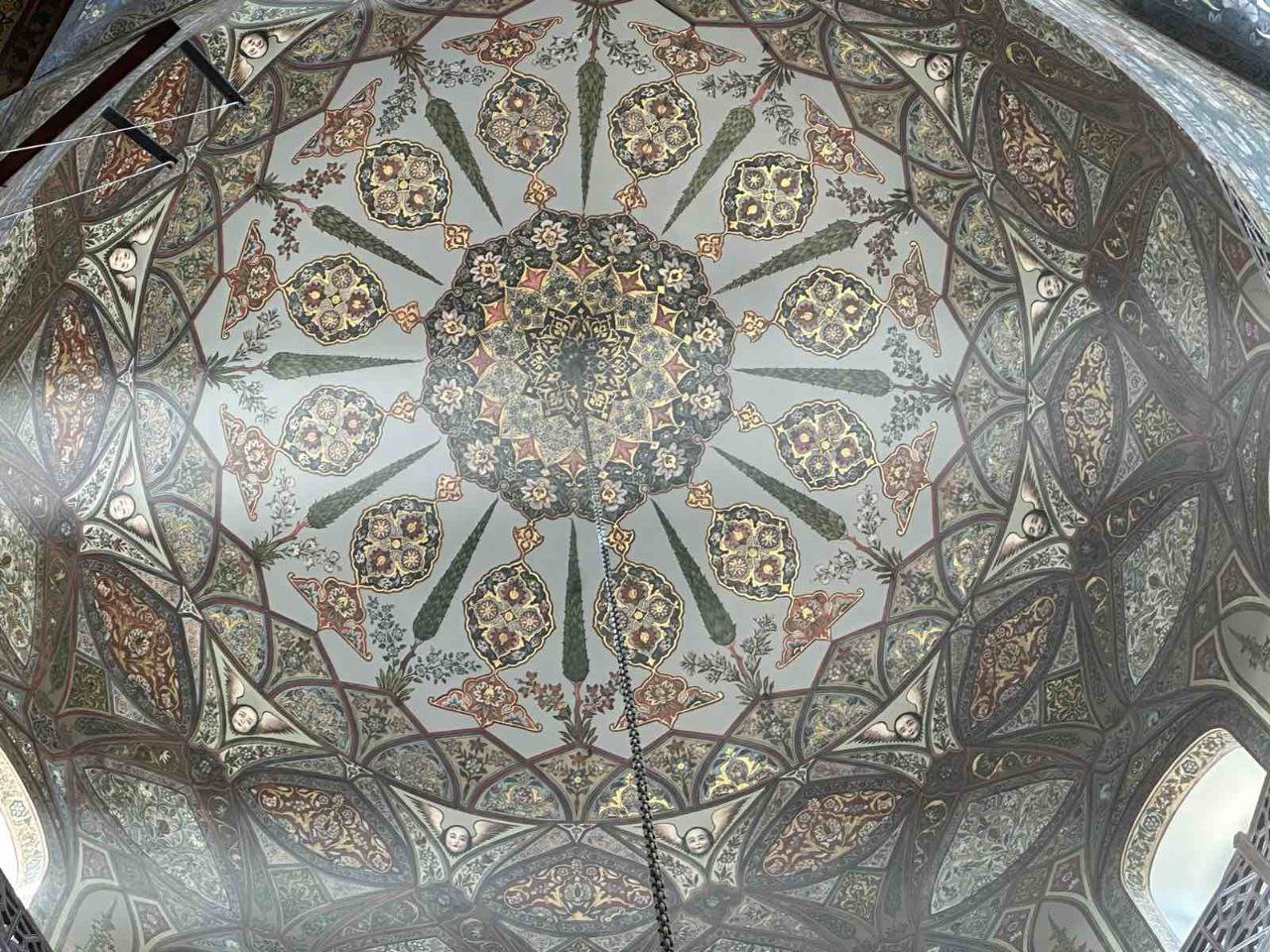
When specialists from the Research Center for Fresco Restoration dismantled them to assess the structure’s stability, they found second and third layers of frescoes dating back to the 17th century.
The fresco restoration project was led by Arjanik Hovhannisyan. We spoke with him after the cathedral’s reopening [just a few days before this article’s publication, he passed away].
“We faced two main tasks: separating the frescoes from the walls and restoring them. When we found fragments in the inner layers, it became clear that the cathedral was once filled with compositions. In the dome alone, there were 24 compositions. At one time, the walls were covered with images from the Old and New Testaments,” said Arjanik Hovhannisyan.
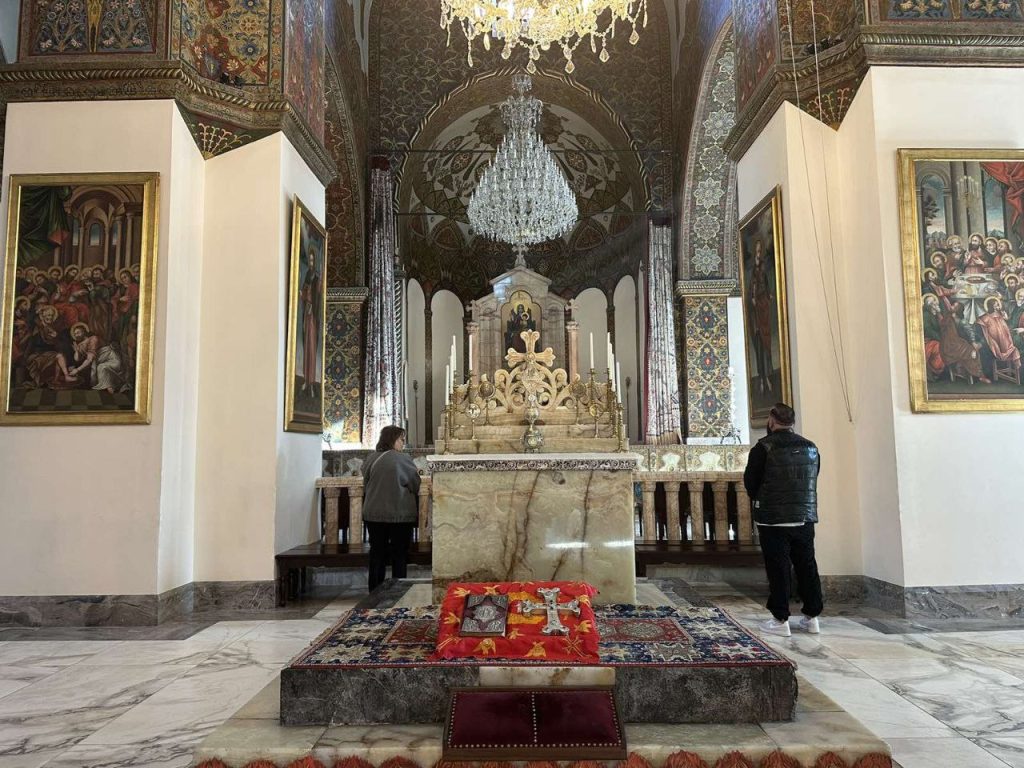
A team of 14 specialists participated in dismantling, restoring, and reinstalling frescoes over an area of 620 square meters.
“This is an unprecedented fresco restoration work in terms of its scale. We used a globally accepted method that even colleagues from other countries have struggled to implement. We trained in Italy, using Italian and Russian technologies. Around 60 square meters, or 123 fresco fragments, were archived. The total area of the cathedral’s frescoes is 2,400 square meters. Imagine, 620 square meters were dismantled and reinstalled. It’s a vast area,” explained the restoration project leader.
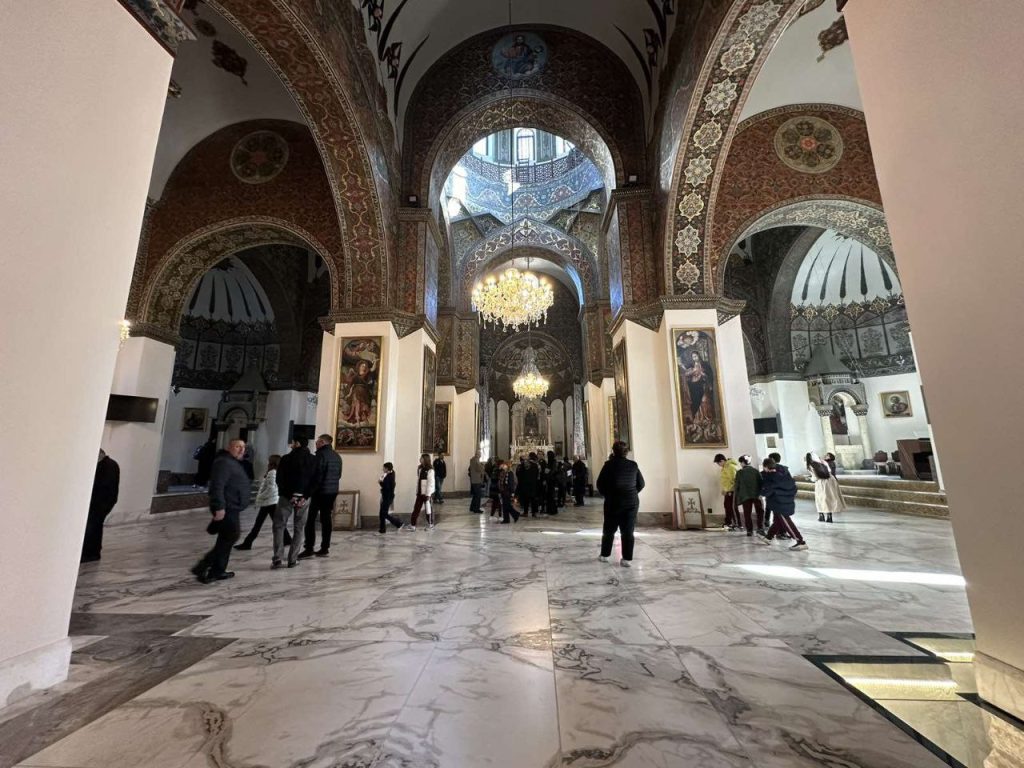
According to Hovhannisyan, the paintings from an earlier period discovered during dismantling could not be returned to their original locations, as this could disrupt the overall harmony:
“The earlier paintings will be displayed in a museum; there’s a project for this. When we dismantled the arches and columns, we found frescoes from the pre-Ovnatanian period. Four generations of artists from the Ovnatanyan family painted the cathedral over different centuries.”
In 1710, renowned artist Naghash Ovnatanyan was invited to Etchmiadzin to paint the cathedral. Later, in the first and second halves of the 18th century, his sons Hakob and Harutyun Ovnatanyan occasionally painted it. In the 19th century, the next generation of the family—Mkrtum and Hakob Ovnatanyan—contributed frescoes to the Etchmiadzin Cathedral.
Speaking about the restored frescoes, artist Ani Manukya assures that they have been returned to their original colors:
“Knowing the layers that were found, I believe the decision to restore the original colors was correct. We must preserve what we have.”
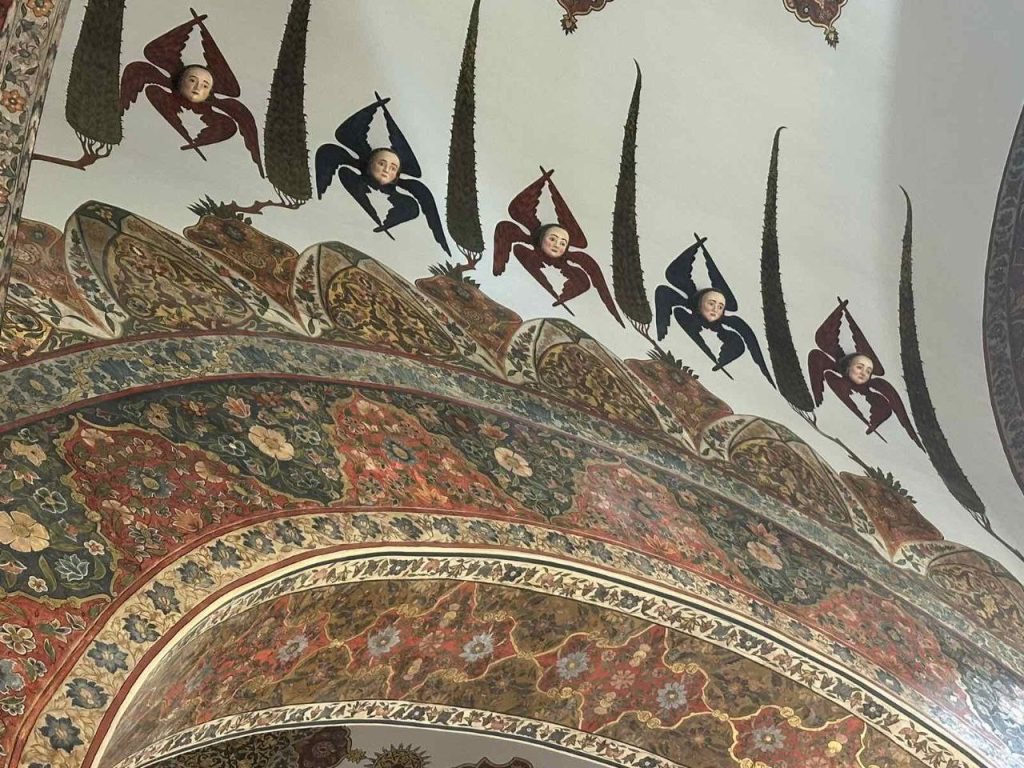
According to experts, many of the cathedral’s frescoes were eroded due to humidity and soluble salts. In the northern chapel, these lost fragments had to be recreated.
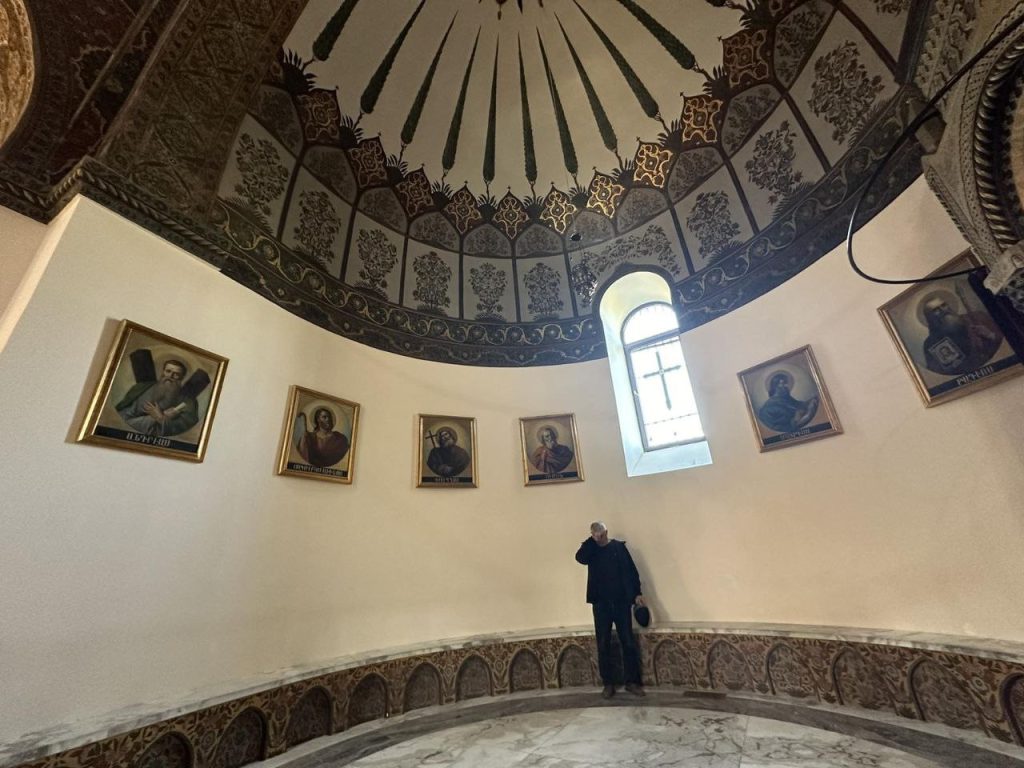
“On the fragment depicting the 12 apostles, specialists managed to remove all alterations and restore the original image based on historical materials. Only certified restoration materials from Italy were used during the reconstruction work. Several hundred tons of material were carefully injected into wall cavities. A skilled team of specialists—from engineers to architects and materials scientists—participated in the construction work,” explained Arjanik Hovhannisyan.
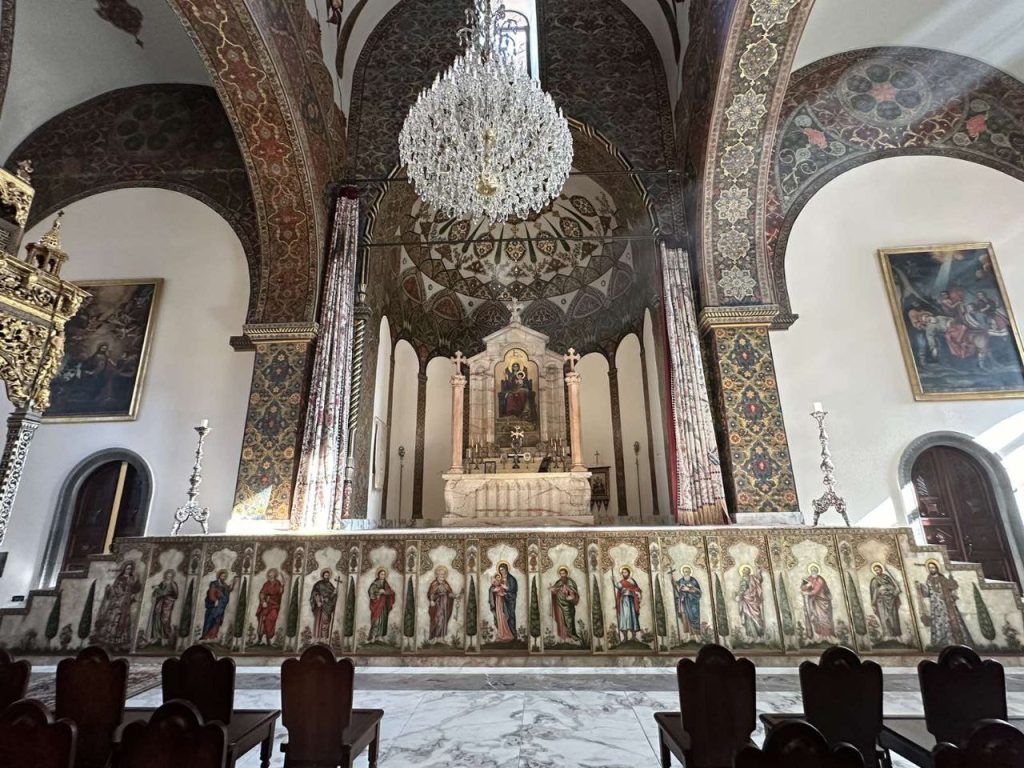
Architect Amiran Badishyan emphasizes that the restoration and reinforcement of the cathedral have now been fully completed:
“This is a remarkable achievement in Armenian restoration history. Such a comprehensive project is unprecedented and remains the first of its kind. Today, many people can stand by the cathedral, look at the restored building, remember its old appearance, and think: ‘For years, the cathedral was closed, and they seemed to be working, but nothing has changed.’ I believe that after such extensive construction work, the cathedral will not require restoration for at least 200 years.”
Speaking about the earthquake resistance of the restored structure, the chief architect reminds us that this is a cathedral that has been standing strong for 17 centuries:
“The cathedral has endured, surviving many destructive earthquakes. As long as it doesn’t encounter extraordinary conditions, it will stand for centuries—it has been restored to an exceptional standard. Originally, it was constructed from stone structures. Today’s standards require resistance to a magnitude nine quake. Modern seismic requirements aren’t met by this cathedral, nor by any medieval buildings. But the fact remains—the cathedral stands.”
After the restoration, the interior of the cathedral reveals its foundation.
“The foundation has been exposed. There’s something meaningful in the ‘transparency’ of the structure; you can see its foundation, as if seeing the depth of your faith. The foundation also has interesting ornaments. Our main church holds a unique power. I draw energy from it. There are places where people feel this energy. This is true for entire countries. And I believe this cathedral is the ‘generator’ of our country. It absorbs and gives life energy to this land,” says artist Ani Manukyan.
Follow us – Twitter | Facebook | Instagram
Etchmiadzin Cathedral reopens in Armenia


