
Israeli team set to attend UN climate confab in Azerbaijan under tight security The Times of Israel
Day: November 6, 2024


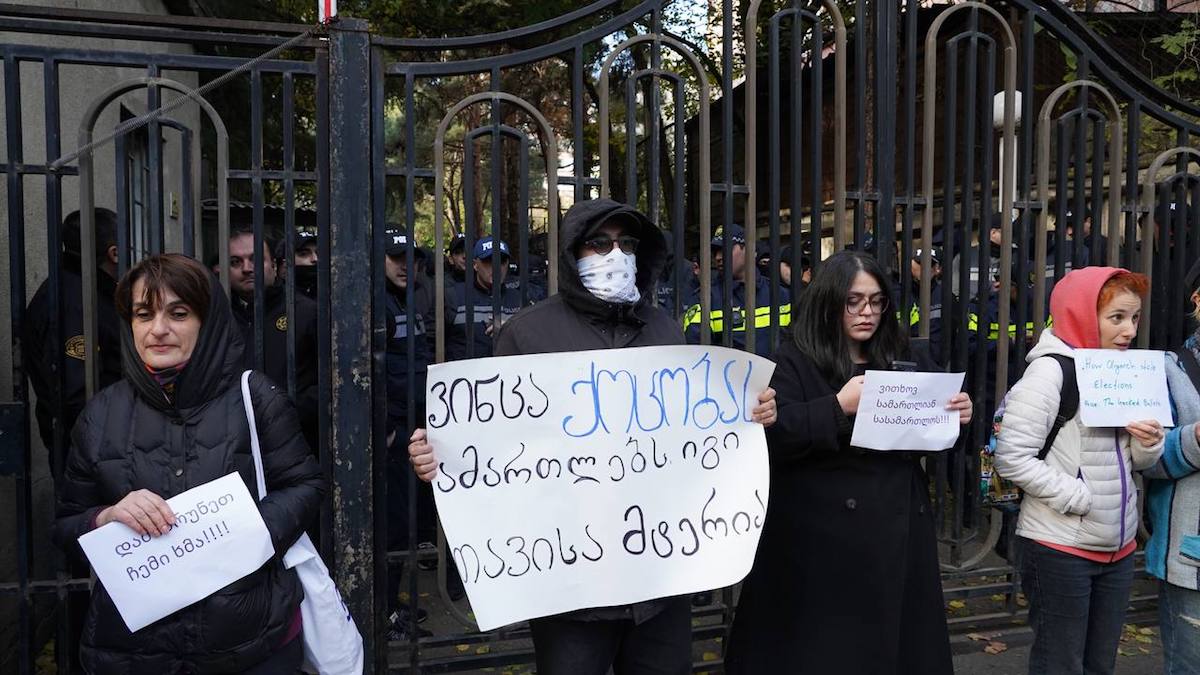
Georgian court rejects ISFED appeals
A Court of Appeals in Georgia has rejected all appeals filed by the International Society for Fair Elections and Democracy (ISFED). Furthermore, the court overturned a Gori court decision to recount invalid ballots at 15 polling stations.
Hearings on other appeals are ongoing, and a protest rally by opposition members and citizens is taking place outside the courthouse.
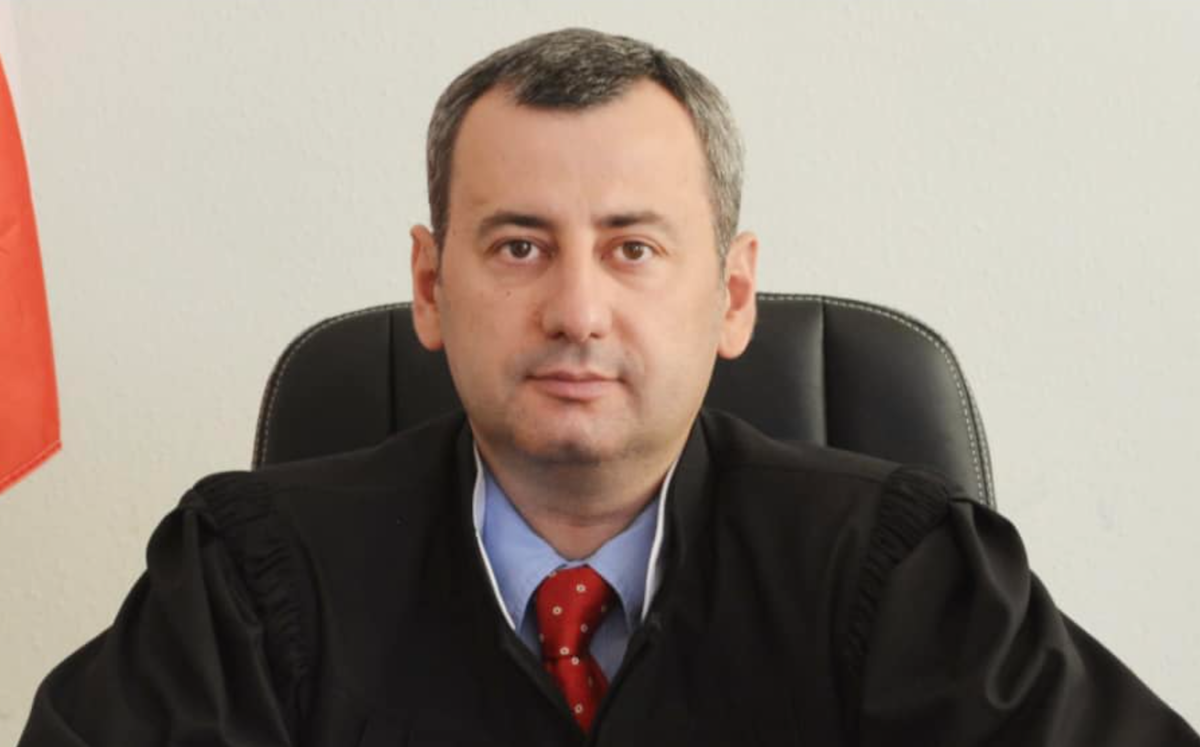
On November 4, Gori District Court Judge Nino Gergauli granted ISFED’s request, instructing the district election commission to void ballots at 15 polling stations, a decision later appealed by the Central Election Commission (CEC).
On the same day, Judge Vladimir Khuchua annulled the voting results from 30 polling stations across two Georgian regions, citing violations of voting secrecy.

According to official data, the ruling Georgian Dream party won the October 26 parliamentary elections with nearly 54 percent of the vote—12 percent higher than exit poll results. Observers and experts have reported thousands of voting irregularities and instances of fraud in the election process.
Georgian court rejects ISFED appeals
Ahead of the COP29 climate summit in Baku, European Parliament member Michael Bloss raised serious security concerns, revealing that members of the European Parliament will be equipped with disposable phones and laptops due to fears of surveillance.
Bloss explained that European MPs are taking these measures after advisories warned of possible hacking attempts during their visit to Azerbaijan. “Security advisors have alerted us to the risk of our devices being compromised,” Bloss told Euronews, adding that even European representatives may not communicate freely, fearing government monitoring.
This is not the first time such concerns have been raised regarding Azerbaijan. Human rights organizations, including the Organized Crime and Corruption Reporting Project (OCCRP), have previously reported incidents where surveillance technology was allegedly used by Azerbaijani authorities to target both local and foreign journalists and activists. The Pegasus spyware case, which implicated numerous governments worldwide in invasive surveillance practices, also pointed to Azerbaijan’s involvement.
However, Azerbaijani officials have dismissed these accusations. Zahid Oruj, head of the Milli Majlis Human Rights Committee, told Meydan TV that these claims are baseless, asserting that foreign media and some international organizations have coordinated a campaign to cast Azerbaijan in a negative light. According to Oruj, such allegations have intensified following Azerbaijan’s resolution of the Karabakh conflict, which he believes Western countries have politicized. “These narratives are a means to undermine our government, using COP29 as a platform,” Oruj stated.
Oruj also accused major Western media outlets, including The Washington Post and The Guardian, of leading an organized campaign against COP29. He suggested that the geopolitical context and Azerbaijan’s regional victories have fueled these claims. “This isn’t about environmental or security concerns,” he argued. “It’s a politically motivated attempt to mar Azerbaijan’s image.”
Osman Gunduz, president of the Azerbaijan Internet Forum, noted that security measures like issuing disposable phones to MPs are standard practice when officials travel abroad. He added that such protocols are not exclusive to Azerbaijan but reflect general international precautions. “This has less to do with Azerbaijan and more with general security practices. It’s misrepresented as a security risk solely for this event,” Gunduz commented.
Conversely, security expert Erastun Oruclu views Bloss’s disclosure as alarming, describing it as a reflection of Azerbaijan’s poor reputation within European institutions. He asserted that Azerbaijan’s use of cyber-espionage tools has created substantial apprehension among European officials. “This level of precaution is unheard of in other countries,” he noted, emphasizing that such measures underscore Azerbaijan’s image as a high-risk environment for potential surveillance. He cited numerous reports suggesting that Azerbaijan has invested in advanced spyware systems from foreign vendors.
COP29, the UN Framework Convention on Climate Change’s annual summit, is scheduled to be held in Baku from November 11-22, bringing together global leaders, activists, and policymakers. However, this year’s event has attracted not only environmental advocates but also significant debate over Azerbaijan’s commitment to human rights.
The post Security concerns surround COP29 in Azerbaijan: European MPs take precautions against potential surveillance appeared first on MEYDAN.TV.
