
Brooks no dissent: President Ilham Aliyev (L) Islander News.com
Day: November 5, 2024
Azerbaijan’s liberated areas spending decreases
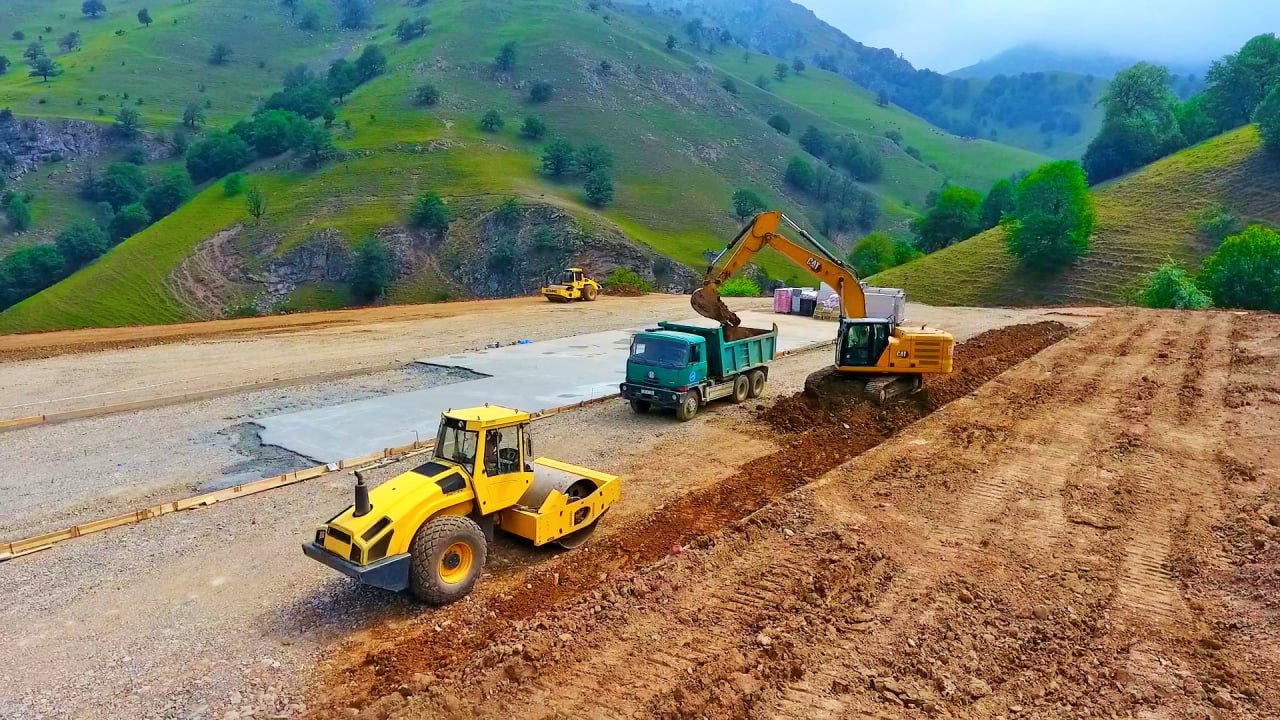
Between January and September 2024, Azerbaijan spent 3,604,307,000 manats (approximately $2.1 billion) on construction and installation work in the liberated regions.
- Georgian election officials demand repeat vote
- With Harris victory, Armenians could stall peace process, Azerbaijani expert warns
- Azerbaijan court upholds seizure of economist’s car in high-profile Abzas Media case
According to calculations by APA-Economics based on a report from the State Statistics Committee, this figure is 6.9%, or 266.3 million manats ($156.6 million), less than the amount spent during the same period last year. From January to September 2023, 3,870,597,000 manats ($2.3 billion) were allocated for construction and installation work in the liberated regions.
Notably, during the reporting period, the highest allocations went to the Kelbajar region—797,437,000 manats (around $469.08 million), the Aghdam region—527,112,000 manats (around $310.065 million), and the Lachin region—567 million 497 thousand manats (around $333.821 million).
From January to September 2024, 12,711,000,000 manats (around $7.5 billion) were allocated to Azerbaijan’s fixed capital, with 9,193,000,000 million manats (around $5.4 billion) spent on construction and installation work. During this period, the funds spent on construction and installation work in the liberated territories accounted for 39.2% of the total funds allocated for reconstruction work throughout the country.
Azerbaijan’s liberated areas spending decreases
Court seizes arrested economist’s car
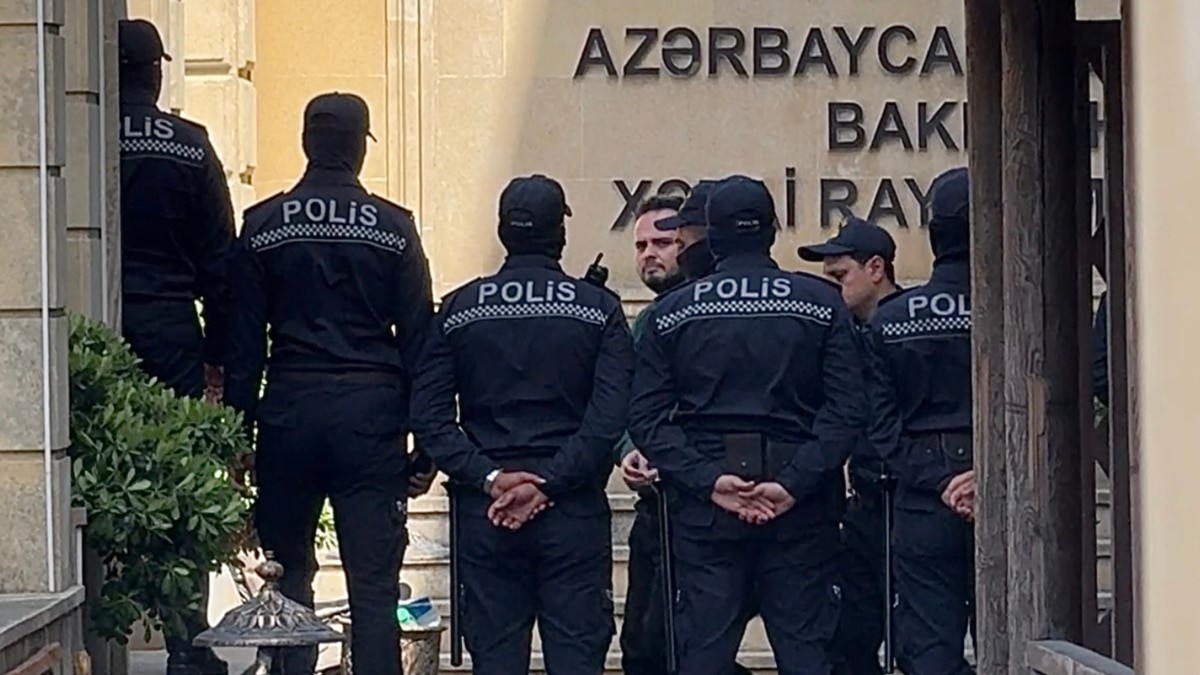
On November 4, the Baku Court of Appeals reviewed a complaint against the seizure a car belonging to the economist Farid Mehralizade, arrested in connection with the Abzas Media case.
According to Mehralizade’s lawyer Javad Javadov, the complaint was denied, and the court upheld the Khatai District Court’s decision to seize Mehralizade’s personal vehicle.
- Georgian election officials demand repeat vote
- With Harris victory, Armenians could stall peace process, Azerbaijani expert warns
- Opinion: Why Harris’s victory would better serve Armenia
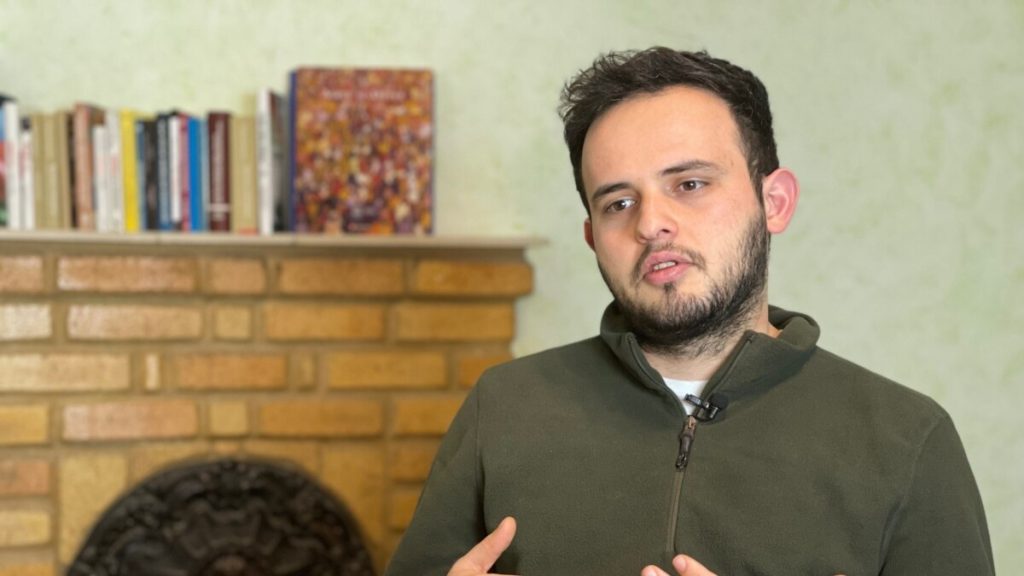
The prosecution claims that the car was purchased with “illicitly obtained funds.”
Mehralizade denies these allegations.
The defense presented documents showing that, as a department head at a commercial bank for three years, Mehralizade earned an annual income of 50,000 manats [around $29,400], while the car’s cost, including customs clearance, did not exceed 20,000 manats [around $11,700].
Mehralizade’s wife, Nargiz Mukhtarova, also filed an appeal, stating that the car was jointly purchased during their marriage and that her personal income was sufficient to afford such a vehicle.
Mehralizade was arrested on June 1 in connection with the Abzas Media case and charged with smuggling, along with other defendants. In August, new and more serious charges involving seven economic crimes were brought against all defendants, including Mehralizade, who is now facing up to 12 years of imprisonment.
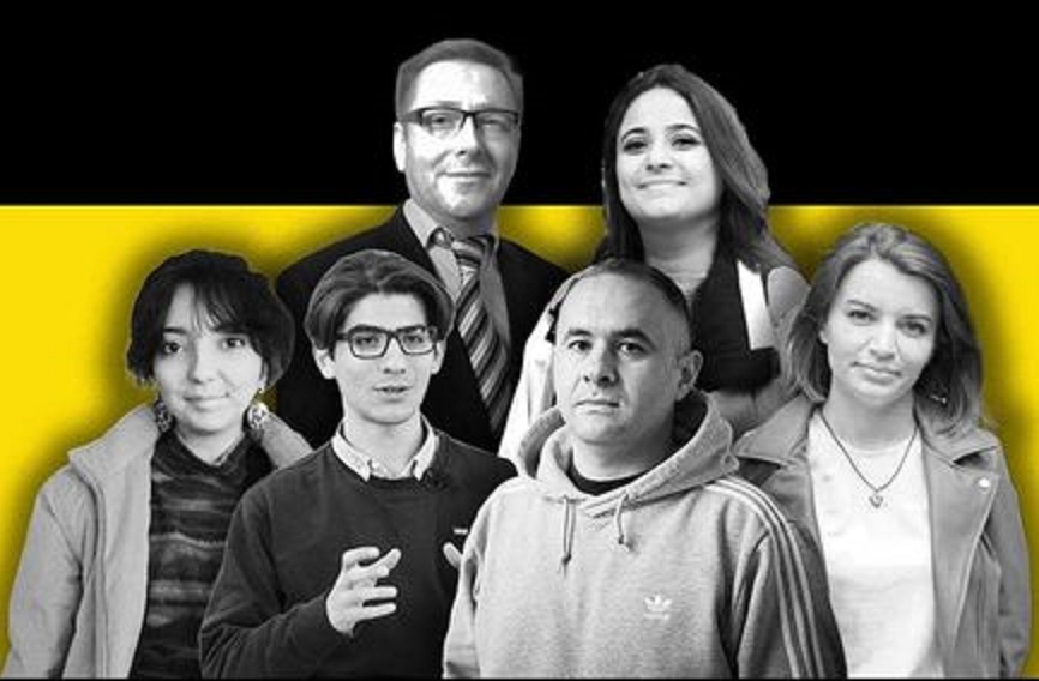
The interim management of Abzas Media issued a statement asserting that Mehralizade had no connection with the outlet. The economist himself also stated that he had not collaborated with Abzas Media.
It was recently revealed that Farid Mehralizade was an employee of the Azerbaijani bureau of Radio Free Europe/Radio Liberty (RFE/RL). RFE/RL President Steven Capus has called for his release.
“Today (October 30) marks five months since the arrest of Radio Azadliq (the Azerbaijani service of RFE/RL) journalist and economist Farid Mehralizade. We are deeply concerned about his detention on fabricated charges. We call for Mehralizade’s immediate release so he can return home to his wife and newborn daughter,” Capus stated.
On September 6, Mehralizade’s detention was extended until December 19.
He denies all charges brought up against him, claiming they are fabricated. Human rights defenders have declared the economist a political prisoner.
Court seizes arrested economist’s car
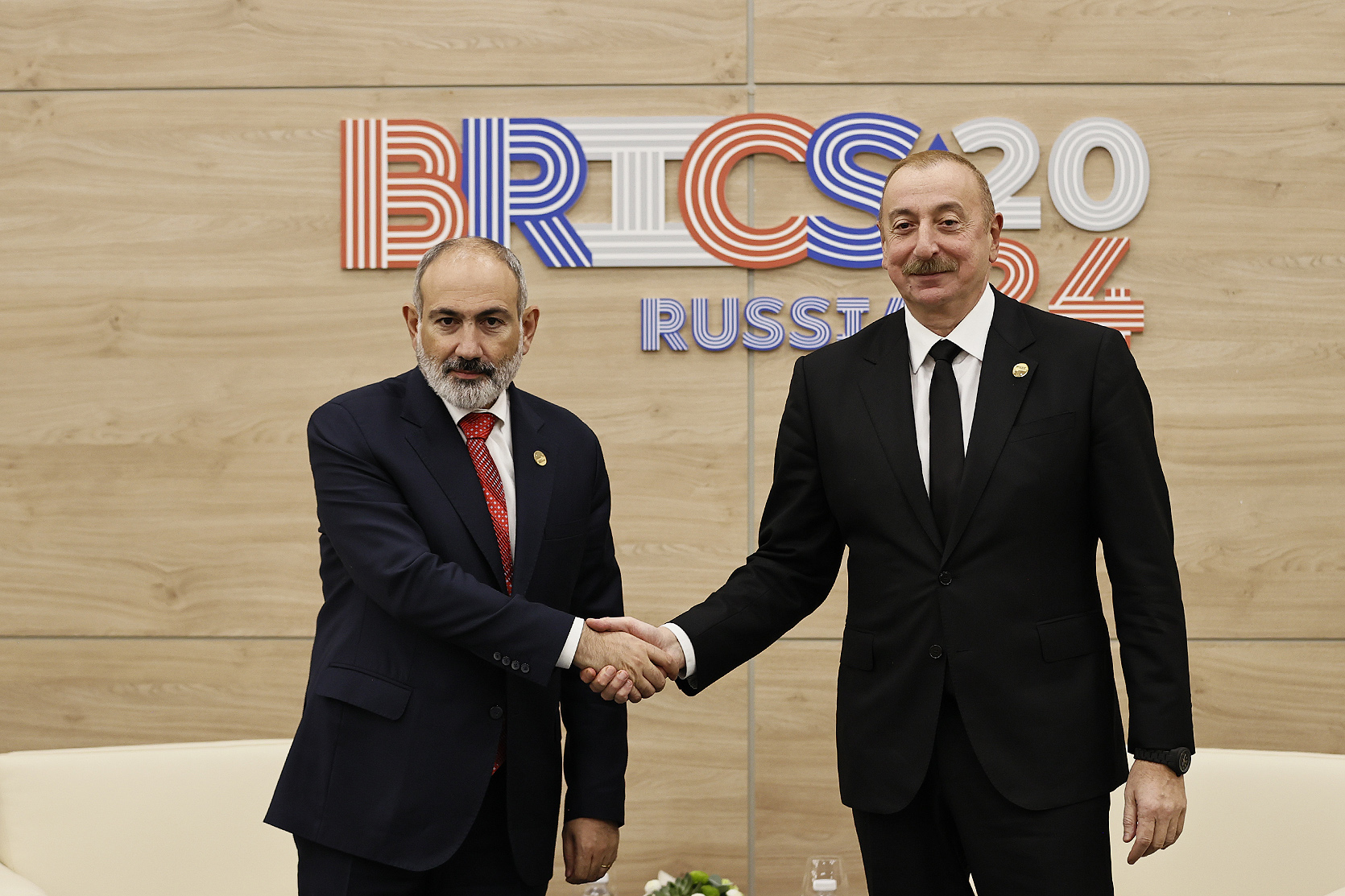
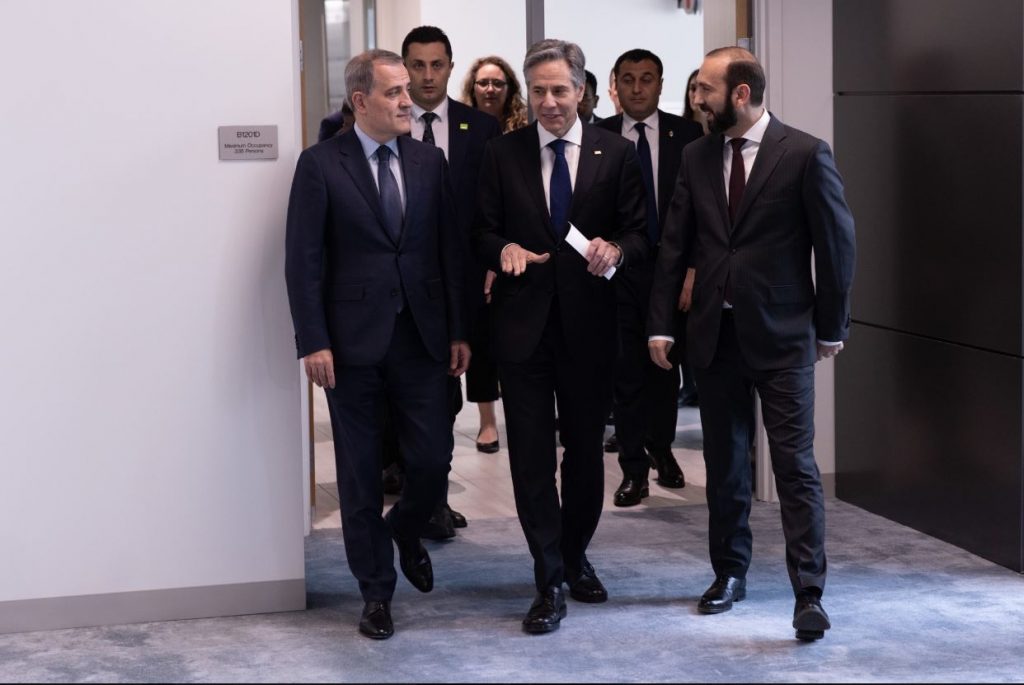
Armenia considers talks without Russia
Armenia does not rule out the possibility of discussing the unblocking of regional communication routes with Azerbaijan bilaterally, through a dialogue format between Deputy Prime Ministers Grigoryan and Mustafayev. This implies that negotiations may proceed without Russia, which previously acted as a mediator and participant in these discussions.
“Everything is possible. I must say that we are moving towards a positive outcome through small, very small bilateral steps,” Armenian Parliamentary Speaker Alen Simonyan told reporters, without providing further details.
The last meeting of the trilateral commission took place a year ago, in June 2023. However, Moscow continues to assert that “unblocking is only possible with Russia’s involvement.”
Co-chair of the Armenian State Commission on border delimitation, Deputy Prime Minister Mher Grigoryan, recently stated that trilateral working group meetings are not occuring due to “fundamental disagreements.” This may point to disagreements involving Russia and related to sovereign control over the routes. Armenian authorities maintain that no part of the country’s territory can be controlled by a third party, while Russia seeks to assume this role if communications are unblocked.
As for bilateral discussions, Armenian Foreign Minister Ararat Mirzoyan recently reported that proposals on unblocking have been submitted to Baku, specifically regarding “border crossing and the simplification of customs procedures.” The details of what has been proposed to Azerbaijan are still unknown, but Chairman of Armenia’s State Revenue Committee Rustam Badasyan explained that the “simplified procedure” involves prior exchange of export data and other necessary information, such as “scanner images.”
- “Armenia isn’t militarizing but raising cost of attacking it”: opinion
- “Baku wants Yerevan to acknowledge its hegemony” – Armenian political analyst
- “Zangezur Corridor is Armenia, full stop,” – Bundestag representative in Yerevan
Talks between Deputy Prime Ministers
The office of Armenian Deputy Prime Minister Mher Grigoryan did not inform journalists whether Armenia and Azerbaijan would form working groups to start bilateral negotiations on unblocking communications, stating that they would only respond to a written media request.
However, on November 1, Mher Grigoryan and Shahin Mustafayev met at the border between the two countries. The deputy prime ministers held a session of the commissions on delimitation. It was been revealed that during the meeting they exchanged ideas not only on the delimitation process and the specific border sections where it would continue but also on unblocking communications.
“After the commission meeting, Grigoryan and Mustafayev separately discussed issues related to transport communications,” the official statement read.
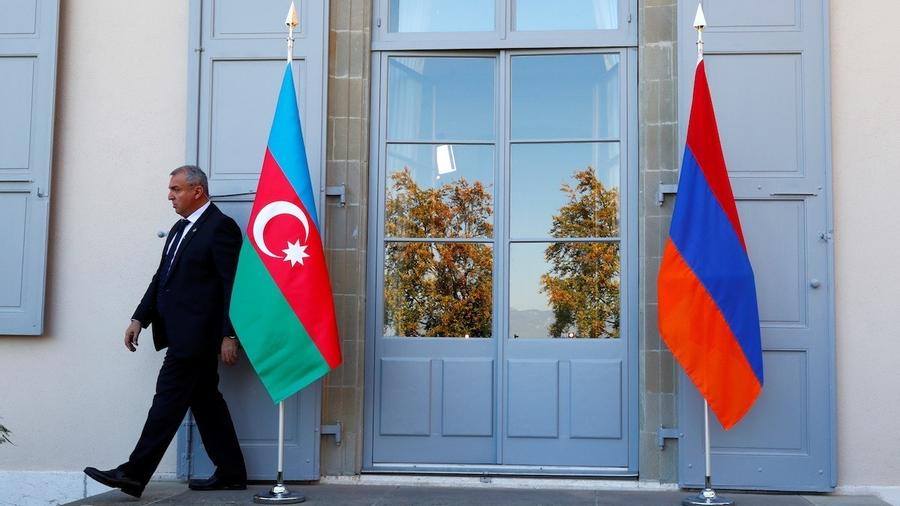
Armenia holds firm on its terms for unblocking communications
The issue of unblocking communications remains one of the most challenging in the Armenian-Azerbaijani negotiations. It was therefore even excluded from the draft peace agreement. Azerbaijan insists that Armenia provide an extraterritorial road to connect with its exclave, Nakhchivan, referred to as the Zangezur corridor. Armenian authorities maintain that they are willing to provide roads, but under their own jurisdiction. In other words, they do not agree to cede sovereign control over this territory, which the term “corridor” implies.
“It’s impossible to explain our position any more clearly than we already have. There isn’t a place in the world where we haven’t brought the Crossroads of Peace booklet [an Armenian government initiative on unblocking communications]. From now on, I can only negotiate within the framework of the Crossroads of Peace project,” Mher Grigoryan recently stated.
Commenting on the issue of control and the possible presence of a “third party” on the road connecting Azerbaijan to Nakhchivan, the Deputy Prime Minister noted, “The security on Armenian territory will not be ensured by forces from any third country.”
The Armenia-Russia-Azerbaijan trilateral meetings have not continued, as, according to the Deputy Prime Minister, “there are fundamental disagreements,” and without consensus, discussing details is pointless:
“Customs control and border functions must be full and sovereign. In this case, Armenia will be ready for unblocking.”
Beyond reopening of Meghri railway
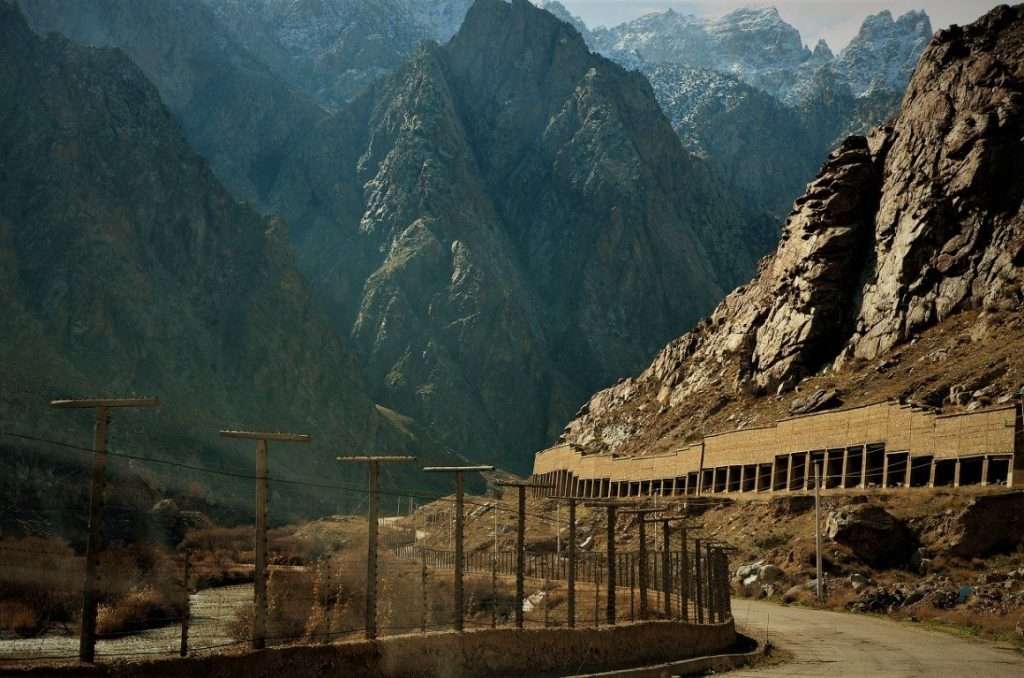
Until 2022, Yerevan and Baku discussed the reopening of the Meghri railway under Moscow’s mediation. The Armenian government made preliminary estimates, projecting that the railway construction would cost $200 million. However, construction never began, as Armenia hoped to first sign a peace agreement. This agreement is still under negotiation, and the topic of unblocking communications was mutually excluded from the draft peace agreement in August this year.
According to Minister of Territorial Administration and Infrastructure Gnel Sanosyan, current negotiations are focused on the full implementation of the Crossroads of Peace project:
“We discussed the Meghri railway, the Yeraskh section, and the Ijevan section—essential infrastructures that once operated but are currently inactive. The possibility of restarting them is being discussed.”
The minister stated that if agreements are reached with Azerbaijan, preliminary calculations will be completed swiftly, and the project will commence:
“We will prepare a budget, allocate funds by year, and determine the necessary annual amount. We see no issue with this. The Armenian government is capable of implementing projects on this scale, and countries often use credit resources to realize such projects.”
Armenia considers talks without Russia


CEC members demand repeat election
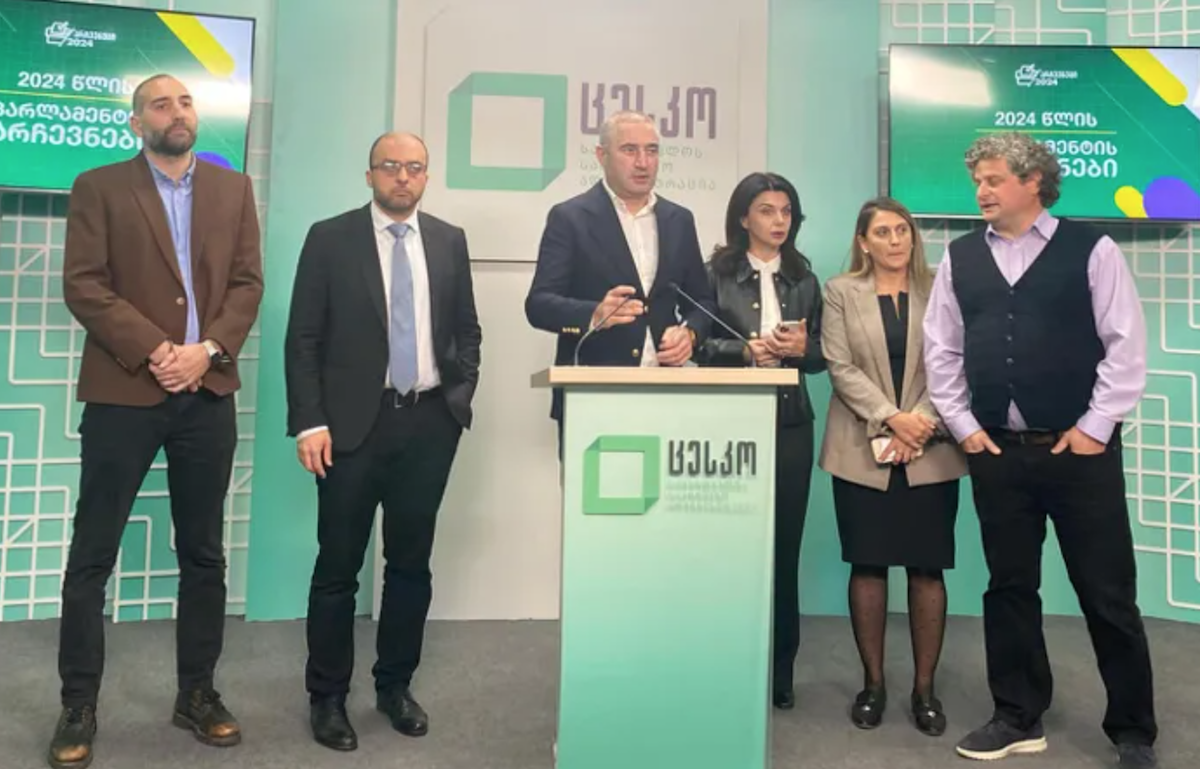
Opposition members of Georgia’s Central Election Commission (CEC) demand an immediate CEC meeting and a repeat elections, as they claim that ballot secrecy was violated in the October 26 parliamentary elections.
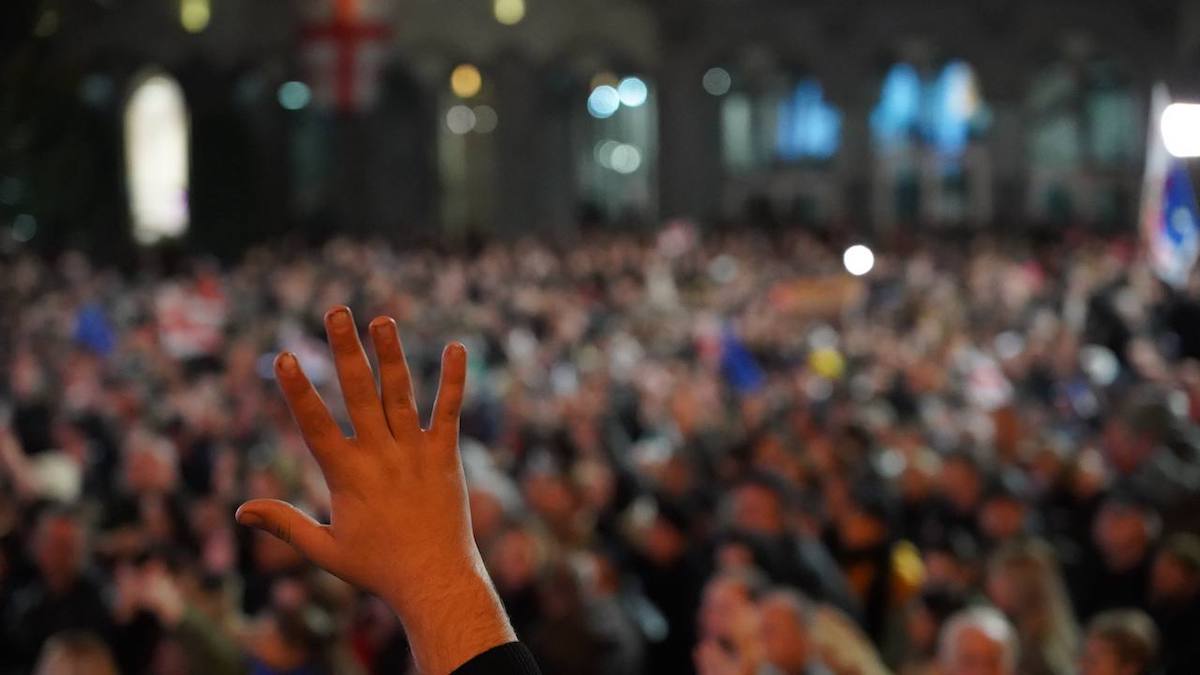
“Ten days have passed since the election, and during this time, political parties, NGOs, and most importantly, Georgian voters have protested against the violation of the Constitution’s main principle—ballot secrecy.
Opposition CEC members are urging Chairman Giorgi Kalandarishvili to urgently convene a commission meeting to declare the elections null and void. We demand a re-election,” said David Kirtadze, a representative of the “Unity—National Movement” coalition in the CEC.
According to another opposition CEC member, Giorgi Sioridze, ballot secrecy violations in the election were also confirmed by the court in Tetritskaro, southern Georgia, which annulled the voting results at 30 polling stations.
“This means there is a legal basis to declare the election void and call for a re-election,” Sioridze stated.
On November 4, Judge Vladimir Khuchua annulled the voting results at 30 polling stations in the Tetritskaro and Tsalka municipalities, ruling that ballot secrecy had been violated there. The Georgian Young Lawyers Association, which filed the lawsuit, believes this decision has set a new precedent.
CEC members demand repeat election
