
Western Azerbaijan Community denounces anti-Azerbaijani bill by pro-Armenian Congressman Trend News Agency
Day: September 24, 2024
Georgian authorities on Transparency International
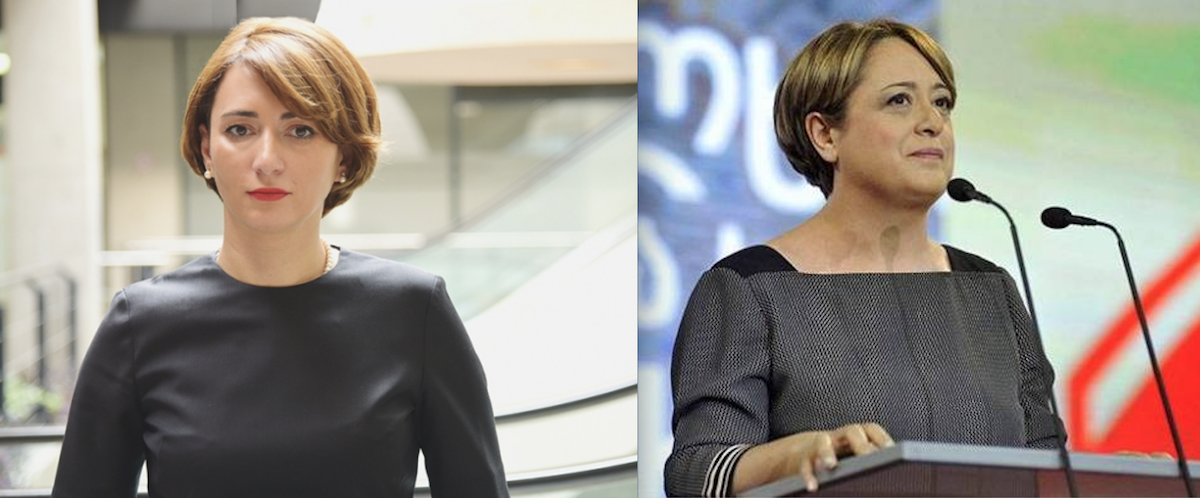
Georgia’s Anti-Corruption Bureau has classified the local branch of the international organization Transparency International (TI-Georgia) and the civic movement Choose Europe as “entities with declared electoral goals”.
TI-Georgia’s director, Eka Gigauri, and the founder of the Choose Europe movement, Khatuna Lagazidze, have also been given the same designation personally. This means they will be subject to restrictions under the law on “Political Associations of Citizens.”
Razhden Kuprashvili, the head of the Anti-Corruption Bureau, stated that the organizations and their leaders must submit financial reports for the relevant reporting period within five days. They are also required to disclose their bank account details used for income and expenses related to what he says are their electoral activities.

Kuprashvili indicated that a monitoring has revealed that Transparency International-Georgia and its executive director, Eka Gigauri, are “actively participating in the election campaign both directly and through the ‘My Vote for the European Union’ campaign,” which he said aims to support specific political parties while discouraging support for others.
“Statements are being made to mobilize various material and immaterial resources. Meetings with the public are being held, and special groups are being created on social media to shape specific political sentiments. A specially created website, an app, and both local and international media are being actively utilized,” said Kuprashvili.
He also asserted that the “Choose Europe” movement, its director Khatuna Lagazidze, and board members are actively involved in electoral processes that either support or withdraw support from specific political parties.
“Human and material resources have been deployed for this purpose, including presentations, regional public meetings, concerts, and the production and distribution of video clips, with financial expenditures exceeding 100,000 lari (about $37,000). These resources are aimed at fostering specific political sentiments among the population and influencing their opinions ahead of the elections.”
“No factual or legal basis”
In response, Transparency International-Georgia has released a statement describing the Anti-Corruption Bureau’s decision as unfounded and aimed at persecuting monitoring organizations. TI-Georgia maintains that the Bureau’s decision lacks both factual and legal grounding.
“Transparency International-Georgia and Eka Gigauri have remained committed to Georgia’s European choice, which has been articulated in all public statements. This choice is enshrined in the Constitution of Georgia and aligns with the aspirations of the overwhelming majority of the population.
We operate within the framework of the Constitution of Georgia and will await to receive the Bureau’s decision before taking appropriate legal action,” the organization stated.
“A new persecutor”
Lawyer Guram Imnadze characterized the actions of the Anti-Corruption Bureau as a “new level of legal arbitrariness.”
“This decision does not align with the standards of the rule of law; rather, it undermines fundamental legal principles through formal norms and procedural arguments.”
Imnadze noted that the Anti-Corruption Bureau was established in March 2023 and emphasized that “a government with openly authoritarian intentions and an anti-democratic agenda should not be tasked with creating a new service.”
“First and foremost, excessive and unchecked political power must be balanced; otherwise, any new service established by a political force with such power will, at best, create the illusion of democratic control, and at worst, become a new instrument of authoritarianism. The Anti-Corruption Bureau has become a new persecutor of civil groups ahead of the elections.
If we look back at the creation of the Anti-Corruption Bureau in March 2023, it’s clear that expecting a government with authoritarian intentions and an anti-democratic agenda to create an independent service is unrealistic.
The real issue is unchecked political power, which needs to be balanced.
Otherwise, any new service created by such a government will either give the illusion of democratic control or become a tool for more authoritarian actions.
It is like how the Anti-Corruption Bureau is now targeting civil groups before the elections.“
Georgian authorities on Transparency International

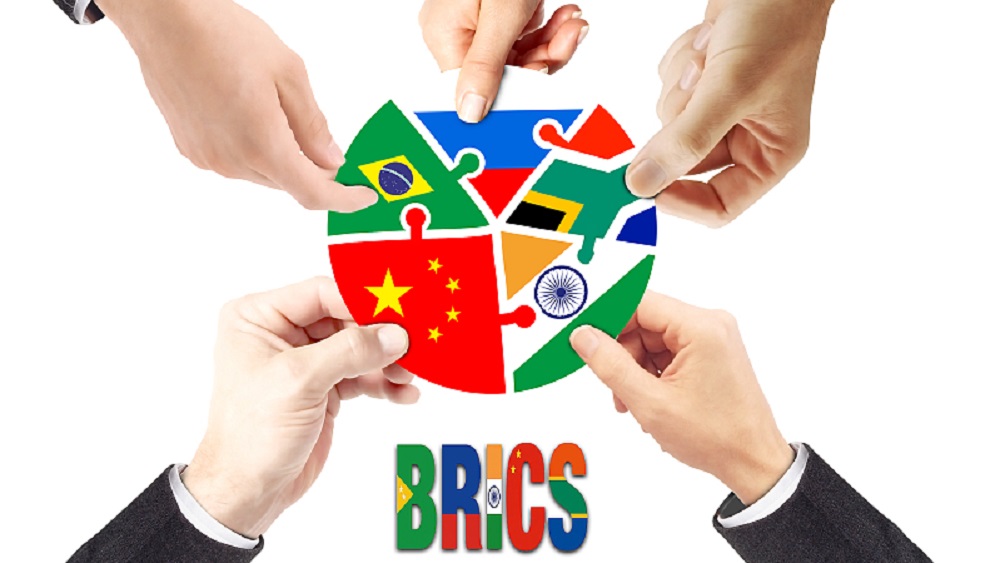
BRICS and transportation corridors
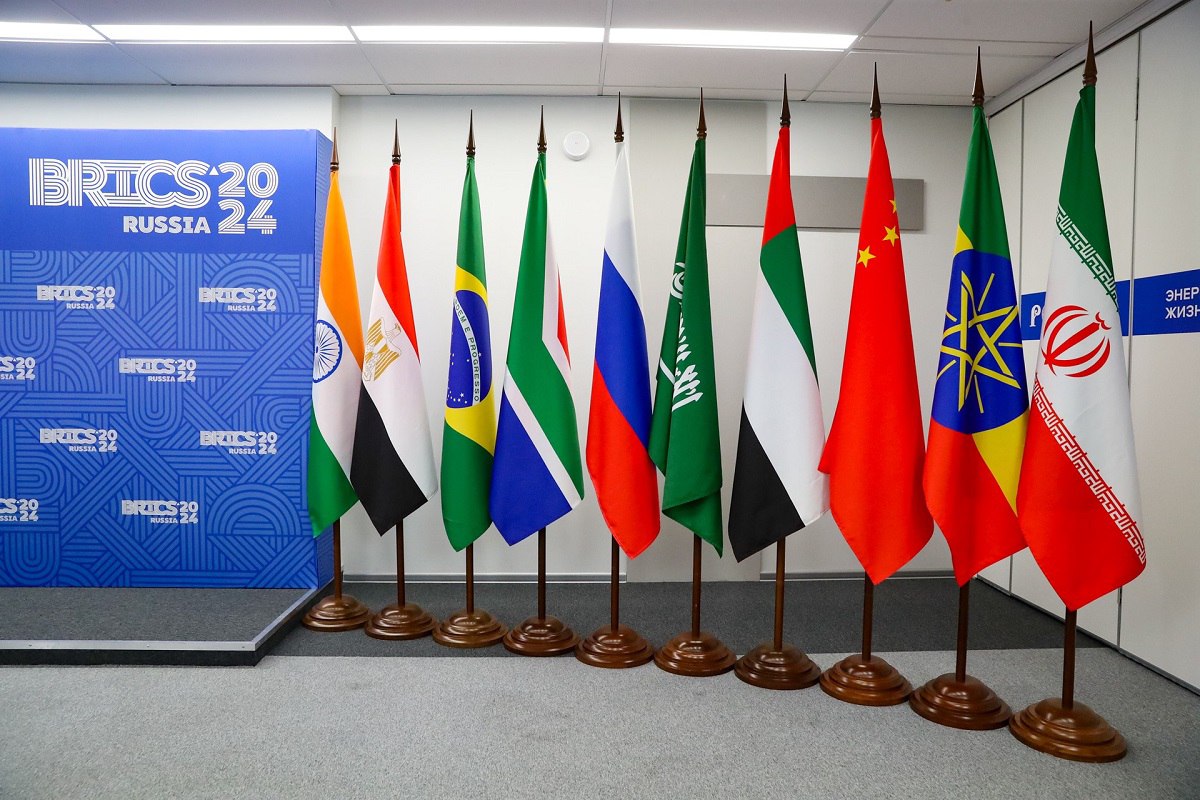
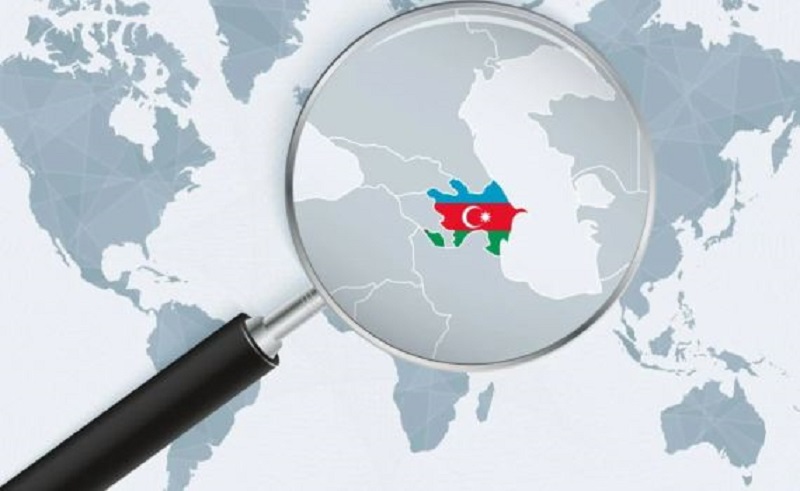
Azerbaijan has applied for membership in BRICS, while there is a significant interest in the country regarding the full-scale operation of international transportation corridors North-South and West-East that pass through its territory.
Azerbaijani political analyst Farhad Mammadov discusses the influence of BRICS on the international transportation corridors that traverse the South Caucasus.
- President of Georgia: “They want to legalize the use of force”
- Azerbaijan’s 2025 budget: is it socially oriented?
- “A state cannot attack its own territory.” What happened in Karabakh a year ago: a commentary from Baku
Azerbaijan’s interest in transportation and communication
“After Azerbaijan applied for membership in BRICS, attention to this global format has increased. This is not a traditional format of interaction; for instance, there is no permanent secretariat in this format. Discussions take place on specific topics of mutual interest. If there is no consensus among all the participants of the organization, it does not lead to a crisis; instead, subgroups of countries emerge around particular topics and projects.
One area that interests Azerbaijan is the topic of transportation and communication. Let’s take a look at this aspect within the BRICS portfolio and try to understand how this topic is reflected in BRICS activities.”
Transportation and logistics: A focus supported by China and Russia
“The topic of transportation and logistics enjoys significant support from both China and Russia. China aims to align BRICS projects in the transport and logistics sector with its own global Belt and Road Initiative. However, Beijing has not yet succeeded in fully integrating all the infrastructure projects of its global initiative with the vision of BRICS countries. Nevertheless, understanding and approval have been achieved on certain directions and projects. Meanwhile, Russia is interested in developing transport corridors along the “East-West” and “North-South” routes.
As a result, in August 2023, a permanent BRICS Transport Commission was established during the latest summit in Johannesburg.
In June 2024, the first meeting of the transport ministers of BRICS member states took place, resulting in the adoption of the BRICS Connectivity Declaration. This declaration calls for enhanced cooperation among BRICS countries in implementing joint projects and technological collaboration in the transportation sector.
Additionally, a digital platform called BRICS.Transport is being created to facilitate the exchange of best practices and innovations in this field. A Subgroup on Transport and Logistics has also been established within the BRICS Business Council, and preparations are underway to create a BRICS Transport Academy”.
Financial resources of the structure
“BRICS is creating mechanisms and tools related to transportation and logistics. Alongside this, BRICS has the New Development Bank (an alternative to the World Bank), which possesses reserves amounting to tens of billions of dollars and is working to establish its own financial system (an alternative to SWIFT). Thus, it can be assumed that the transportation and logistics sector, alongside other priorities, could be a focal point for the financial reserves of the structure, and transactions within this system could pioneer a new financial framework.
It’s important to understand that China made decisions regarding the multimodal Communication Network of the Belt and Road Initiative in October of last year, specifically supporting rail connections between China and Europe, including the Trans-Caspian Transport Corridor. The next step is to integrate these initiatives under the BRICS umbrella, which is anticipated to happen at the summit in Kazan. This will allow for the attraction of funding and enhance the level of institutional engagement among BRICS countries.
In addition to the Chinese and Russian initiatives, there is also an Indian initiative within BRICS concerning the “North-South” corridor, which also impacts our region. I believe that this is why Armenia has appeared on the list of participants for the upcoming summit. The participation of the Armenian Prime Minister is primarily a political initiative from India and secondarily connects Armenia to the transportation component.”
The South Caucasus at the intersection of two vectors
“We can conclude that at the Kazan summit, BRICS members will be advocating for various projects to bring them under the ‘BRICS umbrella.’ I believe that BRICS can make decisions regarding all of these projects and directions. The key will be the speed of implementation and overall effectiveness.
The South Caucasus as a whole, and Azerbaijan in particular, are situated at the center of both the East-West and North-South vectors. Azerbaijan’s diplomatic efforts toward BRICS membership, securing the support of China (East-West) and Russia (North-South), must be aligned with the active work of state agencies responsible for the economy and transportation. These agencies should study and integrate into the mechanisms and tools offered by BRICS.”