Categories
South Caucasus News

Azerbaijan plans to boost exports with logistics subsidies


The government of Azerbaijan is expected to approve the rules for paying logistics subsidies by the end of 2024, according to Yusif Abdullayev, Executive Director of the Azerbaijan Export and Investment Promotion Agency (AZPROMO), who spoke at the Azerbai


Categories
South Caucasus News

Azerbaijan and Brazil to cooperate in agriculture


Azerbaijan and Brazil have signed a Memorandum of Understanding on agricultural cooperation, Report informs, citing Azerbaijan’s Ministry of Agriculture.


Categories
South Caucasus News

SouthCaucasus: 👀


Categories
South Caucasus News

Azerbaijan, Iraq mull opportunities for mutual investments & cooperation


Azerbaijan and Iraq are taking steps to boost mutual investments and expand economic collaboration.

Categories
South Caucasus News

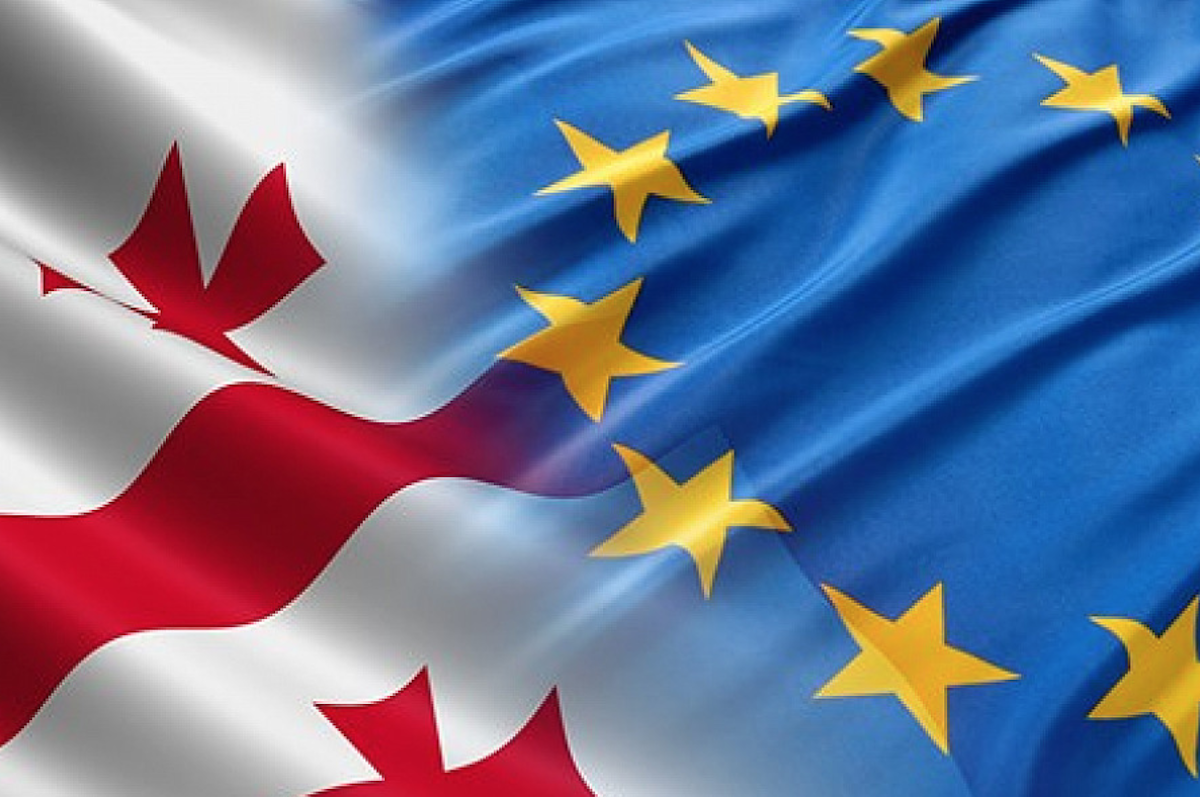
The EU is ready to suspend visa-free travel over the ‘rollback of democracy in Georgia,’ reports Formula TV


The EU will suspend Georgia’s visa-free travel

The EU has agreed to suspend visa-free travel for Georgia after the October 26 parliamentary elections if democratic principles, including free elections, are violated, according to Georgian Formula TV.

Formula TV indicates that consultations and approval processes with the foreign ministries of EU member states have already been completed.

Sanctions by the EU against the ruling party Georgian Dream have consistently been blocked by Hungary, as a member state. However, suspending visa-free travel is a decision that does not require full consensus among member states; the agreement of 15 countries is sufficient.

Georgian Prime Minister Irakli Kobakhidze is trying to convince the public that relations with Western partners will improve starting next year.

He hopes that the war in Ukraine will end next year, which, according to his logic, will lead to the normalization of relations between the Georgian government and its partners.

I want to emphasize that we have certain challenges in our relations with partners, but I believe that once the war in Ukraine ends, all problems will be resolved, and relations will return to normal. Regarding our forecast, we have great hope and belief that the war in Ukraine will end next year.

Therefore, starting next year, relations between the Georgian government and our partners will significantly improve, which is crucial for avoiding any obstacles to economic development,” Kobakhidze said.

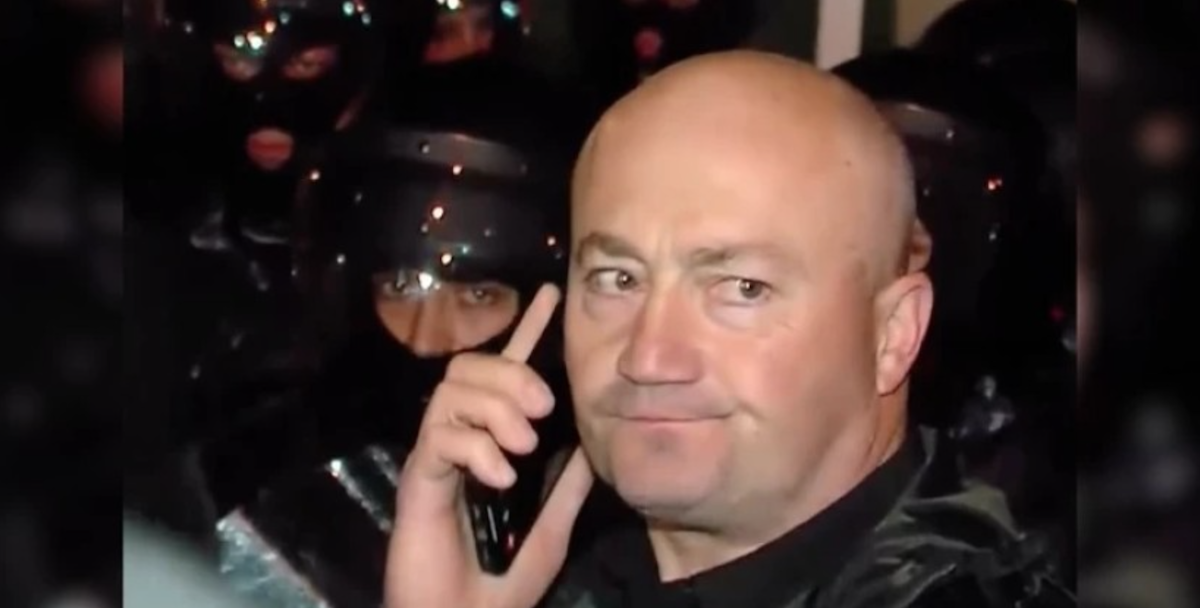
The U.S. Treasury Department has imposed sanctions on the head of Georgia’s special forces, Zviad Kharazishvili (known by the nickname Khareba), his deputy, Mileri Lagazauri, and the leaders of the pro-Russian movement Alt-info, Konstantin Morgoshia and Zurab Makharadze.

Additionally, the State Department has introduced visa restrictions against more than 60 members of the Georgian government and parliament, including their families, for “undermining democracy.”

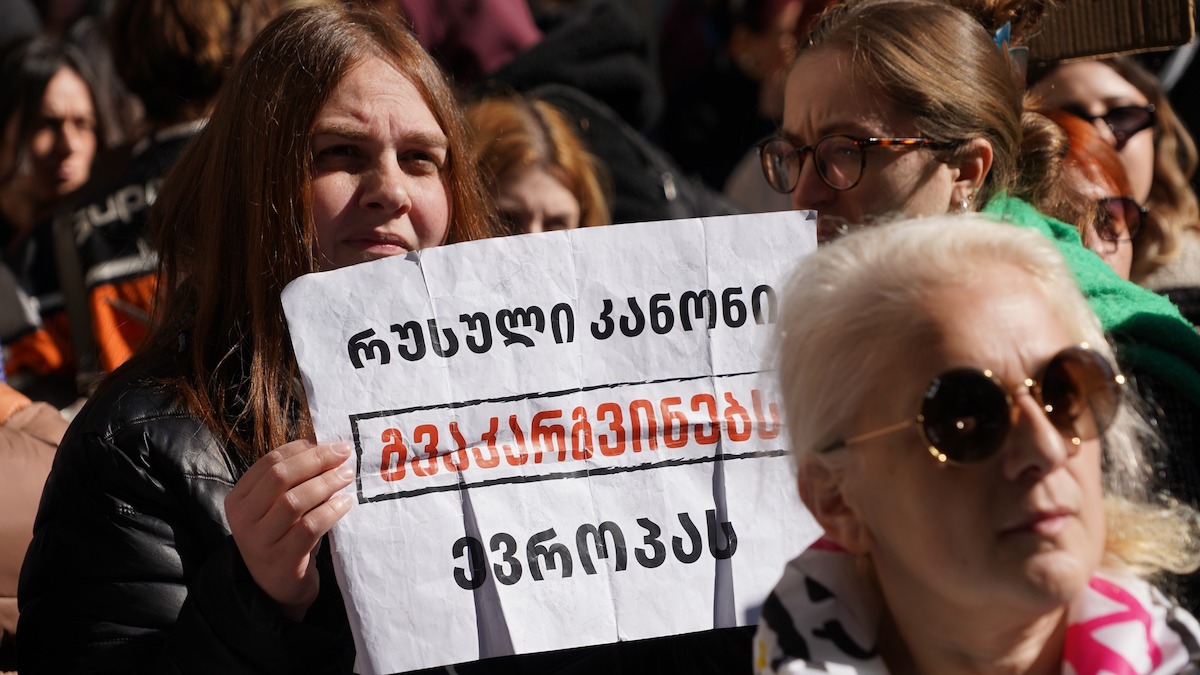
Notably, like Khareba, his deputy has also been added to the so-called “Magnitsky List.” Both high-ranking officials are linked to violence against opponents of the “foreign agents” law [often referred to in society as the Russian law].

The U.S. Treasury Department announced that all assets and properties of these individuals within the U.S. or in jurisdictions under U.S. authority will be blocked.


Categories
South Caucasus News

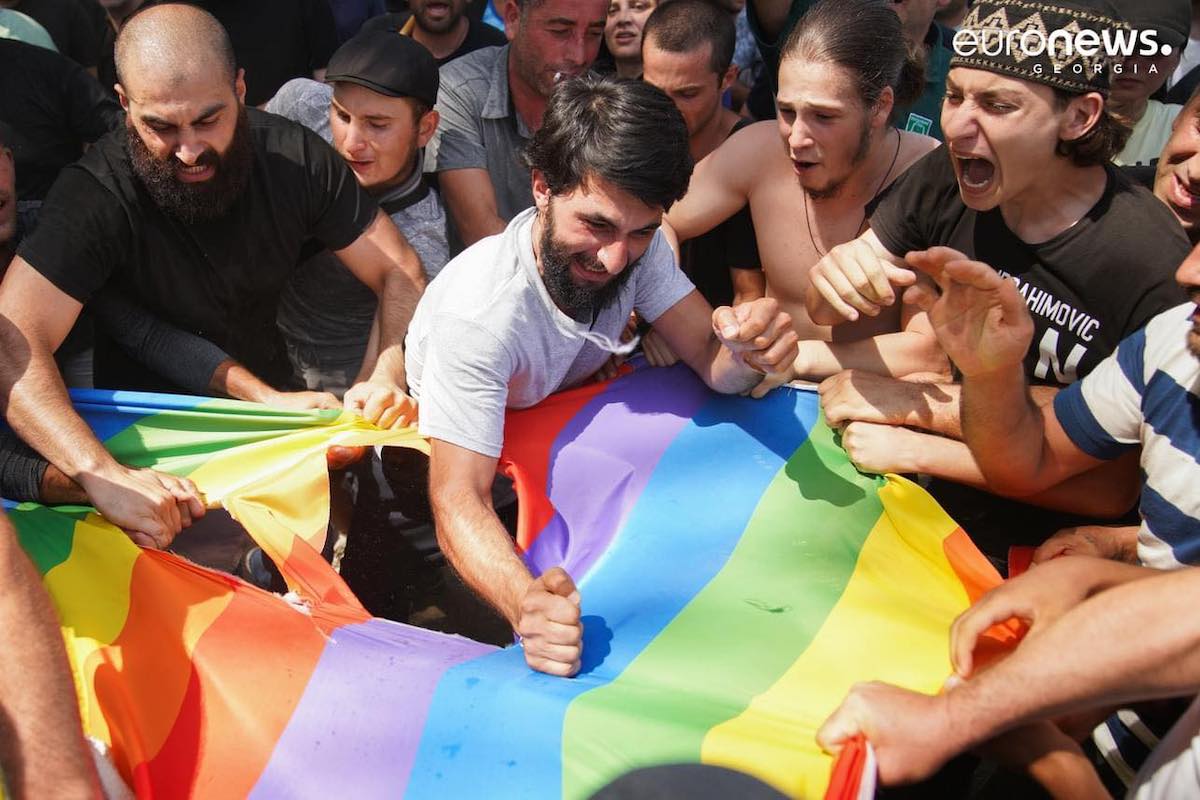
Georgian Parliament passes homophobic law banning LGBT “propaganda”


Georgia passes anti-LGBT law

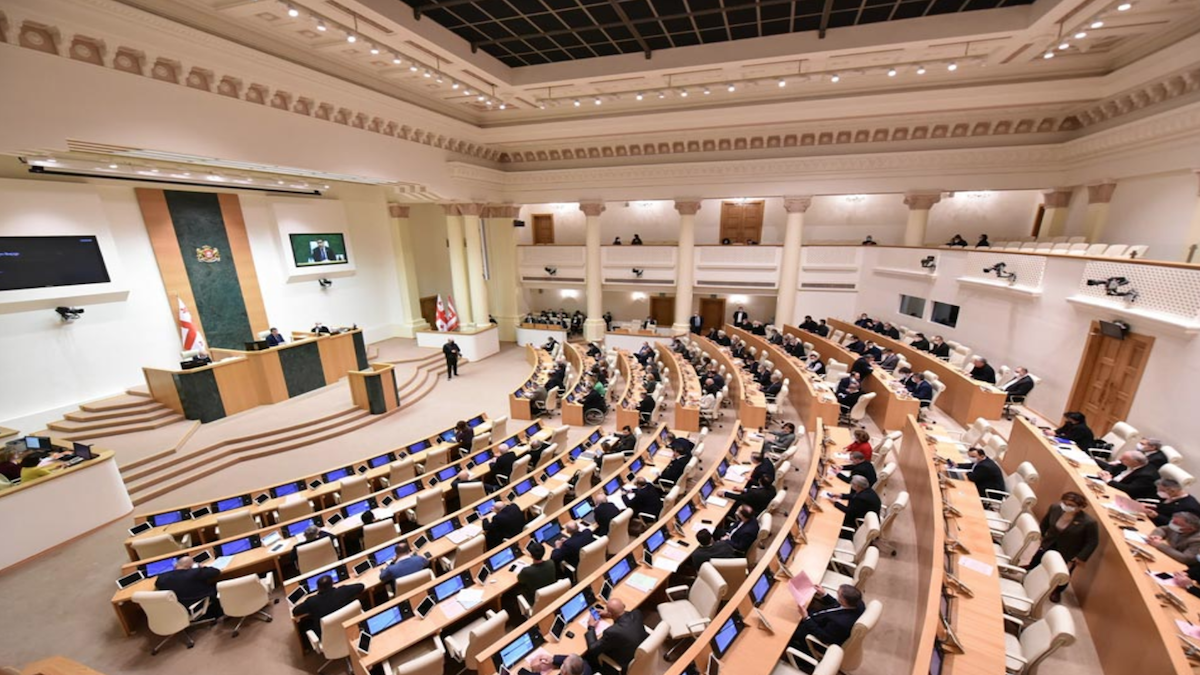
The Georgian Parliament has passed a discriminatory and homophobic anti-LGBT law, with 84 MPs voting in favor.

The ruling party, Georgian Dream, claims the law is meant to “protect family values,” but in reality, it restricts LGBT+ rights and imposes censorship.

The party plans to finalize the law during the autumn session. The package includes 19 bills, which also limit freedom of assembly and introduce media censorship.

The main bill is titled “On the Protection of Family Values and Minors,” with the other 18 stemming from it.

As part of this homophobic agenda, Georgian Dream also aims to amend the constitution, though they currently lack the constitutional majority required. parliamentary speaker Shalva Papuashvili indicated they may pursue these changes after the elections if they secure a majority.

The party also seeks to amend Article 30 of the constitution, which defines family as a union between a man and a woman, by adding a clause stating: “The protection of family values and minors is ensured by the constitutional law of Georgia.”

Venice Commission’s conclusion

The Venice Commission has issued a critical opinion on the anti-LGBT law. It expresses concern that this legislative initiative, dealing with highly sensitive issues, was introduced during a period of large-scale, prolonged protests and significant political and social tension in the country.

The Commission also regrets that the changes are proposed just a few months before the elections, which it believes disregards concerns previously raised by international observers.

The Venice Commission recommends conducting a thorough analysis before adopting the new amendments, involving all segments of society, especially representatives of sexual and gender minorities, as well as experts from relevant fields (law, healthcare, education, social services, etc.).

“This analysis should be publicly available and conducted within a timeframe necessary for consultations to ensure a fair and unbiased assessment of the contentious issues,” the opinion states.

Regarding the legal assessment of the bill, the Venice Commission, considering the case law of the European Court of Human Rights and its previous opinions, notes that compliance with European and international standards cannot be established due to the reasons mentioned.

“Even a single provision in this bill creates risks of fostering a hostile and stigmatizing atmosphere against LGBT+ individuals in Georgia,” the Commission concludes.

Georgia passes anti-LGBT law

What the bill proposes

  • Marriage and adoption: Georgian Dream aims to include a provision stating that alternative unions, other than those between a man and a woman, cannot be registered. Additionally, queer individuals will be barred from adopting minors. It is worth noting that queer people in Georgia already face limitations on these rights under current laws.
  • Transgender rights: The changes further restrict the rights of transgender individuals by limiting access to medical services, gender-affirming procedures, and recording gender identity in official documents.
  • Freedom of expression: The amendments also curtail freedom of expression. According to Shalva Papuashvili, it will be prohibited to promote information in educational institutions that advocates for gender identities different from one’s biological sex, same-sex relationships, or incest.
  • Media restrictions: The bill will ban the dissemination of such information on television, likely leading to the removal or technical editing of specific scenes from films.
  • Public assemblies: If passed, the law will prohibit public gatherings and demonstrations aimed at promoting gender identities different from one’s biological sex, same-sex relationships, or incest.

Categories
South Caucasus News

Why Can’t Pashinyan Remember the Document He Signed at the End of the 2020 War? – Horizon Weekly


Why Can’t Pashinyan Remember the Document He Signed at the End of the 2020 War?  Horizon Weekly

Categories
South Caucasus News

Azerbaijani agency head outlines goals for unifying digital platforms under ‘mygov’


Currently, one of the main tasks of “mygov” is to ensure the transition of platforms and mobile applications to a single system.

Categories
South Caucasus News

U.S. State Department imposes visa restrictions on 60 more for “undermining Georgia’s democracy”


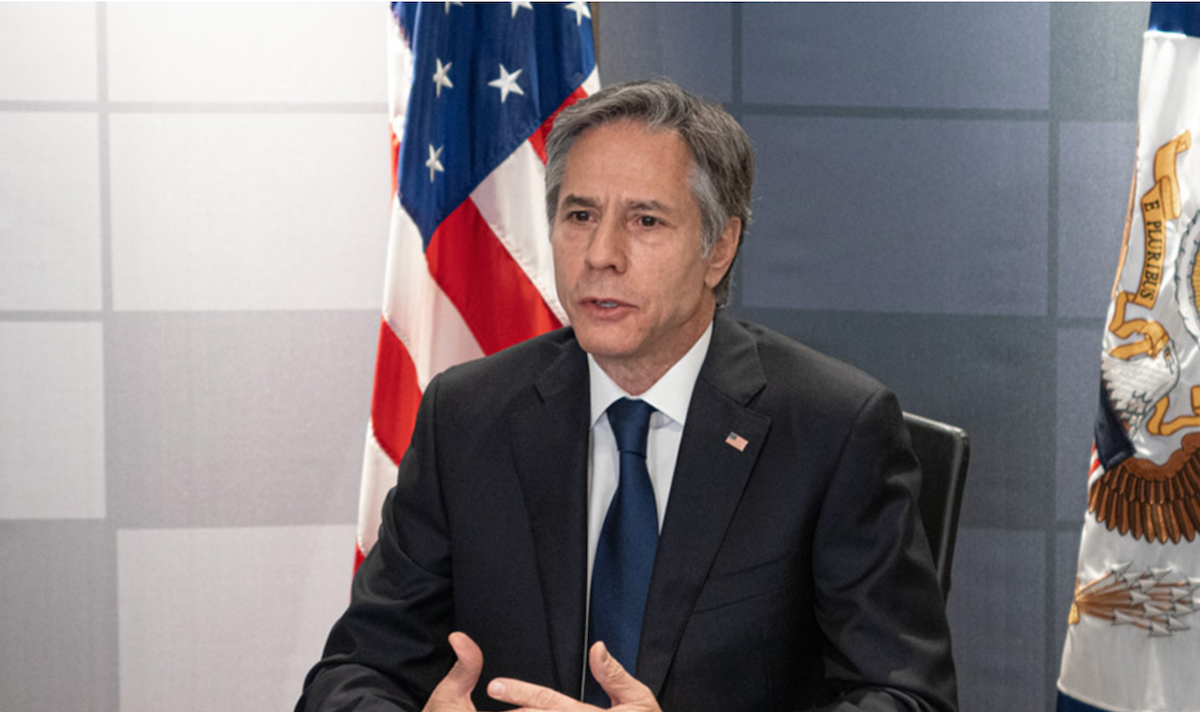
Blinken on visa restrictions in Georgia

The U.S. State Department is taking further action by imposing visa restrictions on over 60 Georgians and their family members involved in undermining democracy, according to a statement from U.S. Secretary of State Antony Blinken.

Blinken also expressed concern about human rights violations and anti-democratic actions in Georgia, adding that the State Department will continue to consider additional measures in response.

What the State Department’s statement says

“The United States is today imposing a broad array of accountability measures on a number of Georgian government officials and others who have undermined Georgia’s democracy and the human rights of the Georgian people.

The United States has imposed sanctions on two Georgian government officials—Ministry of Internal Affairs Special Task Department Chief Zviad “Khareba” Kharazishvili and one of his Deputies, Mileri Lagazauri—for their involvement in serious human rights abuse during the violent response to peaceful protests against the foreign influence law. We are also sanctioning two Georgian leaders of a violent extremist group, Konstantine Morgoshia and Zurab Makharadze, for serious human rights abuse, including violent attacks on Georgians exercising their freedom of peaceful assembly.

The Department of State is also taking additional steps to impose visa restrictions on more than 60 Georgian individuals and their family members responsible for, or complicit in, undermining democracy in Georgia. These individuals include senior government and municipal figures who abused their power to restrict the fundamental freedoms of the Georgian people, business leaders involved in corrupt practices, persons who have spread disinformation and promoted violent extremism, members of law enforcement who were involved in the beating of protesters, and members of parliament who played a critical role in advancing undemocratic legislation and restricting civil society.

We remain concerned about human rights abuses and anti-democratic actions in Georgia, and we will continue to consider additional actions in response. The United States unequivocally supports the rights of Georgians to assemble, speak, and peacefully protest without fear of violence, intimidation, or suppression”, – said Antony Blinken.

The U.S. Treasury Department has sanctioned Zviad Kharazishvili, head of Georgia’s Special Forces (known as “Khareba”), his deputy Mileri Lagazauri, as well as pro-Russian movement Alt-info leaders Konstantin Morgoshia and Zurab Makharadze.

In addition, the State Department has imposed visa restrictions on over 60 Georgian government and parliament members, along with their families, for “undermining democracy.”

Notably, both Khareba and his deputy were added to the “Magnitsky list.” These top officials are linked to violence against opponents of the controversial “foreign agents” law, also known as the Russian law.

The U.S. Treasury stated that all assets and property of these individuals located in the U.S. or under U.S. jurisdiction will be frozen.

On May 23, 2024, Secretary of State Antony Blinken announced a new visa restriction policy targeting those responsible for passing the “foreign agents” law. He also stated that the U.S. is fully reviewing its cooperation with Georgia.

Shortly after, visa restrictions were imposed on over 30 government and parliament members involved in violence and intimidation against civil society and threats to the freedom of peaceful assembly.

On July 5, the U.S. Department of Defense announced that the Noble Partner military exercises, scheduled for July 25 to August 6 in Georgia, were postponed indefinitely, citing the ongoing review of U.S.-Georgia relations.

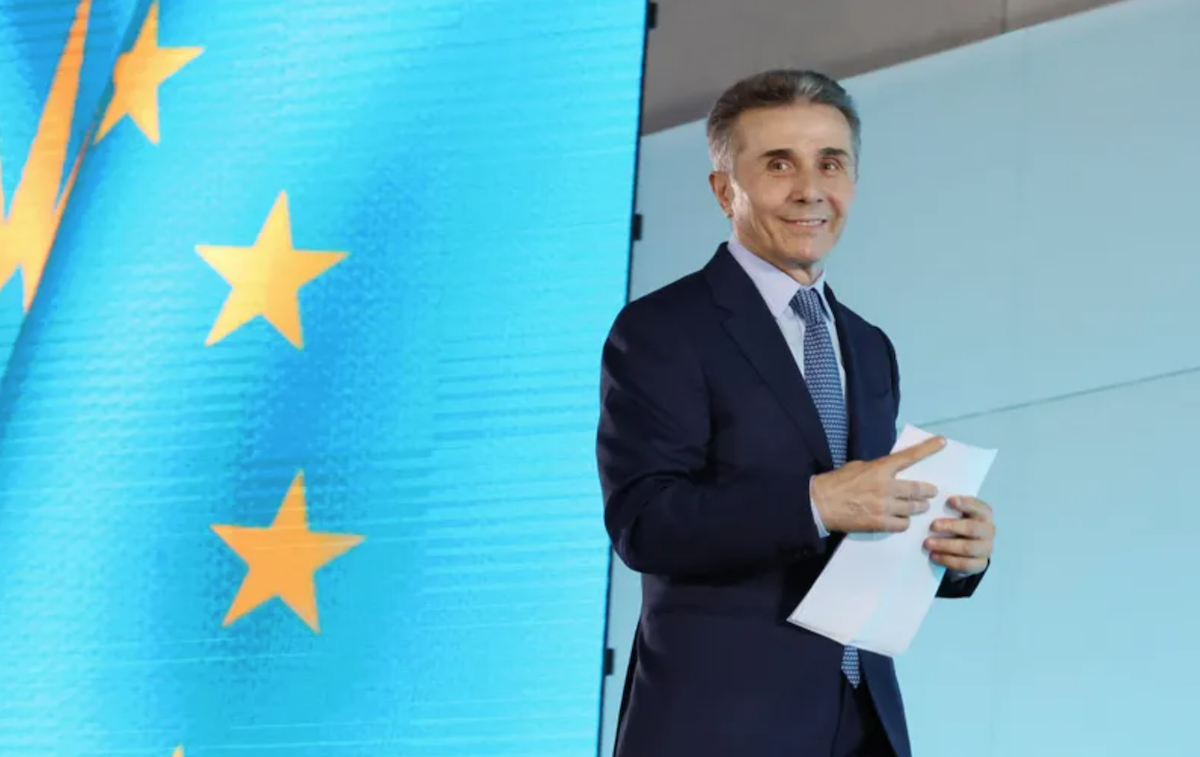
On July 31, reports surfaced that U.S. congressmen had sent a letter to Blinken, urging financial sanctions against Bidzina Ivanishvili.


Categories
South Caucasus News

Celebrating 30 years of the ACG project: Legacy of energy and innovation


Azeri-Chirag-Gunashli is celebrating its 30th anniversary in 2024. On this greatly achieved landmark, Azernews presents a detailed overview of the Azeri-Chirag-Gunashli (ACG) project’s legacy and the significant implications that lie ahead in the future.