Categories
South Caucasus News

Professor Irina O. Abramova: Closing The Gender Gap In Russian-African Relations – OpEd


Professor Irina O. Abramova: Closing The Gender Gap In Russian-African Relations – OpEd

File photo of Prof. Irina Abramova and Russian President Vladimir Putin. (photo supplied)

While analysing several reports after the collapse of the Soviet era, thus opening a new chapter in relations with and the strategic importance for Africa, it is very noticeable to count only on finger tips women who have devoted their [proactive] energy and enthusiastic power to strengthening relations between Russia and Africa.

It is well-known the Soviet-African relations’ historical and chronological stages, its evolutionary processes from Soviet times and the post-Soviet period until today. Russia is showing increasing its influence in Africa. Conferences, meetings and forums proliferate both ways, attracting quite a number of dignitaries from government, ministries, departments, institutions and agencies.

Women’s role in Russian-African relations has equally fundamental significance, an aspect that arguably has to be taken into serious account. With this in mind, there is the necessity to share views and thoughts on existing challenges and opportunities, and other pertinent issues affecting women and development of relations between Russia and Africa. We are also categorically referring to the topic of women’s empowerment in politics, economy and social spheres, as well as on international stage.

There are three women who came to mind: the Chairwoman of the Federation Council, Valentina Matviyenko, then South African Dr Nkosazana Dlamini Zuma and Tanzanian Stergomena Lawrence Tax.

Japanese trained and educated Stergomena Tax, in her career, became the as the Executive Secretary of the Southern African Development Community [SADC]. She visited moscow a couple of times, but her attempts in bring SADC closer to Russia saw little results. Until today, the regional organisation SADC has a very weak relations with the Russian Federation.

Author of this article, in a long-ranging interview in October 2018 with the Executive Secretary of the Southern African Development Community, Stergomena Tax, discussed aspects of SADC-Russia’s economic cooperation. She also focused on strategies and challenges as well as future perspectives. One distinctive phrase she told me was “Russia has a long history of bilateral engagements with the Southern African countries, which constitute the Southern African Development Community, a Regional Economic Community [REC].”

According to her, it was difficult obviously to speak for Russia, but the general overview of why international partners and investors would consider SADC an attractive or strategic investment partner, the region is peaceful and stable. The southern African states have largely relied on multilateral and regional development financial institutions to fund their development projects, which Russia could not provide and guaranteed.

In the case of Nkosazana Zuma, she still remains an indisputable trailblazer in the uplifting and empowerment of women. Her career as a struggling activist and politician is testimony to her indestructible and courageous spirit. In 1999, then President Thabo Mbeki appointed Nkosazana Zuma as Minister of Foreign Affairs.

In this role, she actively championed South Africa’s foreign policy which centred on the promotion of human rights, stability, peace, collective development and advancement of this continent. It was during her tenure as Minister of Foreign Affairs that the African Union was launched in 2002.

In July 2012, Nkosazana Zuma was elected Chairperson of the African Union Commission. This was a major achievement in the sense that a woman and indeed a candidate of the southern region was successfully elected to this high post. She dealing with Russia, to promote Russia-Africa affairs was only short-lived. She is credited primarily due to the fact that there is a longstanding ties between Russia and South Africa.

Across Africa and in Russia, at least, the single woman who stands tall among women on several countless platforms is Professor Irina O. Abramova. Comparatively, Russian-African gatherings bring together women speakers and participants to panel sessions and discussions, the conferences offered the platform for interactions, socialisation and networking.

Who is Professor Irina Abramova

Professor Irina O. Abramova, Director of the Institute for African Studies of the Russian Academy of Sciences [RAS]. She took over the directorship in 2016 from Professor Alexey Mikhailovich Vasilyev, Academician of the Russian Academy of Sciences [RAS] and the Honorary President of the Institute for African Studies [IAS].

Earlier in 2011, she successfully presented her thesis on “Africa’s Resource Potential in the World Economy of the 21st Century” at the Institute for Oriental Studies of the Russian Academy of Sciences and obtained a D.Sc. degree in International Economics. Abramova is the author of over 250 academic works, including 10 monographs, among them – “The New Role of Africa in the Global Economy in the 21st Century.”

Abramova actively cooperates with higher education institutions of Moscow and St. Petersburg, successfully combining academic and pedagogical activity and sharing her knowledge and experience with students of Lomonosov Moscow State University, Russian State University for the Humanities, RUDN University and St. Petersburg University.

Abramova’s role and contributions

There are principally two directions: policy advocacy and academic works.

1. (a) Over the years, Abramova since her appointment ad director of the Institute of African Studies, she has passed through the boardroom experiences, panel sessions, group brainstorming sessions and numerous presentations among others. She has shared very insightful thoughts with both Russians and Africans. These are politicians, academics, researchers, corporate business executives and ordinary citizens. It is worthy to note her display of moderating huge conferences attended by high-level dignitaries including African leaders with Russian President Vladimir Putin. (See the attached cover photograph).

Abramova moderated, since its inception in 2018, special African sessions at the St. Petersburg International Economic Forum [SPIEF]. The St. Petersburg International Economic Forum, popularly referred to as SPIEF, brings together international business leaders, government officials and representatives of expert and media communities to discuss various topics and jointly search for effective solutions to the most pressing challenges in Russian and global economies.

Furthermore, she moderated both the first and second Russia-Africa summits held respectively in southern coastal city of Sochi [October 2019] and in St. Petersburg [July 2023]. These summits were exclusively to review and design future pathways for Russia and Africa. After the first Russia-Africa summit held in Sochi, and within the framework of the joint declaration that was adopted, the Ministry of Foreign Affairs of the Russian Federation created a Secretariat of the Russia-Africa Partnership Forum.

With hopes for a comprehensive and enduring collaboration on long-term programs, Secretariat of the Russia-Africa Partnership Forum has since then been networking for potential Russian, African and regional organisations with the aim of effectively promoting especially Russia’s economic interests in Africa and, on bilateral basis, to foster beneficial cooperation with African countries.

As basic principles of advocacy, Abramova has inspired policy campaign and success stories. One distinguishing feature which has kept us progressing, however, is her unlimited positive motivations, shaping the conversation in the most transformative approach and convincing engagements. These are testimonies and best practices on advancing gender equality and women’s empowerment in the changing society.

In addition, she emphasizes the need to be optimistic about building strategic partnerships. She further portrays the fact that women can take leading initiatives from local African communities to the global platforms. In this advocacy context, Abramova pushes for the power of education [knowledge sharing], equality and inclusiveness; and finally drives people into taking business initiatives [innovations] and, of course, to get involve in decision-making process …that is taking positions in leadership.

In an insightful long-ranging conversation by this article author, the task of Russian researchers is to offer theoretically rationale and innovative policy solutions for improving Russia-African relations. One of the results of rethinking of foreign policy priorities of Russia on the basis of President Vladimir Putin’s initiative was, in particular, a definite shift in Russian foreign policy in the direction of the axis of the East and Global South. It serves as a new impetus for further development of mutually beneficial cooperation outside of the Euro-Atlantic partners.

“For Africans, Russia still appears as the most likely ally in defending its interests in the world arena as a natural counterweight to the hegemonic aspirations of one or a group of world powers,” she told me in the face-to-face interview. Russia’s relations with Africa is witnessing new trends. It is deepening and with more active political dialogue, activated economic, humanitarian and cultural cooperation. This is facilitated by negotiations at the highest level. Relations are steadily developing with leading regional associations, including the continental African Union [AU].

2. (b) Professor Abramova has published several interviews both in local and foreign media. In December 2019, for instance, her articles in Rossiyskaya Gazeta and TASS News Agency, reiterated explicitly that Russians have to do away with negative perceptions and attitudes toward Africa. The attitudinal change has to reflect in all aspects of the relationship with Africa and Africans. Secondly, Abramova has highlighted Africa’s tremendous potential, including its unique natural resources, required for high-tech industries.

The middle class is expanding very fast there, already amounting to 280-300 mln people and this constitute a huge consumer market for products and services, according to her estimation. The fact that many prominent politicians and businessmen of the African continent graduated from Russian universities and speak Russian well contributes to strengthening of Russian-African relationship, the expert said, adding though that a new generation is about to take over in Africa, which is also reason why Moscow should maintain the existing solid social and cultural bilateral ties.

Referencing the above-mentioned article content, the key points are changing perceptions about Africa, strengthening the economic sectors and keeping eyes on the growing middle-class, the wealthy Africans and the elites in the continent. Cultural aspects play its prominent roles as well which should not be overlooked. These are some of the glaring factors necessitate raising multifaceted relations with Africa.

Abramova Deserves an Award for Policy Advocacy and Gender

Currently as a director and beyond as a policy advocate, Professor Abramova deserves an award for her role in promoting Russia-Africa relations. But at first, the media needs to identify her role and accordingly offered her that highest credit for bridging the gender gap, gender perspectives. She is a prominent academic, and does consistently policy advocacy for the Kremlin, for the MFA and for both Russia and Africa.

In a logical conclusion, the role of women today is extremely important integrating their skills in bilateral relations, multilateral development processes of Russia and the African continent with approx. 1.4 billion people, majority impoverished despite the huge endowed natural and human resources in Africa. For Africans, looking at the current geopolitical developments and emerging multipolar world, Russia is associated with the Soviet Union, the majority of Africans still have very warm feelings and lovely sentiments towards the Russian Federation.

Categories
South Caucasus News

Anti-Refugee Protests And The Direction Of Politics – OpEd


Anti-Refugee Protests And The Direction Of Politics – OpEd

black vote minority hands

In recent times, anti-refugee protests and rhetoric have been on the rise both in Turkey and globally. The incidents in Kayseri can be seen as a sign that the public’s patience is running thin. This situation necessitates the evaluation of various political approaches and solutions to the refugee issue.

Moderate and Calm Approaches

Anti-refugee protests are often managed with very moderate and calm statements to avoid creating an illegal situation and to prevent incitement of hatred and hostility among the public. Such an approach aims to reduce social tension and prevent potential conflicts. However, it is evident that this strategy is not always effective and some segments of the population do not find it sufficiently satisfying.

Lack of Solutions from Left-Wing Parties

Left-wing parties generally propose human rights-oriented, inclusive, and humane solutions to the refugee problem. However, these approaches can sometimes fall short in providing concrete and practical solutions. The lack of solutions from left-wing parties can lead to disappointment and distrust among the broader population. This may cause voters to turn to parties offering alternative solutions.

Rise of Right-Wing and Fascist Parties in Europe

We are currently in a period where right-wing and even fascist-leaning parties are drawing attention with their strict policies in Europe, including in France, Germany, Italy, and Denmark, and are gradually coming to power. These parties implement very strict and sometimes human rights-incompatible policies towards refugees and immigrants. While such policies find support among some segments of the population, they cause great concern in others.

Political Situation in Turkey

In Turkey, there is a concerning possibility that the opposition that could change the current government may come not from soft and humane left-wing parties, but from far-right, nationalist, and fascist parties advocating for strict measures. These parties might gain a broader base by feeding on the existing tension and unrest in society. However, there are serious concerns about how this situation would affect social peace and democratic values in the long run.

It is imperative to find balanced, fair, and human rights-respecting solutions to the refugee issue. Developing moderate and inclusive policies without increasing social tension is crucial for maintaining peace and stability both in Turkey and globally. Solutions to the refugee issue should transcend the ideological approaches of political parties and should focus on sustainable and humane policies that consider the common interests of the entire society.


Categories
South Caucasus News

Relocation Of Chinese Industries To Pakistan: Strategic Move For Economic Growth – OpEd


Relocation Of Chinese Industries To Pakistan: Strategic Move For Economic Growth – OpEd

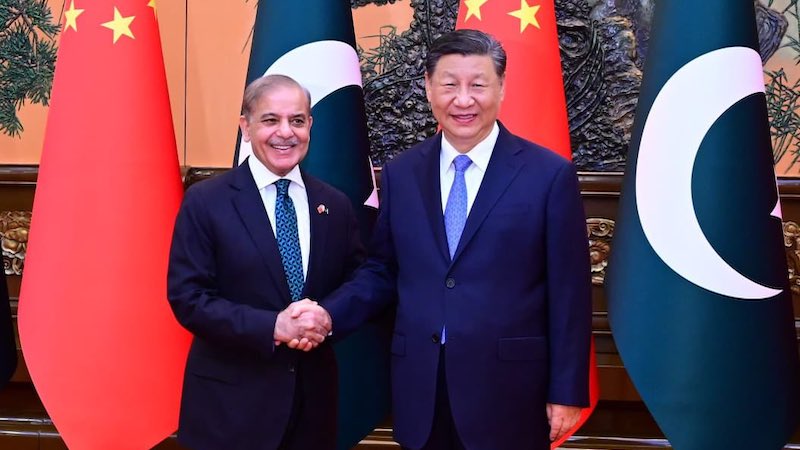
Pakistan's Prime Minister Shehbaz Sharif with China's President Xi Jinping. Photo Credit: Shehbaz Sharif, X

In a significant development reflecting the strengthening ties between Pakistan and China, Prime Minister Shehbaz Sharif has approved the relocation of Chinese industries to Pakistan as part of joint ventures between companies from both nations. This decision marks a strategic effort to bolster Pakistan’s economy through enhanced foreign investment and industrial collaboration. The move is set to pave the way for increased economic activity, job creation, and technological transfer, positioning Pakistan as an attractive destination for global investors.

Chairing a meeting to discuss matters related to the Board of Investment (BoI), Prime Minister Sharif emphasized that promoting both local and foreign investment is a top priority for his government. He underscored the importance of creating a business-friendly environment to attract traders and investors. This initiative is seen as a step towards realizing the government’s commitment to fostering economic growth and stability.

The prime minister directed relevant authorities to submit a comprehensive report on the follow-up of memorandums of understanding (MoUs) signed between Pakistani and Chinese companies in Shenzhen during his recent visit to China. This directive highlights the government’s proactive approach in ensuring that agreements translate into tangible economic benefits.

In light of developments from his visit to China, Prime Minister Sharif called for a review of the draft law for the Special Economic Zones One-Stop Shop. The aim is to streamline processes and make it easier for businesses to operate within these zones. Special Economic Zones (SEZs) are critical in attracting foreign investment, and the government’s focus on improving the regulatory framework reflects its commitment to providing a conducive environment for industrial growth.

The relocation of Chinese industries to Pakistan is expected to cover sectors such as textile, leather, and footwear, among others. The prime minister highlighted the potential benefits of this relocation, noting ongoing efforts to facilitate the process. By attracting these industries, Pakistan aims to boost its manufacturing capabilities, create employment opportunities, and increase exports.

Plans were also revealed to enlist Chinese experts to establish a Business Facilitation Centre in Islamabad. This center will play a pivotal role in assisting foreign investors, ensuring smooth operations, and addressing any challenges they might face. The draft of the ‘Easy Business Act’ will be forwarded to the Cabinet Committee for Legislative Cases, further emphasizing the government’s resolve to simplify business regulations.

In a separate meeting focused on petroleum and Thar coal, Prime Minister Sharif stressed the importance of promoting alternative energy sources, particularly solar energy. Pakistan, despite having a minimal carbon footprint, ranks among the top five countries vulnerable to climate change. Therefore, the government is taking measures to mitigate the impact of climate change by promoting products based on alternative energy.

During the briefing, it was highlighted that a strategy for Thar coal gasification is being developed. This initiative aims to leverage the country’s coal reserves for cleaner energy production, thereby reducing reliance on imported fuels and enhancing energy security.

A comprehensive strategy to enhance the production of tight gas and the installation of smart meters to curb gas and oil theft was also discussed. These measures are part of a broader effort to improve efficiency and reduce losses in the energy sector. Additionally, a policy is being formulated to promote electric bikes, vehicles, and domestic electric appliances. These steps are in line with global trends towards sustainable energy solutions and reducing carbon emissions.

Proposals for deregulating the petroleum sector and digitizing petrol and gas exploration are underway. The Petroleum Division is taking steps to enhance competitiveness in the sector, promote bio-fuels, and increase local production of oil and gas. These initiatives are expected to attract investment, foster innovation, and improve the overall efficiency of the energy sector.

The meetings chaired by Prime Minister Sharif reflect a multi-faceted approach to economic revival. By fostering industrial relocation, promoting alternative energy, and enhancing competitiveness in the energy sector, the government aims to create a robust economic framework that supports sustainable growth.

The relocation of Chinese industries to Pakistan is particularly significant. It not only strengthens the bilateral relationship between Pakistan and China but also positions Pakistan as a key player in the regional industrial landscape. The anticipated influx of Chinese investment and expertise is expected to boost the local economy, create jobs, and facilitate technology transfer.

Moreover, the government’s focus on creating a business-friendly environment and simplifying regulatory processes underscores its commitment to making Pakistan an attractive destination for global investors. The establishment of the Business Facilitation Centre and the introduction of the Easy Business Act are steps in the right direction, aimed at providing seamless support to businesses operating in Pakistan.

The emphasis on alternative energy sources and climate change mitigation highlights the government’s forward-thinking approach. By promoting solar energy and developing strategies for coal gasification, Pakistan is taking significant steps towards energy security and environmental sustainability. These efforts are crucial in addressing the long-term challenges posed by climate change and reducing the country’s carbon footprint.

Prime Minister Shehbaz Sharif’s recent initiatives, including the relocation of Chinese industries and the promotion of alternative energy sources, reflect a strategic vision for Pakistan’s economic future. By fostering industrial collaboration, simplifying business regulations, and addressing energy challenges, the government aims to create a robust and sustainable economic framework. These efforts are expected to position Pakistan as a key player in the regional and global economic landscape, paving the way for long-term growth and prosperity.

As Pakistan continues to navigate its economic challenges, the proactive steps taken by the government provide a promising outlook. The collaboration with China, in particular, offers significant opportunities for industrial and economic development, marking a new chapter in Pakistan’s journey towards economic revitalization.


Categories
South Caucasus News

Strengthening Mauritania-Morocco Relations: A Vision For A Model Partnership – OpEd


Strengthening Mauritania-Morocco Relations: A Vision For A Model Partnership – OpEd

Mohamed Ould El-Ghazaouani, President of Mauritania. Photo Credit: European Union, Wikipedia Commons

In a world where diplomatic ties and international cooperation are more crucial than ever, the re-election of Mr. Mohamed Ould Cheikh El Ghazouani as President of the Islamic Republic of Mauritania presents a golden opportunity to solidify and elevate the partnership between Mauritania and Morocco. This is a momentous occasion not only for President El Ghazouani and the Mauritanian people but also for the future of bilateral relations between our two nations.

His Majesty King Mohammed VI’s heartfelt message of congratulations to President El Ghazouani is a testament to the deep-rooted and fraternal ties that bind Morocco and Mauritania. In his message, King Mohammed VI extends warm congratulations and sincere wishes for health, happiness, and longevity to the re-elected President. His Majesty also emphasizes the significance of President El Ghazouani’s continued leadership in achieving the aspirations of the Mauritanian people for progress, prosperity, and comprehensive development.

This congratulatory message is not merely a diplomatic formality; it is a reflection of Morocco’s genuine commitment to strengthening its relationship with Mauritania. His Majesty King Mohammed VI reaffirms his unwavering determination to collaborate closely with President El Ghazouani to enhance the distinguished cooperative relations between our two countries. This vision is aimed at transforming these relations into a “model partnership” that not only exemplifies the strong bonds of fraternity and solidarity between our peoples but also meets their shared ambitions.

The concept of a “model partnership” is more than a lofty ideal; it is a practical framework for action. It involves fostering economic cooperation, enhancing cultural exchanges, and promoting joint efforts in addressing regional and global challenges. By working together, Morocco and Mauritania can create a partnership that serves as an example for other nations, showcasing how neighboring countries can collaborate effectively to achieve mutual benefits and drive regional stability and development.

The re-election of President El Ghazouani is a pivotal moment to reassess and reinvigorate our bilateral relations. It is an opportunity to build on the existing foundation and to explore new avenues for cooperation. From trade and investment to education and healthcare, there are numerous areas where our countries can work together to create tangible benefits for our citizens.

Moreover, this partnership is not just about governmental cooperation. It is about fostering people-to-people connections and ensuring that the bonds of fraternity and solidarity are felt at every level of society. By encouraging exchanges between our academic institutions, cultural organizations, and civil society groups, we can deepen the understanding and respect between our peoples, laying the groundwork for a lasting and resilient partnership.

In conclusion, the re-election of President Mohamed Ould Cheikh El Ghazouani is a significant milestone for Mauritania and a promising opportunity for Morocco-Mauritania relations. His Majesty King Mohammed VI’s message of congratulations underscores the importance of this moment and the potential it holds for the future of our bilateral ties. As we look ahead, let us embrace this opportunity to work together towards a model partnership that embodies our shared values, aspirations, and commitment to mutual progress and prosperity.


Categories
South Caucasus News

Shehbaz Sharif’s Central Asia Outreach: Strengthening Trade, Energy, And Security Ties – OpEd


Shehbaz Sharif’s Central Asia Outreach: Strengthening Trade, Energy, And Security Ties – OpEd

Pakistan's Prime Minister Shehbaz Sharif with Emomali Rahmon, President of Tajikistan. Photo Credit: Shehbaz Sharif, X

Prime Minister Pakistan’s Shehbaz Sharif’s visit to Dushanbe, Tajikistan, on July 1, 2024, marks Pakistan’s commitment to regional connectivity. His Tajik counterpart, Kokhir Tajik Minister of Energy and Water Resources Daler Juma, warmly welcomed the prime minister and the deputy minister of foreign affairs. The Prime Minister’s two-day visit will include participation at the Shanghai Cooperation Organization (SCO) Conference in Astana, a significant platform for fostering regional cooperation and addressing shared issues. Being an influentialmember of the Shanghai Cooperation Organization (SCO), Pakistan is expected to contribute significantly to promoting economic development and stability.

Gwadar and Karachi, Pakistan’s two main ports, can process over 1 million metric tons of cargo annually, putting the country in an ideal position to act as a commercial center for products originating in Central Asia, Europe, and the Middle East. Tajikistan is a crucial hub for regional communication due to its proximity to Pakistan and the 870-kilometer Tajikistan-Afghanistan-Pakistan (TAP) route that links the two nations. Afghanistan might be included in this trade corridor using Pakistan’s transit possibilities and Tajikistan’s regional links. With almost 1.5 billion individuals suddenly available, this is a massive market. Partnerships like this can boost regional stability, economic growth, and trade.

The Shanghai Cooperation Organization (SCO) is an eight-member regional union that includes Pakistan, with a combined GDP of approximately $14 trillion and a market size of 3.6 billion people. Membership in the Shanghai Cooperation Organization (SCO) accounts for a quarter of global trade and a third of the world’s energy resources. Pakistan candeepen its ties to SCO member states by enhancing regional connectivity, energy cooperation, and trade.

Pakistan might benefit from SCO’s potential in someways, including better economic growth, increased trade volume, and international investment attraction. According to predictions, from an estimated $5.5 billion in 2030, Pakistan’s commerce with SCO states might soar to $15 billion by 2025.

Prime Minister Shehbaz Sharif’s Tajikistan visit could bring economic cooperation and regional connectivity.The project, which stands for Tajikistan, Afghanistan, Pakistan, and Iran (TAPI), is a 1,814-kilometregas pipelinepredicted to generate $1.5 billion in annual revenue and will address energy shortages. The strategic location of Pakistan allows Tajikistan to bypass the 3,400 miles to the Iranian port of Bandar Abbas or Chahbahar and access Central Asia via Karachi or Gwadar, which are around 2,720 kilometers from Dushanbe.

The CASA-1000 project will connect Pakistan and Afghanistan to 1,000 MW of electricity originatingin Tajikistan and Kyrgyzstan, significantly strengthening regional links. Pakistan has much to gain from this visit since it might increase regional connectivity, commerce, and energy cooperation, attracting foreign investment and promotingeconomic growth.

This dedication was fully displayed in 2024, when trade turnover with Tajikistan increased to $52.7 billion, a 1.6-fold increase from 2022.

The visit of Prime Minister Shehbaz Sharif to Tajikistan demonstrates the two countries’ commitment to strengthening regional connectivity and developing economic relations. Beyond just bilateral interests,thevisit will impact the whole area in a significant way, paving the way for its progress and prosperity. The stability of the area and the adjacent nations would benefit from the increased energy and commercial connections between Pakistan and Tajikistan. TheTAPI project and the CASA-1000 initiative gained momentum while I was here. It is fantastic news for all the participating nations as it bodes well for their energy security and economic integration.

Establishing a precedent for other countries to emulate, the continued development of Pakistan and Tajikistanwill lead to improved connectivity, economic prosperity, and peace in the region. Our visit heralds the start of a new age of collaboration, which will be crucial in realizing the region’s potential.


Categories
South Caucasus News

The opposition party of South Ossetia refuses to attend the new parliament


Parliament protest in South Ossetia

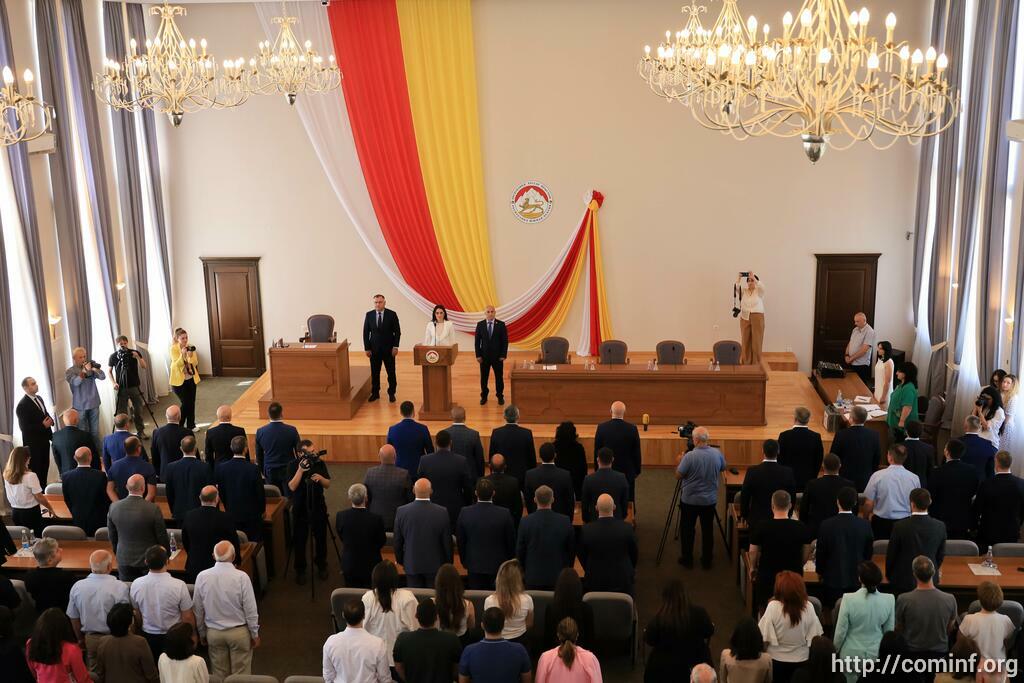
The first session of the newly elected parliament was held in South Ossetia. The opposition party “United Ossetia” did not attend and stated that they “will not set foot in the parliament” until the results of the June 9 elections are reviewed.

Dissatisfied winner

Actually, “United Ossetia” won the election but remained unhappy with the official results.

The ruling party ‘Nykhas’ received votes from newly minted ‘voters’ brought in from North Ossetia and Georgia. For example, there are 500 residents in the Leningor district, but somehow 700 votes were cast for the ‘Nykhas’ candidate. There were also carousel voting and fraud at the polling station in Vladikavkaz. We have filed complaints with the Ministry of Internal Affairs and the General Prosecutor’s Office, but there has been no response,” said Alan Tadtaev, Chairman of the Central Committee of “United Ossetia.”

According to him, “United Ossetia” will not appear in parliament until the court reviews their lawsuit.


Meanwhile, holding the session without “United Ossetia” but with the participation of president Alan Gagloev, the parliament appointed a new speaker and his deputies.

The speaker became Alan Margiev, a nominee of the ruling party “Nykhas,” head of the presidential administration, and former Minister of Agriculture.

The first vice-speaker position went to the head of the “Nykhas” party, Zita Besayeva.

The other two vice-speaker seats were occupied by the chairmen of the pro-government “People’s Party” and the Communist Party.

All three of these parties were defeated by “United Ossetia” in the elections: “Nykhas” received just over 30 percent of the votes, the People’s Party slightly over 16 percent, and the Communist Party did not even reach the required seven percent threshold, yet it was still allocated two mandates.

The first session of the newly elected parliament of South Ossetia

Spoiled ballots

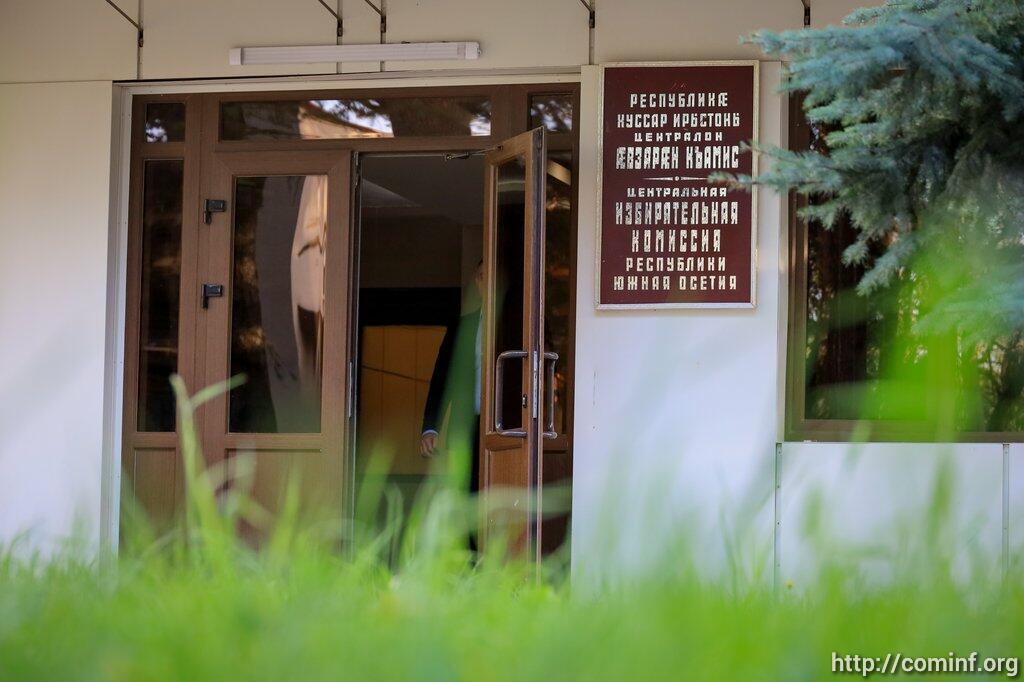
This situation led to a split within the Central Election Commission (CEC) itself.

CEC Chairwoman Emilia Gagieva refused to sign the final protocol and declined to recognize the officially announced results of the parliamentary elections. Some other CEC members share her position. They believe that all ballots, including spoiled ones, should have been counted during the vote tally.

The controversy revolves around a polling station in Vladikavkaz (North Ossetia), where 733 ballots were allegedly spoiled and not counted, according to “United Ossetia.” Additionally, four polling stations in Tskhinvali recorded a lack of voter turnout, resulting in the elections not being held there.

However, CEC Secretary Kristina Avlokhova and several other commission members only counted the ballots deemed valid. As a result, both “United Ossetia” and “Nykhas” lost one mandate each, reducing their seats from seven to six in the party lists.

A political-mathematical problem

Mistakes and discrepancies in the election results have caught the attention of many, including individuals not involved in politics but proficient in calculations. For instance, Soslan Tabuev, a candidate of physical and mathematical sciences, rechecked the official data.

According to the CEC, 20,033 ballots were issued in the polling stations, but 22,983 ballots were found in the ballot boxes. The question is, where did the extra 2,950 ballots come from?” he asks.

Despite this, neither the court nor the parliament has responded to “United Ossetia’s” ultimatum. However, party representative Alan Tadtaev is confident that the authorities will not succeed in “pushing them off the political arena.”

They won’t succeed. The political arena is not just within the walls of the parliament. We fully understand that the people of South Ossetia, the residents living here permanently, voted for us,” he says.

Meanwhile, experts warn that the prolonged disputes over the election results in South Ossetia threaten to escalate into a political crisis.


Toponyms, terminology, views and opinions expressed by the author are theirs alone and do not necessarily reflect the views and opinions of JAMnews or any employees thereof. JAMnews reserves the right to delete comments it considers to be offensive, inflammatory, threatening or otherwise unacceptable.


Categories
South Caucasus News

Georgia Criticised OSCE Pro-Russian Position in Recent Resolution – The FINANCIAL


Georgia Criticised OSCE Pro-Russian Position in Recent Resolution  The FINANCIAL

Categories
Audio Review - South Caucasus News

@mikenov: https://t.co/uhZk6cq5n3 I wonder what part of those $331mn are from Putin. How meticulously does the FBI sniff it out? #NewsAndTimes #NT #TNT #News #Times#World #USA #POTUS #DOJ #FBI #CIA #DIA #ODNI#Israel #Mossad #Netanyahu#Ukraine #NewAbwehr #OSINT#Putin #Russia #GRU…


https://t.co/uhZk6cq5n3
I wonder what part of those $331mn are from Putin.
How meticulously does the FBI sniff it out? #NewsAndTimes #NT #TNT #News #Times#World #USA #POTUS #DOJ #FBI #CIA #DIA #ODNI#Israel #Mossad #Netanyahu#Ukraine #NewAbwehr #OSINT#Putin #Russia #GRU

— Michael Novakhov (@mikenov) July 2, 2024


Categories
Audio Review - South Caucasus News

@mikenov: https://t.co/6N8rT1QCri Russian Racism and Trump #NewsAndTimes #NT #TNT #News #Times#World #USA #POTUS #DOJ #FBI #CIA #DIA #ODNI#Israel #Mossad #Netanyahu#Ukraine #NewAbwehr #OSINT#Putin #Russia #GRU #Путин, #Россия #SouthCaucasus #Bloggershttps://t.co/O0SIgLWupk…


https://t.co/6N8rT1QCri
Russian Racism and Trump #NewsAndTimes #NT #TNT #News #Times#World #USA #POTUS #DOJ #FBI #CIA #DIA #ODNI#Israel #Mossad #Netanyahu#Ukraine #NewAbwehr #OSINT#Putin #Russia #GRU #Путин, #Россия #SouthCaucasus #Bloggershttps://t.co/O0SIgLWupk

— Michael Novakhov (@mikenov) July 2, 2024


Categories
Audio Review - South Caucasus News

@mikenov: The Russkies help Trump to attract the Black Vote, just like in the previous Trump campaigns, and with more art and sophistication. It is the part of the Russian Elites’ belief that America is essentially a Third World country, and that this circumstance should be taken the… pic.twitter.com/p7eMNecqYY


The Russkies help Trump to attract the Black Vote, just like in the previous Trump campaigns, and with more art and sophistication.
It is the part of the Russian Elites’ belief that America is essentially a Third World country, and that this circumstance should be taken the… pic.twitter.com/p7eMNecqYY

— Michael Novakhov (@mikenov) July 2, 2024