
I’m using Brave, but once I missed a letter and write l instead of k, i automatically redirected to a virussite, and it started to dowload the virus without my permission, so my trust dropped a lot. I’m thinking of changing, and I’ve seen a lot of good comment of Duckduckgo’s browser. Anyone using it or what do you think about it?
Day: June 29, 2024
Categories
NPR News: 06-29-2024 7PM EDT

The recent presidential debate between incumbent President Joe Biden and former President Donald Trump has sent shockwaves through the international community, with key U.S. allies expressing deep concerns over the implications of the outcome.;
The Debate’s Impact on U.S. Allies
The debate’s focus on critical global issues, such as the ongoing conflict in Ukraine and the U.S. relationship with Israel, highlighted the stark contrast between the two candidates’ approaches to foreign policy and global leadership.
President Biden, known for his emphasis on strengthening international alliances and promoting U.S. global influence, faced a lackluster performance that left many of America’s closest partners feeling unsettled. In contrast, former President Trump’s advocacy for a more inward-looking, “America First” approach has raised alarm bells among U.S. allies, who fear a potential return to the strained relations and unpredictable foreign policy that characterized his previous term.;
Concerns from European Allies
The debate’s focus on the Ukraine crisis has left many of America’s European allies, particularly those on the frontlines of the conflict, deeply concerned about the potential implications of a Trump victory. The prospect of a Trump presidency, which is perceived as being more sympathetic to Putin’s territorial ambitions, has raised fears among U.S. allies of a weakened transatlantic alliance and a diminished American commitment to the security of its European partners
“The thought of a Trump comeback is deeply unsettling for us in Europe,” said a senior diplomat from a NATO member state. “We’ve seen firsthand the damage that his ‘America First’ approach can do to our shared interests and values. A return to that kind of unpredictable and confrontational foreign policy would be a major setback for the entire Western alliance.”;
Unease in the Middle East
Similarly, the candidates’ differing approaches to the U.S.-Israel relationship have also caused unease among key Middle Eastern allies. While both candidates expressed strong support for Israel, Trump’s claims that he could have prevented recent conflicts and his criticism of Biden’s handling of the Gaza conflict have raised questions about the potential for a shift in U.S. policy under a Trump administration.
“The U.S. has long been a crucial partner for us in the region, and the stability of that relationship is vital for our security and prosperity,” said a senior official from a Gulf Cooperation Council member state. “The prospect of a Trump presidency, with its unpredictable and often antagonistic approach to our allies, is deeply concerning.”;
The Implications of a Potential Trump Victory
The prospect of a Trump comeback has sent shockwaves through the international community, with many allies concerned about the potential for a return to the unpredictable and often confrontational foreign policy that characterized his previous term.
Retreat from Global Leadership
During his presidency, Trump’s “America First” approach and his willingness to challenge traditional alliances and international institutions, such as NATO and the World Trade Organization, strained relations with key U.S. partners. The former president’s admiration for leaders like Putin, Xi Jinping, and Kim Jong Un, as well as his skepticism of multilateral cooperation, further exacerbated these tensions.
The fear among U.S. allies is that a Trump victory in 2024 could signal a retreat from the U.S. role as a global leader and a champion of democratic values, potentially creating a power vacuum that could be filled by adversaries like China and Russia. This concern is particularly acute in regions like Europe and the Asia-Pacific, where the U.S. has traditionally played a crucial role in maintaining stability and promoting shared interests.;
Weakening of Alliances and Institutions
A Trump presidency would also likely lead to a further weakening of the U.S. commitment to international institutions and alliances, which have been the bedrock of the post-World War II global order. The former president’s disdain for multilateralism and his preference for unilateral action have raised fears that a second term could see the U.S. further distance itself from organizations like NATO, the United Nations, and the World Trade Organization.
“The strength of our alliances and the stability of the international system are essential for global peace and prosperity,” said a senior European official. “A Trump presidency that undermines these foundations would be a devastating blow, not just for the U.S., but for the entire world.”;
The Path Forward
As the world grapples with the implications of the 2024 presidential debate, the international community is closely watching the unfolding events in the United States. The stakes are high, with the outcome of the election potentially shaping the course of global affairs for years to come.
For U.S. allies, the priority is to ensure that the country’s commitment to international cooperation, democratic values, and global leadership remains steadfast, regardless of who occupies the Oval Office. This will require a concerted effort to engage with both the Biden and Trump campaigns, emphasizing the importance of maintaining strong alliances and a predictable, rules-based international order.
At the same time, the Democratic Party must grapple with the challenges posed by Biden’s debate performance and the potential for a Trump comeback. This may involve a reevaluation of the party’s strategy and a willingness to consider alternative candidates, should the president’s viability as a candidate become increasingly uncertain.
In the face of a deteriorating security situation, Pakistan’s top civilian and military leadership has decisively opted for a new multi-faceted nationwide counterterrorism campaign, dubbed Operation Azm-e-Istehkam, or Resolve for Stability. This comprehensive and decisive initiative, greenlighted during a high-powered meeting chaired by Prime Minister Shehbaz Sharif, is not just a reactionary measure but a strategically essential move for the nation’s survival and well-being.
Pakistan has been grappling with near-daily terrorist attacks, primarily targeting security personnel. This alarming frequency of attacks has highlighted the urgent need for a robust and multifaceted approach to counterterrorism. According to the South Asia Terrorism Portal, the country has witnessed over 300 terrorism-related deaths so far this year. The first half of 2024 alone saw the tragic loss of dozens of security personnel in militant attacks and counterterrorism operations. The provinces of Khyber Pakhtunkhwa and Balochistan, bordering Afghanistan, have been the epicenters of these violent activities. Last year, the nation recorded a six-year high in terrorism fatalities, underscoring the escalating threat posed by extremist groups, particularly the Tehrik-e-Taliban Pakistan (TTP). The TTP, reportedly enjoying sanctuaries in neighboring Afghanistan, has been a significant source of terror in Pakistan, despite Afghan Taliban denials of cross-border activities.
The Need for a Renewed Strategy
Given this grim context, Operation Azm-e-Istehkam is not only timely but also essential. The campaign’s multi-faceted nature aims to address terrorism through intensified military efforts, comprehensive legislative actions, and enhanced regional cooperation. This approach is a marked improvement over previous counterterrorism strategies that were often reactive and lacked a cohesive framework. The Apex Committee on the National Action Plan, which reviewed the ongoing counterterrorism campaign, emphasized the need for legislative reforms to ensure effective prosecution of terrorism-related cases. Historically, Pakistan’s judicial system has struggled to convict terror suspects due to insufficient evidence and legal loopholes. The new campaign seeks to close these gaps, empowering law enforcement agencies to deliver exemplary punishments to terrorists, thus enhancing the deterrent effect of legal repercussions.
Diplomatic Dimensions and Regional Cooperation
In addition to military and legal measures, Azm-e-Istehkam incorporates a strong diplomatic component aimed at curtailing the operational space for terrorists through regional cooperation. This is particularly crucial as terrorism in Pakistan is often linked to regional dynamics, especially the situation in Afghanistan. By fostering stronger ties and collaboration with neighboring countries, Pakistan can address the root causes of terrorism and prevent cross-border militant activities more effectively.
Ensuring the Safety of Chinese Nationals
A significant aspect of the new counterterrorism operation is the emphasis on protecting Chinese nationals working in Pakistan. This focus stems from increasing pressure from China, a critical economic partner, to ensure the security of its workers following several deadly attacks on Chinese nationals in recent years. The China-Pakistan Economic Corridor (CPEC), a flagship project under China’s Belt and Road Initiative, has been a particular target for terrorists, jeopardizing billions of dollars in investment and crucial infrastructure development. Following the tragic attack in March that killed five Chinese nationals and their Pakistani driver, Pakistan has redoubled its efforts to enhance the protection of Chinese citizens. New Standard Operating Procedures (SOPs) and the formation of specialized security units underscore Islamabad’s commitment to addressing Beijing’s security concerns. This move is not only vital for maintaining strong bilateral relations but also for ensuring the continued inflow of Chinese investment, which is indispensable for Pakistan’s economic stability.
Learning from Past Operations
Pakistan’s history of counterterrorism operations, particularly those conducted between 2009 and 2017, offers valuable lessons for Azm-e-Istehkam. These past operations were successful in eliminating thousands of militants and dismantling terrorist cells but also resulted in significant collateral damage, including mass displacement of citizens and extensive property destruction. The new campaign must navigate these challenges carefully, ensuring that military actions do not exacerbate the suffering of local populations or undermine public support. The recent wave of Jirga, or consultative public gatherings, in Khyber Pakhtunkhwa reflects the growing concerns of local communities over militant violence and frequent counterterrorism operations. It is imperative that Azm-e-Istehkam incorporates the voices and concerns of these communities, fostering a collaborative approach to security that prioritizes the protection of civilians and the restoration of normalcy.
Operation Azm-e-Istehkam represents a crucial and timely intervention in Pakistan’s ongoing battle against terrorism. By integrating military, legal, and diplomatic efforts, this comprehensive strategy aims to decisively combat the menace of extremism and terrorism. The campaign’s success will hinge on its ability to adapt lessons from past operations, address legal and operational challenges, and secure the cooperation of regional partners. In the face of mounting security threats and the pressing need to safeguard both national and international stakeholders, Azm-e-Istehkam stands as a beacon of resolve for stability. It is a bold affirmation that Pakistan is committed to eradicating terrorism in all its forms, ensuring a safer and more prosperous future for its people.
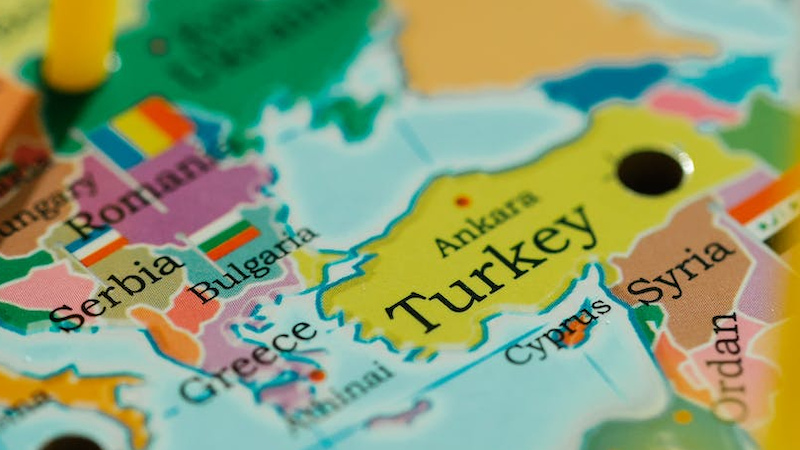
In recent years, there has been a noticeable shift in the relationship between Turkey and Syria. While some circles view this change as flexibility and agility in diplomacy, it can also be interpreted as a diplomatic fiasco.
Turkey’s Syria policy has undergone significant changes since the civil war began in 2011. Initially, the relationship with the Syrian regime was amicable, with terms like “My brother Assad” being used. However, as the conflict intensified, Assad was labeled “the butcher Assad,” and Turkey supported opposition groups against his regime. Military interventions were even considered to overthrow Assad.
Today, however, President Erdoğan’s statements about possibly having family dinners with Assad mark a dramatic shift in Turkey’s policy towards Syria. Such statements create serious inconsistencies and uncertainties in diplomacy. The Assad regime, once deemed a cause for war, is now being reconsidered as a dialogue partner. Calling this flexibility might be misleading; true diplomacy requires consistency and predictability to achieve strategic goals.
The situation is further complicated by the appointment of some ambassadors in recent years who lack language skills and diplomatic experience. In diplomatic relations, flexibility means being creative and adaptable to achieve goals, but zigzagging and constantly changing stances can be detrimental to long-term strategic interests.
From personal experience, I can share that in the 1990s, I frequently traveled to Syria for steam boiler sales. These visits were marked by friendly and sincere relations. We sold steam boilers and made good money. Economically, Syria was our market, our backyard. Later, these relations turned hostile. Now, there is a desire to return to friendly relations. This inconsistency is more indicative of diplomatic failure than success.
Turkey’s Syria policy has been inconsistent and uncertain in recent years. Diplomatic flexibility is important for achieving strategic objectives, but it should not be confused with erratic behavior. A more consistent and predictable approach in Turkey’s diplomatic relations would be more beneficial for long-term interests.
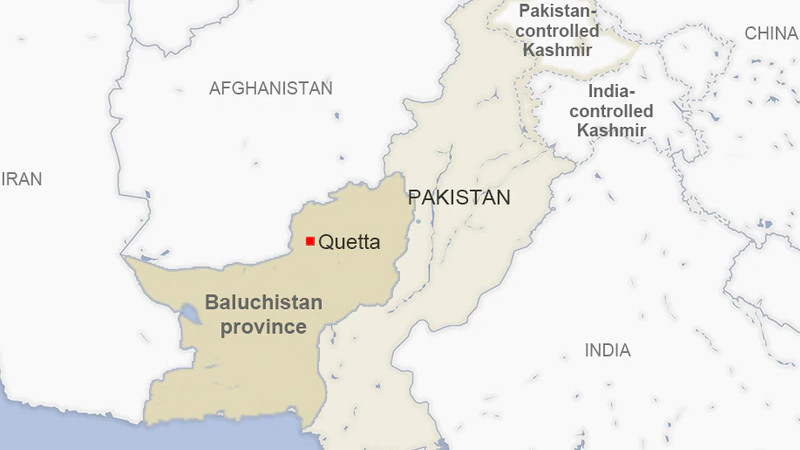
Ever since the inception of the China-Pakistan Economic Corridor (CPEC) project, the eyes of Pakistan have been firmly fixed on Balochistan. The vision of a developed and verdant Balochistan is seen as a cornerstone for Pakistan’s bright future. Prioritizing the alleviation of the deprivations faced by the people of Balochistan, tackling pervasive poverty, and ensuring widespread access to education and basic life conveniences are critical steps toward this vision. Additionally, transforming Gwadar into a modern, thriving port city is essential for the nation’s development. However, the key to achieving these goals lies in establishing lasting peace in the region.
The Pakistan armed forces have been striving tirelessly to establish peace in Balochistan. Yet, persistent foreign intervention remains a significant hurdle, primarily due to the lack of a robust administrative force. The police presence is limited to urban areas, leaving vast rural expanses unguarded. Balochistan covers approximately 350,000 square kilometers, about forty percent of Pakistan’s total area, but it lacks an effective police force. The local force, known as the Levies, is inadequately equipped and poorly performing. The military, despite having numerous check posts and around 40,000 to 50,000 soldiers stationed there, cannot adequately cover such an expansive area. The response time is often delayed, allowing terrorists to escape after their attacks.
To effectively combat terrorism, it is imperative to establish a comprehensive police infrastructure in Balochistan immediately. Enhancing the capacity and capability of the Levies force is crucial. Three elements are essential for preventing terrorist incidents: a network of intelligence forces capable of providing advance information about terrorist movements, a robust force presence in the vicinity to retaliate in case of surprise attacks, and immediate response capabilities.
In Balochistan, these three critical elements are missing. Most terrorist incidents occur without prior warning, and if any warnings are issued, they are often non-specific. Forces are rarely in a defensive position in advance, and in rural areas, the response time is significantly delayed, rendering them ineffective in preventing or mitigating attacks.
The acts of terrorism in Balochistan are heinous and cannot be classified as ordinary crimes. Terrorists target innocent and defenseless people, often committing barbaric acts such as beheadings and playing football with the severed heads. Such acts reflect a complete loss of humanity and an embrace of bestiality. This cruelty defies any logical or religious justification, highlighting the sheer madness and savagery of the terrorists. These terrorists have formed organizations, making regular demands and engaging in systematic atrocities.
Combating these terror monsters requires a united national effort. The government and Pakistan forces must focus on eradicating this menace. The government’s first task should be to activate the police system in Balochistan instead of spending billions on luxuries. Establishing police stations and checkpoints across the province, based on area rather than population, is essential. An allocation of at least 1,200 billion rupees is necessary for the Balochistan Police to undertake this task effectively.
Additionally, the Levies force needs rigorous training and restructuring, including discharging incompetent personnel and recruiting new, capable individuals. The establishment of networks involving the Intelligence Bureau (IB), the Federal Investigation Agency (FIA), and other law enforcement agencies is crucial. Practical measures, rather than mere wishes, are required to address the situation.
The budgetary allocation for Balochistan, which covers forty percent of Pakistan’s area, is significantly lower compared to other provinces. This year, Balochistan’s budget was presented at nine and a half billion rupees, whereas Sindh’s budget exceeds three thousand billion rupees, and Khyber Pakhtunkhwa’s budget is around seventeen hundred billion rupees. Increasing Balochistan’s budget to three or four hundred billion rupees could facilitate the development of essential infrastructure.
Solving the terrorism problem in Balochistan demands national unity and a concerted effort. Without practical steps and adequate resources, the terrorists will continue their atrocities. A united front is essential to ensure a peaceful, prosperous, and developed Balochistan, ultimately securing a bright future for Pakistan.
Eventually, the fight against terrorism in Balochistan is not just a regional issue but a national imperative. The CPEC project has highlighted the strategic importance of Balochistan, but true progress can only be achieved through peace. The government’s immediate priority should be to establish a strong police presence, enhance the Levies force, and develop robust intelligence networks. Moreover, budgetary allocations must reflect the critical need for infrastructure and security enhancements in Balochistan. By uniting as a nation and addressing these issues head-on, we can transform Balochistan into a beacon of development and stability, ensuring a brighter future for all of Pakistan.
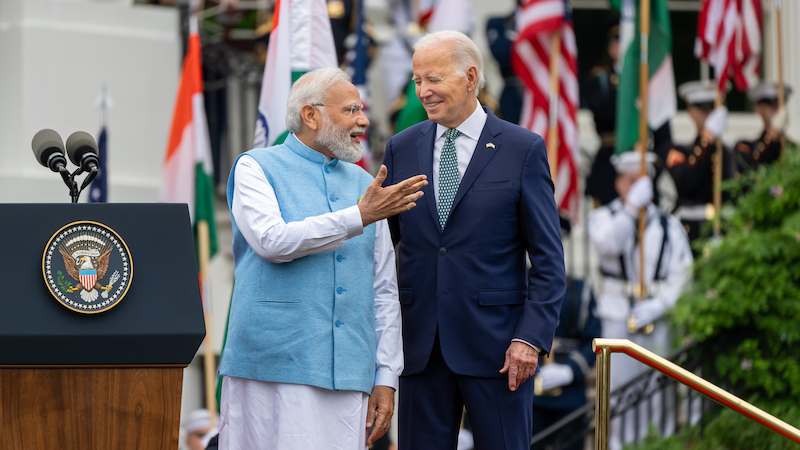
In an era where diplomatic exchanges are increasingly conducted in the public eye, the conspicuous silence from India’s Prime Minister Narendra Modi and Foreign Minister Subrahmanyam Jaishankar in response to US President Joe Biden’s recent “xenophobic” remark about India has raised international eyebrows. This silence is not merely a diplomatic choice; it’s a strategic and calculated move shaped by a complex web of political, economic, and social factors. What drives this silence, and what does it reveal about India’s current political landscape?
The Political Calculus Behind the Silence
At the heart of Modi and Jaishankar’s silence is a strategic calculation about the nature of India’s relationship with the United States. The US is not only a significant trade partner but also a crucial ally in the geopolitical chessboard of the Indo-Pacific region. Escalating a diplomatic spat with the US over Biden’s remarks could jeopardize vital collaborations in defence, technology, and trade.
Moreover, the Modi administration is acutely aware of the broader geopolitical dynamics. The US’s Indo-Pacific strategy seeks to counterbalance China’s rising influence, and India plays a pivotal role in this framework. A public confrontation with the US might weaken this strategic partnership, which is essential for countering regional threats and fostering economic growth.
Domestic Political Considerations
Domestically, the Modi government faces a delicate balancing act. India is a diverse nation with a complex social fabric, and issues related to minority rights and social cohesion are politically sensitive. Addressing Biden’s “xenophobic” slur directly could amplify domestic criticisms regarding the government’s handling of minority issues, particularly those concerning the Muslim community. The Citizenship Amendment Act (CAA) and the revocation of Jammu and Kashmir’s special status have already attracted significant domestic and international scrutiny.
Modi’s Bharatiya Janata Party (BJP) has built its political brand on a platform of nationalism and Hindu pride. Confronting Biden’s remarks might alienate the BJP’s core supporters, who view external criticism as interference in India’s sovereign affairs. The government’s silence can thus be seen as an attempt to avoid fuelling domestic unrest and to maintain political stability ahead of upcoming elections.
Economic Implications
Economic considerations also play a crucial role in the government’s response—or lack thereof. The economic relationship between India and the US is multifaceted, encompassing trade, investment, and technology transfer. Diplomatic tensions could adversely affect these economic ties, complicating efforts to attract foreign investment and technology partnerships critical for India’s development goals.
The Modi administration is keenly aware of the economic challenges posed by the global pandemic. Maintaining a stable and positive relationship with the US is vital for economic recovery and growth. By avoiding a public spat, the government aims to protect economic interests that are paramount for national development.
The Human Rights Dimension
Biden’s remarks about xenophobia are not made in a vacuum. They reflect growing international concern over India’s human rights record, particularly in relation to its treatment of minorities. Reports from human rights organizations have highlighted instances of discrimination and violence against Muslims, drawing global attention and criticism.
The Modi government’s silence can thus be interpreted as an attempt to manage India’s international image. Engaging in a public confrontation over human rights issues could further damage India’s reputation, making it harder to engage diplomatically on other fronts. By maintaining silence, the government might hope to avoid drawing additional international scrutiny and to manage the narrative more effectively behind closed doors.
Domestic Human Rights and Social Cohesion
Internally, the issue of human rights is deeply intertwined with social cohesion. India’s diverse population includes multiple religious, ethnic, and cultural groups, each with its own distinct identity and concerns. The government’s policies and rhetoric have significant implications for social harmony and national unity.
Addressing Biden’s criticism head-on could risk inflaming domestic tensions and undermining efforts to promote social cohesion. The Modi administration’s silence might be a strategic choice to keep a lid on potential unrest and to focus on unifying messages that resonate with the broader population.
The Broader Implications of Silence
Joseph Nye’s concept of soft power emphasizes the importance of attraction and persuasion in international relations. India has historically leveraged its cultural diversity, democratic values, and vibrant diaspora to project soft power globally. However, recent policies and international criticisms have strained this soft power.
The government’s silence on Biden’s remarks could be seen as a missed opportunity to engage constructively and to reaffirm India’s commitment to democratic principles and human rights. By not addressing the issue, India risks further eroding its soft power and diminishing its influence on the global stage.
The silence from India’s leaders also sets a precedent for how the country might navigate future diplomatic challenges. In an increasingly interconnected world, issues related to human rights and social justice are gaining prominence. How India addresses these issues, both domestically and internationally, will shape its global standing and its ability to influence international norms and policies.
A Calculated Silence
In sum, the silence of Prime Minister Narendra Modi and Foreign Minister Subrahmanyam Jaishankar in response to President Biden’s “xenophobic” slur is a calculated diplomatic strategy influenced by a complex interplay of political, economic, and social factors. This silence reflects a broader approach to managing both international relations and domestic political dynamics. While it may offer short-term stability, the long-term implications for India’s soft power and global influence remain uncertain. As India continues to navigate these challenging waters, the government’s ability to balance strategic diplomacy with a commitment to democratic values and human rights will be crucial for shaping its future trajectory on the world stage.
The post-World War II era witnessed the emergence of a complex global order characterised by a strong emphasis on peace, security, sustained human development, and international cooperation. The United States, Russia, France, China, and the United Kingdom serve as permanent members of the United Nations Security Council (UNSC), holding considerable sway and bearing a distinctive obligation to uphold international peace and security. This essay aims to explore the multifaceted responsibilities entrusted to these major powers. Specifically, it examines their roles in diplomatic leadership, arms control, conflict resolution, support for international institutions, peacekeeping contributions, humanitarian aid, non-proliferation efforts, promotion of human rights and stability, economic and environmental protection, counter-terrorism, and transparency and trust-building.
Diplomatic leadership is a crucial responsibility for these five nations. Through active engagement in international diplomacy, they possess the capacity to utilize their influence to prevent conflicts and peacefully facilitate resolutions. The ability to mediate and negotiate settlements is particularly important in deescalating tensions before they escalate into full-scale conflicts. Notable examples include the United States’ involvement in the Camp David Accords and China’s recent mediation efforts in the Korean Peninsula. Without proactive diplomatic engagement, numerous conflicts could spiral out of control, leading to devastating consequences for global stability and security.
The threat posed by nuclear and other weapons of mass destruction necessitates robust efforts in arms control and disarmament. Major powers must lead by example, adhering to and advocating for treaties such as the Treaty on the Non-Proliferation of Nuclear Weapons (NPT). An excellent example of bilateral efforts to reduce nuclear arsenals and promote global security is the New START Treaty between the USA and Russia. By committing to arms control, these nations can mitigate the risks of catastrophic warfare and establish standards for other countries to follow. This, in turn, contributes to global disarmament and non-proliferation initiatives. The ability to mediate conflicts plays a crucial role in maintaining global peace. These nations often act as intermediaries, facilitating dialogue between conflicting parties. France’s involvement in the Normandy Format talks regarding the Ukraine crisis and the UK’s role in the Good Friday Agreement are notable instances of successful mediation. Effective conflict mediation not only resolves disputes immediately but also fosters long-term stability by addressing underlying issues and promoting reconciliation among conflicting parties.
The support of international institutions, such as the United Nations, is essential for establishing and maintaining a stable world order. The five countries with permanent seats on the United Nations Security Council (UNSC) play a crucial role in reinforcing and upholding the mandates of these institutions. Their financial and political contributions are essential for the effective functioning of the United Nations and other international bodies. Without their support, these institutions would face significant challenges in securing necessary resources and maintaining legitimacy to effectively carry out their missions.
Peacekeeping missions play a vital role in ensuring peace in conflict-affected areas. The financial and logistical support that personnel from various nations provide to United Nations peacekeeping operations is essential. The growing participation of China in UN peacekeeping missions, as well as the longstanding commitment of the United Kingdom in Cyprus, are prime examples of their unwavering dedication to these endeavours. Through their involvement in peacekeeping, these countries contribute to the stabilization of regions, the protection of civilians, and the establishment of conditions that foster enduring peace.
Humanitarian aid is of utmost importance in promptly addressing the immediate needs of populations affected by conflicts and natural disasters. The response to humanitarian crises, such as the Syrian refugee crisis and the aftermath of the 2010 Haiti earthquake, highlights the significance of swift and substantial support from nations. Through humanitarian aid, suffering is alleviated and goodwill is fostered, ultimately enhancing global stability and security.
Preventing the proliferation of weapons of mass destruction is a fundamental responsibility. Non-proliferation treaties and initiatives empower nations to work towards ensuring that these weapons do not fall into the wrong hands and spread to unstable regions. The efforts to secure nuclear materials, as exemplified by initiatives in the Nuclear Security Summits, demonstrate the dedication of these nations to fulfilling this responsibility. By prioritizing non-proliferation, these countries mitigate the risk of nuclear terrorism and other catastrophic threats. Promoting and protecting human rights worldwide is a crucial responsibility that all nations must fulfil. They should champion human rights and use their influence to pressure regimes that violate these rights. Additionally, they should support international mechanisms that monitor and enforce human rights standards. The promotion of human rights is essential in fostering equitable and peaceful societies where the rule of law prevails and individuals can live with dignity and freedom.
Global economic stability is crucial for promoting peace and security. The powers involved in this endeavour can minimize economic disparities, which often trigger conflicts, by encouraging economic cooperation and stability. Their participation in institutions like the International Monetary Fund (IMF) and the World Bank plays a pivotal role in achieving this objective. Economic stability also lessens the probability of conflicts arising from resource competition and economic grievances, thus contributing to a more peaceful world order.
Furthermore, environmental degradation and climate change pose significant global security threats. Major powers have a crucial role to play in addressing these issues, especially about the scarcity of resources, which often contributes to conflict. Their involvement in international agreements, such as the Paris Agreement, is indispensable for global efforts aimed at combating climate change. By tackling environmental challenges, these nations can assist in preventing conflicts driven by resource shortages and environmental disasters.
International collaborative initiatives to counter-terrorism are vital for global security. These nations play a central role in sharing intelligence, conducting joint military operations, and addressing the underlying causes of extremism. A prime example of such cooperation is the global coalition against ISIS. Effective counter-terrorism measures disrupt terrorist networks, prevent attacks, and combat the factors that drive individuals toward extremism.
Finally, transparency in military practices and efforts to build trust among nations is crucial in mitigating the risk of misunderstandings and inadvertent conflicts. Confidence-building measures and open lines of communication are necessary to foster a climate of trust and cooperation. By promoting this transparency, nations can help prevent conflicts and cultivate a more stable and predictable international environment.
In conclusion, the responsibilities of the United States, France, Russia, China, and the United Kingdom in maintaining international peace and security are profound and multifaceted. These nations play crucial roles as diplomatic leaders, advocates for arms control, mediators in conflicts, supporters of international institutions, peacekeepers, providers of humanitarian aid, promoters of non-proliferation and human rights, facilitators of economic stability, protectors of the environment, combatants against terrorism, and proponents of transparency. Their commitment to these responsibilities is indispensable for establishing a stable and peaceful global order, especially as the international landscape continues to evolve. The ongoing prosperity and security of the international community rely on the continued commitment of these nations.
The opinions expressed in this article are the author’s own.
References
Diplomatic Leadership
- “The Role of Diplomacy in Conflict Resolution: Case Studies,” edited by John H. Simpson. Published by Cambridge University Press, 2008.
- “US Foreign Policy and Diplomacy: From the Cold War to the 21st Century,” by William B. Quandt. Oxford University Press, 2014.
Arms Control and Disarmament
- “The Nuclear Nonproliferation Treaty: Origins and Implementation, 1965–1970,” by Ronald E. Neumann. Stanford University Press, 1999.
- “New START: How the US-Russia Arms Race Ended,” by Michael Krepon and Joshua C. Hersh. Stimson Center, 2010.
Conflict Resolution
- “Mediation and Conflict Resolution: Concepts, Contexts, and Processes,” by Jacob Bercovitch. Ashgate Publishing, 2007.
- “The Art of Mediation: Lessons from the Northern Ireland Peace Process,” by Richard N. Haass. Henry Holt and Company, 2014.
Support for International Institutions
- “The United Nations and the Maintenance of International Order,” by Edward H. Buehrig. Praeger Publishers, 1986.
- “The United Nations Security Council and Its Presidency,” by Adam M. Roberts and Dominik Zaum. Routledge, 2011.
Peacekeeping Contributions
- “United Nations Peacekeeping Operations: Adapting to a Changing Global Order,” by Tom Keating. Palgrave Macmillan, 2013.
- “China’s Participation in United Nations Peacekeeping Missions,” by Yuezhi Zhao. Springer, 2015.
Humanitarian Aid
- “Humanitarianism: A Dictionary of Critical Terms,” edited by Thomas G. Weiss and Iavor Radev. Kumarian Press, 2009.
- “The Politics of Humanitarian Aid,” by Fiona Terry. Oxford University Press, 2012.
Non-Proliferation Efforts
- “The Nuclear Security Summit: A New Approach to Preventing Nuclear Terrorism,” by Peter Crail. Arms Control Association, 2010.
- “Securing the Bomb: Confronting the Risks of Nuclear Theft and Sabotage,” by Matthew Kroenig. Brookings Institution Press, 2010.
Promotion of Human Rights and Stability
- “Human Rights and the World’s Religions,” edited by Christopher J. Hackett. University of California Press, 2010.
- “The Responsibility to Protect: The Promise of Stopping Mass Atrocities in Our Time,” by Gareth Evans and Mohamed Sahnoun. Oxford University Press, 2008.
Economic and Environmental Protection
- “Climate Change and the Kyoto Protocol: The Role of the United States,” by Robert O. Keohane and Marc A. Levy. Brookings Institution Press, 2008.
- “The World Bank and the IMF: A Comparative Analysis,” by Ngaire Woods. Palgrave Macmillan, 2006.
Counter-Terrorism
- “Countering Terrorism: Strategies and Technologies,” edited by George J. Stein. MIT Press, 2007.
- “Terrorism and Counterterrorism: Understanding the New Threat,” by Gabriel Weimann. ABC-CLIO, 2011.
Transparency and Trust-Building
- “Transparency and Openness in International Relations: Conceptual Frameworks and Methods,” edited by Hanspeter Kriesi and Daniel Bochsler. Palgrave Macmillan, 2013.
- “Building Trust in Government: The Role of Performance Information,” by Mark H. Moore. Russell Sage Foundation, 2014
The internal political dynamics of any sovereign state are crucial to its identity, governance, and autonomy. Pakistan, a country with a rich and complex political history, stands at a pivotal point as it approaches its elections. These elections are not merely a routine democratic exercise but a crucial determinant of the country’s future trajectory. However, the involvement of external powers, particularly the United States, in Pakistan’s internal affairs, including its democratic processes, raises significant concerns. This article aims to explore the implications of such interference and juxtapose it with the U.S.’s apparent disregard for pressing humanitarian issues, such as the crisis in Gaza.
Sovereignty is the cornerstone of international relations and the right of every nation to govern itself without external interference. Pakistan’s elections are an internal matter, reflecting the will of its people. The principle of self-determination, enshrined in international law, underscores the importance of allowing nations to navigate their political paths independently.
In recent years, Pakistan has faced numerous challenges, from economic instability to security threats. The upcoming elections are an opportunity for the Pakistani people to voice their concerns and choose leaders who can address these issues effectively. External interference in this process undermines the democratic principle and questions the legitimacy of the electoral outcomes.
The history of U.S.-Pakistan relations is complex, marked by periods of close cooperation and significant tension. The United States has historically viewed Pakistan through the prism of its strategic interests, particularly in the context of South Asia and the broader geopolitical landscape. In recent times, allegations of U.S. interference in Pakistan’s democratic processes have surfaced. These allegations range from influencing election outcomes to supporting specific political factions. Such actions are perceived as attempts to shape Pakistan’s political landscape to align with U.S. interests, rather than respecting the autonomous will of the Pakistani electorate.
While the U.S. engages in Pakistan’s internal political matters, it simultaneously turns a blind eye to pressing humanitarian crises, most notably the situation in Gaza. The Gaza Strip has been under blockade for over a decade, leading to severe humanitarian consequences. The conflict between Israel and Hamas has resulted in significant loss of life, destruction of infrastructure, and a deepening humanitarian crisis.
The U.S., a key ally of Israel, has often been criticized for its unbalanced approach to the Israeli-Palestinian conflict. Despite numerous reports highlighting human rights violations and the dire humanitarian situation in Gaza, the U.S. response has been largely tepid. This stark contrast in attention and intervention raises questions about the consistency and motivations behind U.S. foreign policy.
The apparent double standards in U.S. foreign policy are glaring. On one hand, the U.S. champions democracy and human rights, often justifying its interventions in other countries on these grounds. On the other hand, its selective engagement, particularly ignoring severe humanitarian crises while intervening in the democratic processes of sovereign nations, exposes a hypocritical stance.
The situation in Gaza is a humanitarian crisis that demands urgent international attention and intervention. The U.S., with its significant influence and resources, has the capacity to play a constructive role in alleviating the suffering of the Gazan people. However, its continued support for policies that exacerbate the conflict and its reluctance to hold all parties accountable for human rights violations reveal a starkly different agenda.
External interference in Pakistan’s democracy not only undermines the sovereignty of the state but also destabilizes the political environment. Such interference can lead to increased polarization, erode public trust in democratic institutions, and fuel anti-American sentiment. Moreover, it distracts from addressing the genuine issues facing the country, such as economic challenges, security concerns, and social development.
For Pakistan to achieve political stability and democratic maturity, it is essential that its electoral processes remain free from external influence. The Pakistani people must have the autonomy to choose their leaders and determine their country’s future without external manipulation.
International actors, including the U.S., must respect Pakistan’s sovereignty and refrain from interfering in its internal political processes. This respect is fundamental to maintaining international peace and stability.; The U.S. should adopt a more balanced approach to its foreign policy, ensuring that its actions align with its stated values of democracy and human rights. Addressing humanitarian crises, such as the one in Gaza, should be a priority. Likewise, rather than interfering in domestic politics, the U.S. and other international actors should engage constructively with Pakistan, supporting its democratic institutions and socio-economic development. The international community should hold all parties accountable for human rights violations and work towards a just resolution of conflicts, including the Israeli-Palestinian conflict.
The Pakistani elections are an internal matter that should be respected by all external actors, including the U.S. The interference in Pakistan’s democratic processes undermines the principles of sovereignty and self-determination, leading to destabilization and distrust. At the same time, the U.S.’s failure to address humanitarian crises like the one in Gaza exposes a double standard in its foreign policy. For a more stable and just world, it is imperative that international relations are conducted with respect for sovereignty, balanced engagement, and a genuine commitment to human rights and democracy.