
Categories
South Caucasus News

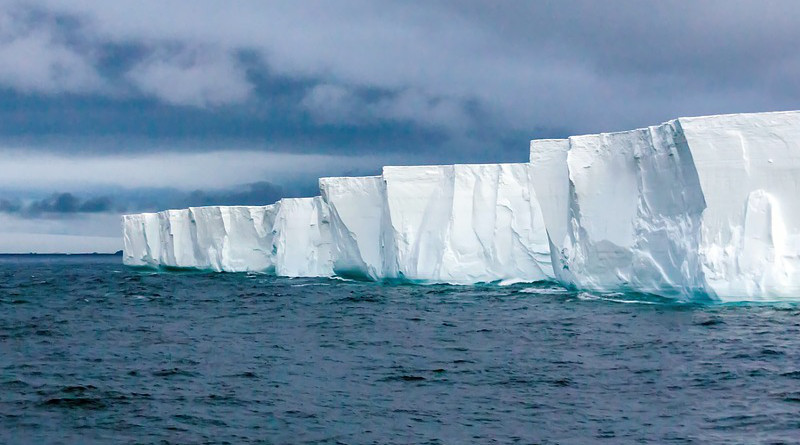
Antarctic Ice Shelves Hold Twice As Much Meltwater As Previously Thought


Antarctic Ice Shelves Hold Twice As Much Meltwater As Previously Thought

Continent Antarctica Iceberg Hurtigruten Travel

Slush – water-soaked snow – makes up more than half of all meltwater on the Antarctic ice shelves during the height of summer, yet is poorly accounted for in regional climate models.

Researchers led by the University of Cambridge used artificial intelligence techniques to map slush on Antarctic ice shelves, and found that 57% of all meltwater is held in the form of slush, with the remaining amount in surface ponds and lakes.

As the climate warms, more meltwater is formed on the surface of ice shelves, the floating ice surrounding Antarctica which acts as a buttress against glacier ice from inland. Increased meltwater can lead to ice shelf instability or collapse, which in turn leads to sea level rise.

The researchers also found that slush and pooled meltwater leads to 2.8 times more meltwater formation than predicted by standard climate models, since it absorbs more heat from the sun than ice or snow. The results, reported in the journal Nature Geoscience, could have profound implications for ice shelf stability and sea level rise.

Each summer as the weather warms, water pools on the surfaces of Antarctica’s floating ice shelves. Previous research has shown that surface meltwater lakes can contribute to ice shelf fracture and collapse, as the weight of the water can cause the ice to bend or break. However, the role of slush in ice shelf stability is more difficult to determine.

“We can use satellite imagery to map meltwater lakes across much of Antarctica, but it’s hard to map slush, because it looks like other things, such as shadows from clouds, when viewed from a satellite,” said lead author Dr Rebecca Dell from Cambridge’s Scott Polar Research Institute (SPRI). “But using machine learning techniques, we can go beyond what the human eye can see and get a clearer picture of how slush might be affecting ice in Antarctica.”

Using optical data from NASA’s Landsat 8 satellite, the Cambridge researchers, working with researchers from the University of Colorado Boulder and the Delft University of Technology, trained a machine learning model to obtain monthly records of slush and meltwater lakes across 57 Antarctic ice shelves between 2013 and 2021.

“Machine learning allows us to use more information from the satellite, since it can work with more wavelengths of light than the human eye can see,” said Dell. “This allows us to determine what is and isn’t slush, and then we can train the machine learning model to quickly identify it across the whole continent.”

“We’re interested in learning how much slush is present during the Antarctic summer, and how it’s changed over time,” said co-author Professor Ian Willis, also from SPRI.

Using their machine learning model, the researchers found that in the peak of the Antarctic summer in January, over half (57%) of all meltwater on Antarctica’s ice shelves is held in slush, with the remaining 43% in meltwater lakes.

“This slush has never been mapped on a large scale across all of Antarctica’s large ice shelves, so over half of all surface meltwater has been ignored until now,” said Dell. “This is potentially significant for the hydrofracture process, where the weight of meltwater can create or enlarge fractures in the ice.”

Meltwater affects the stability of the floating ice shelves that fringe the Antarctic coastline. As the climate warms and melt rates in Antarctica increase, meltwater – whether in the form of lakes or slush – can get into cracks on the ice, causing the cracks to get bigger. This can cause fractures in the ice shelf, and could cause vulnerable ice shelves to collapse, which in turn would allow inland glacier ice to spill into the ocean and contribute to sea level rise.

“Since slush is more solid than meltwater, it won’t cause hydrofracture in the same way that water from a lake does, but it’s definitely something we need to consider when attempting to predict how or whether ice shelves will collapse,” said Willis.

In addition to the potential implications of slush on hydrofracture, it also has a large effect on melt rates. Since slush and lakes are less white than snow or ice, they absorb more heat from the sun, causing more snowmelt. This extra melt is currently unaccounted for in climate models, which may lead to underestimates in projections of ice sheet melting and ice shelf stability.

“I was surprised that this meltwater was so poorly accounted for in climate models,” said Dell. “Our job as scientists is to reduce uncertainty, so we always want to improve our models so they are as accurate as possible.”

“In future, it’s likely that places in Antarctica that currently don’t have any water or slush will start to change,” said Willis. “As the climate continues to warm, more melting will occur, which could have implications for ice stability and sea level rise.”

Categories
South Caucasus News

Fostering Cambodia-Brunei Relations For Shared Growth – Analysis


Fostering Cambodia-Brunei Relations For Shared Growth – Analysis

Omar Ali Saifuddien Mosque in Brunei. Photo Credit: NeilsPhotography, Wikimedia Commons

Over the past three decades, Cambodia and Brunei Darussalam have nurtured a robust diplomatic relationship. Their friendship and cooperation have flourished across multiple sectors, including politics, culture, trade, and economics. This multifaceted partnership has been formalised through various agreements and Memorandums of Understanding (MoUs), solidifying the countries’ commitment to mutual growth and collaboration. Despite efforts to strengthen economic ties, trade between Cambodia and Brunei remains modest. The bilateral trade volume reached approximately $35 million in 2022 but declined to about $22 million in 2023.

As such, Phnom Penh and Bandar Seri Begawan can explore ways and means to expand cooperation, leveraging considerable untapped potential to maximise the economic interests of the two peoples. Hence, this article will examine the possibility of bolstering cooperation in key sectors such as agriculture, halal industry, tourism and regional partnerships to boost mutual growth for the two countries.

Agriculture Cooperation;

Global food security has become a pressing concern, exacerbated by the Russia-Ukraine conflict, rising regional tensions, and climate change. In response, Cambodia and Brunei could explore agricultural cooperation to boost mutual economic growth and development.

Brunei, facing constraints in its agricultural manpower, has actively pursued regional partnerships in rice cultivation, with a focus on investments from government-linked entities to ensure food security for the country. In this sense, Cambodia emerges as the potential partner for this sectoral cooperation, aligning with the government’s ambition to transform Cambodia into one of the world’s top ten agricultural-producing countries. Cambodia is the hub of a vibrant young workforce with 65 per cent of its population aged between 15 and 64 years, and the agricultural sector is one of the national backbones of its economy. Last year, the agricultural sector accounted for approximately 22 per cent of Cambodia’s gross domestic product (GDP).;

Cambodia and Brunei can also cooperate on sustainable agriculture initiatives, including shared research projects, knowledge exchange, and eco-friendly farming techniques. This partnership aims to enhance crop yields and strengthen both nations’ ability to withstand climate-related challenges. This agricultural partnership is likely to attract investment, creating jobs and expanding trade between the two countries. Enhancing food production capabilities, in this regard, supports both nations’ sustainable development goals while offering economic benefits to local people.

Halal Industry Cooperation;

There is room for Cambodia and Brunei to jointly develop the halal industry and trade. The two nations can collaborate on the certification and standardisation of halal products, guaranteeing that they comply with the requirements of Muslim consumers worldwide.;

Brunei is poised to become a global halal hub thanks to the country’s stringent standards of halal food and strict regulations like the Public Health Act and Wholesome Meat Order 2011.; In this regard, Brunei can provide a halal brand to the global market to nurture the government’s concerted efforts, aiming at stimulating economic diversification for the attainment of its Wawasan 2035— Brunei’s national vision aims to become a country with a well-educated, highly skilled workforce, high living standards, and a vibrant, sustainable economy by 2035.

Cambodia also has a keen interest in the collaboration of the halal industry with other countries to boost the export of Cambodian halal products in the international market.; It is worth noting that as a society upholding religious harmony, Cambodia is also home to a Muslim population of around 800,000 people. Between 2017 and 2022, there were 123 companies obtaining certificates of compliance with halal standards for 823 products.;

As a result, the collaboration in developing the halal industry will open a window for both sides to boost their economic diversification as well as enhance the market access for their halal product export.;

Tourism Cooperation;

Having a connecting flight between both countries will surely facilitate a seamless connection for tourists to travel to their destinations; thus, becoming a key driver to boost tourism between the two countries.

Despite Cambodia having a Muslim population of around 5 per cent, it appears that Cambodian Muslims have less contact with Bruneians in comparison to the interactions between Malaysians and Indonesians who are also Muslims. In this sense, during the discussion between Cambodian tourism minister Sok Soken and Bruneian ambassador to Cambodia Pengiran Kasmirhan Pengiran Tahir early this year, they highly considered the possibility of encouraging tourism cooperation to promote people-to-people ties and cultural exchange between the two nations.; This will not only enable the two countries to foster their socio-economic progress but also promote greater understanding and friendship between the peoples of both countries.;

Given the current circumstances, the two nations should explore the possibility of establishing a connecting flight service. This initiative could serve as an interim measure to boost tourist traffic between the countries, particularly if direct routes are not yet feasible. Such a move would likely facilitate smoother travel for visitors, potentially catalysing growth in both countries’ tourism sectors.

Regional Cooperation

As small states, Cambodia and Brunei share a “common perception” of today’s world challenges. With that said, it is necessary for Phnom Penh and Bandar Seri Begawan along with other member states to work together within the framework of ASEAN on issues pertinent to security, counterterrorism, disaster management, and environmental sustainability. This cooperation will help strengthen regional peace and stability.

Additionally, these concerted efforts will enhance the region’s ability to address emerging threats, improve the emergency response capabilities, protect diverse ecosystems and address climate change for the region at large.;

Furthermore, both governments should leverage ASEAN to advance their longstanding partnership for regional development, greater prosperity and security. Through this regional framework, they can bilaterally build upon their achievements and prioritise the immense importance of peaceful coexistence and well-being of their peoples.;

Conclusion

As the relations between the two countries hold great promise for mutual benefits, Phnom Penh and Bandar Seri Begawan should seize the opportunity to deepen their partnership in various sectors to fully capitalise on the unlocked potential. Undoubtedly, this will map out a course toward shared prosperity and peace not only for the respective countries but also for the region. 


Categories
South Caucasus News

Azerbaijan’s president says ‘good opportunities’ exist for development of ties with Djibouti – News.Az


Azerbaijan’s president says ‘good opportunities’ exist for development of ties with Djibouti  News.Az

Categories
South Caucasus News

“The Georgian government should recommit to the EU path” – stated the EU representation


EU representation in Georgia

The European Union representation in Georgia has released a statement urging the ruling party “Georgian Dream” to return to the path of the European Union.

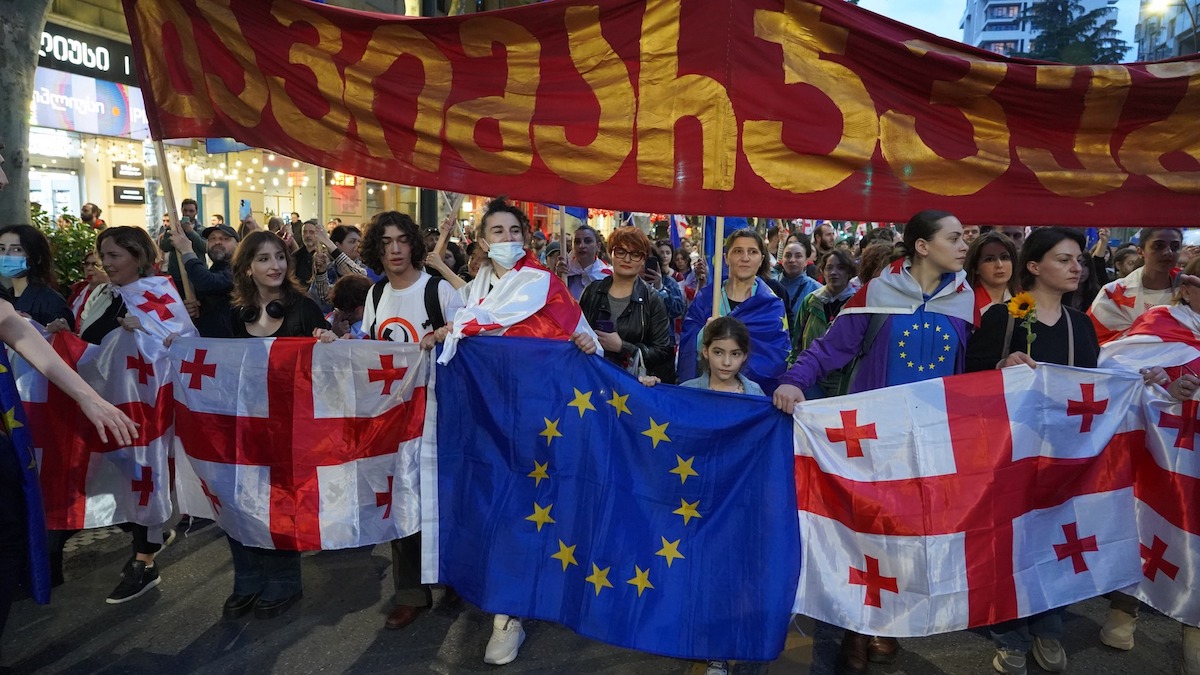
“Today marks 10 years of signing the EU-Georgia Association Agreement, a partnership milestone & a reminder that the European Union firmly stands with Georgian people’s aspiration for a future in the EU. The Georgian government should recommit to the EU path. Georgia’s rightful place is in the EU but Georgia will not progress on the EU path if there is no change in the course of action,” the statement reads.

Additionally, Rikard Jozwiak, chief editor of Radio Liberty Europe’s Brussels bureau, wrote on social network X:

“There is nothing about measures against Georgia in the draft conclusions of the EU summit, but there is the following: The Council of Europe calls on the Georgian authorities to clarify their intentions, change the current course of action, which threatens Georgia’s path to the EU and effectively halts the country’s accession process.”

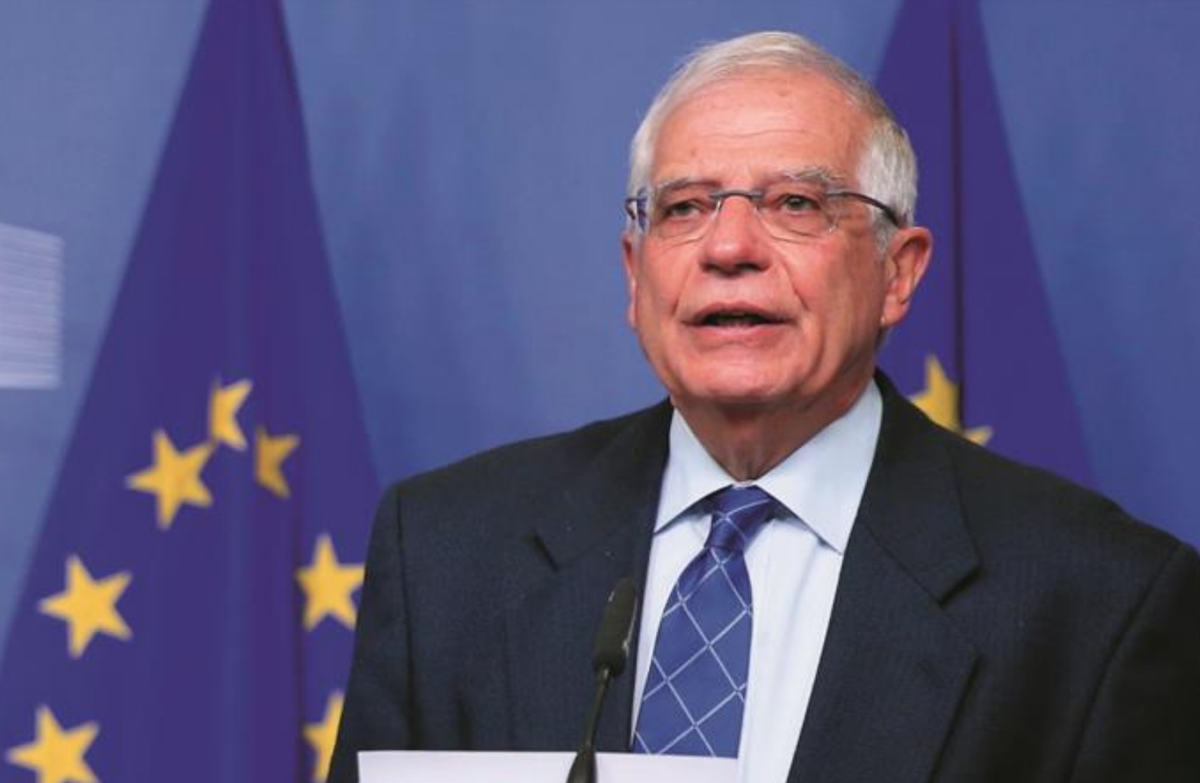
At a press conference held on June 24 in Brussels, EU High Representative for Foreign Affairs Josep Borrell stated that, in the opinion of most EU foreign ministers, the Georgian government is distancing the country from the European Union. If the government does not change its policy, Georgia’s progress towards EU membership will not develop.

According to Borrell, due to the adoption of the “foreign agents” law, political contacts with the Georgian authorities will be reduced, support for the government will be frozen, and lines of European credit financing will be reviewed.

Borrell reiterated that the adoption of the “foreign agents” law is driving Georgia further away from the European Union instead of bringing it closer.

EU representation in Georgia


Categories
South Caucasus News

Russia Accuses France of Fueling South Caucasus War – MSN


Russia Accuses France of Fueling South Caucasus War  MSN

Categories
South Caucasus News

Australian Government backs long-range solar-powered drone project – Airport Technology


Australian Government backs long-range solar-powered drone project  Airport Technology

Categories
South Caucasus News

Heritage Park on the Greenway Continues Making Mark on Armenian Community – The Armenian Mirror-Spectator


Heritage Park on the Greenway Continues Making Mark on Armenian Community  The Armenian Mirror-Spectator

Categories
South Caucasus News

The unstoppable dram: analysis of the world’s strongest currency – Armenian Weekly


The unstoppable dram: analysis of the world’s strongest currency  Armenian Weekly

Categories
South Caucasus News

Prosecution delves into Menendez’s financial disclosures | Video – NJ Spotlight News


Prosecution delves into Menendez’s financial disclosures | Video  NJ Spotlight News

Categories
Audio Review - South Caucasus News

US sanctions Iran over nuclear escalations, petroleum transport


WASHINGTON — The United States on Thursday issued fresh sanctions targeting Iran in response to “continued nuclear escalations,” U.S. Secretary of State Antony Blinken said in a statement.

“Over the past month, Iran has announced steps to further expand its nuclear program in ways that have no credible peaceful purpose,” Blinken said. “We remain committed to never letting Iran obtain a nuclear weapon, and we are prepared to use all elements of national power to ensure that outcome.”

Iran’s mission to the United Nations in New York did not immediately respond to a request for comment.

Thursday’s action imposes sanctions on three companies based in the United Arab Emirates the U.S. accused of being involved in the transport of Iranian petroleum or petrochemical products, as well as 11 associated vessels.

Earlier this month, the Group of Seven advanced industrialized economies warned Iran against advancing its nuclear enrichment program, and members said they would be ready to enforce new measures if Tehran were to transfer ballistic missiles to Russia.

Iran rebuked the statement, calling on the G7 to distance itself from “destructive policies of the past,” said Iranian Foreign Ministry spokesperson Nasser Kanaani.

Earlier in June, the United Nations nuclear watchdog’s 35-nation Board of Governors passed a resolution calling on Iran to step up cooperation with the watchdog and reverse its recent barring of inspectors.

Iran is enriching uranium to up to 60% purity — close to the 90% of weapons grade — and has enough material enriched to that level, if enriched further, for three nuclear weapons, according to an IAEA yardstick.

Western powers say there is no credible civilian reason for that. Iran says its aims are entirely peaceful, but officials have recently said it could change its “nuclear doctrine” if it is attacked or its existence was threatened by arch-foe Israel. That has prompted alarm at the IAEA and in Western capitals.