Categories
South Caucasus News

“The adoption of the ‘foreign agents’ law is not an isolated incident” – PACE resolution on Georgia


PACE resolution on Georgia

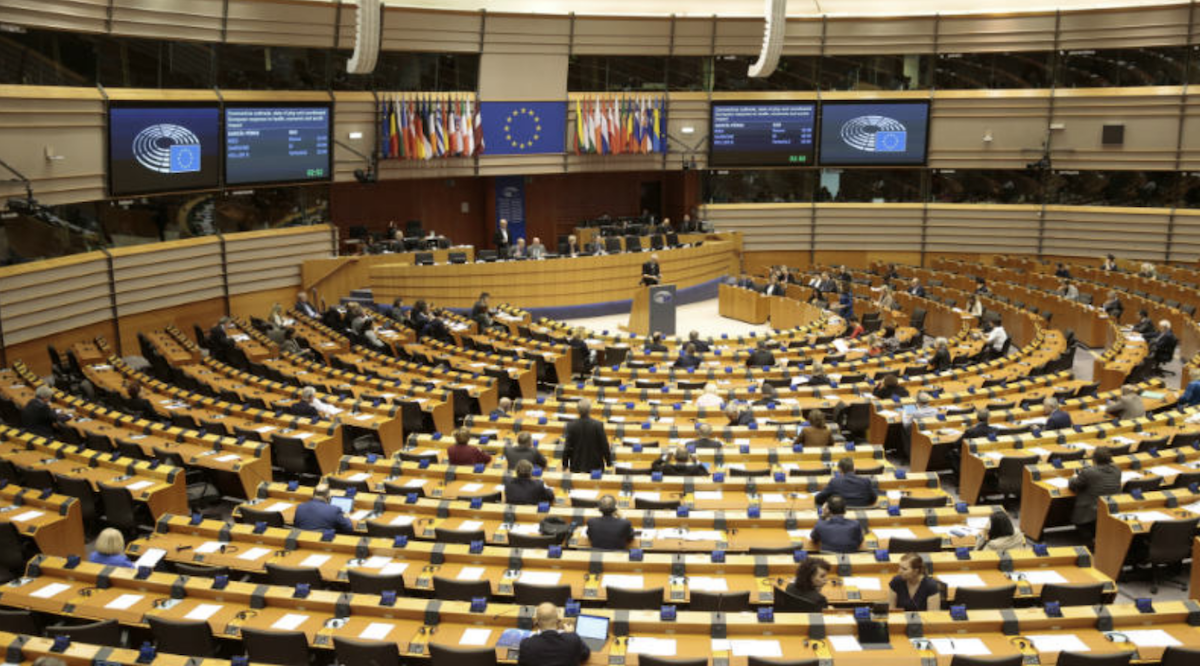
‘Challenges to democracy in Georgia‘ – co-authors of the Parliamentary Assembly of the Council of Europe have prepared a resolution that will be discussed in today’s debates.

The draft document is published on the organization’s website and expresses concern over recent events in Georgia, which, according to the authors, raise questions about the country’s commitments to international democratic norms and Euro-Atlantic integration.
Resolution contents

  • “The adoption of the law on transparency of foreign influence does not comply with European democratic standards and human rights standards. We call on the government to immediately repeal this law.”
  • “The adoption of the law is not an isolated case but the culmination of a series of events indicating a democratic decline in the country.”
  • “We condemn the use of excessive force by the police, cruel attacks, and intimidation campaigns against demonstrators, civil activists, journalists, and parliament members.”
  • “These attacks and acts of intimidation are inadequately investigated and not condemned by the authorities, which may lead to an atmosphere of impunity for such actions.”


  • Furthermore, the draft resolution includes assessments from the Venice Commission regarding the ‘foreign agents’ law and other contentious laws recently passed by the Georgian Parliament. The draft resolution also addresses the upcoming elections.
  • Given the importance of these elections, the Assembly should deploy as many international observer missions to Georgia as possible, according to the authors’ assessment.
  • The initiator of the second amendment to the resolution was Alexey Goncharenko, who sought to add text concerning oligarch Bidzina Ivanishvili and Russian influence, although the Council did not support the second amendment.

What you need to know about the “foreign agents” law in Georgia:

  • The “Law on Transparency of Foreign Influence” was initiated by the ruling party “Georgian Dream” and passed by Parliament in its third reading on May 28, 2024.
  • The Parliament adopted this law despite massive protests, persistent calls from Georgia’s Western partners, and the opinion of the Venice Commission of the Council of Europe.
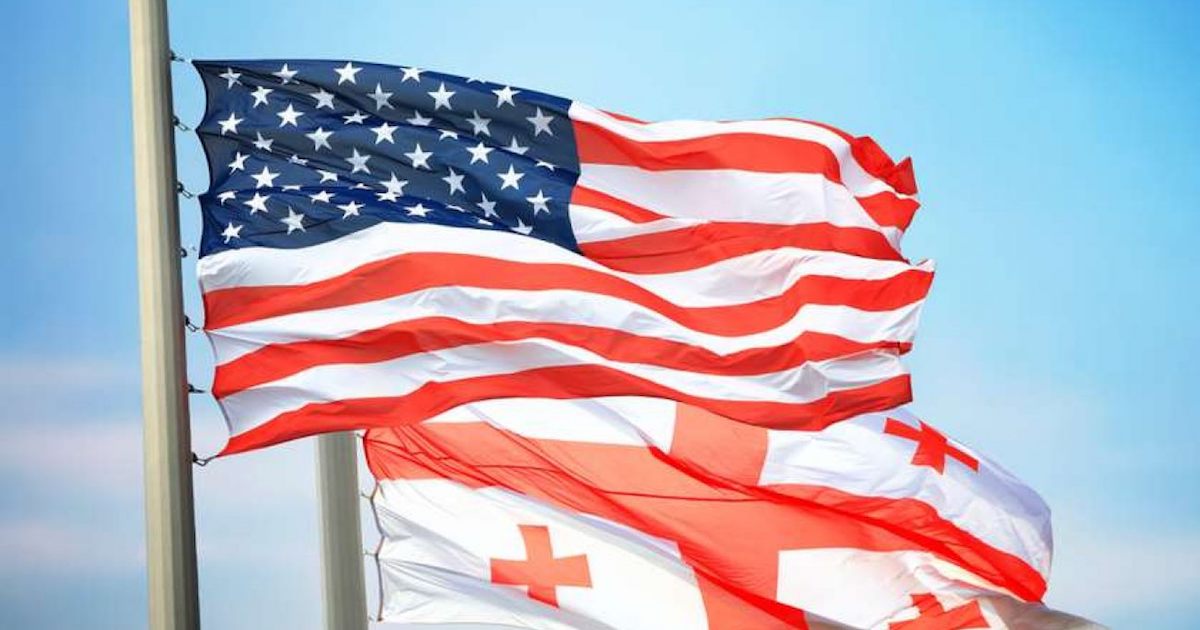
  • Following the law’s adoption, the United States raised the prospect of sanctions against the Georgian Dream government. On May 23, Secretary of State Antony Blinken stated that the U.S. would “conduct a comprehensive review of U.S.-Georgia cooperation.”
  • The European Union also plans to take countermeasures. Senior EU officials have repeatedly indicated that this law distances Georgia from the EU.
  • The Georgian government’s main argument is that similar laws exist in the U.S. and several European countries, including France. According to Georgian Dream, every country has the right to protect itself from foreign influence and demand transparency from its organizations.

However, this comparison is inaccurate because:

The American law FARA (Foreign Agents Registration Act), to which Georgian Dream refers, was enacted in the U.S. in 1938, before World War II, and aimed to protect the American public from Nazi propaganda. Neither then nor now did FARA apply to America’s allies and friendly countries.

In France, the law on “Foreign State Influence” includes a specific list of countries to which the law applies. This list comprises countries whose influence France considers a threat, including Russia, China, Turkey, and Iran. The French version also specifically states that this law does not apply to EU countries. The Georgian version lacks such provisions. Consequently, this law directly impacts organizations funded by the U.S. and the EU—friendly and partner countries that support democratic processes and numerous vital projects in Georgia, ranging from healthcare and infrastructure to strengthening civil society.

Furthermore, FARA stipulates that the law does not apply to media or NGOs, only to lobbying organizations. The Georgian version does not have this clarification.

Overall, the Georgian law is similar to the Russian law, which primarily affected media and the NGO sector. As a result, all non-governmental and media organizations not controlled by the Kremlin have been shut down in Russia. Hence, the Georgian law has been dubbed the “Russian law.”

It’s also important that this law contradicts EU legislation. When a similar law was adopted in Hungary, it was annulled by the European Court of Human Rights because it was directly aimed at silencing the media and oppressing NGOs.

The “Law on Transparency of Foreign Influence” in Georgia is set to come into effect by September 2024 when a special registry will be ready for “foreign agent organizations” to register. This applies to all organizations where over 20% of funding comes from foreign grants. In a small and not very wealthy country like Georgia, this includes the vast majority of non-governmental organizations.

Many Georgian NGOs and media refuse to register in the registry as they find the label of “organizations representing the interests of foreign states” offensive. “We work honestly in our country, so why should we be called ‘bearers of foreign state interests’?” they protest.

Some small organizations are already announcing their imminent closure. For instance, the NGO Fair Trees Foundation reported that its project to create a free children’s dental clinic would be suspended due to the law’s adoption.

Additionally, almost all animal protection organizations in Georgia rely on foreign grants, and thus the law’s adoption could lead to the closure of many of these organizations.
Categories
South Caucasus News

“Georgian leaders block reforms needed for European integration,” says US assistant secretary of state


James O’Brien on reforms in Georgia

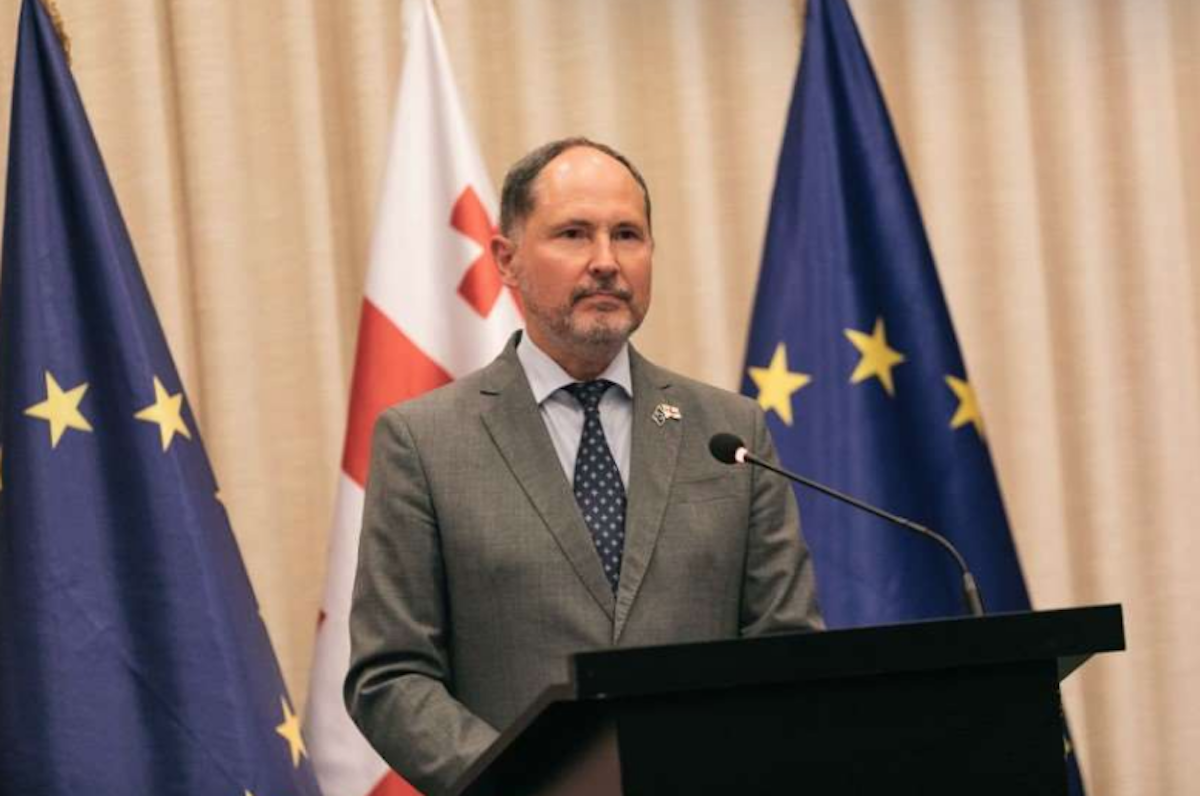
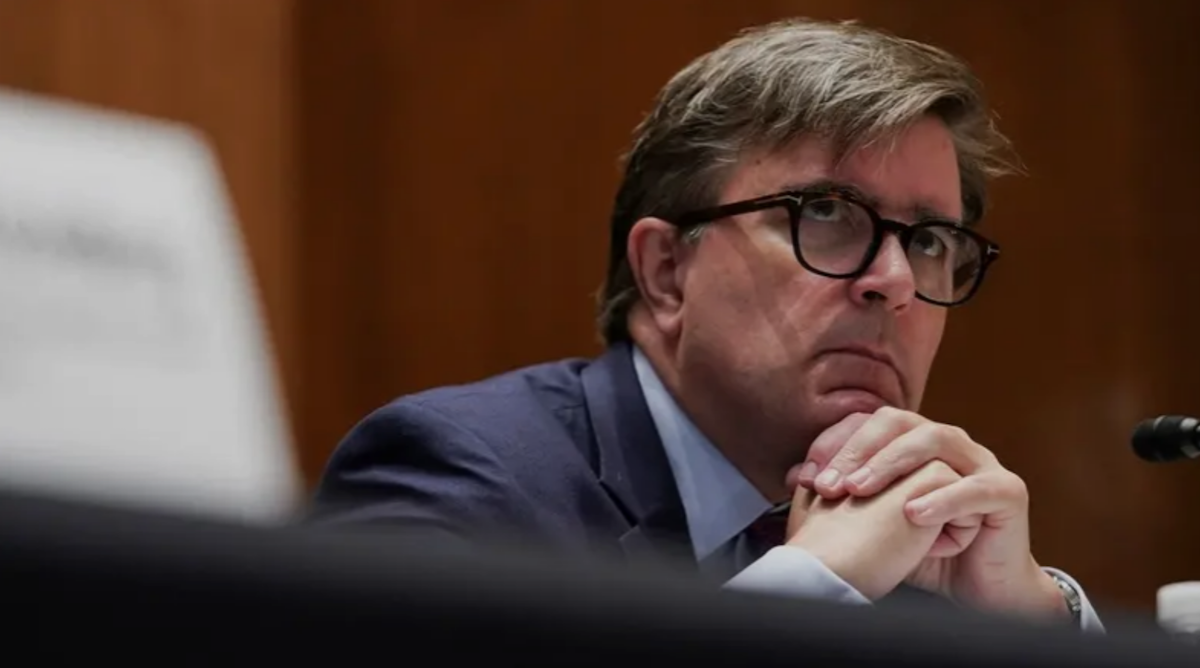
U.S. assistant secretary of state for European and Eurasian Affairs, James O’Brien, stated that Georgian leaders are blocking “complex reforms” needed for joining the European Union and NATO. He made this statement in Washington during a session of a Congressional committee discussing the budget for the 2024-2025 fiscal year.

U.S. Assistant Secretary of State for European and Eurasian Affairs, James O’Brien, stated that Georgian leaders are blocking “complex reforms” needed for joining the European Union and NATO. He made this statement in Washington during a session of a Congressional committee discussing the budget for the 2024-2025 fiscal year.

According to O’Brien, the European Union has repeatedly signaled to the Georgian government that actions such as violence against the opposition, the “foreign agents” law, and the contract for the construction of the deep-sea port in Anaklia awarded to a Chinese company, all jeopardize the path to European integration.

“Part of our spending goes towards Euro-Atlantic integration. Over the past two years, we have experienced a historic movement towards consolidation. The EU has made offers to nine countries with a future in the European Union.

In NATO, discussions have also taken place about the accession of these countries to the alliance or their closer association with it. In some of these countries, we see certain reactions, such as in Georgia. Here, leaders are blocking the complex reforms necessary for joining the EU and NATO. We must work together to prevent this. We also see that Russia is trying to be very active in these areas,” O’Brien said.

The American official also noted that more than 80 percent of Georgian citizens support the path to the European Union and NATO.

“In the Georgian constitution, adopted by the ‘Georgian Dream’ party, it is stated that the country aspires to be a member of the European Union and NATO. This week, the EU and we have repeatedly and publicly stated that actions such as violence against the opposition, the ‘foreign agents’ law, and the contract for the construction of the deep-sea port in Anaklia awarded to a Chinese company, all jeopardize the path to the EU and NATO, which is supported by more than 80 percent of Georgian citizens,” O’Brien said.

James O’Brien on reforms in Georgia


Categories
South Caucasus News

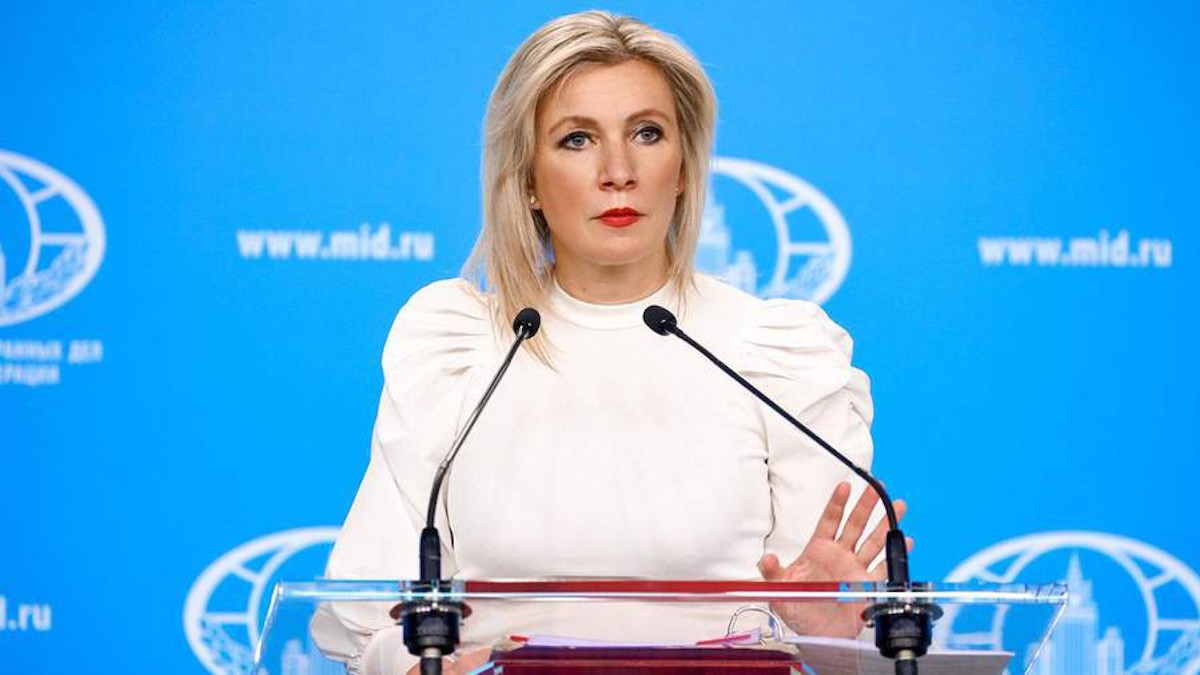
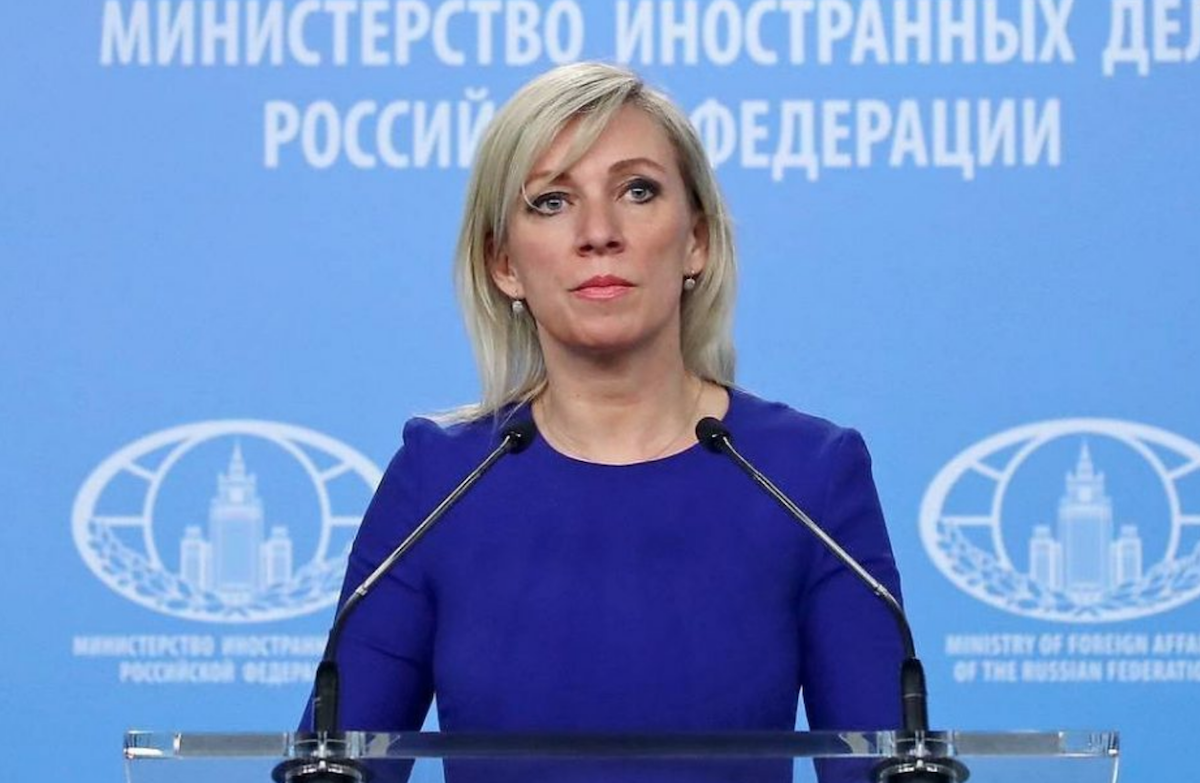
“Russia supports restoring diplomatic relations with Georgia,” says Russian foreign ministry spokesperson Maria Zakharova


Georgia-Russia diplomatic relations

Russia supports restoring diplomatic relations with Georgia, said Russian Foreign Ministry spokesperson Maria Zakharova in response to a question from “Vestnik Kavkaza.”

The initiative mentioned by Zakharova comes from the little-known pro-Russian party “Solidarity for Peace.” Recently, its leaders Mamuka Pipia and Mikhail Zhgenti officially appealed to Russian president Vladimir Putin to fully lift the visa regime for Georgia and restore diplomatic relations between the two countries.

Vladimir Vladimirovich, I appeal to you to completely lift the visa regime for Georgian citizens,” said Pipia, the party leader and businessman, in his appeal to Putin.

Pipia also asked Putin to grant amnesty to Georgian citizens who violated residency rules in Russia before the visa regime was eased and were deported.

On June 11, the television company “Mtavari Arxi” reported that the ruling party “Georgian Dream” is working with Moscow on opening an embassy there. The Russian Foreign Ministry denied this information, calling it “rumors.”

“I want to remind you that Russia was not the initiator of breaking relations with Georgia. This happened at the initiative of the Saakashvili regime. Since then, the restoration of bilateral relations has been conditional on terms that contradicted the regional realities.

In 2012, the Georgian government initiated the process of normalizing relations. Russia immediately supported this proposal. We will continue to believe that this serves the interests of both countries.

We support any initiatives that promote the normalization of relations between Russia and Georgia. In this context, we welcome the initiative you mentioned. We are ready to follow this path,” Zakharova said.

Georgia severed diplomatic relations with Russia after the 2008 war when Moscow recognized the independence of Abkhazia and the Tskhinvali region.


Categories
South Caucasus News

Armenian-Indian relations see significant increase in recent years – Ambassador of Armenia to India – Armenpress.am


Armenian-Indian relations see significant increase in recent years – Ambassador of Armenia to India  Armenpress.am

Categories
South Caucasus News

Armenia set to establish diplomatic relations and open borders with Türkiye – FM – Trend News Agency


Armenia set to establish diplomatic relations and open borders with Türkiye – FM  Trend News Agency

Categories
South Caucasus News

Azerbaijan’s foreign minister, Georgian parliament speaker mull regional situation


Azerbaijan and Georgia discussed issues on the agenda of strategic partnership, prospects for inter-parliamentary cooperation, as well as the current situation in the region, Azerbaijan’s Foreign Ministry said following the meeting of Minister Jeyhun Bayr

Categories
South Caucasus News

Google Translate adds more than 110 new languages


Google is adding support for 110 new languages to Google Translate, the company announced on Thursday. Before now, Google Translate supported 133 languages, so this expansion — which the company says is its biggest ever — marks a significant jump.

Categories
South Caucasus News

Alper Gezeravci: Readiness for urgent challenges in space is a top priority


Alper Gezeravci, Türkiye’s first astronaut and former military pilot, emphasized that readiness for urgent challenges in space sector is one of the main tasks facing the world today.

Categories
South Caucasus News

Poland spent more than $12 billion to build shelters


The Polish authorities plan to allocate about 50 billion zlotys (about $12.5 billion) by 2034 for the construction of shelters in private homes, as well as underground infrastructure in hospitals of the Ministry of Internal Affairs and the Ministry of Defense, Azernews reports.

Categories
South Caucasus News

Tourists from Azerbaijan in Turkiye grow by number


In May 2024, 75,474 tourists visited Turkiye from Azerbaijan, marking a 30.39 percent increase compared to May 2023.