
UN report on Iran’s nuclear facilities FOX 5 Atlanta
Day: June 24, 2024

Almost half the world — over three billion people — live on less than $2.50 a day and billions living with;little to no access to electricity, like those living in places like Africa, Brazil,;China, India, Indonesia, and Malaysia, is complicated by the hypocritical “green” agendas of leaders in the few wealthier developed economies that have benefited from the more than 6,000 products made from fossil fuels since the beginning of the industrial era.
Wealthy counties desiring to pursue their net-zero emissions goals, wish to rid themselves of fossil fuel usage, and the products and fuels that made them Developed Nations, while poor countries need those “products” to elevate themselves from their underdeveloped status to become flourishing economies, not just for growth of national GDP but also for the socio-economic improvement of individual families.
The vast difference in the lifestyle of some of these families will make many of us wonder if there we are in a time travel machine. Hospitals without electricity, homes without refrigerators, families without a car or a motorbike, and millions with uncertainty about next morsel of food on their plates!
The future prosperity for these people, and about 80 percent of humanity, is contingent on their economic advancement through the rightful access to harness the foundational elements of any flourishing economy, i.e., the strategic use of fossil fuels to enjoy the products and fuels that are the basis of all the infrastructures such as:
- Transportation
- Water filtration
- Sanitation
- Hospitals
- Medical equipment
- Appliances
- Electronics
- Telecommunications
- Communications systems
- Heating and ventilating
Wealthy countries wishing to rid the world of crude oil, coal, and natural gas, without replacements in mind, would be immoral and evil, as extreme shortages of the petroleum products manufactured from fossil fuels will result in billions of fatalities from diseases, malnutrition, and weather-related deaths in both the developed and the under-developed economies.;;
Shortages of fossil fuel products would necessitate the lifestyles of those in the wealthier countries being mandated back to the horse and buggy days of the pre fossil fuel 1800’s and could be the greatest threat to most of the planet’s eight billion residents.
The few wealthy countries pursuing the generation of electricity from wind turbines and solar panels while simultaneously moving to rid the world of fossil fuels have;short memories of petrochemical products and human ingenuity being the reasons for the world populating from 1 to 8 billion in less than two hundred years.;
The world’s population explosion was not just based on the discovery of oil alone. We have learned that crude oil is useless unless it can be manufactured into something usable. The 8 billion now on this planet are dependent on the oil derivatives and fuels that are manufactured from crude oil. ;
Today, through human ingenuity, we have more than;6,000 products; currently benefiting society and transportation fuels for the 50,000 jets moving people and products, and the transportation fuels for more than 50,000 merchant ships for global trade flows, and the fuels for the militaries and space programs, as well as the fuel for the President’s 400 ton Air Force One airplane.
As the world’s population depletes the earth’s crude oil reserves over the next few centuries or so, the grandchildren in wealthier developed countries will be unable to enjoy the more than 6,000 products of our materialistic society, being enjoyed by the current residents of those developed nations on this planet. Those in poorer nations have yet to enjoy the lifestyles of those fortunate to live in the wealthier nations, all made possible with the products made from fossil fuels.
It cannot be overemphasized that implementing Net Zero emission policies would eliminate products derived from petroleum that are the foundation of today’s lifestyles and economies. Disruption to nitrogen fertilizers and pesticides alone will result in about half the world’s population not having enough food to eat.
Life without oil is NOT AS SIMPLE AS YOU MAY THINK;as renewable energy is only intermittent electricity from breezes and sunshine and NEITHER wind turbines, nor solar panels, can manufacture anything for society.;
The climate will continue to be a challenge, like it has for billions of years, but now, we have 8 billion on this planet that we didn’t have a few centuries ago, that we need to maintain healthy and productive lives in the decades ahead, currently being enjoyed by the few in the modern world. Depriving developing nations of the products and fuels manufactured from fossil fuels could be a much greater threat to mankind than any climatic challenges facing humanity.
About the authors:
- Ronald Stein, P.E. is an engineer, senior policy advisor on energy literacy for the Heartland Institute and CFACT, and co-author of the Pulitzer Prize nominated book “Clean Energy Exploitations.”
- Vijay Jayaraj is a Research Associate at the CO2 Coalition, Arlington, Virginia. He holds a master’s degree in environmental sciences from the University of East Anglia, U.K. His focus area is on the intersection of environment, energy policy and development, particularly in developing countries.
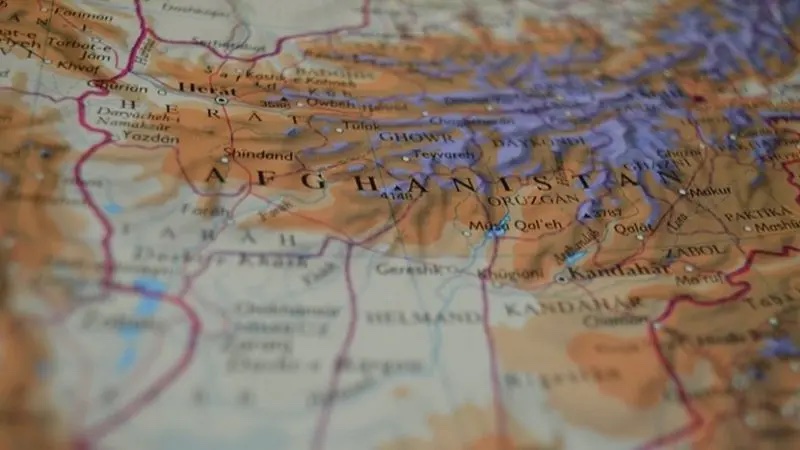
The global electrification drive, spearheaded by the burgeoning electric vehicle (EV) industry, has intensified the race to secure lithium, a vital component in EV batteries. This has thrust Afghanistan, boasting some of the world’s largest untapped lithium reserves, onto the center stage. Often referred to as the “Saudi Arabia of Lithium,” Afghanistan’s estimated lithium reserves are pegged at around 2.3 million tons, making it a highly coveted prospect for countries vying for dominance in the clean energy sector.;
China’s Strategic Calculus: A Multi-Faceted Approach
China which commands a substantial 56.3% share of the global EV marker;and a leading consumer of lithium, has emerged as a key stakeholder in Afghanistan’s lithium resources. It’s;interest in Afghanistan’s lithium stems from a multi-pronged strategic approach:;
• Securing Lithium Supply: A Lifeline for China’s EV Dominance:;China faces an ever-growing demand for lithium to fuel its burgeoning domestic EV industry. As of 2023, China accounts for over 50% of global EV sales, and this dominance is expected to continue. By securing access to Afghan lithium, China aims to lessen its dependence on other sources, primarily South American countries and Australia and mitigate potential supply disruptions. This would fortify its position in the EV market and shield it from price fluctuations or political instability in other resource-rich regions. China’s vulnerability to supply chain disruptions was highlighted in 2021 when a political spat with Australia, a major lithium producer, led to a surge in lithium prices. Diversifying its sources of lithium is crucial for China’s long-term EV ambitions.;
• Economic Windfall: Lithium’s Lucrative Potential:;Lithium extraction and processing present lucrative economic opportunities. China’s investments in Afghan lithium mines could generate significant revenue and open new markets for Chinese companies involved in mining equipment, infrastructure development, and logistics. This would bolster China’s economic clout and technological prowess in the lithium sector. Chinese companies have already made inroads into Afghanistan’s mining sector, with Jiangxi Hongda Lithium Co., a state-owned enterprise, expressing interest in Afghan lithium projects.;
• Geopolitical Influence: Deepening Ties with the Taliban Regime:;China’s involvement in Afghanistan’s mining sector could strengthen its economic and political ties with the Taliban regime. By offering much-needed economic assistance and reconstruction aid, China could leverage its influence to gain preferential access to Afghan lithium resources. This could potentially increase China’s regional influence and shape the broader geopolitical landscape of Central Asia. A strengthened China-Taliban relationship could also provide a measure of stability in a volatile region.;
Challenges and a Glimpse of Hope: Balancing Development and Sustainability
Extracting Afghanistan’s lithium resources is not without its challenges. The country’s political instability, fragile security situation, and underdeveloped infrastructure pose significant hurdles. Extracting lithium requires a substantial amount of water, which is a scarce resource in Afghanistan. Additionally, the environmental impact of lithium mining necessitates careful consideration to avoid ecological degradation, potential water table contamination, and social unrest among local communities.;
However, there are opportunities to be harnessed if development is approached responsibly. Significant investments are needed in modern mining technologies that can minimize environmental impact. China has experience in implementing large-scale infrastructure projects and could potentially leverage this expertise to develop Afghanistan’s mining sector with a focus on sustainability. Furthermore, developing the lithium sector could create much-needed jobs, provide a significant boost to Afghanistan’s war-torn economy and contribute to its reconstruction efforts. The creation of a skilled workforce and improved infrastructure could have long-lasting positive effects for the Afghan people.;
The Environmental Tightrope Walk: A Need for Sustainable Practices
The environmental impact of lithium mining has emerged as a major concern. Traditional lithium extraction methods are water-intensive and can lead to water table contamination. Additionally, mining activities can disrupt ecosystems and cause social unrest if local communities are not adequately consulted or compensated.;
To ensure the sustainable development of Afghanistan’s lithium resources, several key measures are needed:;
• Adoption of Cutting-Edge Technologies:;Newer lithium extraction methods, such as direct lithium extraction (DLE), use less water and have a lower environmental footprint. China has been actively researching and developing DLE technologies, and its expertise could be crucial in mitigating the environmental impact of lithium mining in Afghanistan.;
• Stringent Environmental Regulations:;The Afghan government, in collaboration with international stakeholders, needs to establish and enforce strict environmental regulations to govern lithium mining operations. These regulations should mandate the use of best practices, environmental impact assessments, and robust monitoring programs.;
• Community Engagement and Benefit Sharing:;This includes transparent communication about the project’s environmental and social impact, as well as ensuring local communities receive a fair share of the benefits generated through lithium extraction. This could involve creating employment opportunities for local residents, investing in infrastructure development projects in nearby communities, and establishing grievance redressal mechanisms.;
• International Cooperation for Sustainable Development:;International cooperation will be crucial in ensuring the responsible development of Afghanistan’s lithium resources. Multilateral organizations, such as the World Bank and the Asian Development Bank can provide technical assistance and financial resources to support sustainable mining practices. Additionally, collaboration with developed countries with expertise in clean technologies can help Afghanistan adopt environmentally friendly lithium extraction methods.;
Geopolitical Considerations and the Road Ahead: A Complex Landscape with Uncertainties
China’s growing presence in Afghanistan’s mining sector has generated geopolitical concerns. The United States, another major player in the EV market, may view China’s involvement as a strategic threat, potentially leading to heightened competition for Afghan resources. This could lead to a scenario where both countries vie for influence with the Taliban regime, exacerbating existing tensions. Additionally, neighboring countries like Pakistan, Iran, and Russia could be drawn into the fray, further exacerbating regional tensions.;
Several factors could influence the future trajectory of this geopolitical landscape:;
• The Stability of the Taliban Regime:;The Taliban government has the potential for long-term stability.;It has the ability to defeat enemy warbands for long periods of time.;Hence the chances of instability and disruption of mining operations are less.;
• The International Community’s Response:;The international community’s response to the Taliban regime and its engagement with China’s involvement in Afghan mining will be crucial. Recognition of the Taliban regime by major powers could create a more stable environment for resource development.;
• The Global Race for Clean Energy Resources:;The broader global race for clean energy resources will also influence the situation in Afghanistan. If alternative battery technologies emerge or lithium substitutes are discovered, the importance of Afghan lithium could diminish. However, with the current trajectory of the EV market, lithium is expected to remain a critical resource in the foreseeable future.;
Conclusion: A Crossroads for Afghanistan
The race for Afghanistan’s lithium reflects the broader geopolitical competition for critical resources in the clean energy transition. China’s strategic moves highlight the intricate relationship between energy security, economic interests, and regional power dynamics. As Afghanistan navigates its path forward, responsible development, international cooperation, and a commitment to environmental sustainability will be paramount in harnessing its lithium potential for long-term economic growth and stability in the region. The outcome will determine whether Afghanistan’s lithium becomes a source of prosperity or a catalyst for instability.;
The coming years will be crucial in determining the future of Afghanistan’s lithium resources. With careful planning, responsible development practices, and international cooperation, Afghanistan has the potential to leverage its lithium wealth to rebuild its war-torn economy and ensure a brighter future for its people. However, the challenges are significant, and the geopolitical landscape remains complex. The decisions made by the Taliban regime, the international community, and major stakeholders like China will have a lasting impact on Afghanistan’s future.
The government of Armenia made an offer to Azerbaijan to jointly create a mechanism to investigate ceasefire violations along the border, after recent accusations by official Baku of alleged ceasefire breaches by Armenian forces.
“In the recent period the Ministry of Defense of the Republic of Azerbaijan has been periodically disseminating information claiming that units of the Defense Ministry of the Republic of Armenia are violating the ceasefire regime. Despite the fact that the Ministry of Defense of the Republic of Armenia has denied all these accusations, Azerbaijan continues the dissemination of such information, ” a statement from Prime Minister Nikol Pashinyan’s office said on Saturday.
“In continuation of the statement of the Prime Minister of the Republic of Armenia made on June 15, 2024, and based on the fact that it is the will of the Government of the Republic of Armenia not to allow tension, the staff of the Prime Minister of Armenia have proposed to the staff of the President of Azerbaijan through diplomatic channels to create a bilateral mechanism for investigation of cases of violations of the ceasefire regime,” the statement added.
Azerbaijan has not responded to Armenia’s offer.
The European Union was quick to welcome Yerevan’s initiative, with its special envoy to the Caucasus, Toivo Klaar, taking to social media to offer the bloc’s help in facilitating such a mechanism.
“The proposal of Armenia to establish a bilateral mechanism to address alleged ceasefire violations on the Armenia-Azerbaijan border to reduce tensions is to be welcomed,” Klaar said in a post on the social media platform, X.
“The European Union has for 15 years through the EU Monitoring Mission in George helped organize similar meetings in Georgia and is ready to share its experiences,” Klaar added.
YEREVAN (Azatutyun.am)—Prime Minister Nikol Pashinyan claimed over the weekend that most Armenians support his appeasement policy towards Azerbaijan because they want to enjoy their lives, rather than fight and make sacrifices.
Pashinyan said the dominant mood in Armenia is that “we don’t want to fight anymore, we don’t want to survive, we don’t want to suffer, we don’t want to be sacrificed, we just want to live.”
“And the people’s message to their elites and to us as the ruling, governing majority is: ‘Can you create conditions for us to just live, just live?’” he told a conference of his Civil Contract party.
This, Pashinyan went on, is the ideology of “real Armenia” which he and his political team are trying to build. Azerbaijan’s continuing hostility towards the Armenians is one of the main obstacles on that path, he said, adding that his administration must “manage” this challenge.
“What Azerbaijan says [to Armenia,] if we put it very briefly, is as follows: ‘You didn’t let me live for 30 years, I won’t let you live either, and I will take revenge on you,’” he said.
Pashinyan’s remarks were denounced on Monday by representatives of Armenia’s leading opposition groups that blame him for Azerbaijan’s victory in the 2020 and subsequent takeover of Nagorno-Karabakh and say that his “treasonous” policy is now creating existential threats to Armenia.
“The concept put forward by him is as follows: ‘We must yield to the Turks on all issues to prevent war, but if there is a war … we must hand the country’s keys to the Turks or become a Turkish province because we don’t want to suffer,’” said Artur Khachatryan of the Hayastan alliance.
“In order to be able to live in your country you must be ready to defend your country’s borders against its enemies,” Khachatryan told RFE/RL’s Armenian Service. “But he says, ‘No, enough with fighting.’ He is thereby destroying the idea of statehood.”
“So in order to live well, raise children and be happy, you have to renounce your faith, your land and [the memory of] your martyrs,” scoffed Hayk Mamijanyan, the parliamentary leader of the opposition Pativ Unem bloc.
In Mamijanyan’s words, Pashinyan wants Armenians to “give up national security” while admitting that Azerbaijani President Ilham Aliyev has no intention to make peace.
Pashinyan made his statement following more than month-long antigovernment protests in Yerevan sparked by his decision to cede several disputed border areas in the Tavush province to Azerbaijan. The protests led by Archbishop Bagrat Galstanyan, head of the Tavush diocese of the Armenian Apostolic Church, drew tens of thousands of people to the streets of the capital.
Pashinyan defended his unilateral territorial concessions even before the mass rallies, saying that they will prevent an Azerbaijani invasion of Armenia. The Armenian opposition dismissed those claims as scaremongering. Opposition leaders maintain that Pashinyan’s appeasement policy will not lead to a lasting peace between the two South Caucasus nations.
After Armenian security authorities raided the office of the Artsakh representation in Yerevan on Friday, seizing a car belonging to Artsakh President Samvel Shahramanyan, four factions represented in the Artsakh parliament issued a terse statement condemning the Armenian government for its “targeting” of Artsakh Armenians.
“The incident that took place in the area of the Artsakh representative office in Armenia on June 21 highlighted the fact that the current authorities of Armenia have crossed the line of both legal and moral values,” the statement said.
“This kind of treatment toward Artsakh is a continuation of the repressions carried out [in Yerevan] a few days ago, on June 21, which proves that for the sake of maintaining power, they are ready to violate the country’s Constitution and, using disproportionate force and special measures against their own people, they have hindered the democracy of the Republic of Armenia and its commitment to a state operating under the rule of law. Such incidents are unacceptable and strictly condemnable for us,” added the statement.
“The authorities of the Republic of Armenia have been targeting various groups and individuals form Artsakh under the guise of democracy for a while now, applying repression, discriminatory treatment against them, using the divisive vocabulary of ‘from Armenia-from Karabakh,’” the Artsakh parliamentary factions explained.
“Under such conditions, we consider it appropriate to send a word of gratitude to the thousands of our compatriots in the Republic of Armenia who, by ignoring the artificially created dividing lines, have done everything to ease the moral-psychological and physical pain of Artsakh Armenians during the past nine months—during the difficult days for us,” the statement said.
“All those actions, statements, and speeches that undermine public solidarity and insult the dignity of Artsakh’s Armenians, which are manifested not only through real or fake users widely spread on social networks, but also from the podium of Armenia’s National Assembly, voiced by representatives of the ruling party, are dangerous and unacceptable,” the statement emphasized.
“The struggle for the homeland and national dignity is the inalienable right of every citizen, of all peoples, so we demand that the authorities of the Republic of Armenia refrain from insidious and dangerous manifestations of sowing violence, hatred, and enmity,” the statement said.
Categories