
Categories
South Caucasus News

Indonesia’s ‘Down To Earth” Foreign Policy Approach To Peace On The Korean Peninsula – OpEd


Indonesia’s ‘Down To Earth” Foreign Policy Approach To Peace On The Korean Peninsula – OpEd

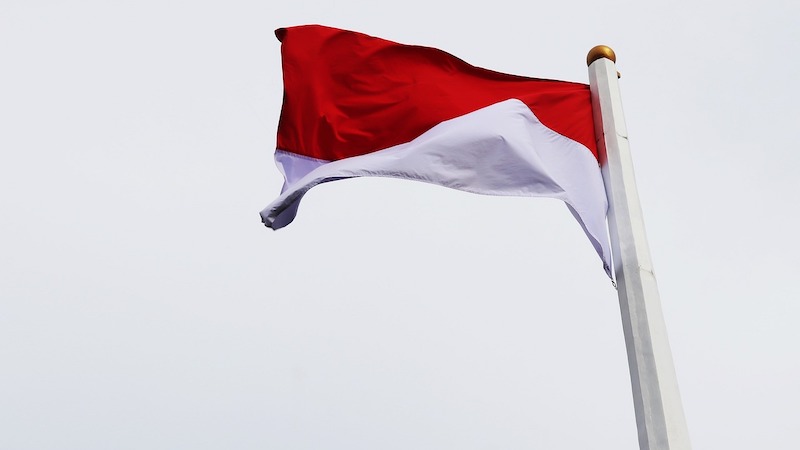
flag indonesia

Indonesia’s foreign policy, known as “Down to Earth,” is characterized by pragmatism, neutrality, and non-intervention. The objective of this essay is to explore the intricacies of Indonesia’s foreign policy and its strategic role in promoting peace between North and South Korea.

Indonesia’s foreign policy is deeply influenced by its role in the Non-Aligned Movement (NAM). The principles of neutrality and non-intervention, which are the foundation of NAM, shape Indonesia’s diplomatic approach. By embracing these principles, Indonesia can maintain an unbiased position, making it well-suited to mediate conflicts, such as the one on the Korean Peninsula. Indonesia’s history of mediating regional conflicts and advocating for peaceful resolutions further highlights its dedication to achieving peace and stability through diplomatic means

Indonesia’s central role in the Korean Peninsula can be attributed to its expertise and reputation as a mediator in diplomatic affairs. Indonesia goes beyond merely facilitating discussions and places emphasis on cultivating comprehension and trust among the parties involved. Its impartiality lends credibility to its stance as a mediator, effectively bridging the long-standing mistrust between North and South Korea.

Economic exchanges are crucial components of Indonesia’s foreign policy. The promotion of trade and Indonesian investment aims to establish economic interdependence between North and South Korea. This interdependence serves as a stabilizing force, reducing the likelihood of conflicts due to the mutual benefits of economic cooperation. Furthermore, fostering cultural exchanges strengthens interpersonal connections and establishes a foundation of mutual respect and understanding that transcends political tensions.

ASEAN provides Indonesia with a valuable opportunity to engage with regional actors, including North and South Korea. It allows for dialogue, cooperation, and the exchange of ideas within a multilateral framework. Indonesia’s active involvement strengthens ASEAN’s role as a bridge builder for the Korean Peninsula, as it can leverage regional cooperation to enhance peace and stability.; Indonesia’s well-known policy of “Down to Earth” uniquely positions it as a potential bridge builder for the Korean Peninsula. Guided by pragmatism, neutrality, and non-intervention, Indonesia is committed to stability and peace. Through diplomatic mediation, economic and cultural exchanges, and engagement through the ASEAN platform, Indonesia plays a strategic role in fostering peace between North and South Korea. Indonesia’s membership in the Association of Southeast Asian Nations (ASEAN) enhances its potential as a peacebuilder. By leveraging its influence within ASEAN, Indonesia can promote regional peace initiatives to contribute to stability on the Korean Peninsula. ASEAN’s voice adds weight to broader peace efforts, providing regional support and encouraging dialogue between North and South Korea. Indonesia’s coordination with ASEAN members ensures a unified approach, thereby increasing the effectiveness of peacebuilding.

Strengthening bilateral relations with both North and South Korea is a critical component of Indonesia’s strategy. Through consistent and balanced diplomacy, Indonesia has built frameworks and fostered trust and cooperation with these countries. This approach ensures that Indonesia is perceived as an unbiased partner capable of understanding and addressing the concerns of both Koreas.

Humanitarian assistance is a significant aspect of Indonesia’s policy. By providing aid to North Korea, Indonesia aims to alleviate humanitarian crises and reduce tensions. This assistance is not only about immediate relief but also about building goodwill and demonstrating a commitment to the well-being of the North Korean people. Indonesia’s approach aligns with international humanitarian efforts, reinforcing its role as a compassionate and responsible global actor.

Educational and technological collaborations are crucial to Indonesia’s strategy for fostering long-term peace. These collaborations empower Indonesian individuals and institutions in both North and South Korea through educational exchanges and capacity-building programs. By promoting knowledge sharing and technological innovation, these initiatives drive development that benefits all parties involved. They also lay the foundation for sustained engagement and cooperation, which are essential for lasting peace.;

Indonesia’s advocacy for denuclearization and disarmament of the Korean Peninsula demonstrates its commitment to global peace and security. By supporting the United Nations and international peacebuilding initiatives, Indonesia aligns itself with broader global efforts. These initiatives are part of a comprehensive framework for enhancing international peace and security, which adds to their legitimacy and impact.

Indonesia’s diplomatic efforts are characterized by a commitment to inclusive dialogue involving a wide range of stakeholders. This approach goes beyond government officials and includes civil society leaders, business parties, and other relevant stakeholders. By incorporating diverse perspectives and addressing the complexities of conflict, inclusive dialogue leads to more comprehensive and sustainable peace strategies.

Cultural diplomacy also plays a significant role in Indonesia’s policy. Organizing cultural events and exchanges fosters goodwill and mutual understanding among people, reaching a deeper level than traditional diplomatic channels. This people-centric approach creates a strong and lasting foundation for peace and cooperation.

Indonesia’s history of neutrality and expertise in conflict resolution provides a solid basis for its peacebuilding efforts. Drawing upon valuable lessons and strategies from past experiences, Indonesia offers relevant insights and enhances its credibility as a mediator for the Korean Peninsula. Finally, Indonesia’s long-term vision prioritizes the attainment of sustainable peace and stability. Its ongoing strategic plans aim to provide continuous support and engagement in peacebuilding efforts in the region.

In conclusion, Indonesia’s strong position as a mediator in Peninsula Korea is due to its pragmatic and neutral foreign policy. The country’s principles of non-alignment, diplomatic mediation, economic and cultural exchanges, as well as its role within ASEAN, all contribute to facilitating dialogue and fostering peace between North and South Korea. Additionally, balanced bilateral relations, humanitarian efforts, educational collaborations, and a commitment to inclusive dialogue and cultural diplomacy further enhance Indonesia’s capabilities in peacebuilding. Drawing on its historical and neutral long-term vision, Indonesia offers a sustainable and comprehensive framework for peace on the Korean Peninsula.

The opinions expressed in this article are the author’s own.

References

  • Weatherbee, D. E. (2013). International Relations in Southeast Asia: The Struggle for Autonomy. Rowman & Littlefield.
  • Vatikiotis, M. (1993). Indonesian Politics Under Suharto: Order, Development and Pressure for Change. Routledge.
  • Acharya, A. (2014). Constructing a Security Community in Southeast Asia: ASEAN and the Problem of Regional Order. Routledge.

Categories
South Caucasus News

Exploring Risky Health Behaviors Of Undocumented Bangladeshi Migrants – OpEd


Exploring Risky Health Behaviors Of Undocumented Bangladeshi Migrants – OpEd

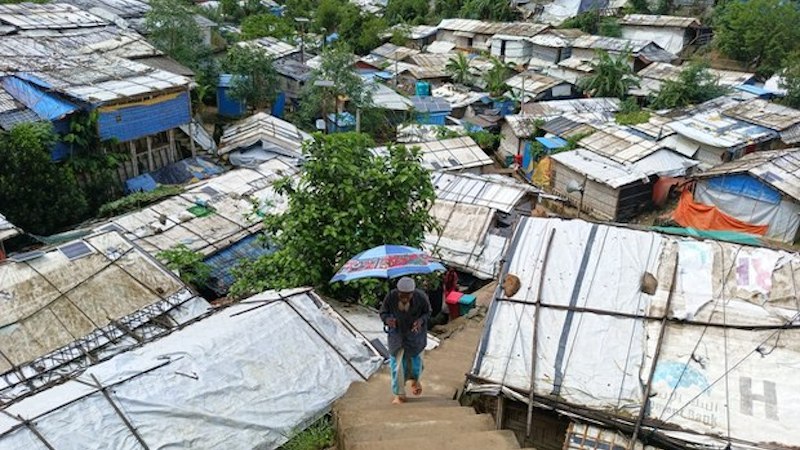
A Rohingya man walks inside Balukhali refugee camp in Cox’s Bazar. Photo Credit: BenarNews

BMC Public Health, a leading journal from Springer Nature, recently published a study that explores the precarious health behaviors and vulnerabilities to sexually transmitted infections (STIs) and HIV/AIDS among undocumented Bangladeshi labor migrants. Conducted by a team of researchers, Md. Salman Sohel, Md. Khaled Sifullah, Babul Hossain, Md. Fouad Hossain Sarker, Noshin Tasnim Zaman, and Md. Obaidullah, the study’s comprehensive findings call for urgent welfare strategies targeting these at-risk populations. This qualitative study provides valuable insights into the dangers faced by these migrants and outlines potential policy measures to address their unique challenges.

The Context

The core driver of Bangladesh’s economy is remittance. Thus, Migration is an integral part of Bangladesh’s socio-economic landscape, with the country being a top sender and receiver of remittances. However, a significant number of Bangladeshi migrants live overseas without proper documentation and they termed as illegal or irregular migrants, which places them in highly vulnerable situations. These undocumented migrants struggle with inadequate access to healthcare, substandard living conditions, and various forms of exploitation, significantly impacting their physical and mental well-being.

Research Methodology

The study’s authors used a qualitative phenomenological framework, interviewing 25 undocumented Bangladeshi migrants from Saudi Arabia, Iraq, Malaysia, Libya, and Italy. Through semi-structured interviews and the Interpretative Phenomenological Approach (IPA), the research provided an in-depth understanding of the participants’ health behaviors, particularly focusing on their risky sexual practices and susceptibility to HIV/STIs.

Key Findings

1. Hazardous Living Conditions

Undocumented migrants often find themselves in perilous living situations in an effort to avoid detection and deportation. These individuals may opt to reside in remote or obscured areas such as jungles or deserted open spaces to escape the vigilance of law enforcement. One participant vividly described the constant fear and instability, recounting experiences of sleeping in the jungle or exposed areas to steer clear of police raids. This precarious existence not only heightens their vulnerability to environmental hazards but also exacerbates their sense of isolation and insecurity.

2. Risky Employment

Many undocumented migrants undertake jobs that are fraught with danger and often lack essential safety protocols. Due to their undocumented status, they have limited leverage to advocate for safer working conditions or proper protective gear. One respondent shared a harrowing incident involving a fatal accident at their workplace, underscoring the dire repercussions of unsafe work environments. Such conditions not only jeopardize the physical well-being of these workers but also perpetuate a cycle of exploitation and occupational hazard.

3. Mental Health Crisis

The emotional and psychological strain among undocumented migrants is significantly pronounced, with many grappling with severe mental health issues. The overarching desperation stems from chronic financial instability and profound social isolation. Several migrants reported experiencing suicidal ideation as they struggle to cope with the seemingly insurmountable challenges of their circumstances. A poignant account from a 57-year-old migrant highlighted the pervasive distress: “I cannot sleep at night or eat three meals a day, and sometimes I think it would be better to die than to continue living this difficult life.”

4. Substance Use

Tobacco usage emerges as a prevalent coping mechanism among undocumented migrants. A participant noted that smoking provided a temporary respite from his depressive symptoms. The reliance on substances, although offering momentary relief, often complicates their health further and may lead to addiction, posing additional challenges in their already precarious lives.

Risky Sexual Behaviors

1. Unprotected Sex

Engagement in unprotected sexual activities is a common occurrence among undocumented migrants, primarily driven by the prohibitive cost of condoms and the fear of apprehension while purchasing them. This behavior significantly elevates the risk of sexually transmitted infections (STIs), including HIV, creating a public health concern that warrants immediate intervention.

2. Substance Use During Sex

The intersection of substance uses and sexual activity is notably concerning, as it frequently leads to risky behaviors and amplifies the risk of HIV/STI transmission. The study revealed that the use of substances during sex impairs judgment and increases the likelihood of unsafe sexual practices, further compounding the health vulnerabilities of this population.

3. Lack of Medical Check-Ups

Undocumented migrants often avoid seeking medical assistance due to their legal vulnerabilities and the pervasive fear of deportation. This aversion to healthcare services results in untreated infections and exacerbates existing health conditions, thereby perpetuating a cycle of poor health and heightened risk for communicable diseases.

Implications for Policy and Intervention

The findings emphasize the urgent need for comprehensive and targeted measures to enhance the safety, health, and well-being of undocumented migrants. Effective strategies should encompass healthcare access, education, labor protections, and policy reforms.

1. Enhanced Healthcare Access

To bridge the gap in healthcare for undocumented migrants, establishing mobile clinics or specialized health centers is essential. These facilities should provide free or low-cost medical services tailored to the needs of this vulnerable group. Crucial services should include HIV/STI testing, counseling, and treatment, along with general healthcare and mental health support. Removing barriers to healthcare access is a critical step towards reducing the health disparities faced by undocumented migrants.

2. Health Education Campaigns

Educational initiatives aimed at raising awareness about the dangers of unprotected sex, substance abuse, and the importance of regular medical check-ups are vital. These campaigns should utilize culturally sensitive and easily accessible mediums to reach the migrant population effectively. By informing and empowering migrants, such measures can promote safer practices and encourage proactive health management.

3. Stronger Labor Protections

To mitigate the exploitation and hazardous conditions faced by undocumented workers, enforcing stringent labor laws is imperative. Policies should mandate safe working environments, fair wages, and protection against workplace exploitation. Ensuring that all workers, irrespective of legal status, are safeguarded by labor protections can significantly improve their safety and quality of life.

4. Policy and Research Development

Addressing the root causes of irregular migration requires a comprehensive understanding and systemic response. Further research into the socioeconomic drivers of migration can inform more effective policy frameworks. Additionally, simplifying bureaucratic processes and creating more accessible legal migration pathways can help reduce the prevalence of undocumented migration and its associated risks.

Conclusion

Published in BMC Public Health, this study provides crucial insights into the precarious health conditions and risky behaviors of undocumented Bangladeshi migrants. The detailed findings offer a roadmap for health professionals, policymakers, and NGOs to develop effective strategies to safeguard these vulnerable populations. By addressing these challenges, stakeholders can work towards creating safer environments and improving the health outcomes for undocumented migrants.

About the authors: 

  • Md. Obaidullah is a Lecturer, Department of Development Studies, Daffodil International University, Dhaka
  • Md. Salman Sohel is a Lecturer, Department of Development Studies,Daffodil International University, Dhaka

Categories
South Caucasus News

Strengthening Indonesia’s Cybersecurity Defenses In Wake Of Ransomware Attacks – OpEd


Strengthening Indonesia’s Cybersecurity Defenses In Wake Of Ransomware Attacks – OpEd

internet hacking security password

The recent ransomware attack on the Data National Centre of Indonesia has highlighted the urgent requirement for strong cybersecurity measures. This paper provides a detailed analysis of preventive strategies that the Indonesian government can implement to safeguard against future ransomware threats. The recommendations encompass conducting regular security audits, updating systems, providing employee training, implementing advanced threat detection, establishing data backup protocols, and developing a comprehensive incident response plan.

Regular Security Audits

Regular security audits are crucial for identifying vulnerabilities in IT systems. These audits should be comprehensive, covering all aspects of the network, including software and hardware infrastructure. By conducting audits frequently, the government can detect and address security gaps before cybercriminals exploit them. Additionally, audit compliance ensures cybersecurity and adherence to standards practices, which is crucial for maintaining a strong security posture.

Example: The Australian Security Cyber Centre (ACSC) government advises agencies to conduct annual security audits. These audits have proven effective in identifying weaknesses and enhancing overall cybersecurity resilience in Australia (ACSC 2022).;

Update and Patch Systems

Outdated software systems are prime targets for cyber attackers.; The Indonesian government must ensure that all systems are regularly updated with latest the security patches. This process involves not only the application of patches provided by software vendors but also the upgrading of legacy systems that are no longer supported.;

Case Study: The WannaCry ransomware attack in 2017 targeted a vulnerability in Windows operating systems. Numerous organizations that were affected had neglected to install a crucial security update that Microsoft had released months prior. This incident underscores the significance of promptly applying updates and patches (Symantec, 2017).

Training Employee

Human error continues to be a significant factor many in cybersecurity breaches. Implementing compulsory cybersecurity training for all employees in government can help mitigate this risk. Training should focus on recognising phishing understanding attempts the importance strong of passwords and adhering security to protocols.;

Example: The National Cyber Security Centre (NCSC) in the United Kingdom provides training programs for public sector employees, focusing on identifying and reporting suspicious activities. These programs have successfully reduced the number of phishing attacks (NCSC, 2021).

Advanced Threat Detection

Investing in advanced threat and detection response solutions is crucial for the real-time identification and mitigation of cyber threats. These technologies utilise artificial intelligence and machine learning to identify anomalies and potential threats enabling prompt action before significant damage occurs.;

Case Study: Israel’s cybersecurity incorporates framework advanced threat detection systems that have been instrumental in protecting critical infrastructure from cyberattacks. These systems continuously monitor network traffic and alert teams’ security potential to threats (Israel National Cyber Directorate 2020).;

Data Backup

A robust and secure backup data system is imperative for effective recovery in the event of a ransomware attack. Regular backups should be stored offline to mitigate the risk of compromise during an attack. The government should establish clear protocols for both data backup and recovery to ensure the uninterrupted operation of critical services.

For instance, the response by the City of Atlanta to a ransomware attack underscores the 2018 criticality of reliable data backups. Despite significant disruptions, the ability to restore essential data from backups limited the long-impact term of the attack (Mansfield-Devine, 2018).;

Incident Response Plan

The development and maintenance of a detailed incident plan response are fundamental for swift and effective action in the event of a cybersecurity breach. This plan should delineate roles and responsibilities communication protocols as well as specific steps for containment eradication and recovery. Regular drills and simulations play a crucial role in ensuring preparedness.;

A case study from Singapore highlights the importance of regular cyber incident response exercises by conducted the Cyber Security Agency (CSA). Involving participants from both the public and private sectors these exercises enhance coordination and readiness thereby facilitating a prompt response to real-world incidents (CSA Singapore, 2021).

Conclusion:

The recent ransomware attack on Indonesia’s National Data Centre serves as a stark reminder of the constantly evolving cyber threats faced by governments worldwide. To enhance its cybersecurity resilience, the Indonesian government should prioritize regular security audits, timely system updates, comprehensive employee training, investment in advanced threat detection capabilities, robust data backups, and the development of a detailed incident response plan. By implementing these measures, not only will critical infrastructure be safeguarded, but the continued delivery of essential services to citizens will also be ensured.

The opinions expressed in this article are the author’s own.

References

  • ACSC. (2022). Annual Cyber Threat Report. Australian Cyber Security Centre.
  • Symantec. (2017). The WannaCry Ransomware Attack. Symantec Security Response.
  • NCSC. (2021). Cyber Security Training for Public Sector Employees. National Cyber Security Centre.
  • Israel National Cyber Directorate. (2020). Advanced Threat Detection in Critical Infrastructure. Israel National Cyber Directorate.
  • Mansfield-Devine, S. (2018). Lessons from the Atlanta Ransomware Attack. Network Security.
  • CSA Singapore. (2021). Cyber Incident Response Exercises. Cyber Security Agency of Singapore.

Categories
Audio Review - South Caucasus News

Georgia Invited to NATO Partnership Events, Says Assistant Secretary O’Brien, Urges Government to “Reconsider Its Positions”


All U.S. partners, including Georgia, will be invited to participate in NATO partnership events, Jim O’Brien, the U.S. Assistant Secretary of State for European and Eurasian Affairs said on June 24. In his remarks, the Assistant Secretary of State also said that the U.S. is “very troubled” by the decisions and rhetoric “coming from a very small number of leaders” of the GD.

Jim O’Brien said “it’s clear [that] 80 to 85 percent of the Georgian people want further integration to the EU and NATO”, and pointed to the deceptive statements by members of the Georgian government as if their recent actions do not jeopardize this path.

Assistance State Secretary O’Brien recalled the recent statements by the U.S. as well as the today’s statement by EU High Representative Josep Borrell that recent GD decisions are “incompatible with the EU and US based international organizations, citing in particular “recent reports of violence against opposition leaders and members of civil society, the adoption of the foreign agents law, and the awarding of the Anaklia port project to the Chinese company.

He reiterated that the U.S. is asking the Georgian government “to reconsider its positions.” and noted that the US will continue reviewing the multilateral and bilateral engagements with Georgia.”

He clarified that if Georgia wants to join the Western political “clubs”, it will have to accept the rules of the club, and stressed that this does not question the Georgian sovereignty, as it is often presented by the GD members.

He also said that discussions with Georgian officials will continue in the meantime.

Also Read:


Categories
South Caucasus News

Georgia Invited to NATO Partnership Events, Says Assistant Secretary O’Brien, Urges Government to “Reconsider Its Positions”


All U.S. partners, including Georgia, will be invited to participate in NATO partnership events, Jim O’Brien, the U.S. Assistant Secretary of State for European and Eurasian Affairs said on June 24. In his remarks, the Assistant Secretary of State also said that the U.S. is “very troubled” by the decisions and rhetoric “coming from a very small number of leaders” of the GD.

Jim O’Brien said “it’s clear [that] 80 to 85 percent of the Georgian people want further integration to the EU and NATO”, and pointed to the deceptive statements by members of the Georgian government as if their recent actions do not jeopardize this path.

Assistance State Secretary O’Brien recalled the recent statements by the U.S. as well as the today’s statement by EU High Representative Josep Borrell that recent GD decisions are “incompatible with the EU and US based international organizations, citing in particular “recent reports of violence against opposition leaders and members of civil society, the adoption of the foreign agents law, and the awarding of the Anaklia port project to the Chinese company.

He reiterated that the U.S. is asking the Georgian government “to reconsider its positions.” and noted that the US will continue reviewing the multilateral and bilateral engagements with Georgia.”

He clarified that if Georgia wants to join the Western political “clubs”, it will have to accept the rules of the club, and stressed that this does not question the Georgian sovereignty, as it is often presented by the GD members.

He also said that discussions with Georgian officials will continue in the meantime.

Also Read:


Categories
South Caucasus News

At least 20 killed in attacks in Daghestan


At least 15 police officers, five civilians, and five attackers have reportedly been killed in coordinated attacks on churches, a synagogue, and police in two cities in Daghestan. 

Gun battles took place in the Daghestani capital Machakhala and the southern town of Derbent overnight with at least 16 people hospitalised.

On Monday morning, Russian state media agency RIA reported that the counterterrorist operation regime had been lifted after the ‘threat to life and wellbeing of citizens’ had been ‘liquidated’, with five attackers ‘eliminated’. The Head of Daghestan, Sergei Melikov, declared three days of mourning

The attacks began at around 18:00 on Sunday evening, when a group of armed men attacked two Orthodox churches and a synagogue in Derbent, injuring a security guard and killing a priest and a police officer. 

By 20:00, Daghestan’s Interior Ministry reported that two attackers had been killed and that security forces were launching a plan to ‘intercept’ the remaining attackers. 

Around the same time, another group of armed men launched an attack on a traffic police post in the Daghestani capital Makhachkala, setting a police car on fire, and later blockading themselves in the Holy Assumption Cathedral , from where they continued to shoot. 

Two of the attackers were killed by police, with another two detained following a shootout near the cathedral. 

Around four hours after the attacks began, Daghestan declared that a counter-terrorist regime was in force. 

Following the announcement, new fighting broke out on Derbent’s Freedom Square, with electricity in the centre cut an hour later. 

Late on Sunday night, security forces stormed the Makhachkala cathedral, where a group of the attackers had blockaded themselves. 

Both the nephew and son of Magomed Omarov, the head of the Sergokalinsky District, were amongst the attackers. A police car that came to collect Omarov for interrogation was reportedly shot at. 

The Institute for the Study of War, an American think tank, suggested that the attack was likely attributable to Wilayat Kavkaz, the North Caucasus branch of the Islamic State. The Islamic State – Khorasan Province later reportedly praised the attack on Telegram, and attributed it to Islamic State members in the North Caucasus. 

Within Russia and Daghestan, explanations for the attacks varied, with a member of the Russian Presidential Council for Human Rights calling Daghestan ‘a stronghold of radicalism and intolerance’, and accusing the region’s governors of allowing mixed martial arts fighters to spread Islamic extremist ideology. 

Another member of the Human Rights Council, Marina Akhmedova, similarly claimed that Daghestani athletes looked ‘not towards Moscow, but towards the Caliphate, towards the UAE’. 

‘You won’t see [pro-Russian invasion of Ukraine] Z symbols there, but you can easily see Palestine flags on cars. And this says a lot. Namely, that while Russia was dealing with external problems, such radicalism arose there’, wrote Akhmedova. 

She added that ‘this new radicalism’ was different to post-war movements in Chechnya, terming it ‘consumer radicalism’ driven by popular bloggers and MMA athletes. 

Earlier, Daghestani member of parliament Abdulkhakim Gadzhiev reportedly stated that he had ‘no doubt’ that the terrorist attacks were ‘in one way or another’ connected with the intelligence services of Ukraine and NATO countries. 

Russian officials similarly accused Ukraine of being behind the Crocus City Hall terrorist attack in March. 

The post At least 20 killed in attacks in Daghestan appeared first on OC Media.


Categories
South Caucasus News

Members of terrorist community from Russia’s Dagestan sentenced to 20 years in prison


Russia’s Southern District Military Court has sentenced from 8 to 20 years in prison to four persons from Dagestan who participated in the terrorist community in the colony

Categories
South Caucasus News

King of Morocco sending humanitarian aid for Gaza population


The King of Morocco Mohammed VI has given instructions to deploy a humanitarian medical aid operation for the Palestinian population of Gaza

Categories
South Caucasus News

Tom Lantos Human Rights Commission to host hearing on human rights violations perpetrated by Azerbaijan


The Tom Lantos Human Rights Commission will host a hearing on alleged human rights violations perpetrated by the government of Azerbaijan against ethnic Armenians since the fall of Nagorno-Karabakh and ethnic Azerbaijanis who oppose the government. 

The Commission notes that the government of Azerbaijan has a notoriously poor human rights record. According to Freedom House, “Power in Azerbaijan’s authoritarian regime remains heavily concentrated in the hands of Ilham Aliyev, who has served as president since 2003, and his extended family. Corruption is rampant, and the formal political opposition has been weakened by years of persecution. The authorities have carried out an extensive crackdown on civil liberties in recent years…”

Since the government conducted a military operation to gain full control over Nagorno-Karabakh in September 2023, the situation for ethnic Armenians has changed dramatically. By the end of 2023 virtually all of them fled to Armenia. The hearing will examine this apparent ethnic cleansing and a number of related issues, including the situation of prisoners of war and political prisoners, the status of Armenian cultural sites in Nagorno-Karabakh, and the right of return of ethnic Armenians to Nagorno-Karabakh. 

The hearing will also examine the government’s treatment of members of the ethnic Azerbaijani majority who have been victims of domestic and transnational repression due to their opposition to the government and its policies, and the relation between corruption and human rights abuses. Witnesses will offer recommendations for Congress.

The hearing will be hosted by Members of Congress Chris Smith and James P. McGovern.

Witnesses:

  • Gegham Stepanyan, Former Human Rights Defender, Republic of Artsakh
  • Karnig Kerkonian, International lawyer, and member, Committee on the Protection of the Fundamental Rights of the Artsakh People
  • Kate Watters, Co-founder and Executive Director, Crude Accountability
  • Emin Bayramli, Son of Azerbaijani political prisoner Gubad Ibadoghlu


Categories
South Caucasus News

Farzaneh Hosseini Shares Her Life Experience with Iranian Resistance on Iran: The Untold Story Podcast – National Council of Resistance of Iran (NCRI)


Farzaneh Hosseini Shares Her Life Experience with Iranian Resistance on Iran: The Untold Story Podcast  National Council of Resistance of Iran (NCRI)