
Categories
South Caucasus News

Divisive Dividends Of Hindutva Politics In Odisha – OpEd


Divisive Dividends Of Hindutva Politics In Odisha – OpEd

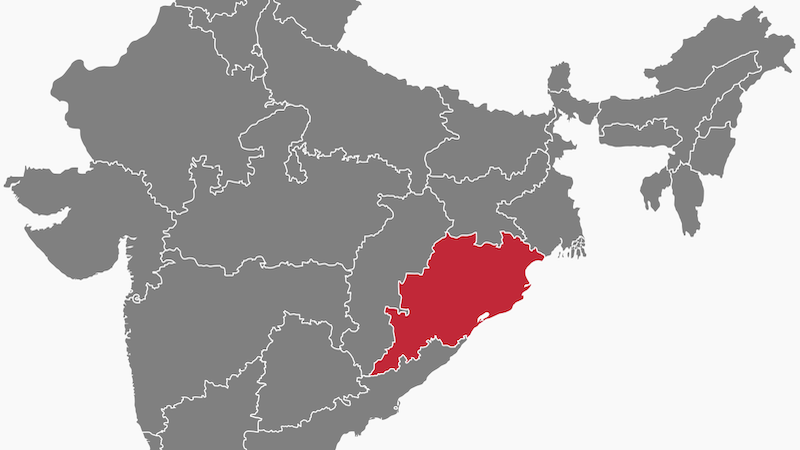
Location of Odisha in India. Credit: Wikipedia Commons

Over two decades ago, Professor Pralay Kanungo outlined the ways in which Hindutva politics and its organisational strategies adapt to the diverse cultural, social, religious, and political conditions in Odisha. His analysis demonstrated how Hindutva politics led by the Rashtriya Swayamsevak Sangh (RSS) and affiliated organisations could effectively navigate and integrate into the unique cultural landscape of Odisha, ensuring their ideology resonated with local sentiments. By meticulously examining these adaptive strategies, Professor Kanungo’s work provides critical insights into the historical roots to understand contemporary success of Hindutva politics in the state.;

In his seminal article, “Hindutva’s Entry into a ‘Hindu Province’: Early Years of RSS in Orissa,” Professor Kanungo provides a comprehensive analysis of the initial phases of Hindutva politics led by the Rashtriya Swayamsevak Sangh (RSS) in Odisha. This work serves as a crucial lens to understand the current electoral successes of Hindutva politics in the state. By examining the historical context and strategic manoeuvres detailed in Kanungo’s research, one gains valuable insights into the enduring appeal and resilience of Hindutva ideology in contemporary Odisha, based on majoritarian identity mobilisation.

The Hindutva politics led by the BJP raised issues of Odia pride and dignity (Odia Asmita) to outmanoeuvre and defeat the BJD in the recently concluded state and parliamentary elections. The BJP highlighted the Tamil origin of Mr. V.K. Pandian, the former personal secretary to Mr. Naveen Patnaik, who was newly inducted into the BJD to manage political affairs assigned to him by Mr. Patnaik. This strategy aimed to question Mr. Pandian’s commitment to Odia culture and identity, thereby appealing to regional sentiments and swaying voter opinion against the BJD.;

However, the BJP itself has several prominent leaders in Odisha who are not originally from the state. Despite their non-Odia origins, these leaders have frequently been elected to the parliament, often with the tacit or explicit support of the BJD. This situation reveals a complex political landscape where regional identity and political alliances intersect, demonstrating that the issue of local versus non-local leadership can be selectively emphasised based on strategic needs. The BJP’s tactic of questioning Mr. Pandian’s Tamil origin while having non-Odia leaders in its own ranks highlights the nuanced and sometimes contradictory nature of Hindutva political rhetoric and political strategy in the state. It also reveals the hypocrisy of Hindutva politics which claims to champion one nation, national unity and national pride. Despite all divisive Hindutva political attempts, Odisha continues to be a relatively inclusive and peaceful society that embraces all its inhabitants as citizens, irrespective of their backgrounds. The practice of Mahima Dharma to the celebration of Satya-Pir spiritual, religious, and cultural traditions continue to represent Odisha’s rich and pluriversal society and stands in opposition to Hindutva hegemony. The BJP in state power threatens the very foundation of Odia society.

Historically, Hindutva forces have regarded Odisha as a Hindu province and have leveraged the identity-seeking Odia Hindu upper caste-middle classes to advance their political agenda. By doing so, they have managed to exert significant influence over the lives of diverse working people and marginalised communities in the state. This approach has allowed them to mobilise support and consolidate power, often at the expense of addressing the unique needs and challenges faced by these diverse and underrepresented groups. The emphasis on a homogenised Odia Hindu identity has sometimes overshadowed the rich cultural, religious and social diversity within Odisha, impacting the socio-political dynamics and perpetuating existing hierarchies.;

The question of Odia identity (Odia Asmita) largely stems from the perspectives and interests of the Odia Hindu upper castes and middle classes, who wield significant influence over every apparatus of the state and its resources. This dominant group has historically shaped and defined what constitutes Odia identity, often to the exclusion or marginalisation of other socio-cultural groups within the state. Their control over political, economic, and cultural institutions has reinforced their privileged position, and continue to perpetuate inequalities and limiting the representation and participation of marginalised communities in decision-making processes. These dynamics underscores the complexities of identity politics in Odisha, where the narrative of Odia Asmita is not universally shared or experienced. It reflects broader issues of power dynamics and social hierarchies within the state, highlighting the ongoing challenges in achieving inclusive and equitable development that addresses the diverse needs and aspirations of all inhabitants of Odisha as citizens and shareholders of democratic politics.

The Hindutva forces have successfully established their first majority government in a so-called Hindu province, threatening the very foundation of Odia society. Hindutva politics relies on dominant identity politics for successful political mobilisation. The recently concluded election results indicate a diminishing marginal utility of identity-based politics across India. However, Odisha presents a fertile ground for the divisive dividends of Hindutva politics in the state, especially as it incorporates lower castes and tribal communities within its political fold for electoral gains.; Such electoral, political and cultural assimilation helps to weaken the emancipatory struggles of marginalised communities and their citizenship rights.

It is within this context; the BJP has chosen Mr. Mohan Charan Majhi as the new Chief Minister of Odisha. He comes from a marginalised tribal community that struggles every day with different forms of underdevelopment, marginalisation, and the ongoing havoc caused by mining in their lives. Mr. Majhi’s ascension to Chief Minister is a beacon of hope for his community and working people in the state.;

Will Mr. Majhi break away from the dominant caste-class-led Hindutva politics of development that serves only a few and marginalises the masses in the state? Will he adopt a different approach from Hindutva politics to ensure inclusive and egalitarian development, where lower castes, lower classes, tribal communities, and working people will be equal stakeholders in the state’s mineral and other resources? These questions are more crucial for the majority of working people in the state than Odia Asmita. Time will reveal the answers to these questions as the Hindutva government led by the BJP, under the leadership of Mr. Majhi, unfolds over time.;

Categories
South Caucasus News

Russia And Vietnam: Reaffirmed Ties In Turbulent Times – OpEd


Russia And Vietnam: Reaffirmed Ties In Turbulent Times – OpEd

President of Vietnam To Lam holds an official welcoming ceremony for Russia's President Vladimir Putin. Photo Credit: Kremlin.ru

Putin’s visit to Hanoi comes as a result of several invitations by the host, and not because he was obliged to visit this historical ally, since he happened to be in the neighborhood. Putin had confirmed that he would ‘soon’ make a trip to Vietnam, during his meeting with Vietnamese President Vo Van Thuong, during the Belt and Road Forum in Beijing on October 18, 2023.; His visit during June 19-20, 2024 puts to rest all voices which had predicted that Vietnam-Russia ties had marked an inflexion point during Hanoi’s International Defense Expo in 2022.;

This visit has witnessed several important agreements on education, science and technology, oil and gas exploration and health being signed. In fact, Vietnam and Russia have been cooperating extensively on oil and gas cooperation. It was less than a month ago, when, on May 23rd,; a Vietnamese delegation from the Petrovietnam Exploration Production Corporation (PVEP), led by Chairman of the PVEP Members Council Tran Quoc Viet, held a working session with their colleagues of Russia’s Zarubezhneft JSC in Russia to discuss potential cooperation areas. At the event, a memorandum of understanding was signed between VNIINeft of Russia and PVEP’s technical centre (PVEP – ITC) to concretise their cooperation opportunities.

The Ukraine war or Western sanctions have not obliterated Vietnam’s historical memory of a trusted partner. Hence, the question of this age-old ally being sacrificed due to Hanoi being reprimanded by the United States does not arise. Vietnam’s bamboo diplomacy has been respected for its astuteness, steadfastness and for being non-partisan. Vietnam’s leaders cannot erase from memory that it was aid from the Soviet Union that helped to rebuild this war-ravaged country. From 1978 till the mid-1980s, USD 1 billion was provided in the form of loans, trade credits, project assistance as well as price subsides annually by the Soviet Union to Vietnam.;

Vietnam has also benefitted through defense supplies from Russia.While Vietnam’s reliance on Russian defence equipment has declined from almost 100 % at the beginning of this century to about 70 % in 2023, there is no denial that there is any dent in their bilateral relations. In 2012, the two nations formed their all-encompassing strategic alliance. During his tenure in office, Putin has travelled to Vietnam four times, the most recent being for the 2017 APEC Summit in Danang. Additionally, he went to the 2020 East Asia Summit, which was organized by Vietnam and took place via videolink. The two nations are also celebrating the 30th anniversary of the Treaty on Principles of Friendly Relations between Việt Nam and Russia this year and on the threshold of the 75th anniversary of the bilateral diplomatic ties in 2025.

Vietnam has demonstrated its policy of steadfast loyalty to Russia. It voted against removing Russia from the U.N. Human Rights Council, publicly urged for moderation from all parties involved, and abstained from the UN resolution denouncing Russia’s war against Ukraine. Yet, showing its compassion for the humanitarian cause of innocent civilians adversely affected by the war, Vietnam gave $500,000 to “those affected by the conflict in Ukraine” as humanitarian assistance. Although not a large sum, the gift showed Vietnam’s support for the Ukrainian people; the token amount also sought to allay Washington’s concerns about Hanoi’s precarious position in relation to the conflict in Ukraine.

When Vietnam refused to use Chinese vaccinations during the Covid-19 crisis, it was Russia that became the primary supplier of the vaccines for the Vietnamese. Moreover, as stated earlier, Moscow has also been Hanoi’s primary source of modern weaponry, enabling it to promptly reinforce its defenses following naval clashes in the South China Sea. Over the past 20 years, Vietnam has purchased fighter aircraft and modern submarines from Russia, for a total of more than $10 billion USD.

Putin’s “red carpet” treatment also serves to underscore the limits of the historic improvement in U.S.-Vietnam relations that took place during Biden’s visit to Hanoi in September. Despite the fact that the US is also a significant ally of the Vietnamese government, (becoming the top destination for exports from Vietnam with a share of 29% (109 billion US$) in 2023), it is clear that the latter will not be drawn into the politics of big-power rivalry. Russia, Vietnam’s time- tested and trusted partner will continue to be accorded its deserved primacy. 


Categories
South Caucasus News

Nigeria: TotalEnergies Launches Ubeta Gas Development To Supply Nigeria LNG Liquefaction Plant


Nigeria: TotalEnergies Launches Ubeta Gas Development To Supply Nigeria LNG Liquefaction Plant

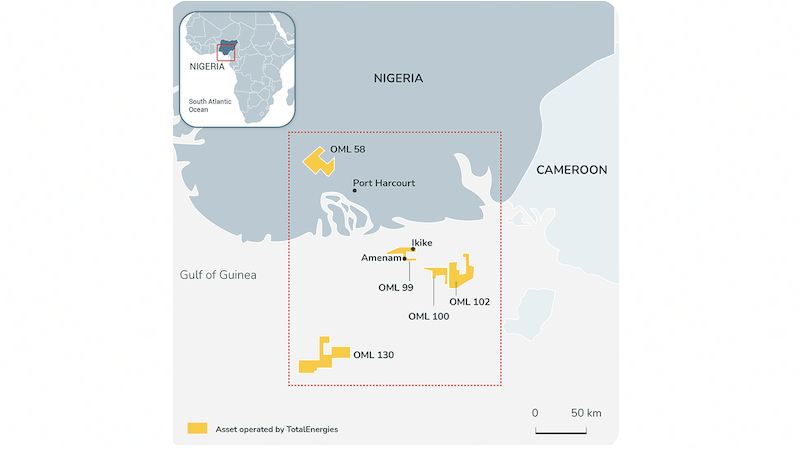
Location of the Ikike field, in Nigeria. Credit: TotalEnergies

TotalEnergies, operator of OML 58 onshore license in Nigeria with a 40% interest, together with the Nigerian National Petroleum Corporation Ltd (NNPCL, 60%), have taken the Final Investment Decision (FID) for the development of the Ubeta gas field, the company said Thursday.

Located about 80 km northwest of Port Harcourt in Rivers state, the OML 58 license contains two fields currently in production, the Obagi oil field and the Ibewa gas and condensate field. OML58 gas production is processed in the Obite treatment center and supplied to both the Nigerian domestic gas market and to Nigeria LNG (NLNG) plant.

Also located in OML58, the Ubeta gas condensate field will be developed with a new 6-well cluster connected to the existing Obite facilities through a 11 km buried pipeline. Production start-up is expected in 2027, with a plateau of 300 million cubic feet per day (about 70,000 barrels of oil equivalent per day including condensates). Gas from Ubeta will be supplied to NLNG, a liquefaction plant located in Bonny Island with an on-going capacity expansion from 22 to 30 Mtpa, in which TotalEnergies holds a 15% interest.

Ubeta is a low-emission and low-cost development, leveraging on OML58 existing gas processing facilities. The carbon intensity of the project will be further reduced through a 5 MW solar plant currently under construction at the Obite site and the electrification of the drilling rig. TotalEnergies is working closely with NNPCL to enhance local content, with more than 90% of manhours which will be worked locally.

“Ubeta is the latest in a series of projects developed by TotalEnergies in Nigeria, most recently Ikike and Akpo West. I am pleased that we can launch this new gas project which has been made possible by the Government’s recent incentives for non-associated gas developments. Ubeta fits perfectly with our strategy of developing low-cost and low-emission projects, and will contribute to the Nigerian economy through higher NLNG exports”, said Mike Sangster, Senior Vice President Africa, Exploration & Production at TotalEnergies.


Categories
South Caucasus News

Beyond The Temple – OpEd


Beyond The Temple – OpEd

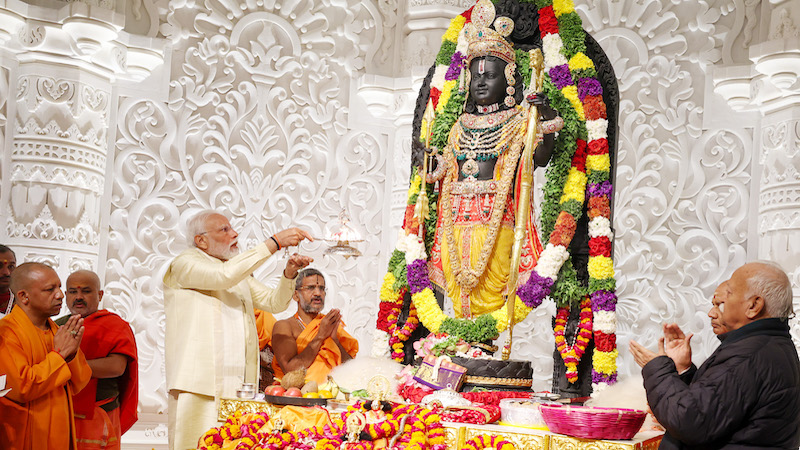
India's PM Narendra Modi at the Pran Pratishtha ceremony of Shree Ram Janmaboomi Temple in Ayodhya, Uttar Pradesh on January 22, 2024. Photo Credit: India PM Office

The Bharatiya Janata Party’s (BJP) recent loss of the Faizabad seat in Uttar Pradesh has reignited discussions about the state of Indian secularism. Faizabad, home to the Ram Mandir where Prime Minister Narendra Modi performed elaborate religious rituals earlier this year, has become a symbol in these debates. Many intellectuals and commentators are now proclaiming this electoral result as a testament to the enduring strength of Indian secularism. But this situation raises several questions about the newfound emphasis on secularism following the BJP’s defeat in Faizabad.

Would Indian elites and intellectuals still be celebrating the resilience of Indian secularism if the BJP had not lost the Faizabad seat? Faizabad’s population, less than a million, represents a minuscule fraction of India’s total population. If the BJP had secured this seat but performed poorly elsewhere, especially in Uttar Pradesh, would there still be speculation about the secular nature of Indians? Faizabad’s identity is closely tied to the grand Ram temple, which stands where the Babri Masjid was demolished on December 6, 1992. This demolition sparked nationwide riots targeting Muslims, challenging the fabric of Indian secularism. Despite these challenges, India remains home to the world’s second-largest Muslim population, indicating that secularism, though tested, remains intact.

The persistence of secularism among Indians is evident despite various communal incidents over the centuries. The general populace, including the illiterate at the grassroots level, often views the communal language and religious posturing of powerful politicians as politically motivated rather than genuinely religious. Politicians’ excessive emphasis on religious exercises, especially during election periods, is primarily perceived as a strategy to garner electoral support.

In the case of Faizabad, the BJP, led by Modi, placed significant emphasis on the Ram temple, hoping to leverage this religious symbol to sweep the national elections. However, this strategy did not yield the desired results. The BJP failed not only in Faizabad and Uttar Pradesh, a crucial state but also across the country, where it did not secure enough seats to form a government independently. The BJP’s failure in Faizabad has been interpreted by many as an affirmation of the strength of Indian secularism. However, it is important to note that in both the 2014 and 2019 parliamentary elections, the BJP won less than 40 percent of the seats, suggesting that it would be erroneous to judge Indian secularism solely based on the party’s electoral performance.

Faizabad’s electoral result indicates that voters’ secularism cannot be judged merely by the number of seats won by a party often viewed as communal. India’s multi-party system means that electoral outcomes are heavily influenced by the unity and effectiveness of opposition parties in their seat-sharing arrangements and campaign strategies. Ahead of the polls, it was assumed that Modi’s public display of religious devotion at the Ram temple would help the BJP secure a significant victory. The election results, however, indicated otherwise. The assumption that Indian voters would prioritize religious symbolism over other issues proved to be incorrect.

Reflecting on incidents like the Babri Masjid demolition, the Gujarat carnage, and other communal disturbances, it is evident that these events did not engage a majority of the country’s population in violence. Despite media portrayals suggesting otherwise, it is inaccurate to claim that these events involved or represented the sentiments of the entire nation. The BJP does not represent the entire Hindu community in India. Many of its key rival parties are led by Hindus, and a significant portion of critics who assert their own secularism and oppose communalism are also Hindus. These voices have played a crucial role in keeping secularism alive in India. Secularism in India is also upheld by those who fear the socio-economic consequences of communal violence. When communal violence erupts, it disrupts the lives and businesses of people from all communities. The negative economic impact of such violence, including loss of customers and disruptions to daily life, has contributed to a decline in large-scale communal riots. This does not mean that communal perceptions have changed dramatically, but the practical need for cooperation has kept communalism in check.

There is a distinction between voicing communal views and casting votes based on socio-economic considerations. The electoral defeat of the BJP in Faizabad, despite the party’s religious posturing, reflects the voters’ pragmatic approach. If the Congress and Samajwadi Party, along with their India-bloc allies, had not campaigned aggressively against the BJP, the result might have been different. Their campaign highlighted the socio-economic grievances of Faizabad’s residents, suggesting that supporting the BJP would exacerbate their problems.

The events of 1992 and 2002 were pivotal moments that highlighted the destructive potential of communal violence. The Gujarat carnage, confined to the state despite extensive media coverage, likely played a role in the BJP’s loss in the subsequent national elections. The electorate was not pleased with what they witnessed. The BJP returned to power after two terms of Congress-led government, indicating a cautious electorate wary of communal violence. The Covid-19 lockdown in March 2020 was another defining moment that made Indians acutely aware of the socio-economic impact of widespread disruptions. The lockdown’s harshness and extensive nature highlighted the broader consequences of national crises, including communal violence. This awareness has reinforced the preference for secularism over communalism among the majority of Indians.

In conclusion, while Faizabad’s electoral result has sparked discussions on Indian secularism, it is just one example of a broader trend. Indian secularism remains resilient despite political and communal challenges. The electorate’s pragmatic approach, prioritizing socio-economic stability over communal rhetoric, underscores the enduring strength of secularism in India. Faizabad’s result is a reminder that Indian secularism cannot be easily defeated, and the commitment to a secular, inclusive society remains strong.


Categories
South Caucasus News

Armenia News – NEWS.am


Armenia News  NEWS.am

Categories
South Caucasus News

NPR News: 06-20-2024 12PM EDT


NPR News: 06-20-2024 12PM EDT

Learn more about sponsor message choices: podcastchoices.com/adchoices

NPR Privacy Policy


Categories
South Caucasus News

Azərbaycan ilə Serbiya arasında strateji tərəfdaşlıq əlaqələri müzakirə olunub


Azərbaycan ilə Serbiya arasında strateji tərəfdaşlıq əlaqələri müzakirə olunub

Müdafiə nazirinin birinci müavini – Azərbaycan Ordusunun Baş Qərargah rəisi general-polkovnik Kərim Vəliyevin Serbiya Silahlı Qüvvələrinin Baş Qərargah rəisi general-polkovnik Milan Moysiloviçin dəvəti ilə bu ölkəyə rəsmi səfəri davam edir.
Səfər çərçivəsində general-polkovnik Kərim Vəliyev Serbiyanın mədəniyyət naziri, Azərbaycan və Serbiya arasında ticarət və iqtisadi əməkdaşlıq üzrə Hökumətlərarası Komissiyanın həmsədri Nikola Selakoviçlə görüşüb.
Görüş zamanı iki ölkə arasında mövcud olan strateji tərəfdaşlıq əlaqələrindən, dinamik inkişaf edən ikitərəfli münasibətlərdən bəhs edilib, səfər proqramının yekunu və gələcək fəaliyyət istiqamətləri ətrafında fikir mübadiləsi aparılıb.
Görüşdə Azərbaycanın Serbiyadakı səfiri Kamil Xasiyev də iştirak edib.
Azərbaycan Ordusunun Baş Qərargah rəisinin Serbiyaya səfəri davam edir.


Azərbaycan ilə Serbiya arasında strateji tərəfdaşlıq əlaqələri müzakirə olunub


Categories
South Caucasus News

Abkhazian tour guides don’t want to allow Russian colleagues on their territory – JAMnews


Abkhazian tour guides don’t want to allow Russian colleagues on their territory  JAMnews

Categories
South Caucasus News

@SpiesVespers: RT @SpiesVespers: OTD June 20, 1949 President Harry S. Truman signed the Central Intelligence Agency Act of 1949, which allowed CIA to use…


OTD June 20, 1949 President Harry S. Truman signed the Central Intelligence Agency Act of 1949, which allowed CIA to use confidential fiscal & administrative procedures. “A President has to know what is going on all around in order to be ready to act when action is needed.”

— SPIES&VESPERS (@SpiesVespers) June 20, 2024


Categories
South Caucasus News

@MickWSmith: RT @MickWSmith: Russia targets Americans traveling to Paris Olympics with fake CIA video


Russia targets Americans traveling to Paris Olympics with fake CIA video – CBS News https://t.co/hcTjes6iOr

— Michael Smith (@MickWSmith) June 20, 2024