Month: May 2024
Nine local civil society organizations issued a legal assessment of the April 30-May 1 crackdown on protesters against the foreign agents law, stating that the Ministry of Interior’s dispersal was “unlawful” and “disproportionate,” stressing that the “physical force used [against the protesters] was tantamount to torture.” The assessment also notes that the practice of administrative detentions “has become an instrument of increasing restriction of the right of assembly.”
Dispersal decision was illegal
The watchdogs stress that the decision to disperse the protesters was illegal for two reasons: 1) there were no grounds to disperse the protesters under the pretext of blocking the entrances to Parliament, and 2) Even if such a basis existed, there was no legal basis for dispersal of the entire rally.
The CSOs refer to the case of Makarashvili and Others v. Georgia, in which the European Court of Human Rights ruled that the right to block the entrance to the Parliament is guaranteed if the participants in the assembly have not committed any act of violence and do not intend to do so. The CSOs note that the participants in last night’s protest had peaceful objectives and that the session in the Parliament had already ended, so the protesters could not disrupt the work process. They add that in no way should the dispersal of a small group have become a precondition for the dispersal of the entire demonstration, because “the controversial circumstances surrounding the small group do not automatically make a peaceful demonstration unpeaceful.”
Special means were used without prior notice
The CSOs stress that the rules of using of the active means of dispersing the demonstration, including the tear gas, rubber bullets, pepper spray and water cannons were violated.
The CSOs note that before any special measures are taken, the protesters must be notified and given a reasonable amount of time (not less than 30 minutes) to comply with the request. Referring to the video footages released to the public, they emphasize that in some cases water cannons and tear gas were used without prior notice and that the special forces officer denied that rubber bullets were used. The CSOs also say that the police fired the tear gas capsules in a targeted manner. They also say that pepper spray was sprayed in the faces of the peaceful protesters in a targeted manner, without a warning, and at close range. The riot police also used water cannons, rubber bullets and tear gas simultaneously. In addition, the CSOs stress that the protesters behind the Parliament building did not have enough space to leave the area while pepper spray was being used against them and they were subjected to physical violence. The CSOs also note that the number of ambulances was insufficient to meet the needs of the large number of protesters on the ground.
Law enforcement physically and verbally assaulted protesters
The CSOs note that there have been a number of cases of mistreatment of protesters, including physical and verbal retaliation. Special forces beat many people, including youth, women, journalists, and opposition politicians. The CSOs cite incidents such as cursing, hitting, punching in the face, grabbing and violently beating citizens, and dragging a lying citizen. Victims of such treatment included women and children, as well as opposition MPs Aleko Elisashvili and Levan Khabeishvili, and journalists. There was also a case of police chasing citizens into the metro.
Administrative detentions were illegal
The CSOs stress that the police forces continues the practice of illegal administrative detentions. They say the citizens were periodically detained without any basis and during the detentions, they were physically assaulted before and after entering the police cordon. The CSOs emphisize the case of the MP Levan Khabeishvili, who was severely beaten by the police.
According to CSOs, they have received the information about more than 50 detainees. They have already seen more than 15 of them. They say that majority of them were beaten, which “indicates the excessive use of force by the police”.
The CSOs call on:
- Georgian Dream to withdraw the Russian law;
- Special Investigation Service to provide immediate response, ensure effective investigation of the use of disproportionate force by law enforcement agencies against citizens, including journalists, and inform society about the investigation process;
- Ministry of Internal Affairs to refuse defamatory practice of violating human rights protection;
- Special Forces to disobey unlawful orders and not to use force against peaceful protesters.
This statement has been signed by the following organizations:
Georgian Young Lawyers’ Association (GYLA); Transparency International – Georgia (TI); Social Justice Center (SJC); Georgian Democracy Initiative (GDI); Rights Georgia (RG); International Society for Fair Elections and Democracy (ISFED); Human Rights Center (HRC); Partnership for Human Rights (PHR); and Civil Society Foundation (CSF).
Also Read:
- 01/05/2024 – Media Watchdog Calls on Swift Investigation of Attacks against Journalists
- 01/05/2024 – International Outcry over Police Crackdown on Protest against Foreign Agents Bill
- 01/05/2024 – MIA: 63 People Arrested During Rally Against Agents Law
- 01/05/2024 – Georgian Watchdogs Statements: Police Resort to Disproportionate Force against Peaceful Protesters
Nine local civil society organizations issued a legal assessment of the April 30-May 1 crackdown on protesters against the foreign agents law, stating that the Ministry of Interior’s dispersal was “unlawful” and “disproportionate,” stressing that the “physical force used [against the protesters] was tantamount to torture.” The assessment also notes that the practice of administrative detentions “has become an instrument of increasing restriction of the right of assembly.”
Dispersal decision was illegal
The watchdogs stress that the decision to disperse the protesters was illegal for two reasons: 1) there were no grounds to disperse the protesters under the pretext of blocking the entrances to Parliament, and 2) Even if such a basis existed, there was no legal basis for dispersal of the entire rally.
The CSOs refer to the case of Makarashvili and Others v. Georgia, in which the European Court of Human Rights ruled that the right to block the entrance to the Parliament is guaranteed if the participants in the assembly have not committed any act of violence and do not intend to do so. The CSOs note that the participants in last night’s protest had peaceful objectives and that the session in the Parliament had already ended, so the protesters could not disrupt the work process. They add that in no way should the dispersal of a small group have become a precondition for the dispersal of the entire demonstration, because “the controversial circumstances surrounding the small group do not automatically make a peaceful demonstration unpeaceful.”
Special means were used without prior notice
The CSOs stress that the rules of using of the active means of dispersing the demonstration, including the tear gas, rubber bullets, pepper spray and water cannons were violated.
The CSOs note that before any special measures are taken, the protesters must be notified and given a reasonable amount of time (not less than 30 minutes) to comply with the request. Referring to the video footages released to the public, they emphasize that in some cases water cannons and tear gas were used without prior notice and that the special forces officer denied that rubber bullets were used. The CSOs also say that the police fired the tear gas capsules in a targeted manner. They also say that pepper spray was sprayed in the faces of the peaceful protesters in a targeted manner, without a warning, and at close range. The riot police also used water cannons, rubber bullets and tear gas simultaneously. In addition, the CSOs stress that the protesters behind the Parliament building did not have enough space to leave the area while pepper spray was being used against them and they were subjected to physical violence. The CSOs also note that the number of ambulances was insufficient to meet the needs of the large number of protesters on the ground.
Law enforcement physically and verbally assaulted protesters
The CSOs note that there have been a number of cases of mistreatment of protesters, including physical and verbal retaliation. Special forces beat many people, including youth, women, journalists, and opposition politicians. The CSOs cite incidents such as cursing, hitting, punching in the face, grabbing and violently beating citizens, and dragging a lying citizen. Victims of such treatment included women and children, as well as opposition MPs Aleko Elisashvili and Levan Khabeishvili, and journalists. There was also a case of police chasing citizens into the metro.
Administrative detentions were illegal
The CSOs stress that the police forces continues the practice of illegal administrative detentions. They say the citizens were periodically detained without any basis and during the detentions, they were physically assaulted before and after entering the police cordon. The CSOs emphisize the case of the MP Levan Khabeishvili, who was severely beaten by the police.
According to CSOs, they have received the information about more than 50 detainees. They have already seen more than 15 of them. They say that majority of them were beaten, which “indicates the excessive use of force by the police”.
The CSOs call on:
- Georgian Dream to withdraw the Russian law;
- Special Investigation Service to provide immediate response, ensure effective investigation of the use of disproportionate force by law enforcement agencies against citizens, including journalists, and inform society about the investigation process;
- Ministry of Internal Affairs to refuse defamatory practice of violating human rights protection;
- Special Forces to disobey unlawful orders and not to use force against peaceful protesters.
This statement has been signed by the following organizations:
Georgian Young Lawyers’ Association (GYLA); Transparency International – Georgia (TI); Social Justice Center (SJC); Georgian Democracy Initiative (GDI); Rights Georgia (RG); International Society for Fair Elections and Democracy (ISFED); Human Rights Center (HRC); Partnership for Human Rights (PHR); and Civil Society Foundation (CSF).
Also Read:
- 01/05/2024 – Media Watchdog Calls on Swift Investigation of Attacks against Journalists
- 01/05/2024 – International Outcry over Police Crackdown on Protest against Foreign Agents Bill
- 01/05/2024 – MIA: 63 People Arrested During Rally Against Agents Law
- 01/05/2024 – Georgian Watchdogs Statements: Police Resort to Disproportionate Force against Peaceful Protesters
Categories
NPR News: 05-01-2024 11AM EDT
NPR News: 05-01-2024 11AM EDT
Learn more about sponsor message choices: podcastchoices.com/adchoices
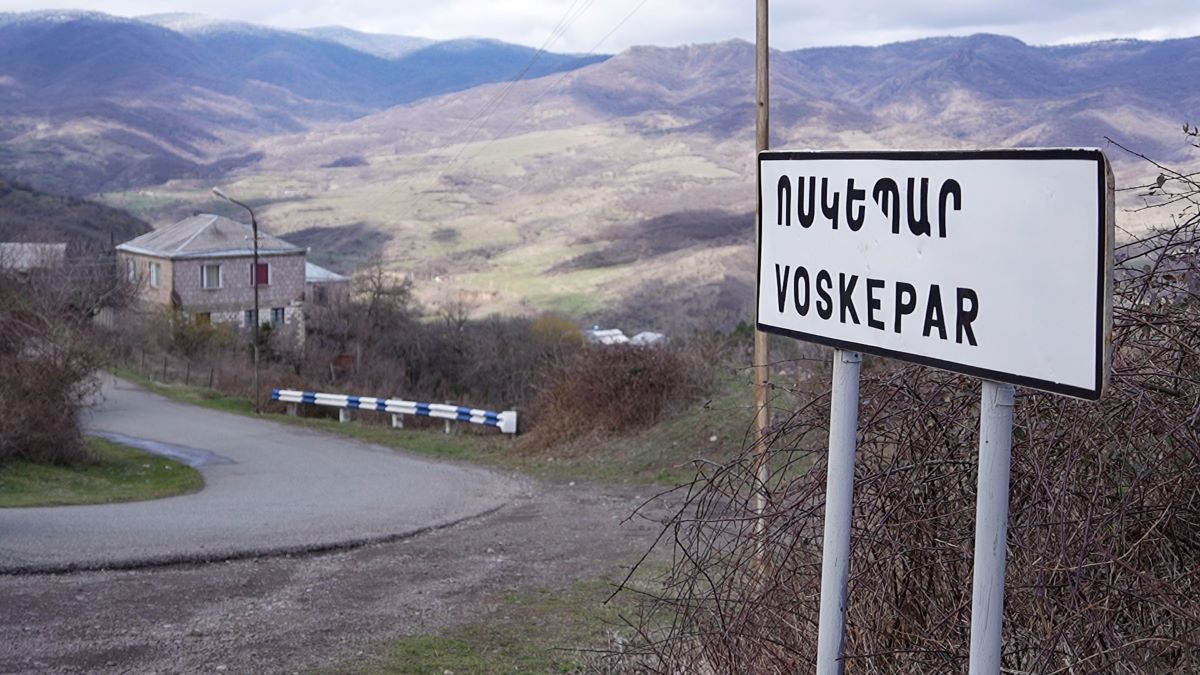
Kirakosyan on Armenia-Azerbaijan negotiations
“I don’t see a peace process. I don’t see any peace or any significant process. These are toxic negotiations, where Azerbaijan has taken a maximalist position and demands endless concessions,” said political analyst Richard Kirakosyan.
In his opinion, Yerevan has the wrong approach to the situation. It complies with and reacts to every demand from Baku. Meanwhile, the analyst believes that the stage of unilateral concessions from Armenia should come to an end, and it’s time for Azerbaijan to “offer something in return for its demands.”
In an interview with Radio Azatutyun (Liberty), he expressed his opinion on the proposal to hold Armenian-Azerbaijani negotiations in Kazakhstan, the assistance offered to Armenia by the US and the EU, as well as the likelihood of a new war.
- “The border demarcation process with Azerbaijan is an adventure.” Opinion from Yerevan
- “Armenia did not decide to align itself with the West just today,” – Pashinyan to British media
- ‘Moscow knows the fire will be lit not in Yerevan, but in Baku’ – Armenian analysts
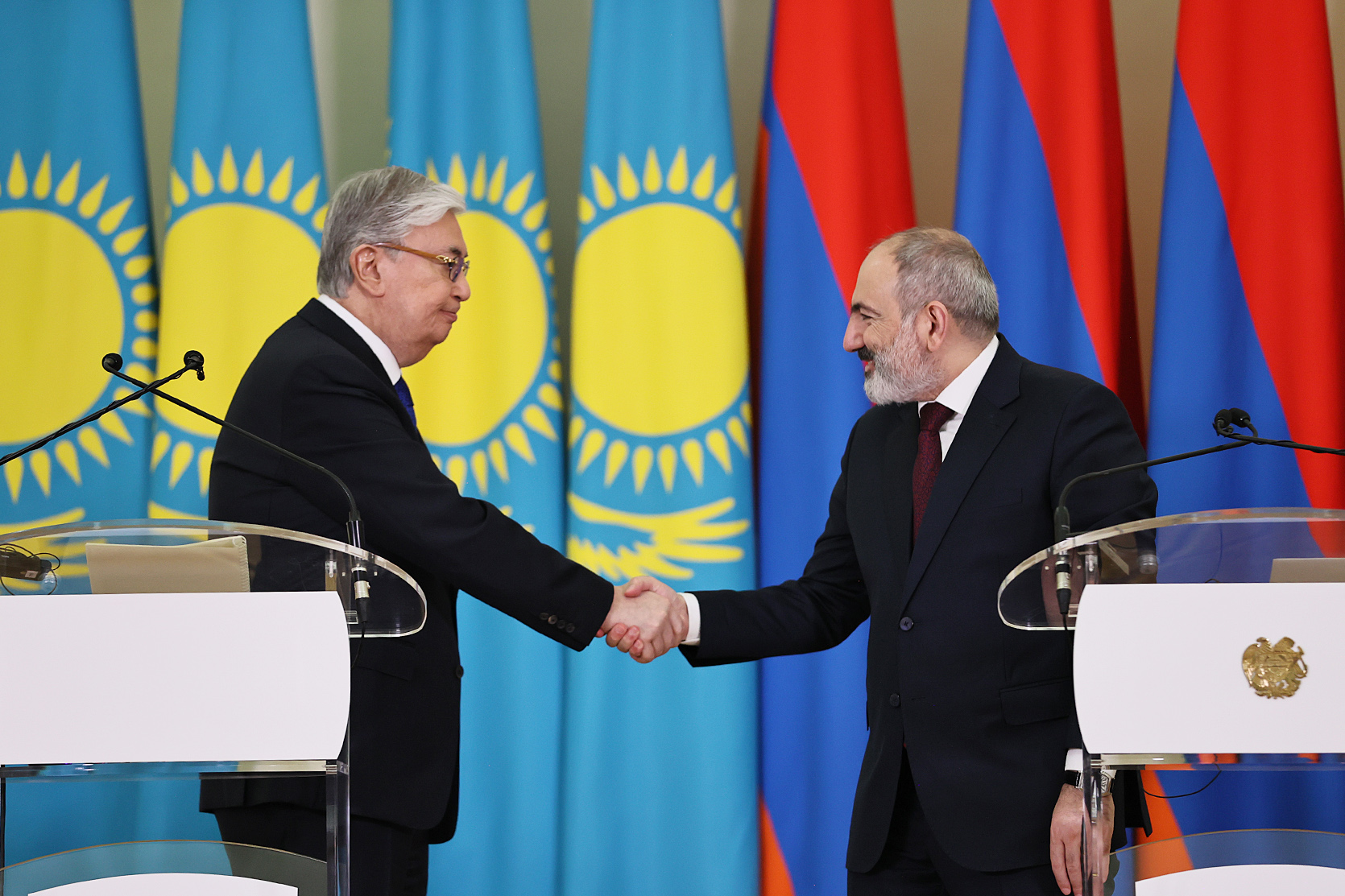
Kazakhstan – an unreliable partner
“Agreeing to negotiations in Kazakhstan, in Central Asia, would be a mistake for Armenia. Because Turkey is a covert supporter, a behind-the-scenes partner, who backs Azerbaijan with the aim of uniting it with Central Asia as part of its pan-Turkist plans.
Kazakhstan is neither a sincere nor a reliable partner to provide a meeting place. Moreover, based on historical and geopolitical considerations, the most effective way to advance negotiations is to continue them in the region.
In fact, the most suitable place for signing a peace agreement is Tbilisi, the capital of Georgia. Involve Georgia [addressing the Armenian authorities] as a balancing party and to restore the region’s identity.
Azerbaijan does not want a third party to intervene in the conflict, to maximize pressure on Armenia.
Armenia is clearly seeking support from the EU, the West. Although real progress has been achieved only through negotiations between the official representatives of Armenia and Azerbaijan at the border of the two countries, I believe it is necessary to involve the West more often and to a greater extent. This will contribute to establishing a balance of power. As a weaker side, we have no leverage, so we need to create a balance.”
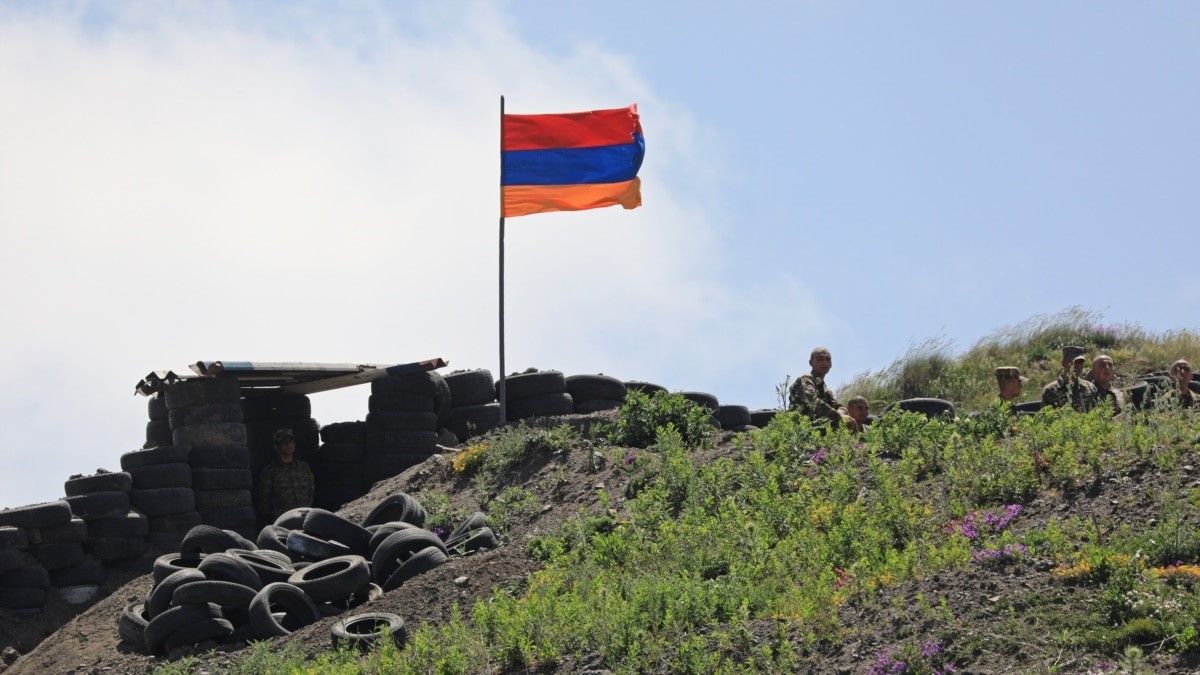
Baku needs an ‘enemy’ to address its internal issues
“Azerbaijan puts forward demands, many of which are not only hypocritical and unrealistic but also unserious. For example, narratives regarding the return of Azerbaijanis to their ‘historical homeland,’ ‘Western Azerbaijan‘ [referring to the entire territory of Armenia]. In other words, this involves territorial encroachment on Armenia itself. Most of these narratives are directed at the domestic audience in Azerbaijan.
From the perspective of domestic politics, Azerbaijan needs a conflict. Baku needs an enemy to maintain its corrupt authoritarian rule.
Armenia must do a very good job not to feel obligated to respond to every [such] demand and should seek certain agreements.”
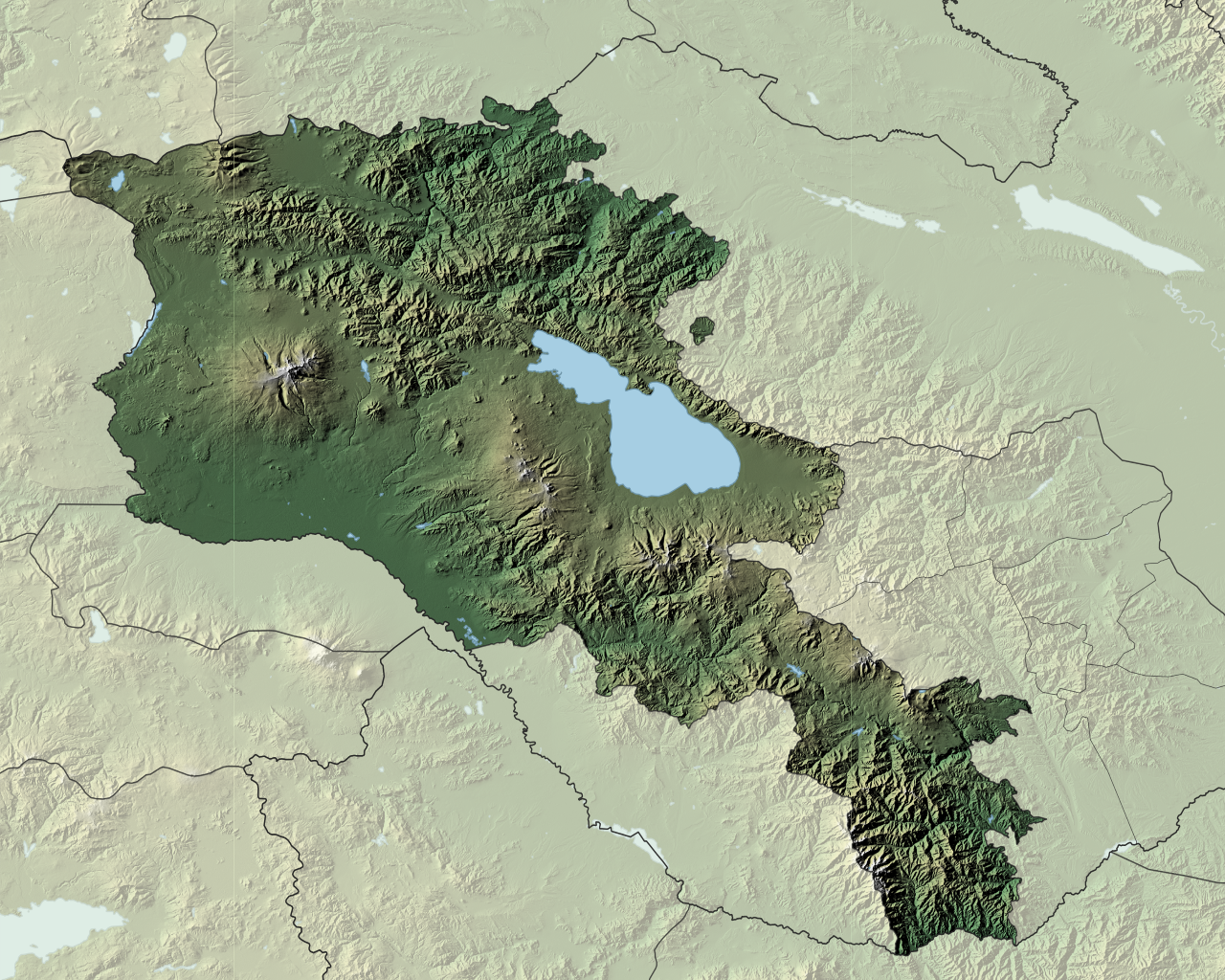
Economic interaction as a mechanism to restrain conflict
“The Indian defense systems acquired by Armenia largely reflect what the country wants, what it needs. French military technology is only what France wants to transfer to Armenia. These are different things. However, the goal in both cases is to focus on common defensive, rather than offensive, capabilities. This is very important for strengthening Armenia’s defense.
But from a strategic point of view, for real deterrence at a higher level, economic interaction, interdependence is much more effective for changing calculations and setting a higher price for Azerbaijan in case of resumption of hostilities.
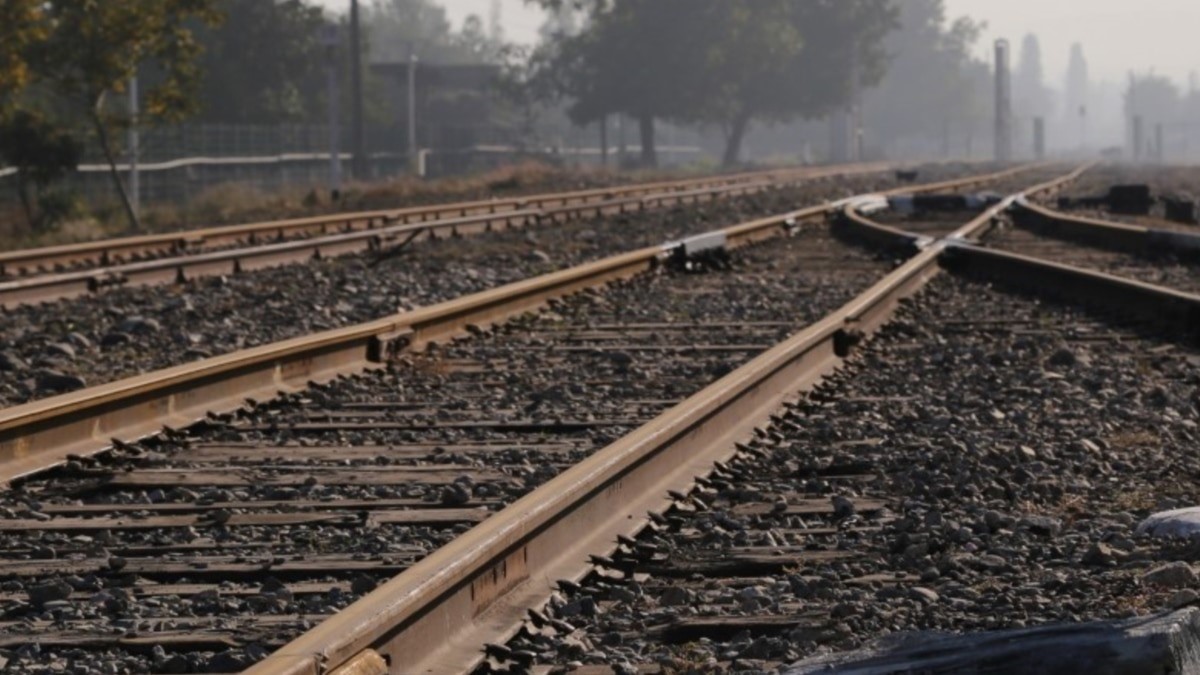
In other words, road and rail communication, the restoration of trade and transport will lead to economic interdependence, similar to the interdependence between France and Germany after World War II.
I also consider it reasonable and expedient to reform the defense sphere, gradually transitioning from a conscription-based army to a professional army.”
The U.S. retreat is a positive step
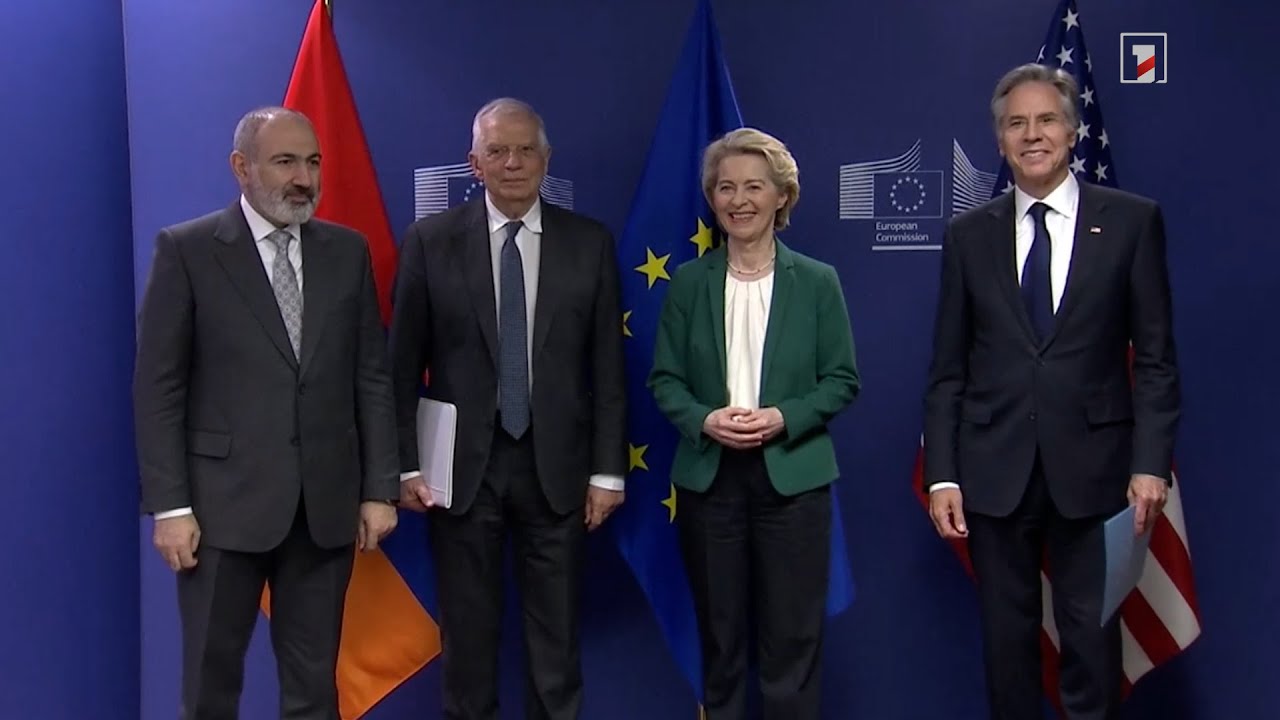
“Armenian-American relations and U.S. assistance are much more effective when they support Armenia rather than acting as mediators or facilitating negotiations with Azerbaijan.
For the simple reason that U.S. intervention triggers a more negative reaction from Russia than EU intervention. It turns out that Europe’s involvement is more effective and less provocative.
The U.S. retreat is positive because their focus is on consolidating the day after the peace agreement is signed. That’s when we will need their support the most, to prevent Baku from resuming the threat of using force.
There is a real danger of the re-election of former president Trump, which would greatly affect Armenia due to potential changes in U.S. relations with Turkey, Russia, and Iran. At the same time, U.S. support for Armenia has never been disputed, regardless of who was leading the White House. Support for Armenia from the United States is promoted and directed by Congress.”
There won’t be a war, but there will be local military escalations
“I don’t expect real risks of war resumption, large-scale military actions. I think it’s more likely that we will face small, local military campaigns from the Azerbaijani side in specific directions. They will aim to pressure Armenia, seize the moment, and support military advantage on the ground. But they won’t escalate into a full-blown war.
Another reason why war is unlikely is that the Azerbaijani army is not the same as it was in 2020. It’s weaker now. Turkish military presence is also significantly reduced.
Armenian armed forces are also not the same as they were in 2020. And this time Armenia won’t make the mistake in military terms, thinking it will receive support from Russia. It’s adapting to the new painful reality.
Another possible scenario is a significant escalation of tension between Azerbaijan and Iran. This is largely related to Netanyahu’s return and conditioned by Israel’s relations with Azerbaijan. In fact, we should be prepared for potential escalation between Iran and Azerbaijan.”