
Saudi Aramco oil company has announced a secondary placement of shares, which will begin on June 2, Azernews reports.
Day: May 31, 2024
The roadmap towards achieving resilient prosperity for small island States adopted on Thursday in Antigua and Barbuda “marks the beginning of a new journey” and a decade of delivery for their citizens and the world, said the UN Deputy Secretary-General on Thursday, according to UN, Azernews reports.
Categories
Armenia News – news.am
On May 31, Mediachecker reported that according to data from the Communications Commission, pro-government media channel TV Imedi had the largest share of commercial TV advertising revenues in the first quarter of 2024. Of the remaining TV and radio stations, only Mtavari TV saw a slight increase in revenues compared to the same period last year, PosTV’s revenues remained the same, and all other stations received less revenue.
In particular, TV Imedi‘s revenues increased by GEL 0.7 million compared to the same period last year to GEL 5.3 million. The critical media outlet Mtavari TV increased its revenues by GEL 0.1 million to GEL 1.4 million. Meanwhile, the revenues of another pro-government TV channel, PosTV, remained the same at GEL 1.5 million.
All other TV channels received lower revenues this quarter compared to last year. Rustavi 2 received GEL 1.8 million, GEL 0.3 million less than in the corresponding period last year; TV Pirveli received GEL 0.3 million less; Formula TV received GEL 0.7 million, GEL 0.1 million less than last year; Public Broadcaster received only GEL 0.1 million, GEL 0.4 million less. As for the radio stations, their commercial revenues increased by 6% and reached GEL 1.6 million in this quarter.
According to ComCom, all TV and radio stations together received GEL 15.6 million, an increase of 0.5% over the same period last year. Of this amount, TV channels received GEL 14 million, of which 64.9% came from direct advertising and 18.4% from product placement.
Also Read:
The Korean Peninsula has long been a focal point of geopolitical tension and conflict, influenced by the activities and interests of four major powers: the United States, China, Russia, and Japan. Despite numerous efforts, a sustainable and peaceful resolution remains elusive, leading to a perpetuation of the status quo. This essay examines the reasons behind the persistent incidents on the Korean Peninsula, the roles and motivations of the major powers involved, and proposes a pathway toward a lasting solution through diplomatic engagement and renewed policies.
The United States has maintained a significant military presence in South Korea since the Korean War, to deter North Korean aggression and ensure regional stability. However, the frequent military exercises conducted with South Korean forces have often escalated tensions with North Korea. These exercises are perceived by Pyongyang as provocative and threatening, leading to aggressive responses, including missile tests and military demonstrations. The U.S.’s approach has been criticized for exacerbating the situation rather than fostering conditions conducive to dialogue and de-escalation.
China, North Korea’s primary ally and economic lifeline, has historically played a crucial role in the dynamics of the Korean Peninsula. Despite its potential leverage over Pyongyang, China has been reluctant to exert significant pressure on North Korea to change its behavior. Beijing prioritizes regional stability and fears the collapse of the North Korean regime, which could lead to a refugee crisis and a unified Korea aligned with the U.S. Thus, China’s strategy has often been to maintain the status quo, offering limited support for international sanctions and avoiding actions that might destabilize its neighbor.
Russia’s influence in North Korea has grown in recent years, with Moscow seeking to expand its geopolitical footprint in East Asia. Russia provides economic assistance and political support to Pyongyang, viewing it as a counterbalance to U.S. and NATO influence in the region. This alignment with North Korea poses risks, as it emboldens the regime’s defiance of international norms and complicates efforts to achieve denuclearization and peace. Russia’s involvement, therefore, contributes to the persistence of tensions and the difficulty in finding a comprehensive solution.
Japan, while not one of the four major powers directly influencing the Korean Peninsula, has a significant stake in regional stability. Tokyo has consistently supported strong measures against North Korea’s nuclear and missile programs, advocating for increased pressure and sanctions. However, Japan’s security policies, including military upgrades and closer alignment with the U.S., have sometimes heightened regional anxieties. Japan’s role is pivotal in shaping the broader strategic landscape but also reflects the complexities and competing interests that hinder progress toward peace.
The current South Korean administration has adopted a hardline approach toward North Korea, emphasizing military preparedness and a firm stance against provocations. This policy contrasts sharply with the more conciliatory approaches of former presidents Kim Dae-Jung and Moon Jae-in, who pursued engagement and dialogue with Pyongyang. The hardline stance, while aimed at deterrence, risks further entrenching hostilities and diminishing opportunities for meaningful negotiations.
The Sunshine Policy of Kim Dae-jung and the diplomatic efforts of Moon Jae-in offer valuable lessons for the current situation. Both administrations sought to reduce tensions through economic cooperation, humanitarian aid, and sustained dialogue. These approaches, while not without challenges, succeeded in fostering periods of relative calm and engagement. The key takeaway is that a balanced approach, combining pressure with incentives for cooperation, holds the potential to break the cycle of hostility.
The resolution of the Korean Peninsula’s issues requires a shift from confrontation to collaboration. This necessitates the involvement of a bridge builder, a mediator capable of facilitating trust and communication between the North and South. Such a role could be played by an impartial international entity or a coalition of smaller nations committed to peace. The mediator’s objective would be to create a framework for sustained dialogue, addressing security concerns, economic cooperation, and human rights issues comprehensively.
To move forward, both Koreas must be brought to the negotiating table with a clear agenda and mutual assurances. Confidence-building measures, such as resuming family reunions, cultural exchanges, and joint economic projects, can pave the way for more substantive discussions. The international community must also support these efforts by providing guarantees and incentives for compliance with negotiated agreements.
The situation on the Korean Peninsula is a complex interplay of historical grievances, geopolitical interests, and security concerns. The involvement of major powers, while critical, has often perpetuated the status quo rather than resolved the underlying issues. The United States, China, Russia, and Japan each have strategic reasons for their actions, but these have collectively contributed to ongoing tensions.
To achieve a lasting peace, it is essential to revisit the engagement policies of past South Korean administrations and to facilitate a mediator’s role in bridging the gap between North and South Korea. Building trust, fostering dialogue, and addressing the root causes of conflict through cooperative measures can create a pathway to stability. Ultimately, a balanced and sustained effort, supported by the international community, is required to transform the Korean Peninsula from a flashpoint of conflict to a region of peace and prosperity.
The opinions expressed in this article are the author’s own.
References:
- Oberdorfer, Don, and Robert Carlin. *The Two Koreas: A Contemporary History*. Basic Books, 2014.
- Armstrong, Charles K. *The Koreas*. Routledge, 2014.
- Buzo, Adrian. “The Six-Party Talks and the Nuclear Issue.” *Asian Perspective*, vol. 33, no. 4, 2009, pp. 23-38.
- Lee, Sung-Yoon. “The Pyongyang Playbook: The Eccentricities and Consistencies of North Korean Strategy.” *Harvard International Review*, vol. 38, no. 3, 2017, pp. 20-23.
- Council on Foreign Relations. “The Korean Peninsula: Three Dangerous Scenarios.” *Council on Foreign Relations*, 2019. www.cfr.org/report/korean-peninsula-three-dangerous-scenarios.
- Kim, Jack. “South Korea’s Moon Calls for Quick Return of North Korean Workers to Joint Industrial Park.” *Reuters*, 18 Apr. 2018, www.reuters.com/article/us-north Korea-southkorea/south-Koreas-moon-calls-for-quick-return-of-north-Korean-workers-to-joint-industrial-park-idUSKBN1HP0X1
- Panda, Ankit. “Russia and North Korea: The Geopolitics of a Short-Lived Thaw.” *The Diplomat*, 2 Aug. 2018, thediplomat.com/2018/08/russia-and-north-korea-the-geopolitics-of-a-short-lived-thaw/.
- Sanger, David E. “North Korea, Rebuffing U.S., Suggests It May Resume Nuclear Tests.” *The New York Times*, 20 Jan. 2022, www.nytimes.com/2022/01/20/us/politics/north-korea-nuclear-tests.html.
- Fifield, Anna. “North Korea Fires Another Missile, Flouting Trump’s ‘Fire and Fury’ Warning.” *The Washington Post*, 29 Aug. 2017, www.washingtonpost.com/world/north-korea-fires-another-missile-flouting-trumps-fire-and-fury-warning/2017/08/28/37c43a90-8c96-11e7-9c53-6a169beb0953_story.html.
The journey from Ankara to Berlin, spanning 2641 km, resembles a four-day rally. This route, which traverses multiple countries, presents drivers with both physical and mental challenges. Although the total driving time is approximately 25 hours, the journey offers a plethora of diverse experiences and learning opportunities.
Challenges Along the Way
Bulgaria: Rough Roads and Accommodation Issues
The first challenging leg of the rally is Bulgaria. The roads in this country are significantly rougher compared to other European countries, posing a risk for both drivers and their vehicles. Additionally, finding decent accommodation can be difficult, making a comfortable night’s rest an extra challenge for travelers.
Serbia: The Non-EU Country
Serbia is the only non-EU country on this journey, making it a notable stop. The border control and customs procedures here can be time-consuming. However, staying overnight in Belgrade is relatively convenient for drivers, offering better accommodation and rest options compared to previous stops.
Traveling Within Europe
Hungary: The Beauty of Budapest
After Serbia, the journey continues into Hungary. Budapest is not just a pit stop but a vibrant city with rich historical and cultural significance. A short tour of the city can help drivers unwind and recharge.
Slovakia and Czechia: Bratislava and Prague
Following Hungary, drivers will pass through Slovakia’s capital, Bratislava, and then onto Prague, the capital of Czechia. Both cities are renowned for their historical sites and cultural heritage. Prague, in particular, with its stunning architecture and historical landmarks, is bound to captivate drivers.
Germany: From Dresden to Berlin
The final leg of the journey is in Germany. Traveling from Dresden to Berlin can be the most enjoyable part of the trip. Germany’s autobahns are known for their high-speed limits and smooth roads, making the last stretch of the drive more comfortable and faster.
A Learning Experience
Completing this route is a significant learning experience for drivers. Observing the roads, cultures, and lifestyles of different countries provides valuable insights. The challenges and solutions encountered along the way enhance drivers’ problem-solving skills and test their patience.
Alternative Routes
Through Romania
An alternative route might be to pass through Romania instead of Serbia. However, the roads on this route are also of lower standards and may present similar difficulties.
Through Greece and Italy
Another option is to enter Greece via the Ipsala border gate and then take a ferry from the western coast’s Igoumenitsa port. Spending the night on the ferry, you would arrive at Italy’s Ancona port. This route includes only EU countries, eliminating customs and border checks. From Italy, it is possible to reach Berlin via Switzerland, with all roads being highways, making the drive easier and more enjoyable.
Fuel and Maintenance Costs
Driving at an average speed of 100 km/h on the highway, you would consume 6-7 liters of petrol per 100 km. For 2641 km, this equates to approximately 150 liters of petrol. With petrol prices in Europe averaging 2€ per liter, the fuel cost would be around 300€. However, before embarking on this journey, it is essential to perform vehicle maintenance. This includes checking and possibly replacing tires, adjusting wheel alignment, headlights, engine oil, filters, and air conditioning gas.
Conclusion
The 2641 km journey from Ankara to Berlin, despite its challenges, offers unforgettable experiences and valuable lessons. From rough roads to smooth highways, from border controls to the beauty of historic cities, this route encompasses a wide range of experiences. Completing this journey is not only a significant achievement for drivers but also a treasured life experience.
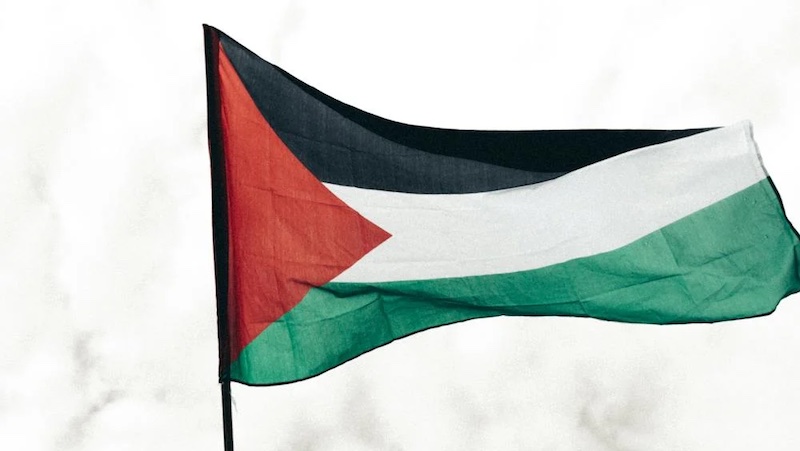
As violence escalates in Gaza and tensions rise in the West Bank, the aspirations of the Palestinian people for their own state might seem more distant than ever. Amidst this turmoil, the recent recognition of a Palestinian state by Spain, Norway, and Ireland marks a significant, albeit symbolic, step in the broader geopolitical landscape. While these actions won’t immediately alter the realities on the ground, they carry substantial diplomatic weight, influencing international perspectives and potentially shaping future policy decisions.
The Israeli-Palestinian conflict has deep historical roots, tracing back to the early 20th century with competing nationalisms among Jews and Arabs in the region of Palestine, then under Ottoman and later British control. The creation of the state of Israel in 1948, following the UN’s partition plan, led to the first Arab-Israeli war and the displacement of hundreds of thousands of Palestinians, an event referred to as the Nakba or “catastrophe” by Palestinians. Subsequent wars, particularly the Six-Day War in 1967, resulted in Israel’s occupation of the West Bank, Gaza Strip, and East Jerusalem. These territories are considered by Palestinians and much of the international community as the future Palestinian state. However, Israeli settlement expansion and the complex political dynamics have continuously hindered the peace process.
Current Recognition Status
Approximately 139 countries worldwide formally recognize a Palestinian state. This includes many nations across Asia, Africa, and Latin America, reflecting broad support for Palestinian self-determination. The United Nations General Assembly granted Palestine non-member observer state status in 2012, a move supported by 138 UN member states, but full UN membership remains elusive due to the need for Security Council approval, where the United States holds veto power. In Europe, the recognition landscape is mixed. Countries like Sweden, Hungary, Poland, Romania, Czechia, Slovakia, and Bulgaria have extended recognition. However, major Western European powers such as the UK, France, and Germany have withheld recognition, advocating for a negotiated two-state solution instead.
The Impact of Recognition and Recent Airstrikes on Israel
The recent recognition of a Palestinian state by Spain, Norway, and Ireland has elicited strong reactions from the Israeli government. Israel has consistently opposed unilateral recognition of Palestinian statehood, fearing that it undermines the peace process and emboldens groups like Hamas, which it considers a terrorist organization. In response to the recognitions, Israel has taken severe diplomatic actions, including the withdrawal of ambassadors and summoning of these countries’ envoys. These actions signal Israel’s concern that such recognitions could trigger a broader shift in European policy, potentially leading to increased diplomatic isolation and pressure on Israel to halt settlement activities and engage in meaningful peace negotiations.
Amidst this diplomatic fallout, global outrage has erupted over an attack in Rafah that resulted in the deaths of dozens of Palestinians. The Israeli military has stated that it is investigating the possibility that weapons stored in a facility near the targeted location might have exploded after an airstrike, triggering a massive blaze in a tent camp for displaced residents in the Tel Al-Sultan district. This bombing has led to widespread international condemnation and renewed criticism of the Israeli military’s actions in Gaza, with world leaders and humanitarian groups calling for an immediate ceasefire in Israel’s war against Hamas. Daniel Hagari, a spokesman for the Israel Defence Forces (IDF), provided details of the attack, stating that the explosives used could not have sparked a fire of that scale. He suggested that weapons stored in a compound next to the target might have ignited the fire, although he provided no evidence to support this claim. Hagari also mentioned that the attack hit a structure where two senior Hamas commanders were meeting, and social media images in the aftermath appear to show secondary explosions, potentially caused by the alleged nearby weapons.
However, despite these explanations, critics of Israel’s tactics in Gaza remain unconvinced. They argue that the Israeli military assumes the risk of killing large numbers of civilians when carrying out airstrikes, particularly in densely populated areas like Gaza. The attack, which resulted in at least 45 deaths, including many women, children, and the elderly, has only intensified calls for accountability and an end to the violence.
The Impact of Recognition on the United States
The recent recognition of Palestine by Spain, Norway, and Ireland carries implications that extend beyond the immediate diplomatic fallout and regional dynamics. For the United States, traditionally Israel’s firmest ally, these developments may prompt a reassessment within U.S. foreign policy circles and influence future approaches to the Israeli-Palestinian conflict. Historically, the United States has maintained unwavering support for Israel, providing substantial military and economic aid and using its Security Council veto power to shield Israel from certain UN resolutions. The U.S. stance on Palestinian statehood has been consistent: it should come through direct negotiations between the parties involved, without unilateral recognition by other nations.
Potential Impact on U.S. Foreign Policy
The recognition of Palestine by European countries like Spain, Norway, and Ireland represents a departure from the traditional Western stance on the Israeli-Palestinian conflict. While immediate changes in U.S. policy are unlikely, these developments could influence future U.S. administrations, especially if European momentum builds and domestic political pressures grow for a more balanced approach. The recognition of Palestine by key European allies may prompt a reassessment of the U.S. approach to the conflict. While the United States has historically prioritized Israel’s security concerns and opposed unilateral actions that bypass negotiations, growing international support for Palestinian statehood could challenge this stance. U.S. policymakers may need to consider the broader implications of maintaining unwavering support for Israel in the face of shifting global opinion.
Diplomatic Considerations
The recognition of Palestine by European nations could complicate U.S. diplomatic efforts in the region. As European countries increasingly assert their own positions on the Israeli-Palestinian conflict, the United States may find itself in a more isolated position if it continues to uphold a strictly pro-Israel stance. This could strain transatlantic relations and limit the effectiveness of U.S. diplomatic initiatives in the Middle East.
Domestic Political Pressures
Domestically, the recognition of Palestine by European allies may amplify calls within the United States for a more balanced approach to the Israeli-Palestinian conflict. While support for Israel remains strong among certain segments of the American population and political establishment, there is also a growing constituency that advocates for Palestinian rights and statehood. As public opinion evolves and awareness of the humanitarian situation in Gaza grows, U.S. policymakers may face increasing pressure to reconsider their approach.
Broader Geopolitical Implications
The recognition of Palestine by these European nations adds a new layer of complexity to the Middle Eastern geopolitical landscape. It signals a growing frustration within Europe regarding the stalled peace process and Israeli policies. This recognition could serve as a catalyst, encouraging other European countries to follow suit, thereby reshaping the diplomatic dynamics of the conflict.
Furthermore, this move places additional pressure on the European Union to adopt a more unified and proactive stance on the Israeli-Palestinian issue. The EU has often been criticized for its fragmented approach, with member states holding divergent views. A more cohesive policy could enhance the EU’s influence in peace negotiations, potentially balancing the strong pro-Israel stance of the United States.
Symbolic versus Practical Impact
While the recognition of Palestine is largely symbolic without immediate practical consequences on the ground, it is a significant gesture of solidarity and support for Palestinian statehood. It acknowledges the legitimacy of Palestinian claims to statehood and self-determination, reinforcing international legal norms and human rights principles. However, the practical challenges remain formidable. The core issues of borders, the status of Jerusalem, security arrangements, and the rights of refugees have long stymied peace efforts. Recognition alone does not resolve these contentious issues, which require direct negotiations and compromises from both sides.
The recognition of a Palestinian state by Spain, Norway, and Ireland is a noteworthy development in the protracted Israeli-Palestinian conflict. It reflects growing international impatience with the status quo and a desire to see tangible progress towards peace. While the immediate impact may be limited, these actions could contribute to a broader shift in international diplomacy, increasing pressure on Israel and potentially influencing U.S. and UK policies.
The recent recognitions of Palestine and the airstrikes in Gaza have placed Israel under significant international scrutiny. These events highlight the complex and volatile nature of the Israeli-Palestinian conflict, with implications that extend far beyond the region. As calls for peace and justice grow louder, Israel faces mounting pressure to reconsider its military tactics and engage in genuine efforts towards a lasting resolution.
Ultimately, the path to a sustainable peace requires addressing the fundamental issues at the heart of the conflict through dialogue, negotiation, and mutual recognition of each other’s rights and aspirations. The recent recognitions are a step in this direction, signaling a commitment to Palestinian statehood and a just resolution of the conflict. Whether this momentum will lead to significant changes on the ground remains to be seen, but it undeniably adds a new dimension to the ongoing quest for peace in the Middle East.
Bangladesh, a nation once recognized for its climate vulnerabilities and economic lethargy, has today carved out a distinguished niche in the realm of international peacekeeping. Since its inception as a sovereign state in 1971, Bangladesh has demonstrated an unwavering commitment to global peace and security.
This commitment is most evident in its substantial contributions to United Nations (UN) peacekeeping operations. Over the decades, Bangladesh has grown to be one of the major troop contributors, and its peacekeepers have won international recognition and acclaim for their professionalism and dedication. In a world fraught with war and instability, the fact that a small South Asian country like Bangladesh has had such an influence on peacekeeping missions underscores the necessity of inclusion in developing a paradigm of global solidarity.
A Tradition of Service and Sacrifice
Bangladesh’s involvement in UN peacekeeping began in 1988 when it deployed military observers to Iraq-Iran. Since then, the country has consistently contributed troops, police, and civilian personnel to numerous missions across Africa, the Middle East, and the Caribbean. As of 2024, nearly 7,000 Bangladeshi peacekeepers were deployed in various missions, including those in the Democratic Republic of the Congo (DRC), South Sudan, and Mali. This substantial contribution underscores Bangladesh’s commitment to the international peace and security principles enshrined in the UN Charter.
Bangladeshi peacekeepers have played pivotal roles in some of the most challenging and volatile environments. They have engaged in a wide range of tasks, from maintaining ceasefires and protecting civilians to supporting electoral processes and facilitating humanitarian assistance. Bangladeshi troops’ adaptability and resilience have been instrumental in achieving the objectives of these missions, often under arduous and perilous conditions.
Contributions to Global Peace and Stability
Bangladeshi peacekeepers’ contributions have had a profound impact on global peace and stability. Bangladeshi troops have been at the forefront of efforts to protect civilians and restore order in countries like the DRC, South Sudan, and Lebanon. Their presence has often been a stabilizing factor, providing a sense of security and normalcy in conflict-ridden areas.
In the DRC, for instance, Bangladeshi peacekeepers have been instrumental in implementing the mandate of the United Nations Organization Stabilization Mission (MONUSCO). They have conducted patrols, protected vulnerable populations, and facilitated the delivery of humanitarian aid. Similarly, in South Sudan, Bangladeshi contingents have played a crucial role in the United Nations Mission in South Sudan (UNMISS), working tirelessly to safeguard civilians amidst ongoing conflict.
Bangladeshi peacekeepers have also contributed to post-conflict reconstruction and development. They have assisted in rebuilding infrastructure, supporting local governance, and fostering reconciliation among divided communities. Their efforts have often gone beyond mere military duties, encompassing a broader commitment to peacebuilding and sustainable development.
Addressing Controversies
Despite its commendable contributions, Bangladesh’s involvement in UN peacekeeping has not been without controversy. Allegations of misconduct, including instances of sexual exploitation and abuse (SEA) by some peacekeepers, have occasionally marred the country’s reputation. These allegations, though involving a small fraction of the overall contingent, have prompted scrutiny and criticism from the international community.
The Bangladeshi government and military have taken these allegations seriously, implementing measures to address and prevent such misconduct. Bangladesh has adopted a zero-tolerance policy towards SEA and has collaborated with the UN to enhance training and awareness among its peacekeepers. Pre-deployment training now includes comprehensive modules on conduct and discipline, human rights, and the protection of civilians. Additionally, Bangladesh has strengthened its internal mechanisms for accountability, ensuring that allegations are thoroughly investigated and, where necessary, offenders are prosecuted.
These efforts have been acknowledged by the UN and other international bodies, which have commended Bangladesh for its proactive stance on addressing misconduct. The country’s commitment to upholding the highest standards of conduct in peacekeeping operations reflects its dedication to the principles of justice and human rights.
Resilience in the Face of Adversity
The resilience and professionalism of Bangladeshi peacekeepers have been tested time and again in some of the world’s most challenging environments. They have operated in extreme conditions, facing threats from armed groups, disease, and harsh terrain. Despite these challenges, Bangladeshi troops have demonstrated unwavering dedication and resolve.
In Mali, Bangladeshi peacekeepers with the United Nations Multidimensional Integrated Stabilization Mission (MINUSMA) have faced significant threats from extremist groups. Despite the high-risk environment, they have continued to perform their duties with distinction, contributing to the stabilization efforts in the region. Their resilience and determination have been a testament to the strength and commitment of Bangladeshi peacekeeping forces.
Appreciation from Host Nations
The contributions of Bangladeshi peacekeepers have not gone unnoticed. Host nations have often expressed deep appreciation for the professionalism, dedication, and compassion of Bangladeshi troops. Local communities have lauded their efforts in operating effectively in diverse and often hostile environments.
In Haiti, for instance, the Bangladeshi Formed Police Units (FPUs) deployed as part of the United Nations Stabilization Mission in Haiti (MINUSTAH) received high praise for their role in maintaining law and order, particularly in the aftermath of the devastating 2010 earthquake. Their efforts in providing security and supporting humanitarian assistance were crucial in stabilizing the country during a period of immense crisis.
In Sudan, the Bangladeshi contingents serving with the African Union-United Nations Hybrid Operation in Darfur (UNAMID) have been lauded for their role in protecting civilians and facilitating peace processes in a region plagued by long-standing conflict. Their presence has provided a sense of security to vulnerable populations and contributed to the broader efforts to achieve lasting peace in Darfur.
A Legacy of Commitment
Bangladesh’s unwavering commitment to UN peacekeeping is rooted in its broader foreign policy objectives, which emphasize international cooperation, peace, and development. The country’s leaders have consistently championed the cause of global peace and security, viewing participation in peacekeeping missions as both a moral duty and a strategic priority.
This commitment is reflected in the high standards of training and preparation that Bangladeshi peacekeepers undergo before deployment. The Bangladesh Institute of Peace Support Operation Training (BIPSOT) plays a crucial role in equipping peacekeepers with the necessary skills and knowledge to perform their duties effectively. This comprehensive training ensures that Bangladeshi peacekeepers are well-prepared to meet the challenges they encounter in the field.
Bangladesh’s history in UN peacekeeping is a testament to its dedication to global peace and security. The country’s peacekeepers have made significant contributions to some of the most challenging missions worldwide, demonstrating professionalism, resilience, and a commitment to the principles of the United Nations. While controversies have emerged, Bangladesh has taken proactive steps to address and prevent misconduct, reinforcing its reputation as a responsible and reliable contributor to international peacekeeping.