Categories
South Caucasus News

WTO Struggles With US–China Clean Energy Competition – Analysis


WTO Struggles With US–China Clean Energy Competition – Analysis

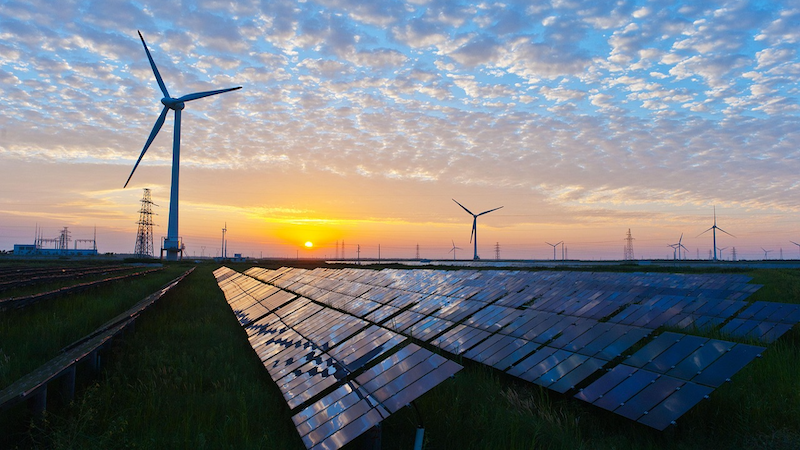
renewable energy wind power turbine solar power electricity panels

By Mandy Meng Fang

The US–China trade battle in the clean energy sector reached a significant legal milestone when China initiated action over the US Inflation Reduction Act (IRA) at the World Trade Organization (WTO) in March.

As the world’s two largest economies and greenhouse gas emitters, China and the United States also rank first and second in the world in clean energy investment. US–China competition in clean energy technologies and industries, which are integral to global decarbonisation, has ramped up drastically in recent years. The pursuit of industrial competitiveness across the entire clean energy value chain is no longer merely viewed through the lenses of climate change mitigation and economic growth but increasingly through the perspectives of national security and geopolitical supremacy.

China’s growing clean energy dominance in the manufacture of electric vehicles, power batteries, solar panels and critical minerals processing has provoked concern and a backlash in the West, especially in the United States. The passing of the US IRA, promoted as ‘the most significant climate legislation’ in US history, manifests this concern. With its budget of US$369 billion, mostly comprised of tax credits for clean energy and climate-related programs, the IRA conditions the eligibility for such incentives on meeting requirementsfavouring the use of domestic over imported goods to avoid using goods of Chinese origin.

China has invoked three WTO Agreements –– the General Agreement on Tariffs and Trade 1994, the Agreement on Trade-Related Investment Measures and the Agreement on Subsidies and Countervailing Measures –– as the legal bases for its challenge to the IRA. China claims that the IRA contains illegal trade-related investment measures and prohibited subsidies and breaches the WTO’s cornerstone principles of national treatment and most favoured nation treatment.

While the United States has accepted China’s request to hold WTO consultations, it is unclear what counterarguments it will advance to defend the IRA. The White House has repeatedly asserted that the IRA is a tool to help the country realise its climate ambitions and transition to a clean energy economy.

Washington is likely to rely on justifications related to matters of public and environmental health under Article XX of the General Agreement on Tariffs and Trade 1947. It also likely to resort to the highly controversial security exceptions in Article XXI of the GATT with the increasing value it places on the security and stability of clean energy supply chains.

US actions in blocking the appointment of Appellate Body members have rendered the WTO’s dispute settlement system dysfunctional, adding considerable uncertainty to the outcome of the US–China trade dispute. Washington’s irritation with the Appellate Body’s decisions in trade remedy cases and the Body’s inability to discipline Chinese subsidies for state-owned enterprises are no secret. The common practice now is for members who fail in the WTO’s panel process to simply appeal the rulings ‘into the void’ while rejecting the legal judgment and keeping offending measures in place. This severely damages the effectiveness of the WTO’s adjudicatory function.

Underlying the US–China dispute is the persistent conundrum of crafting and implementing ambitious climate policies that are able to garner sufficient domestic political support without running afoul of the multilateral trading rules. The WTO dispute settlement system is no stranger to cases challenging the use of politically appealing yet discriminatory trade measures. So-called ‘green industrial policies’ develop clean energy at the cost of fair competition and undistorted trade.

Established WTO jurisprudence cautions against blatantly discriminatory policies, such as the domestic content requirements, which stand next to no chance of withstanding scrutiny in disputation. Still, policies that discriminate against foreign competitors to build up domestic coalitions for climate action show no signs of abating.

Against a backdrop of multilateralism under threat and rising economic nationalism, preserving the role of the WTO as the ‘guardian’ of the rules-based global trading system, premised on stability and predictability, appears more vital than ever. The failure to launch deliberations supported by the European Union and others on trade challenges such as industrial policy and the environment at the 13th WTO Ministerial Conference was a regrettable missed opportunity.

It would be better if the WTO were able to restrain members’ inclination to chart their own pathways to a clean energy transition. A full-blown subsidy war between major clean energy producers now threatens to undermine the liberal trading order and fragment global clean energy value chains built on efficiency and economies of scale.

Despite the discord between the United States and China, the rapidly narrowing window for shifting from fossil-fuel-powered economies and preventing a dangerous rise in the global temperature is a shared concern. The opportunity to bridge the US–China divide and harness their potential to cooperate to deliver lower cost global public goods in the clean energy transition is diminishing but still exists.

Repairing and reinvigorating the WTO’s primary functions, notably dispute settlement and negotiation, are more urgent than ever. WTO members need to establish a set of rules that delineate the boundary between permitted and unpermitted green industrial policies and restore the effectiveness of the two-tier judicial system. Achieving this agenda requires getting both the United States and China on board.

  • About the author: Mandy Meng Fang is Assistant Professor in the School of Law at City University of Hong Kong.
  • Source: This article was published by East Asia Forum
Categories
Audio Review - South Caucasus News

@nexta_tv: RT by @mikenov: Russia is waging a large-scale campaign in Europe to disrupt military supplies to Ukraine – NYT US intelligence officials and allies are tracking an increase in low-level sabotage operations in Europe that they believe are part of a Russian campaign to undermine efforts to…


Russia is waging a large-scale campaign in Europe to disrupt military supplies to Ukraine – NYT

US intelligence officials and allies are tracking an increase in low-level sabotage operations in Europe that they believe are part of a Russian campaign to undermine efforts to… pic.twitter.com/RDsnUFhmBC

— NEXTA (@nexta_tv) May 26, 2024


Categories
South Caucasus News

@nexta_tv: RT by @mikenov: Russia is waging a large-scale campaign in Europe to disrupt military supplies to Ukraine – NYT US intelligence officials and allies are tracking an increase in low-level sabotage operations in Europe that they believe are part of a Russian campaign to undermine efforts to…


Russia is waging a large-scale campaign in Europe to disrupt military supplies to Ukraine – NYT

US intelligence officials and allies are tracking an increase in low-level sabotage operations in Europe that they believe are part of a Russian campaign to undermine efforts to… pic.twitter.com/RDsnUFhmBC

— NEXTA (@nexta_tv) May 26, 2024


Categories
South Caucasus News

Galstanyan, outspoken archbishop, bids to become Armenia’s prime minister – CIVILNET – CivilNet English


Galstanyan, outspoken archbishop, bids to become Armenia’s prime minister – CIVILNET  CivilNet English

Categories
South Caucasus News

Federal Election Commission: Sen. Menendez paid $2M to Paul Hastings law firm, defense attorneys – Fort Bend Herald


Federal Election Commission: Sen. Menendez paid $2M to Paul Hastings law firm, defense attorneys  Fort Bend Herald

Categories
South Caucasus News

Researchers Grapple With The Tightened Data Landscape In China – Analysis


Researchers Grapple With The Tightened Data Landscape In China – Analysis

By Han Chen

Until two years ago, Peter Irwin, a Washington D.C.-based researcher, was able to access Chinese court data to track the number of Uyghurs being sentenced to prison. But amid the international outcry over Beijing’s oppressive policies in Xinjiang, the local court stopped publishing such data.

Irwin was undeterred and pivoted his focus. It was a gradual process, he said, but he and his organization, the Uyghur Human Rights Project, or UHRP, took the time to adapt to the tighter data landscape.

I think we can, and we found ways,” he said.

The work can still be impactfulFor example, last summer, UHRP uncovered international travel companies that were still offering tours to Xinjiang despite widespread human rights violations there. Shortly thereafter, several companies suspended these tours.

In the diverse field of China research, Irwin’s experience has become more common. As China puts up more barriers around data, researchers all over the world increasingly have to grapple with how to work with less, but they are also coming to terms with the restrictions by discovering new tools or new research areas, according to interviews with analysts, activists and scholars from various disciplines.

Yet many researchers say that the paucity of data will warp global understanding of what is really going on in China.

“There is a growing gap between reality and perceptions when it comes to China,” said Martin Thorley, a senior analyst at Global Initiative Against Transnational Organized Crime. “That also makes things difficult because regardless of how one approaches China, solid data is a good foundation.”

A changed landscape

As Chinese President Xi Jinping rose to become the most powerful leader after Mao, national security has become a top priority in every aspect of governance

In 2017, the world was stunned by the revelations that more than a million Chinese Muslims had been sent to reeducation camps. In 2019, millions of Hong Kong residents hit the streets over a proposal that would have allowed extraditions to mainland China. Thousands fled in the crackdown that followed. 

Meanwhile, U.S.-China relations plummeted, as policies by former U.S. president Donald Trump aimed at decoupling the world’s two largest economies launched a trade war.

These political events triggered more censorship from Beijing and reminded the Party leadership that certain data could be weaponized against them, said independent researcher Kai von Carnap.

Moreover, the COVID-19 pandemic that started in 2020 severely disrupted travel to China, making in-person access all but impossible for years. As a result, maintaining data access remotely became even more crucial.

Secrets and frustrations

Since COVID, von Carnap has turned to more digital tools to extract data from China, such as natural language processing, or NLP, a machine learning technology that interprets and manipulates human language. And one way he has used NLP is to analyze social media discourse in China, a task that otherwise could be overwhelming. 

Although he has not yet published this research, he pointed to examples from his former colleagues at German think tank MERICS, where they analyzed Chinese social media debates on topics such as AI chatbots, war in Ukraine and food security.

But like most people interviewed for this article, he declined to elaborate on his own methods for fear of losing more access. Another researcher described it as “a game of cat and mouse.” If their methodologies are made public, they worry about new access restrictions or technical measures to disable the workarounds. 

Daria Impiombato, an analyst at Australian Strategic Policy Institute, or ASPI, also taps into Chinese social media regularly to explore topics like censorship, surveillance and propaganda, but she said that space has become much harder to navigate.

“It takes way longer to create a new (social media) profile. Sometimes it’s just not worth the hassle,” she said, referring to the account registration process. “It was very apparent from several years ago that more and more aspects of public life were becoming securitized and sensitive.”

The ways forward

Despite this, Impiombato said she’s mostly hopeful about the field, citing the growing public interest in China expertise and constantly evolving research methods. “In general there has been an incredible uptick in China research: more people involved, more grants, more organizations working on it,” she said.

Alex Colville, a researcher and database coordinator at China Media Project, agreed that there are opportunities to be found amid navigating the obstacles.

“I think we’re going to have to become more creative with the data we’re given,” Colville said. 

“Reading between the lines to uncover new policies from Beijing that lead to obvious problems down the line, or working past another hurdle in data access — I get excited by these challenges,” he said.

Sometimes, solutions can be ingenious, such as when Western media outlets measured the surge of COVID-related deaths in China in late 2022 by estimating the number of cars and people near crematoriums, Colville added.

Researchers agree, though, that the best way to study China is still to just be there, especially in areas that require extensive fieldwork, such as sociology and political economy. For some of them, traveling to China is again possible after borders were reopened last year.

Those who can’t are shifting to other areas of study. 

Rory Truex, associate professor of politics and international affairs at Princeton University who studies Chinese politics and authoritarianism, spent years researching the composition and policymaking process of the National People’s Congress. 

He hasn’t been able to go back to China, so more recently, he has shifted his work to survey research on topics such as political opinions. He is also spending more time studying what he called “overseas issues,” including the Chinese Students and Scholars Associations, which has been criticized for projecting Beijing’s ideological influence abroad.

For independent researcher von Carnap, the trend toward less data disclosure is here to stay, and researchers will need to keep pace with the new reality.

“The stress on the Chinese economy is still there,” he said, adding that more disclosure could make the Party leadership “more vulnerable to political debates,” which it wants to avoid.


Categories
South Caucasus News

Papua New Guinea Landslide: 670 Feared Dead


Papua New Guinea Landslide: 670 Feared Dead

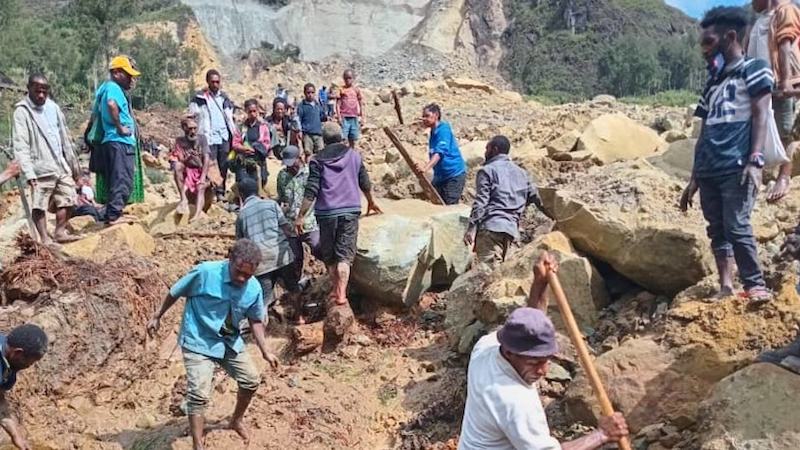
Hundreds were buried in a landslide in Yambali village, Papua New Guinea, on May 24, 2024. Photo Credit: IOM/ Mohamud Omer

Friday’s landslide in the north of Papua New Guinea is likely to have been far more deadly than first thought, Serhan Aktoprak, the country head of the International Organization for Migration (IOM) said on Sunday.

In a media interview, Mr. Aktoprak said that the community in Yambali village, situated at the foot of a mountain in the remote Enga Province, is buried under between six to eight metres of soil.

150 houses are believed to be buried, said the senior UN official, around 90 more than previously reported. Some 670 people are believed to be under the soil and “hopes of finding them alive are shrinking”.

IOM has six aid workers on site, alongside personnel from other UN agencies, NGOs and government agencies. The conditions remain dangerous for the workers; water continues to run down the mountain, and the land is still sliding. Falling boulders are also affecting relief efforts.

The landslide has displaced around 1,000 people, and it is feared that the death toll will rise. Mr. Aktoprak said that helpers are using any available implements, such as spades and sticks, in an attempt to locate bodies. 

Debris covering large stretches of the single highway into Enga Province has limited access to the rescue site, but heavy machinery is expected to arrive on Sunday to assist in recovery efforts.

In a statement released on Saturday, the United Nations Office in Papua New Guinea said that communications infrastructure and access roads to the affected site have been damaged. 

An Emergency Response Coordination Team has been set up to coordinate and lead relief efforts, comprising the Enga Provincial Disaster Coordination Office, the Department of Health, Department of Provincial Works, police, Defence Force, and the United Nations.

An initial rapid impact assessment conducted by the Team identified immediate need for food, shelter and medical supplies. 

“The United Nations is monitoring the situation very closely, in collaboration with national and provincial government authorities, including other partners to determine the extent of damage, casualties and possible assistance that may be required for those impacted”, the statement concluded.


Categories
South Caucasus News

Vigilance Needed To Avert Spread Of Bird Flu To Humans


Vigilance Needed To Avert Spread Of Bird Flu To Humans

Health experts are calling for tighter biosecurity measures in global poultry production, from farms to markets, to monitor bird flu (avian influenza) following its spread among dairy cows in the United States.

Since 2003, 888 cases of human infection with the avian influenza virus, also known as H5N1, have been reported from 23 countries, of which 463 were fatal, according to the World Health Organization (WHO). Vietnam, Cambodia, and Indonesia are among the worst affected.

“Although the number may appear not as big as many other outbreaks, we need to bear in mind that each infection in humans is an attempt of the virus to try to establish itself in [the] human population,” says Wenqing Zhang, head of the WHO’s global influenza programme.

“Although the chances are slim so far, as long as it succeeds just once, it is a start of an influenza pandemic…”

Symptoms in humans range from mild upper respiratory problems to severe illness such as pneumonia and multi-organ failure.

The recent outbreak among dairy cows in the US indicates that H5N1 is expanding its range beyond birds, sparking concerns worldwide especially in many Asian countries where avian influenza has become endemic.

While the virus has not shown signs of adapting to allow human-to human transmission, the WHO is calling on countries to enhance surveillance measures and improve food hygiene practices.

Anyone exposed to infected live or dead poultry or infected animals, or contaminated environments such as live bird markets, is at risk, says Zhang.

Compromised biosecurity’

Bangladesh is considered a “hotspot” for the emergence of zoonotic infectious diseases due to its dense population, diverse wildlife and increasing urbanisation and deforestation.

Here, surveillance in live bird markets, also known as wet markets, reveals a high prevalence of avian influenza in poultry and the surrounding environment, which heightens the risk of so-called “zoonotic spillover” – the transmission of virus from animals to humans – says Nadia Rimi, associate scientist and coordinator of the Programme for Emerging Infections at ICDDR,B, an international health research institute in Dhaka.

In Bangladesh, the H5N1 virus has become endemic in poultry, Rimi tells SciDev.Net.

“There are numerous small-scale poultry farms and live bird markets across the country with compromised biosecurity conditions and hygiene practices, which create a conducive environment for spreading of infectious pathogens,” she says.

Other countries in the region have similar poultry farming and selling practices and biosecurity conditions. India, Pakistan and Nepal have also reported a few cases of human H5N1 infection.

“What’s also concerning and what would precipitate greater spread is if the [avian influenza] virus were to find itself into the pig population… a perfect vessel through which an even more virulent strain could emerge,” said Nirav Shah, principal deputy director at the US Centers for Disease Control and Prevention, in a Council on Foreign Relations briefing earlier this month (1 May).

According to Rimi, the greatest risk is the “probability of coinfection and genetic reassortment” with other influenza viruses in humans, which could lead to the emergence of a novel influenza virus strain “with pandemic potential”.

The H5N1 strain of the virus has widely spread among wild birds, poultry, land and marine mammals and now in dairy cows. So far, only one case of cow-to-human transmission has been confirmed in a US dairy worker.

The WHO recommends that people worldwide consume pasteurised milk as preliminary tests show that pasteurisation kills the virus detected in raw milk.

Early bird flu control

A recent study by scientists from the interdisciplinary research and development programme, One Health Poultry Hub, highlights that bird flu control for pandemic prevention must start before poultry reaches wet markets.

Rimi says that controlling chickens entering the market and vaccinating them requires multipronged interventions at the farm and transportation level as well as the markets themselves.

“We are currently implementing interventions in the live bird markets, including weekly rest days, routine cleaning and disinfection…to explore if these are acceptable, feasible and effective for these resource-poor settings”, she adds.

The findings from the study – based on computer modelling using data from Bangladesh – showed that nine in ten chickens that entered live bird markets without having been previously exposed to the H9N2 subtype of avian influenza virus became infected with it when they remained there for one day.

The time between a bird being infected with H9N2 and it becoming contagious could be less than five and a half hours in a live bird market and one in ten birds arrived at the markets already exposed to H9N2, according to the researchers.

Vietnam on alert

In April, Vietnam reported its first human infection with the H9N2 strain.

Pawin Padungtod, senior technical coordinator at the Food and Agriculture Organization’s Emergency Centre for Transboundary Animal Diseases in Vietnam, says the virus is being closely monitored in the Greater Mekong sub-region under a One Health approach, which balances the health of people, animals and ecosystems.

He says, poultry vaccination against viruses has been a crucial strategy in Vietnam’s bird flu control efforts. Regular surveillance is conducted to detect and monitor the incursion of any new avian virus and determine the efficacy of vaccines.

“These surveillance activities have been providing crucial information to support vaccine selection and identification of areas where [avian influenza] outbreaks are more likely to occur,” Padungtod tells SciDev.Net.

“Vietnam has been removing unsold chickens and it uses H9 vaccine to reduce exposed birds entering the market. We can further use the evidence provided in this study to advocate for [bird flu] vaccination in animals and strengthen live bird market biosecurity in the country.”

This piece was produced by SciDev.Net’s Asia & Pacific desk.


Categories
South Caucasus News

Roots Are A Key To Drought-Tolerant Maize


Roots Are A Key To Drought-Tolerant Maize

Maize can grow successfully in very different local conditions. An international study headed by the University of Bonn has now demonstrated the important role of the plant root system.

The researchers analyzed more than 9,000 varieties in the study and were able to show that their roots varied considerably – depending on how dry the location is where each variety was cultivated. They were also able to identify an important gene that plays a role in the plant’s ability to adapt. This gene could be the key to developing varieties of maize that cope better with climate change.

The results were recently published in the prestigious journal Nature Genetics.

It is a bushy plant with highly branched stems. Finger-length ears grow from the axils of their elongated leaves and every one of them consists of a dozen rock-hard seeds.

You have to look very closely to recognize kinship with one of the world’s most important cultivated plants. And yet experts all agree that the genus teosinte is the ancestral form of all modern varieties of maize. Farmers in southwest Mexico began to select the progeny of teosinte plants that produced the most grains, and the tastiest grains, more than 9,000 years ago. Modern maize crops were cultivated in this way over the course of many generations and now maize is cultivated across all the continents.

“We know that the appearance of the plants changed significantly during this time and, for example, the cobs have become much bigger and more prolific,” explains Prof. Dr. Frank Hochholdinger from the Institute of Crop Science and Resource Conservation (INRES) at the University of Bonn. “Up to now relatively little has been known, however, about how the root system developed over this period of domestication and afterwards.”

Roots in paper cigars

This has now changed thanks to the new study. Over the last eight years, the participating research groups have investigated around 9,000 varieties of maize and 170 varieties of teosinte around the world. The researchers collected seeds and placed them onto special brown paper, which was then rolled into a cigar shape and stored upright in narrow glass beakers.

“Around 14 days after germination, we unrolled the paper so that we could observe the early development of the roots without the interference of any soil adhered to them,” says Hochholdinger. In cooperation with a research group headed by Dr. Robert Koller (Forschungszentrum Jülich), the researchers also studied root growth in soil. They used a method that is more commonly known from the field of medicine for this purpose – magnetic resonance imaging.

The results showed how the root structure has radically changed during the domestication of teosinte to cultivated maize. “In the maize varieties, we often find seminal roots shortly after germination – with as many as ten or more of these roots in some varieties,” explains Dr. Peng Yu, who is head of an Emmy Noether research group at INRES and has recently accepted the offer of a professorship at TU Munich. “This is not the case with teosinte.”

Seminal roots give the seedlings an initial advantage under optimal conditions: They enable them to absorb large amounts of nutrients from the soil very rapidly. “However, we noticed that another type of root – the lateral roots – suffer as a consequence,” says Yu.

Lateral roots are especially important for the uptake of water because they greatly enlarge the root surface. This is probably the reason why the number of seminal roots varies considerably depending on the variety: Maize varieties that have adapted to dry conditions grow significantly fewer seminal roots and more lateral roots. When breeding these varieties, farmers in the past were unknowingly selecting plants that have led to the development of this root structure.

160 candidate genes identified

The researchers also investigated which genetic material was responsible for the growth of seminal roots and were able to identify more than 160 candidate genes. “We then studied one of these genes named ZmHb77 in more detail,” says Hochholdinger. “We noticed that plants with this gene grew more seminal and at the same time fewer lateral roots.”

The researchers deliberately switched off this gene in some plants and were able to change the root structure so that they could better tolerate periods of drought. “This gene is thus important for breeding drought-tolerant varieties,” explains the researcher. “In view of climate change, these varieties will become increasingly important if we want to avoid more and more crop failures in the future.”


Categories
South Caucasus News

Signatures Of Heart Attack


Signatures Of Heart Attack

healthcare medicine pulse heartbeat

Improving the outcome of patients after a heart attack is one of the major challenges of cardiology. This includes a comprehensive understanding of the pathophysiology and early detection of those patients who have a high risk of an unfavorable outcome. Researchers at LMU University Hospital, Helmholtz Munich and other institutions have now used high-tech biomedical and bioinformatics methods to comprehensively map the immune response to myocardial infarction in humans and identify signatures that correlate with the clinical course of the disease. The results of this groundbreaking work were published in the high-ranking scientific journal Nature Medicine.

In Germany alone, around 300,000 people suffer a heart attack every year. The treatment of patients has significantly improved throughout the recent decades. Nevertheless, many of those affected develop heart failure after the event because the heart muscle does not recover.

According to findings from animal studies, the inflammatory reaction plays an important role after an infarction and has a decisive influence on whether the functions of the heart muscle are restored. “A misdirected or excessive immune response can jeopardize the recovery of the heart function,” says Dr. Kami Pekayvaz, lead author of the new study and clinician scientist at Department of Medicine I at LMU University Hospital, LMU Munich.

A team led by him, Viktoria Knottenberg, PD Dr. Leo Nicolai and Prof. Konstantin Stark from the Medical Clinic I of the LMU Hospital Munich and Corinna Losert and Dr. Matthias Heinig from Helmholtz Munich has analyzed for the first time how the immune system reacts to a heart attack in humans. The researchers examined the blood samples of heart attack patients who were treated at the LMU Hospital and showed different clinical outcomes.

Atlas of immune responses

The immune cells in the blood were analyzed cell by cell with regard to their RNA expression profile. RNA is produced when cells translate the information of their genes into proteins – a so-called transcriptome analysis can reveal the current state and characteristics of a cell. In addition, the blood plasma was examined for various substances using protein analyses, which provide details on the inflammatory and other processes. These analyses are among the most modern possible methods, so-called multi-omics methods.

A specific bioinformatics technique (MOFA, for Multi-Omics Factor Analysis) recognized overarching patterns in the mass of data obtained. “This method is ideal for identifying and summarizing many smaller effects that are coordinated in the same direction,” says Dr. Matthias Heinig, head of a bioinformatics working group at Helmholtz Munich. This made it possible to create an atlas of immune responses after a heart attack.

“These patterns can explain differences between the clinical and temporal courses of the patients,” says Prof. Konstantin Stark, Senior Consultant in Cardiology at the LMU Hospital. This means that certain of these “immune signatures” are associated with a better recovery of heart function, others with a worse one.

This atlas of the immune response in myocardial infarction is highly relevant for further basic cardiovascular research and potentially indicates that multi-omics analyses of blood samples could be used to predict the clinical course of a heart attack patient. However, the concept of MOFA-based diagnostics in cardiovascular diseases must be tested in further studies – and this is what the Munich researchers intend to do in the coming years.