

Categories
South Caucasus News

Rising Tide Of Social Parasitism And Its Implications – OpEd


Rising Tide Of Social Parasitism And Its Implications – OpEd

greed selfish

Social parasites are capable individuals who live off the values, products, services, donations, and sacrifices resulting from the labour of others. These individuals are like priestly class who remain in their comfort zones, refraining from engaging in any meaningful work, and they consider this parasitic lifestyle as normal and natural. Such social parasites neither contribute to the meaningful growth of their own lives nor to the well-being of their families, societies, or states in any significant way. They often serve as the foundations for reactionary social, political, economic, cultural, and religious trends within society. These parasites produce reactionary politics and lumpens based on their reactionary ideals based on dependency for survival.

Social parasites exhibit a concerning pattern of behaviours where they exploit the efforts and resources of others while offering little to no meaningful input themselves. Their ability to thrive without meaningful contribution creates a cycle of dependency and complacency. These individuals often rationalise their lifestyle, seeing it as an acceptable norm rather than recognising it as a detrimental social issue. Their lack of contribution extends beyond personal growth to impact broader societal structures. By not participating actively in the economy or community development, they place additional burdens on those who are socially productive. Families often bear the weight of supporting these individuals, which can lead to strained relationships and reduced quality of life for those who are working hard to provide.

Social parasites are escapists who outsource their predicaments to the very individuals or institutions that sustain their lazy and parasitic lifestyles. Social parasites, by outsourcing their responsibilities and challenges, create a dependency loop that not only affects their personal development but also places undue strain on those who support them. These escapists avoid facing the difficulties and realities of life, preferring instead to rely on the efforts and resources of others. This behaviour erodes their own potential for growth and self-improvement, leaving them stagnant and unfulfilled. For the individuals supporting social parasites, the impact can be significant. Family members, friends, or institutions that provide for these individuals often experience increased stress and financial burden. The constant need to support someone who contributes little in return can lead to resentment and strained relationships. Over time, this dynamic can erode the quality of life for those who are productive and responsible, as they are forced to allocate resources and energy to sustain the parasites. The consequences of the growth of social parasites are far-reaching for both individuals and societies.

On a societal level, social parasites can perpetuate and reinforce reactionary trends. Their detachment from meaningful work and community involvement often aligns them with conservative or regressive movements that resist progress and change. This alignment can manifest in various ways, including supporting political ideologies that favour maintaining the status quo or opposing reforms that could benefit the greater good. The proliferation of social parasites can lead to broader economic and social issues. When a sizable portion of the population opts out of contributing meaningfully to their lives and society, it reduces overall meaningful contributions. This can stifle economic growth and limit opportunities for advancement and prosperity. Additionally, the presence of social parasites can exacerbate social inequality, as resources are diverted to support those who do not contribute, widening the gap between the meaningful engagement and socially unproductive segments of society.

Economically, their lack of participation stifles innovation and growth. When a significant portion of the population opts out of contributing meaningfully, it hinders the potential for collective advancement. This economic stagnation can lead to increased inequality and social unrest, as the gap between contributors and non-contributors widens. Moreover, the reliance of social parasites on external support systems can drain resources. Social welfare programs and charitable organisations that are designed to help those in genuine need can become overwhelmed by individuals who exploit these systems without making any effort to improve their circumstances. This misuse of resources can detract from the support available to those who truly need it, diminishing the overall effectiveness of social safety nets.

Culturally and religiously, social parasites can become bastions of traditionalism as a safe heaven for survival, resisting cultural evolution, and clinging to outdated practices. Their influence can slow the progression of societal values, making it difficult for communities to adapt to changing times and embrace more inclusive, progressive ideals. Social parasites often embody and perpetuate a culture of complacency and entitlement, which can undermine the values of meaningful work, responsibility, and mutual support that are essential for a healthy, functioning society. This culture can spread, influencing others to adopt similar attitudes and behaviours, further entrenching the problem.

The advent of the digital revolution has reshaped the very fabric of capitalism, speeding up its processes and expanding its reach. At the heart of this transformation are the so-called techno-feudals, the powerful entities that dominate the rent seeking platform economy.  The dominant platform companies like Amazon, Google, and Facebook have become modern-day landlords, controlling vast digital territories, and extracting profit from the activities within their unproductive domains, where producers, consumers, and sellers alike are exploited. These techno-feudals have created ecosystems that promote a culture of relentless growth and consumption. In this environment, the concept of social parasitism emerges, where certain entities thrive at the expense of broader societal well-being. These social parasites can be seen as those who benefit disproportionately from the digital economy while contributing little to the common good. This includes not only the platform owners themselves but also the practices that encourage the exploitation of gig workers, the erosion of privacy, and the manipulation of consumer behaviours.

The normalisation of these practices is facilitated by the pervasive influence of digital platforms. They shape our perceptions, behaviours, and even our social structures, making it increasingly difficult to imagine alternatives to the current system. As a result, the digital revolution not only accelerates capitalist culture but also entrenches the power of those who control the platforms, creating a new form of digital feudalism. The digital revolution has turbocharged the culture of capitalism by empowering techno-feudals within the platform economy, who normalise and perpetuate a growth culture that resembles social parasitism. This shift has profound implications for society, requiring critical examination and potential reimagining of how digital technologies and economic systems intersect and evolve a culture of social parasites.

In this way, social parasites are capable individuals who, by living off the labour of others and avoiding meaningful work, hinder the growth and development of themselves and their communities. Their lifestyle not only burdens families and societies but also supports reactionary trends that resist necessary progress in various aspects of life. Subsequently, social parasites are escapists who outsource their challenges to those who sustain their lifestyles, resulting in personal stagnation and widespread societal consequences. The growth of social parasites imposes significant burdens on individuals, families, and institutions, while also hindering meaningful contributions and fostering a culture of entitlement detrimental to progress, peace, and prosperity. 

Capitalism and its culture breed all forms of social parasitism and normalise lumpen culture. Social parasitism was criminalised in Soviet Russia to ensure the growth of meaningful and honest work. However, criminalisation is not a solution. Social parasitism can only end with the growth of socially meaningful individual consciousness, where individuals develop a need and desire to engage in socially meaningful life and activities.

Categories
South Caucasus News

Preservation Paradox: Unpacking Benefits And Drawbacks Of Sodium Benzoate And Potassium Sorbate In Pakistan’s Food Industry – OpEd


Preservation Paradox: Unpacking Benefits And Drawbacks Of Sodium Benzoate And Potassium Sorbate In Pakistan’s Food Industry – OpEd

Powder of sodium benzoate. Photo Credit: Chemik10, Wikipedia Commons

The use of preservatives like sodium benzoate and potassium sorbate has become widespread in the Pakistani food industries to extend shelf life and prevent contamination of food. These preservatives are widely available, easy to use, and require minimal specialized equipment, making them accessible to small-scale food manufacturers. However, on the other hand, there are significant disadvantages to consider.

The Pakistani food industries have experienced rapid growth in recent years due to increasing demand for safe, processed and packaged foods. To meet the demand, food manufacturers often rely on preservatives to prevent spoilage and increase shelf life. 80% of Pakistani food manufacturers use sodium benzoate and potassium sorbate in their products to extend shelf life. local and imported brands of fruit juices, carbonated drinks, beverages, milk, sauces, spreadable fats, jams, jellies, marmalades, cheese, and margarine use sodium benzoate and potassium sorbate as preservatives.

The reality here is that preservatives have been widely used, but their advantages or disadvantages have not been comprehensively discussed in the Pakistani context.

Advantages of sodium benzoate and potassium sorbate in the Pakistani food industry:

  • Both sodium benzoate and potassium sorbate are effective preservatives that help extend the shelf life of food products by reducing food spoilage and waste.
  • These preservatives help maintain the freshness and quality of food products for a longer period of time.
  • These preservatives are easy to incorporate into food formulations and do not alter the texture or appearance significantly.
  • These preservatives are considered safe for consumption and can help prevent the growth of harmful bacteria and molds in food.
  • Sodium benzoate and potassium sorbate are relatively inexpensive compared to some other preservatives, making them a cost-effective choice for food manufacturers.
  • These preservatives can be widely used in different food products like beverages, sauces, jams, and backed items, providing versatility to food manufacturers.

Disadvantages of sodium benzoate and potassium sorbate in the Pakistani food industry:

  • Some studies suggest that high levels of sodium benzoate and potassium sorbate in food may have adverse health effects. Such as increased risk of cancer, allergies, hyperactivity in children, or exacerbating asthma symptoms.
  • When combined with certain ingredients, like vitamin C, sodium benzoate can form benzene, a known carcinogen.
  • In some cases, sodium benzoate and potassium sorbate can affect the taste of food products, leading to potential consumer dissatisfaction.
  • There are specific regulations regarding the maximum allowable levels of these preservatives in food products, and exceeding these limits can lead to legal issues for food manufacturers.
  • The excessive use of these preservatives can contribute to environmental pollution and harm ecosystems.
  • Overuse of sodium benzoate and potassium sorbate in food products may contribute to the development of microbial resistance, reducing the effectiveness of these preservatives over time.

The findings of this study highlight the double-edged sword of sodium benzoate and potassium sorbate in the Pakistani food industries. While they offer advantages like extended shelf life and cost effectiveness, they also pose significant disadvantages, including potential health risks. Impact on nutritional value and environmental concerns.

Consumer awareness about the potential risks of synthetic preservatives is growing, leading to a demand for natural and organic alternatives, which may impact the long-term sustainability of the food industries. The high levels of preservatives in food products are a cause for concern, and the industry must adopt natural preservatives, reduce preservative levels, and implement sustainable manufacturing practices in the Pakistani food industry.

About the authors:

  • Ameer Hamza, Alumni (B.Sc (Hons.) Agriculture), Department of Food Technology, Agriculture from University Balochistan, Pakistan.
  • Mir Hassan is a Lecturer in the Department of Public Administration, FMS, BUITEMS

Categories
South Caucasus News

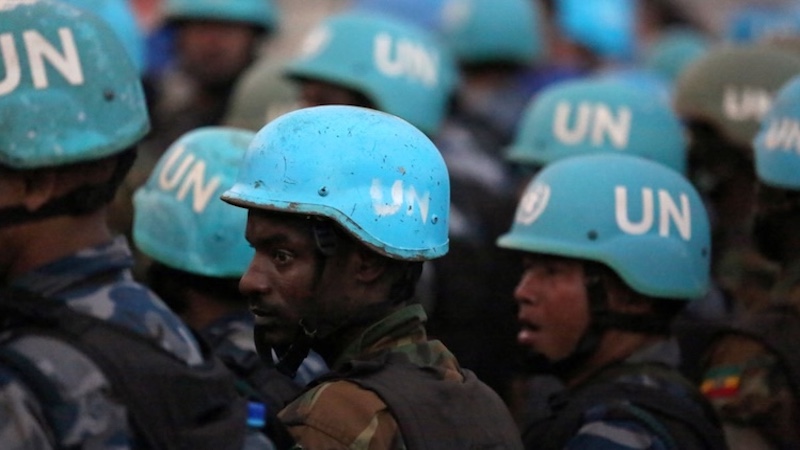
Conspiracies Against Bangladesh UN Peacekeepers – OpEd


Conspiracies Against Bangladesh UN Peacekeepers – OpEd

United Nations' peacekeepers. Credit: United Nations

A recent Deutsche Welle report titled “Torturers deployed as UN peacekeepers” and a YouTube video titled “From torturers to peacekeepers” have aroused considerable controversy in Bangladesh and beyond. Both the report and video claim that the UN is blindly hiring peacekeepers from Bangladesh and Sri Lanka who are implicated in human rights abuses in their home countries.

How far the DW stories are true is a matter of secondary importance. In the first instance, a couple of things come to our notice. The US Assistant Secretary of State for South and Central Asian Affairs Donald Lu visited Bangladesh on May 14-15, 2024. The United States slapped sanctions on the former chief of the Bangladesh Army General (Retd) Aziz Ahmed on May 20, and the DW report and video appeared on the following day May 21, 2024.  This chain of events has every reason to believe that the  gripping narrative of Bangladeshi peacekeepers carefully crafted by DW team is a premeditated attempt to discredit the Government of Bangladesh particularly the Prime Minister Sheikh Hasina. 

Such deliberate attempts to malign Bangladesh are nothing new. On February 1, 2021, Al-Jazeera aired a similar video titled “All the Prime Minister’s Men” which was a blast for Bangladesh Army with Gen Aziz as the sitting Chief. Strangely enough, the two allegations that United States has brought against Gen Aziz are the same that Al Jazeera brought in its “All the Prime Minister’s Men”, report. The US notification of sanctions seems to have been copied from the Al Jazeera documentary. Now the point remains if the DW, Netra News, Al Jazeera are teaming up with the US state machineries to deliberately damage the reputation of Bangladesh. 

These pieces of news claiming to be “investigation reports” give us a broad hint of a conspiracy theory. Intellectuals like University Grants Commission’s former chairman Professor Abdul Mannan see eye to  eye with this view. He made a categorical statement about how the US is complicit in Bangladesh bashing mission. As he puts it, “It’s a conspiracy against Bangladesh… The West, led by the USA, plotted such conspiracies in the past and will continue to do so in the future. The scheme to drop Bangladesh from the peace missions began years ago… Various international media outlets are paid to run intentional reports. The money comes from non-government organizations that are, in turn, funded by foreign agencies…In most cases, the news is run without any evidence,” (Somoy News, May 22, 2024).  

A close examination of the DW May 21 report and video reveals the fact that they are full of questionable assumptions and sweeping generalizations. A particular number of RAB officers in Bangladesh may be implicated in human rights violations (this is gospel truth that any elite force of any country in the world must have officers like those in Bangladesh or Sri Lanka), but laying the blame on the entire force and proposing to exclude them from the UN peacekeeping mission really weirds us out. It smacks of an intrigue. A political or geopolitical intrigue! DW alleges that the UN is turning a blind eye to Bangladeshi peacekeepers while hiring them. But the prying eyes of the DW and its investigation team do not fall upon the outright violations of human rights in countries such as Pakistan, Myanmar, Israel and even the USA. How the peaceable anti-government demonstrators in Pakistan, the luckless Rohingyas in Myanmar, the wretched Palestinians in Gaza and the anti-genocide protestors in USA are being killed and persecuted in broad daylight. So, DW’s extra-special interest in Bangladesh UN peacekeepers does not really stand up to scrutiny. 

Bangladesh has a proud history in UN peacekeeping operations. Since 1988, it has been a consistent contributor to UN peacekeeping. It has, as statistics show, participated in 54 peacekeeping missions in 40 countries spread over 5 continents, and deployed more than 175,000 uniformed personnel including over 1,800 female peacekeepers to conflict zones across the globe. Presently, around 7,000 military and police personnel are participating in 10 missions (Source: Armed Forces Division). Bangladesh proudly holds the top spot as the largest troop-contributing country to UN peacekeeping forces. Bangladeshi peacekeepers have demonstrated unwavering dedication, professionalism and bravery, and earned global commendations for their contributions beyond the call of duty. They carried out their duties amid overwhelming odds. Their contributions have transcended the bare maintenance of peace and security and encompassed humanitarian assistance, medical aid, engineering support, and civil affairs services extended to help local communities rebuild their lives. However, Bangladeshi peacekeepers have also paid a heavy price for their service and sacrifice. More than 144 have lost their lives and 247 sustained major injuries in the line of duty.

Recently, Bangladesh has played a pivotal role in some of the most challenging UN peacekeeping missions. For example, Bangladesh became the largest contributor of troops to the UN peacekeeping mission in the Democratic Republic of the Congo (DRC) from 2013 to 2017. In 2015, Bangladesh went down the annals of UN history by assembling the world’s first all-female Muslim peacekeeping unit, that served in the Republic of Haiti. The unit, composed of 160 Muslim female troops, became the subject of a documentary titled “A Journey of a Thousand Miles: Peacekeepers”, which showcased their challenges and achievements in a male-dominated terrain. This pioneering initiative not only shattered gender barriers but also showcased the exceptional capabilities and determination of Bangladeshi women in the field of peacekeeping, (Dr. Rashid Askari, Daily Sun, June 22, 2023).  

Bangladesh’s contributions to UN peacekeeping have been acknowledged by the international community. In 2018, Bangladesh was awarded the UN Peacekeeping prize for its outstanding service to the cause of peace in South Sudan. Though some sections of people, both at home and abroad, are trying to cast aspersions on Bangladesh UN peacekeepers, Bangladesh remains committed to its global peacekeeping efforts. The government seeks to further enhance its involvement in UN peacekeeping missions and solidify its standing as a key contributor to global peacekeeping efforts. Bangladesh wants to further strengthen the partnership with the UN in the field of peacekeeping.  Bangladesh’s impressive track record, its extensive participation in UN peacekeeping missions and deployment of a large number of personnel can situate the country as a reliable and experienced partner in maintaining peace and security in the world. 

Bangladesh is proud of its role in UN peacekeeping and is committed to continuing its support for the UN’s efforts to maintain global peace and security. It is hoped that the Under-Secretary-General for Peace Operations at the United Nations Jean-Pierre Lacroix’s visit to Bangladesh on June 25, 2023 has strengthened the partnership between Bangladesh and the UN which will open up new windows of opportunity for Bangladesh peacekeepers to serve in more diverse and complex missions. It is also hoped that the UN will acknowledge Bangladesh’s efforts to uphold the highest standards of conduct and discipline among its peacekeepers, much as detractors shout from the rooftops a vicious slander on its good name. 


Categories
South Caucasus News

One Year Later: Gulzar Imam’s Arrest And Balochistan’s Future – OpEd


One Year Later: Gulzar Imam’s Arrest And Balochistan’s Future – OpEd

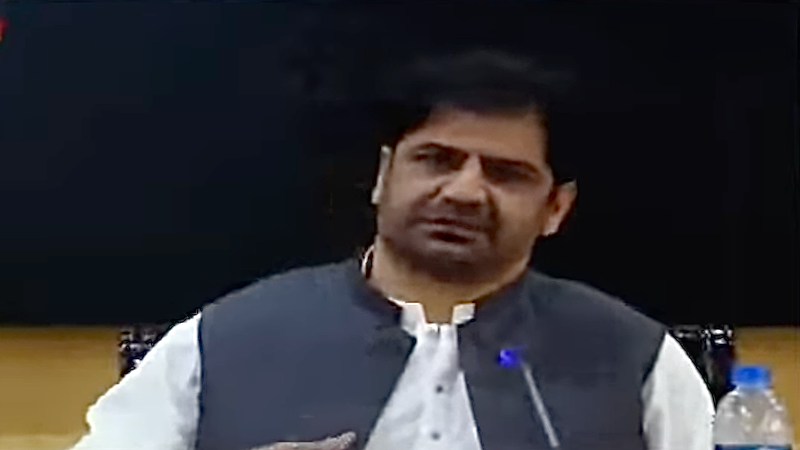
Founder of banned Balo­ch National Army Gulzar Imam alias Shambay addresses a press conference in Quetta. Photo Credit: Screenshot government video

As we mark the first anniversary of the arrest of Gulzar Imam, known as Shambay, the founder and leader of the banned Baloch National Army (BNA), Pakistan’s commitment to bringing stability and development to Balochistan remains resolute. The high-profile intelligence operation that led to Imam’s capture represented a significant breakthrough in the ongoing battle against terrorism and separatist insurgency in this restive province.

Imam’s arrest was a major counter-terrorism success for Pakistan’s Inter-Services Public Relations (ISPR). This meticulously planned and executed operation, spanning multiple geographical locations, dismantled a key figure in the Baloch insurgency and showcased the capabilities and determination of Pakistan’s security forces to eradicate terrorism. Over the past year, this resolve has translated into sustained efforts to dismantle militant networks and enhance the socio-economic fabric of Balochistan.

A Blow to Separatist Insurgency

Imam’s capture dealt a strategic blow to the BNA and other militant groups aiming to destabilize Balochistan. As a hardcore militant responsible for numerous attacks on law enforcement agencies and civilians, Imam’s removal has significantly disrupted the operational capabilities of these groups. The intelligence obtained from Imam has been instrumental in further crackdowns on separatist factions, leading to a series of successful operations against insurgents in Balochistan’s Makran region.

Under Imam’s leadership, the BNA was responsible for high-profile attacks, including the deadly bombing in Lahore’s Anarkali market in January 2022. The group’s operational capacity in regions like Makran and its urban strongholds has been significantly impaired. Imam’s extensive network, which linked various militant factions and provided strategic coordination for attacks, has been effectively neutralized, causing a leadership vacuum and operational disarray within the BNA.

Pakistan’s Commitment to Peace and Development

The past year has seen a renewed commitment from Pakistan to foster peace and development in Balochistan. The government and military have worked tirelessly to address the root causes of unrest, investing in infrastructure, education, and healthcare to uplift the socio-economic status of the province. These efforts aim to counter separatist narratives and provide the people of Balochistan with a stake in the country’s future. Significant investments have been made in infrastructure projects aimed at integrating Balochistan with the rest of the country and boosting economic activity. The construction of roads, highways, and the Gwadar port are key components of this strategy. These projects are designed not only to improve connectivity but also to create job opportunities for local communities, thereby reducing the appeal of militant ideologies.

Education and healthcare initiatives have been prioritized to address long-standing grievances. New schools and hospitals have been established, and existing facilities have been upgraded to ensure better access to quality education and medical services. These measures are critical in breaking the cycle of poverty and underdevelopment that has fueled discontent in the region. Efforts to economically empower the local population have included various development programs aimed at promoting small businesses and entrepreneurship. Microfinance schemes and vocational training programs are helping the youth of Balochistan develop skills that are essential for gainful employment. By providing economic opportunities, the government aims to diminish the influence of separatist propaganda that thrives on economic disenfranchisement.

Targeting the Warmongers

Pakistan’s security forces have maintained a relentless stance against those who seek to destabilize the province. The arrest of key figures like Gulzar Imam sends a clear message to all militant factions: Pakistan will not tolerate any attempts to undermine its sovereignty and the hard-earned peace in Balochistan. The ISPR’s statement following Imam’s arrest highlighted the continued resolve of law enforcement agencies to pursue and neutralize threats to national security. The past year has witnessed an intensification of intelligence-led operations targeting the leadership and infrastructure of militant groups. These operations have not only led to the capture of high-value targets but also disrupted the logistical and financial networks that support these groups. The dismantling of safe houses, arms caches, and communication networks has significantly weakened the operational capabilities of militant factions.

Community Engagement and Support

Recognizing the importance of winning hearts and minds, the security forces have also engaged in community outreach programs. These initiatives aim to build trust between the local population and the state, encouraging communities to cooperate with law enforcement agencies. By addressing local grievances and involving community leaders in development efforts, the government seeks to isolate militants and garner public support for its anti-terrorism initiatives.  While the arrest of a high-value target like Gulzar Imam is a significant victory, experts caution that the overall insurgency cannot be completely eradicated with the capture or elimination of a few leaders. The Baloch insurgency, driven by ideological motivations rather than tribal affiliations, remains a complex challenge. However, the disruption of the BNA’s network and the internal rifts within the group indicate a weakening insurgency.

Sustained Efforts for Long-Term Stability

The future of Balochistan lies in the continued efforts of the Pakistani government to promote development and address grievances. By focusing on economic development, social integration, and political inclusion, Pakistan aims to create an environment where the appeal of separatist ideologies is diminished. Long-term stability in Balochistan will require a multifaceted approach that combines military operations with socio-economic development and political engagement. Pakistan is also seeking regional and international cooperation to address the external dimensions of the insurgency. The involvement of hostile intelligence agencies in supporting separatist groups has been a significant concern. By engaging with neighboring countries and international partners, Pakistan aims to curtail external support for militant groups and enhance regional security.

Conclusion

As Pakistan marks one year since the arrest of Gulzar Imam Shambay, the country reaffirms its dedication to ensuring stability and progress in Balochistan. The military’s ongoing operations against insurgent groups, coupled with comprehensive development initiatives, highlight a dual approach of security and development. Pakistan’s commitment to peace in Balochistan is unwavering, and the sacrifices of its security forces and unsung heroes continue to pave the way for a brighter, more stable future for the province. The road to lasting peace in Balochistan is undoubtedly challenging, but with sustained efforts, inclusive policies, and unwavering resolve, Pakistan is determined to turn the tide against insurgency and build a prosperous and stable Balochistan. The first anniversary of Gulzar Imam’s arrest stands as a testament to Pakistan’s commitment to this goal and its readiness to overcome any obstacles in its path.


Categories
South Caucasus News

US Senate to consider bipartisan Georgia sanctions bill as ‘foreign agent’ row rages – POLITICO Europe


  1. US Senate to consider bipartisan Georgia sanctions bill as ‘foreign agent’ row rages  POLITICO Europe
  2. Georgia’s ‘foreign agents’ law could be dropped in return for US support bill  The Guardian
  3. New U.S. Legislation To Target Democratic Backsliding In Georgia  Radio Free Europe / Radio Liberty

Categories
South Caucasus News

Turkiye starts drilling new exploration well on Black Sea shelf


Turkiye has started drilling a new exploration well in the Black Sea in order to search for new gas deposits, Azernews reports.

Categories
South Caucasus News

Chinese military responded to Taiwanese separatists with United Sword exercises


On May 23, the People’s Liberation Army of China (PLA) began two days of large-scale military exercises in the Taiwan Strait and around the island of Taiwan, Azernews reports.

Categories
South Caucasus News

Delegation of the Georgian Military Police Department pays a visit to Azerbaijan


Delegation of the Georgian Military Police Department pays a visit to Azerbaijan

According to the plan of bilateral military cooperation between the Ministries of Defense of Azerbaijan and Georgia for 2024, the delegation led by the Chief of the Military Police Department of the Ministry of Defense of the Republic of Georgia, Colonel Shalva Shengelia, is on a visit to Azerbaijan.
During the visit, the delegation visited the Military Police Department of the Azerbaijan Ministry of Defense.
First, flowers were laid at the monument to the National Leader of the Azerbaijani people Heydar Aliyev erected in the area and his memory was honored.
Welcoming the guests at the meeting held at the Military Police Department, the Chief of the Military Police Department, Lieutenant Colonel Elgun Aliyev expressed his satisfaction with seeing them in Azerbaijan
At the meeting, the sides expressed satisfaction regarding the current state of bilateral military cooperation, emphasizing that friendly and fraternal relations are based on mutual trust and support. The significance of such meetings in terms of exchanging experience was highlighted.
Then the guests were given a briefing on the activities of the Military Police Department.
The Georgian delegation expressed gratitude for the sincere hospitality.

Delegation of the Georgian Military Police Department pays a visit to Azerbaijan


Categories
South Caucasus News

Armenian Defense Minister receives Ambassador of the Kingdom of Belgium


Categories
South Caucasus News

US prepares nearly $300M military aid package for Ukraine


The United States is preparing a military aid package for Ukraine worth nearly $300 million, set to be allocated tomorrow, according to AP News, Report informs via RBC-Ukraine.