
After Iran and Israel’s Attacks, Is There Any Chance Left for the Iran Nuclear Deal? • Stimson Center Stimson Center
Day: April 23, 2024
On April 23, U.S. State Department Deputy Spokesperson Vedant Patel reiterated the State Department’s assessment of the reintroduced Foreign Agents Bill as “deeply problematic and inconsistent with what one would think [are Georgia’s] EU aspirations.” He expressed support for the ongoing peaceful protests and condemned any steps that would turn the protests violent.
In response to a journalist’s question about the rallies against the bill, Deputy Spokesperson Patel stated: “…we certainly support what in the United States would be an expression of the people’s rights under the First Amendment to peacefully protest and demonstrate. Our call and our push, of course, continues to be that they are peaceful, and we certainly would condemn any steps that are taken to make these kinds of protests violent.”
Deputy Spokesperson Patel added: “…we continue to find this kind of legislative activity to be deeply problematic and inconsistent with what one would think of EU aspirations. You have to remember we are talking about something that cracks down on media organizations, civil society organizations, and other things.”
On April 3, the parliamentary majority leader of the ruling Georgian Dream party, Mamuka Mdinaradze, announced the reintroduction of the draft law on foreign agents, which was dropped last year after the massive rallies on March 7-9. According to Mdinaradze, the content of the bill remains the same, the only change is in the title: the word “agent” in it has been removed and the title has been replaced with “Organization Pursuing the Interests of a Foreign Power”. The decision has drawn sharp criticism from the civil society and opposition within the country and from Georgia’s international partners. The bill has already been passed in the first hearing.
Also Read:
- 18/04/2024 – Matthew Miller: U.S. Urges Georgia not to Enact “Foreign Agents” Law, Protect Right of Peaceful Assembly
- 17/04/2024 – U.S. State Department Deputy Spokesperson: U.S. “Deeply Concerned” over Foreign Agents’ Law
- 09/04/2024 – US State Department: “Stay Tuned” for Potential Actions if Russian Law Moves Forward
- 05/04/2024 – US State Department Spokesperson: Deeply Concerned that Bill will Derail Georgia from European Path
On April 23, U.S. State Department Deputy Spokesperson Vedant Patel reiterated the State Department’s assessment of the reintroduced Foreign Agents Bill as “deeply problematic and inconsistent with what one would think [are Georgia’s] EU aspirations.” He expressed support for the ongoing peaceful protests and condemned any steps that would turn the protests violent.
In response to a journalist’s question about the rallies against the bill, Deputy Spokesperson Patel stated: “…we certainly support what in the United States would be an expression of the people’s rights under the First Amendment to peacefully protest and demonstrate. Our call and our push, of course, continues to be that they are peaceful, and we certainly would condemn any steps that are taken to make these kinds of protests violent.”
Deputy Spokesperson Patel added: “…we continue to find this kind of legislative activity to be deeply problematic and inconsistent with what one would think of EU aspirations. You have to remember we are talking about something that cracks down on media organizations, civil society organizations, and other things.”
On April 3, the parliamentary majority leader of the ruling Georgian Dream party, Mamuka Mdinaradze, announced the reintroduction of the draft law on foreign agents, which was dropped last year after the massive rallies on March 7-9. According to Mdinaradze, the content of the bill remains the same, the only change is in the title: the word “agent” in it has been removed and the title has been replaced with “Organization Pursuing the Interests of a Foreign Power”. The decision has drawn sharp criticism from the civil society and opposition within the country and from Georgia’s international partners. The bill has already been passed in the first hearing.
Also Read:
- 18/04/2024 – Matthew Miller: U.S. Urges Georgia not to Enact “Foreign Agents” Law, Protect Right of Peaceful Assembly
- 17/04/2024 – U.S. State Department Deputy Spokesperson: U.S. “Deeply Concerned” over Foreign Agents’ Law
- 09/04/2024 – US State Department: “Stay Tuned” for Potential Actions if Russian Law Moves Forward
- 05/04/2024 – US State Department Spokesperson: Deeply Concerned that Bill will Derail Georgia from European Path
April 24 holds solemn significance for Armenians worldwide as we commemorate the 1.5 million victims of the 1915 Armenian Genocide. According to the Armenian National Institute, there are 75 Armenian Genocide memorials in the United States, with 12 dedicated either wholly or partially to the survivors. These memorials serve to honor the resilience of survivors, acknowledge the immigrant experience and recognize contributions to local communities and American society.
Adding to this list, Whitinsville, Massachusetts will soon unveil the Armenian Heritage Monument, celebrating the past, present and future of Armenians in Whitinsville and the Blackstone Valley. Local government leaders, in honor of Armenian contributions, have generously donated land for the monument in the town cemetery where most Armenians are laid to rest.
The arrival of the first Armenians to work at Whitin Machine Works, or “the Shop,” transformed Whitinsville into an immigrant Armenian hub. The Whitin family provided housing and recreational amenities such as “the Gym,” which still stands as the Whitin Community Center. At its peak, Whitinsville boasted one of the largest concentrations of Armenians per capita in the U.S.
In my eight years of researching and recording memories, culminating in a recent book launch tour, I’ve gained a wealth of information far beyond what many families possess. Growing up as a second-generation Armenian American, I was privileged to hear my grandparents openly discuss the Genocide, yet I was unprepared for the gaps in their accounts of their lives in the old country. Moreover, listening to the sorrow of hundreds of Armenians whose relatives carried their secrets to their graves heightened my sense of personal responsibility. As part of the last generation to hear these stories directly from survivors, I recognize the urgency of preserving and sharing them.
To honor victims, celebrate survivors and educate future generations, it’s vital to document and preserve personal narratives. While direct engagement with survivors may no longer be possible, capturing the stories of subsequent generations ensures that their legacies endure.
If you’re inspired to embark on this important endeavor but are unsure where to start, here are 10 questions to consider as starters when interviewing your relatives.
- What’s your full name? Were you named after someone, and did you have a nickname?
- Where were you born and raised? What was your first language? Tell me about your childhood friends.
- Did you have siblings? What were their names and birth order? Tell me about them.
- Did you have cousins? What were their names and birth order? Tell me about them.
- What is your mother’s full name and date of birth? Where was she born? What is your earliest memory of her? (Repeat for grandmothers).
- What is your father’s full name and date of birth? Where was he born? What is your earliest memory of him? (Repeat for grandfathers).
- What major world events have occurred in your lifetime? Which global and personal events have impacted you the most?
- When did you first learn about the Armenian Genocide? What were you told? What do you wish you had asked?
- What were your favorite Armenian traditions as a child? Which ones did you pass on to your family? Which ones do you hope will continue with future generations?
- What advice would you give to your great-grandchildren and future generations?
With the accessibility of smartphones and other tools, recording interviews has become less burdensome. Here are some practical steps to ensure you don’t miss a moment.
- Use recording devices or pen and paper during family interviews to preserve oral history.
- Bring old photos or mementos to prompt memories and provide context. (Remember to note names on the backs of photos.)
- Share family trees or genealogical research to enrich understanding and fill in gaps.
- Respect the boundaries and comfort levels of relatives during interviews, ensuring a sensitive and supportive environment.
- Collaborate with Armenian oral history projects or local organizations experienced in preserving and sharing cultural narratives. (Check for resources in your community. Examples in Massachusetts and Rhode Island include Armenians of Whitinsville, Armenian Historical Association of RI – AHARI – and Project Save).
While we must never forget the victims of the Armenian Genocide, it is equally vital to recognize and appreciate the sacrifices of survivors, which have paved the way for Armenian Americans to thrive today. By documenting these stories, we honor the past, empower the present and enlighten the future, ensuring that the resilience and contributions of Armenians endure for generations to come.
Author information
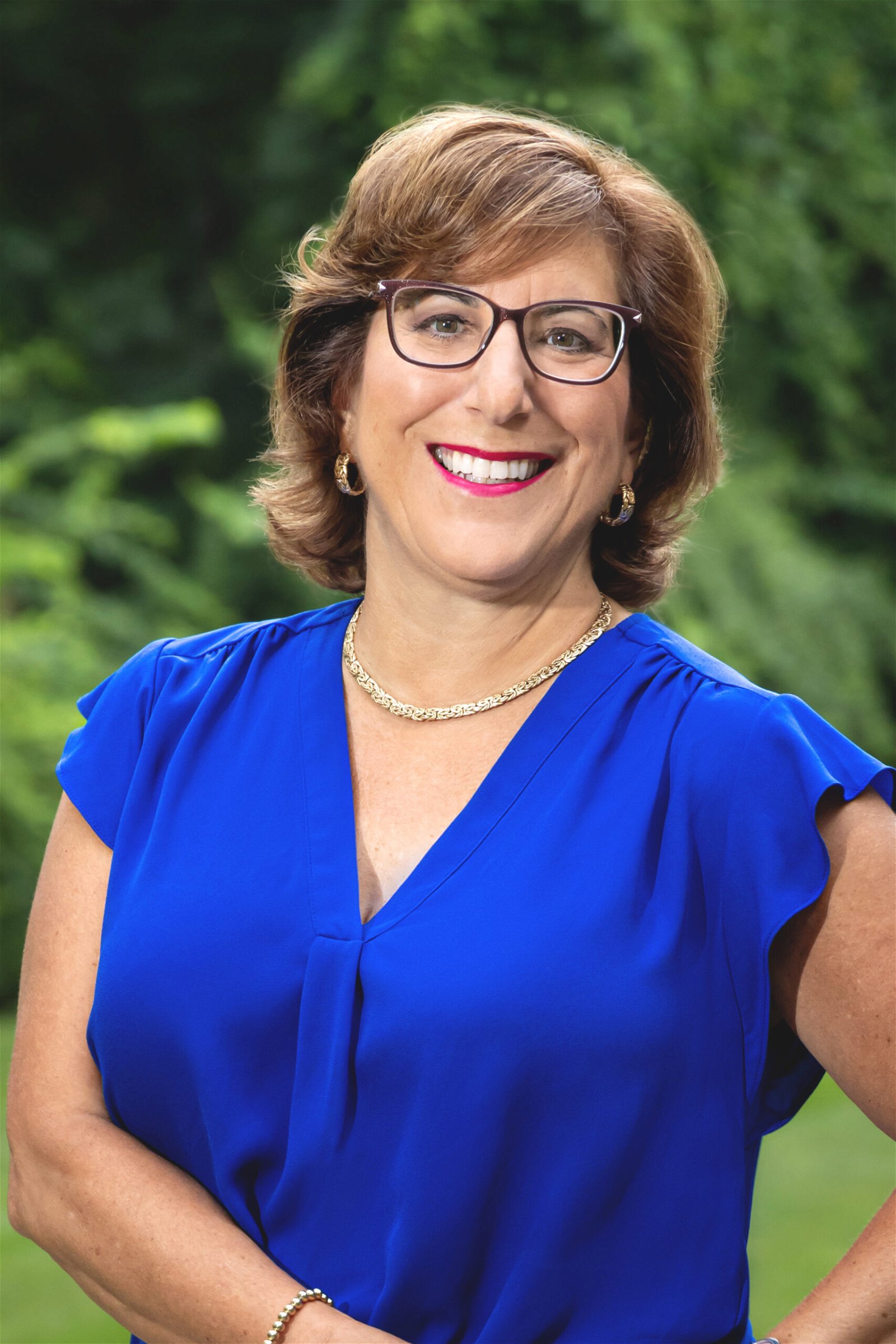
Victoria Atamian Waterman
Victoria Atamian Waterman is a writer born in Rhode Island. Growing up in an immigrant, bilingual, multi-generational home with survivors of the Armenian Genocide has shaped the storyteller she has become. She is a trustee of Soorp Asdvadzadzin Armenian Apostolic Church and chair of the Armenian Heritage Monument in Whitinsville, MA. She is the author of “Who She Left Behind.”
|
The post Remembering the survivors and celebrating communities appeared first on The Armenian Weekly.
Categories