
As one of the largest taxpayers in the country, Azercell contributed 167 million AZN to the state budget in 2023, and over 27 years, it has paid approximately 2.4 billion AZN of taxes in total. The company has invested 94 million US dollars in the development of the telecommunications sector…
Day: April 7, 2024
Categories
NPR News: 04-07-2024 11PM EDT
NPR News: 04-07-2024 11PM EDT
Learn more about sponsor message choices: podcastchoices.com/adchoices
Categories
NPR News: 04-07-2024 10PM EDT
NPR News: 04-07-2024 10PM EDT
Learn more about sponsor message choices: podcastchoices.com/adchoices
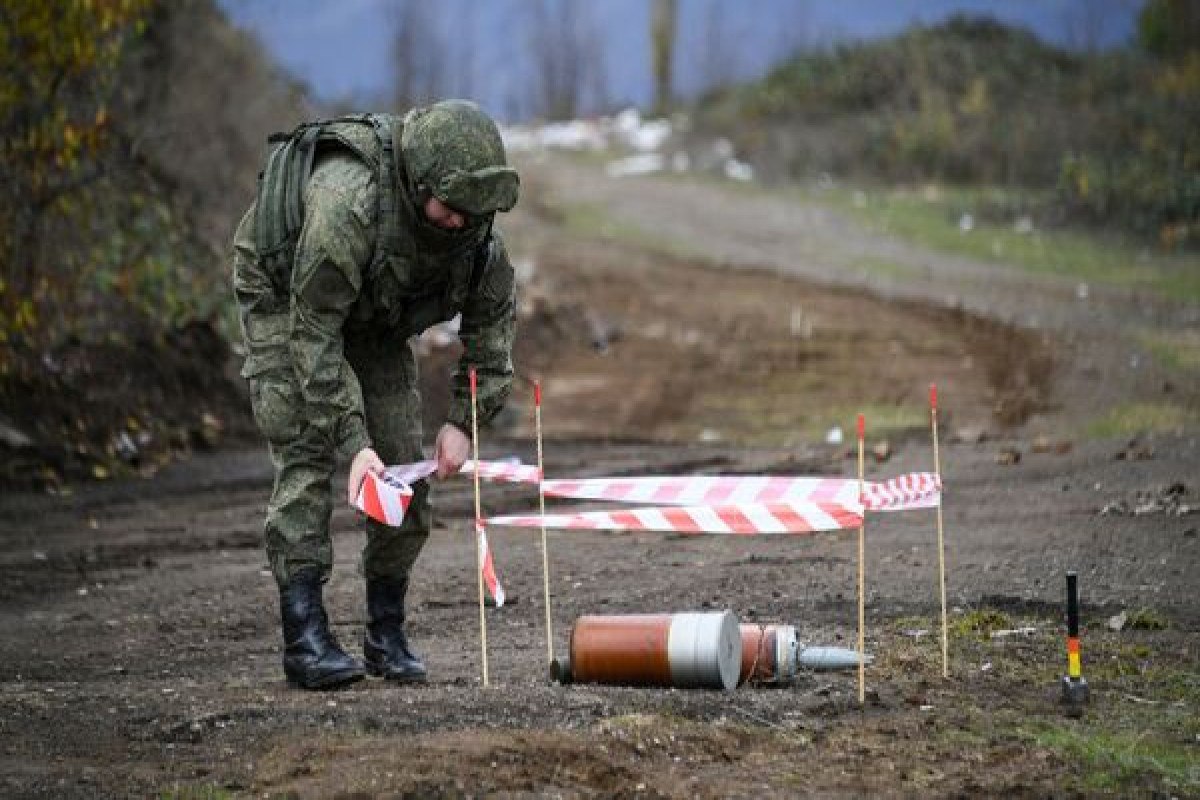
Russian peacekeepers in Azerbaijan
The involvement of Russian peacekeepers in demining operations in Khojaly has sparked debates in Azerbaijan about the potential consequences of their prolonged presence in the region. Vugar Suleymanov, the chairman of the board of the National Agency for Mine Action (ANAMA) of Azerbaijan, revealed plans to engage Russian peacekeepers in demining efforts during a briefing commemorating the International Day for Mine Awareness and Assistance in Mine Action.
- “Why should US citizens see their money flowing abroad?” – Georgian Parliament Speaker against Western organizations
- South Caucasus “Brussels conspiracy” and Azerbaijan-Turkey tandem: A view from Baku
- Labor migration from Armenia to Russia: Causes and consequences
Suleymanov stated that the process of accrediting Russian peacekeepers is ongoing, pointing to the preparation for deploying demining equipment in Khojaly in the near future. However, in Azerbaijan, there are differing perspectives regarding the feasibility and potential consequences of their involvement in this process.
Political analyst Nasimi Mammadli expressed doubts about the compatibility of demining activities with the mandate of Russian peacekeepers. He stated that their primary role is to regulate relations between conflicting parties. In an interview with Radio Azadliq, Mamedli argued that since there are no longer conflicting parties in this area following the ceasefire, there is no basis for peacekeepers to participate in such operations.

On the contrary, deputy Jeyhun Mammadov told Turan that the presence of Russian peacekeepers in the region, as outlined in the November 10 Agreement, is justified by their participation in demining efforts. He believes that involving peacekeepers in demining will expedite Azerbaijan’s post-conflict reconstruction.
However, concerns persist regarding the potential extension of the Russian peacekeepers’ stay in the region. Mamedli warned against disregarding Russia’s strategic interests in the South Caucasus, suggesting that Moscow might exploit the conflict dynamics to assert influence and expand its military presence. He called for vigilance against any attempts to prolong the peacekeepers’ stay beyond necessary timeframes.
Mamedli agrees with the official position of the authorities: the peacekeepers’ activities are time-limited, and their role in demining operations is a temporary measure to address urgent post-conflict issues.
The issue of demining holds significant importance for Azerbaijan, as official data indicates a high number of casualties resulting from landmine explosions in liberated territories. Despite efforts to obtain demining maps from Armenia, inaccuracies persist, causing frustration and hindering demining efforts.
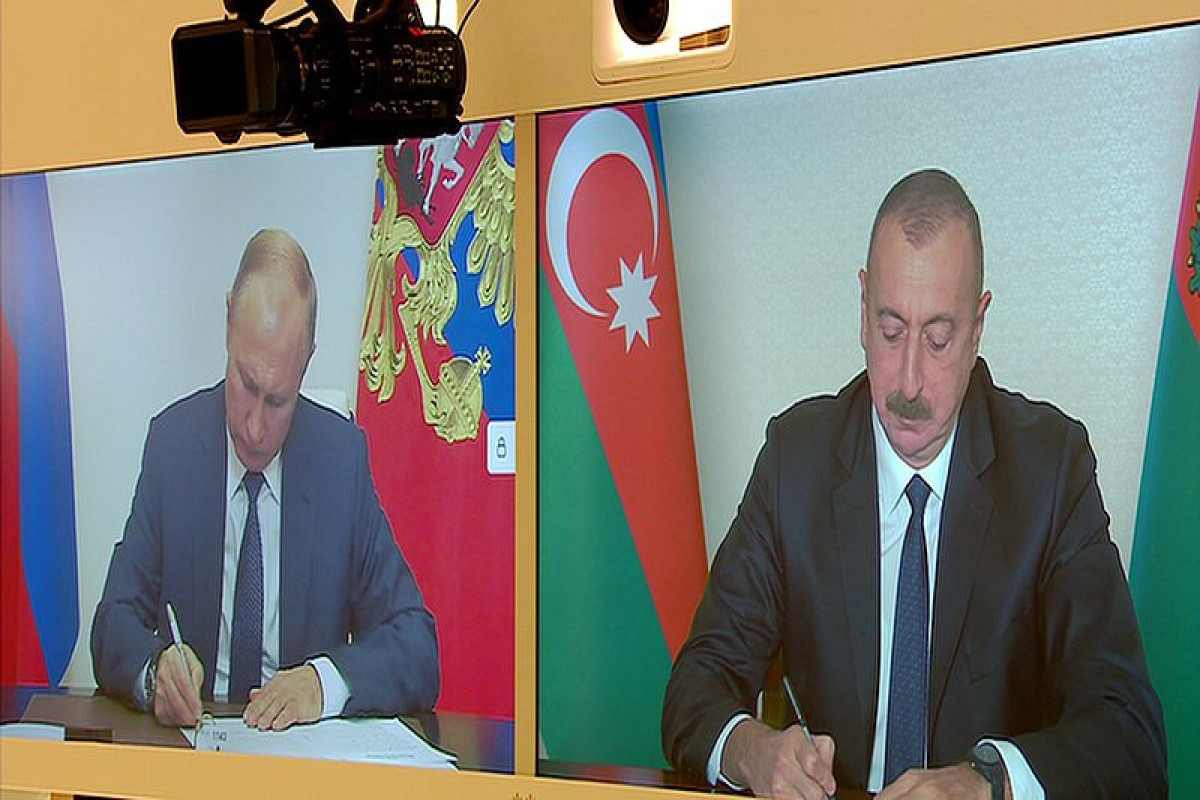
The exchange of maps, purportedly in exchange for the release of detained Armenian servicemen, did not fully resolve the issue, as Azerbaijani authorities question the accuracy and completeness of the information provided. In response, the prime minister of Armenia stated that all available maps had been provided, emphasizing the contentious nature of post-conflict negotiations and the consequences of military actions.
While Azerbaijan grapples with the complex task of post-conflict reconstruction, debates surrounding the participation of Russian peacekeepers in demining operations persist. The country faces a dilemma between short-term assistance and the long-term implications for sovereignty and security.
Categories
NPR News: 04-07-2024 9PM EDT
CAIRO — Houthi forces in Yemen said on Sunday they had launched rockets and drones at British, U.S. and Israeli ships, the latest in a campaign of attacks on shipping in support of Palestinians in the Gaza war.
The Iran-aligned group said it had targeted a British ship and a number of U.S. frigates in the Red Sea, while in the Arabian Sea and Indian Ocean it had attacked two Israeli vessels heading to Israeli ports.
The operations took place during the last 72 hours, Houthi military spokesperson Yahya Saree said in a televised statement, without providing further details of the attacks.
Britain and the United States have also been launching retaliatory strikes against the Houthis.
U.S. forces destroyed a mobile surface-to-air missile system in a Houthi-controlled area of Yemen Saturday, the U.S. Central Command said.
U.S. forces also shot down an unmanned aerial vehicle over the Red Sea, its statement said, adding that a coalition vessel also detected, engaged and destroyed one inbound anti-ship missile. No injuries or damage were reported.
Earlier, British security firm Ambrey said it had received information indicating that a vessel was attacked on Sunday in the Gulf of Aden about 102 nautical miles southwest of Mukalla in Yemen.
“Vessels in the vicinity were advised to exercise caution and report any suspicious activity,” the firm said. It did not say who was responsible for the attack or give further details.
Separately, a missile landed near a vessel in the Gulf of Aden on Sunday but there was no damage to the ship or injuries to crew in the incident, 59 nautical miles southwest of the Yemeni port of Aden, the United Kingdom Maritime Trade Operations agency said.
“The Master of the vessel reports a missile impacted the water in close proximity to the vessel’s port quarter,” UKMTO said in an advisory note. “No damage to the vessel reported and crew reported safe,” it added.
It did not say who fired the missile or give further details. It was not immediately clear if the attacks reported by the British agencies were the same as the latest incidents claimed by the Houthis.
Houthi attacks have disrupted global shipping through the Suez Canal, forcing firms to re-route to longer and more expensive journeys around southern Africa. The United States and Britain have launched strikes on Houthi targets in Yemen.
CAIRO — Houthi forces in Yemen said on Sunday they had launched rockets and drones at British, U.S. and Israeli ships, the latest in a campaign of attacks on shipping in support of Palestinians in the Gaza war.
The Iran-aligned group said it had targeted a British ship and a number of U.S. frigates in the Red Sea, while in the Arabian Sea and Indian Ocean it had attacked two Israeli vessels heading to Israeli ports.
The operations took place during the last 72 hours, Houthi military spokesperson Yahya Saree said in a televised statement, without providing further details of the attacks.
Britain and the United States have also been launching retaliatory strikes against the Houthis.
U.S. forces destroyed a mobile surface-to-air missile system in a Houthi-controlled area of Yemen Saturday, the U.S. Central Command said.
U.S. forces also shot down an unmanned aerial vehicle over the Red Sea, its statement said, adding that a coalition vessel also detected, engaged and destroyed one inbound anti-ship missile. No injuries or damage were reported.
Earlier, British security firm Ambrey said it had received information indicating that a vessel was attacked on Sunday in the Gulf of Aden about 102 nautical miles southwest of Mukalla in Yemen.
“Vessels in the vicinity were advised to exercise caution and report any suspicious activity,” the firm said. It did not say who was responsible for the attack or give further details.
Separately, a missile landed near a vessel in the Gulf of Aden on Sunday but there was no damage to the ship or injuries to crew in the incident, 59 nautical miles southwest of the Yemeni port of Aden, the United Kingdom Maritime Trade Operations agency said.
“The Master of the vessel reports a missile impacted the water in close proximity to the vessel’s port quarter,” UKMTO said in an advisory note. “No damage to the vessel reported and crew reported safe,” it added.
It did not say who fired the missile or give further details. It was not immediately clear if the attacks reported by the British agencies were the same as the latest incidents claimed by the Houthis.
Houthi attacks have disrupted global shipping through the Suez Canal, forcing firms to re-route to longer and more expensive journeys around southern Africa. The United States and Britain have launched strikes on Houthi targets in Yemen.