
Day: April 1, 2024
As a result of the military offensive launched by Azerbaijan in Artsakh in 2023, almost the entire population of the republic was forced to flee to Armenia, and tens of thousands of people became refugees. To help and support at least some of them, DataArt’s Armenian office launched a free quality assurance (QA) IT school for women from Artsakh. According to participants, the three months of intense education with top specialists resulted not only in acquiring new professions but also had a strong therapeutic effect. Education provided a much-needed sense of control over their lives and faith in a better future. Three of these students and the head of DataArt Armenia share more about this exceptional experience.
Ishkhan Margaryan, deputy head of DataArt Armenia, Human Resources department
In our office, we strive to develop our employees’ public speaking and training skills while positively impacting the IT community in Armenia. So, we have already organized several free IT schools here.
When the war in Artsakh broke out, and the locals had to leave their homes and move to Yerevan, we realized that this was the right moment to organize another IT school, this time with a significant emphasis on corporate social responsibility (CSR) for the vulnerable group of displaced people. We immediately realized that the project should be aimed specifically at women, because there are generally fewer women than men in IT, and we would like to give them a boost. We hoped that this project could help break stereotypes related to women in engineering.
At first, we were afraid that we would be very slow in recruiting the group, because it had not been a month since the war, and people were under a lot of stress; we thought they might not be in the mood for education. I asked the whole team to spread the information through all corporate and personal channels. Plus, we contacted several companies that were in the process of relocating people from Artsakh to Armenia.
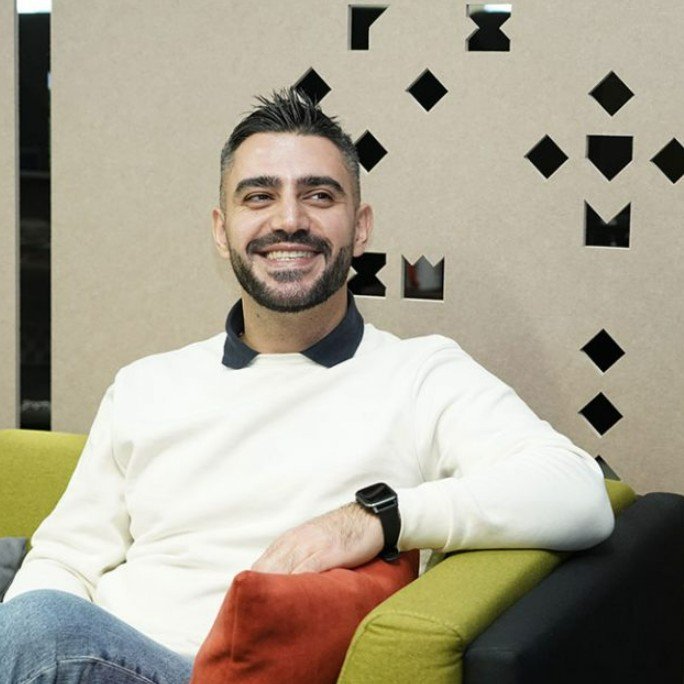 Ishkhan Margaryan, deputy head of DataArt Armenia
Surprisingly, we had about 150 applications just two weeks after the announcement. We needed the students to know at least minimal English to progress. The result was a group of 20 women. The course lasted three months. Twice a week, there were lectures, and once a week, there were practical classes. We added all the students to our internal database. If any internship opportunity opens up, we will consider our Artsakh students first.
After the course, I heard them thank us for the opportunity, not just to learn a new profession but to distract them from the troubles. They said it was an opportunity to jump from scarcity into sufficiency and start to control at least part of their life: “Feel that I am enough, I can overcome this, there is a future, and I am in control.” It was the most valuable feedback for us!
Ani Babayan
In Artsakh, we had a wonderful life. Although it has long been one of the “troubled regions,” we always felt completely safe there. Our town was small; everyone knew each other, there was no crime, and if you lost something, people would always return it.
In 2020, our lives changed. The war started, and most of the civilian population was evacuated to Armenia. But when the war ended, my husband, my little daughter and I (along with more than 100,000 of our compatriots) decided to return, even though we realized it was very dangerous. But we believed that everything would be fine.
In December 2022, the blockade began, and it lasted nine months. People stood in line for bread for hours, often at night. Still, they were ready to live half-starved in the blockade, only if they were at home. We evacuated, utterly broken.
I worked as a financier for the Ministry of Social Security in Artsakh. But I needed something new to occupy myself, to distract myself. I decided to retrain and change my qualifications. Going to QA school was like therapy for all of us.
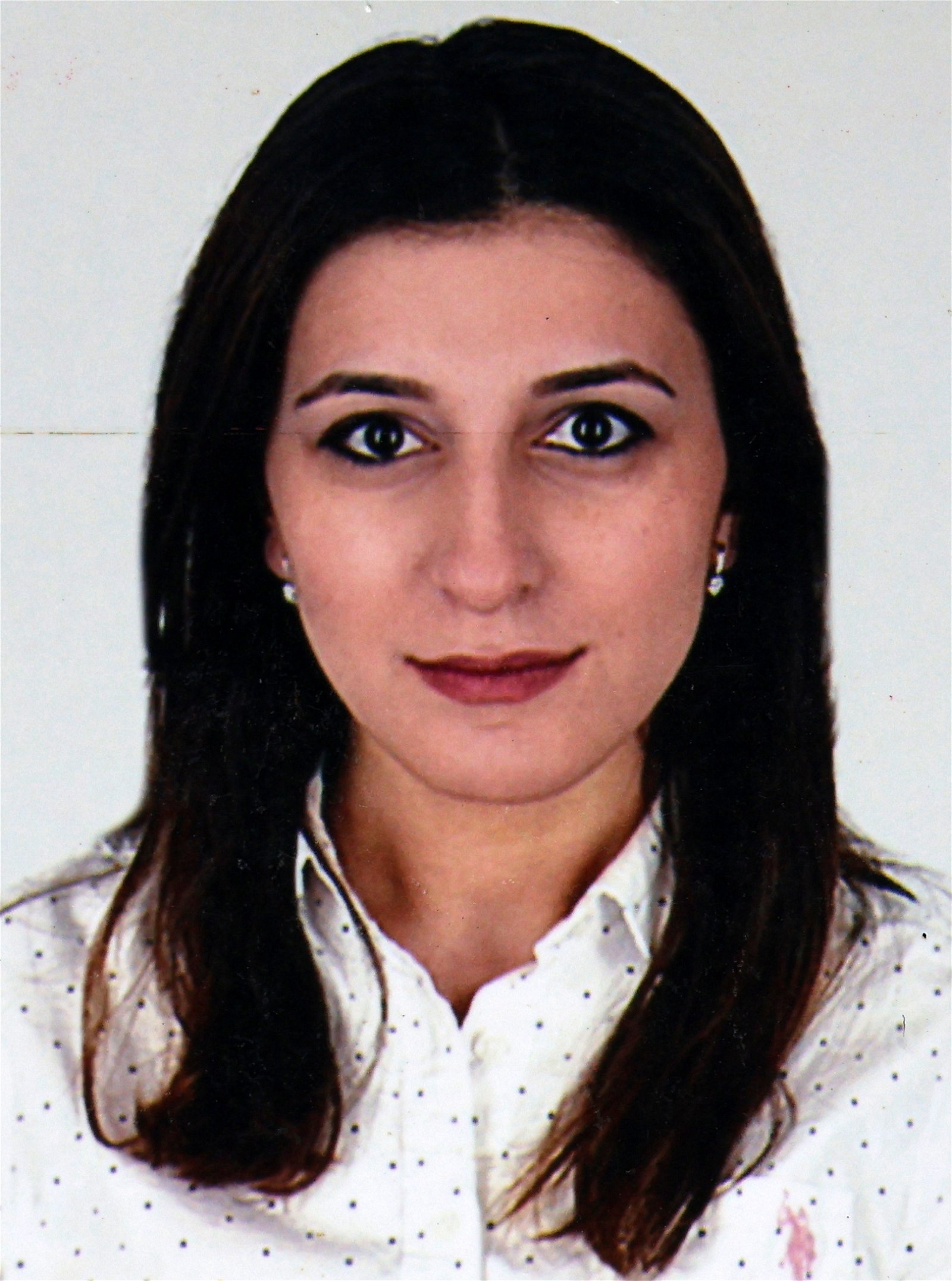 Ani Babayan
On the first day, we were shocked. It’s kind of amazing that what I was doing in the civil service and employment in IT are called the same word, “work.” At DataArt, everything is done to care for their employees and make them feel comfortable. And freedom in everything – come when you want, dress as you wish. The main thing is to fulfill the tasks well and to get the result, and how you achieve it is your business. This approach is much more effective!
We had an excellent group, and our mentor was wonderful – very attentive and responsive. He gave us all the necessary information, advised us on additional sources of knowledge and answered any questions.
Now, I am taking another course on Data Analysis. As soon as I finish the course, I will choose which profession to pursue and where to look for an internship. But no matter where I go, DataArt QA school was my first step into IT.
I am grateful for this opportunity to acquire up-to-date knowledge in one of the most in-demand professions, for the help in finding the strength and motivation to keep moving forward, and, most importantly, for the good acquaintances, comfort and warmth that have surrounded us all this time.
Ani Mirzoyan
Until 2020, my family and I lived in Artsakh. Only in the 90s, when I was a kid, did we spend one year in Armenia because of the war, but then we returned.
There, I graduated from university as a financier and worked as a tax inspector. The entire civil population left in 2020, but many returned hoping to live in their homes, including my parents and sisters. But I was pregnant with my third child, and my husband and I decided to stay. In 2023, they were all forced to leave their homes and move out.
Back in Artsakh, I thought about changing my sphere of work and moving to IT, where the work is more exciting and comfortable. I enjoyed working at the tax authority with my colleagues and learned a lot there. But in the public sector, everything is too strict; everyone sits quietly in their offices. To take a child to the clinic, you must write down where you’re going, why and when you will be back.
In IT, there is an opportunity to work remotely. With children, it is much more convenient than wasting time commuting to an office.
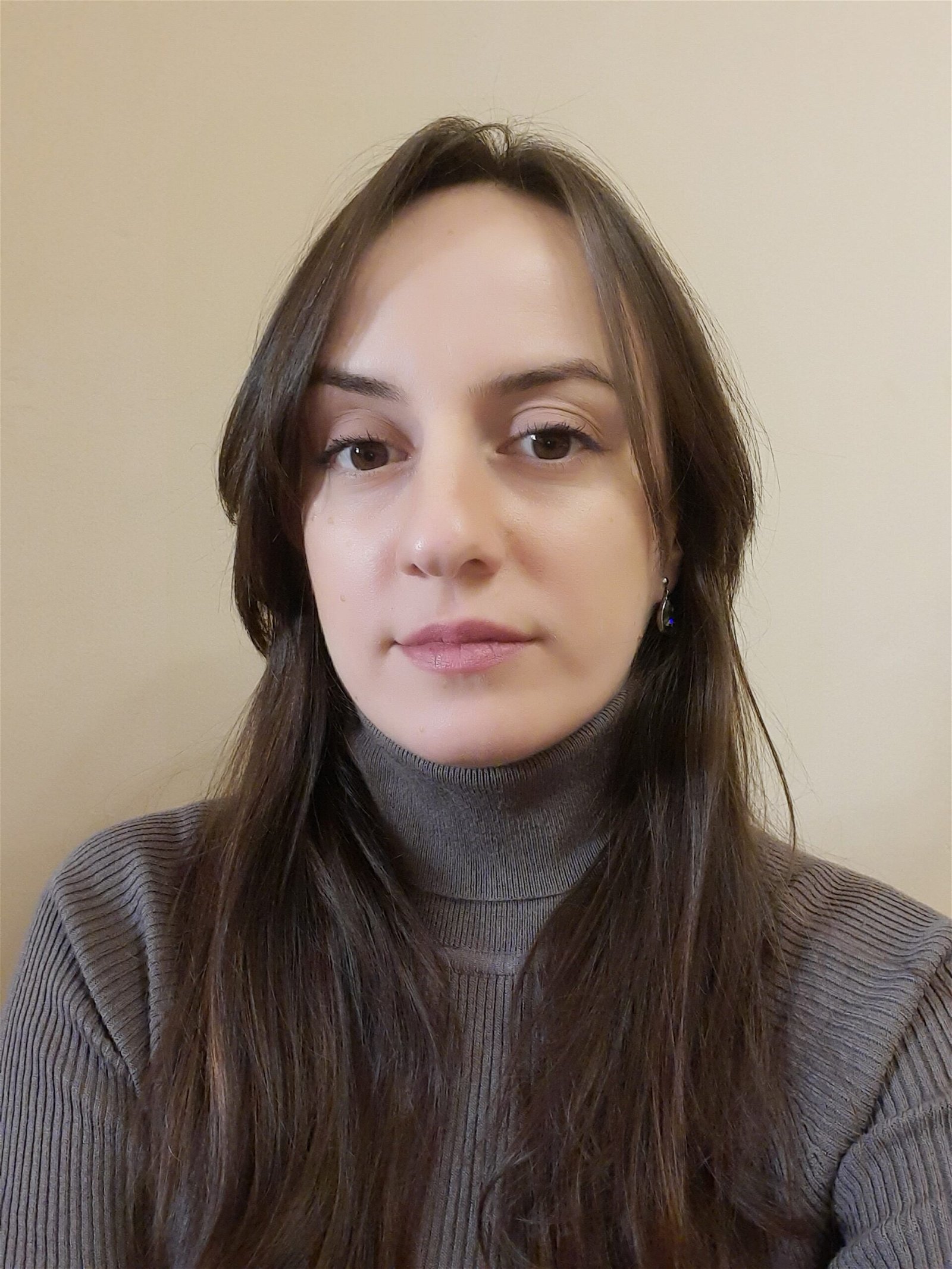 Ani Mirzoyan
After the war, I started looking for different opportunities, and a friend sent me a link to the QA school at DataArt. I sparked with enthusiasm when I arrived at the company’s office and saw how well everything was organized there. It is so comfortable – there is a kitchen, there is a place to relax, to play sports. I loved the freedom!
The course was challenging but exciting. I am now taking the second advanced QA course in preparation for the International Software Testing Qualification Board certificate. I’m also looking for a part-time internship to gain practice.
This course taught me a lot professionally and changed my worldview. In Armenia, it is commonly believed that one can get a good job only through acquaintances and connections, but I want to achieve everything myself. During the course, I was convinced that if you study well, everything will work out. At the end of school, there was a lesson on how to behave and present yourself during a job interview. Our teachers told us their professional stories. It was inspiring and motivating, because they could find a great job independently, without any acquaintances, through their efforts and knowledge.
I am very grateful to DataArt. It was like a ray of light in this difficult moment for all the participants. After the war and the darkness we went through, these lessons became faith in something good, a hope that life goes on and everything is possible; you have to believe and go to your dreams.
Marta Arakelyan
Artsakh was a paradise for us. Our children grew up without fear. We had a stable life, and then everything turned upside down. It is tough for me to talk about last year’s events. It was tough.
I graduated from a foreign language university and worked first as a translator and then as customer support in telecom. We are building our whole life anew, and working in such circumstances is challenging. But joining the school and learning something new was the most brilliant idea.
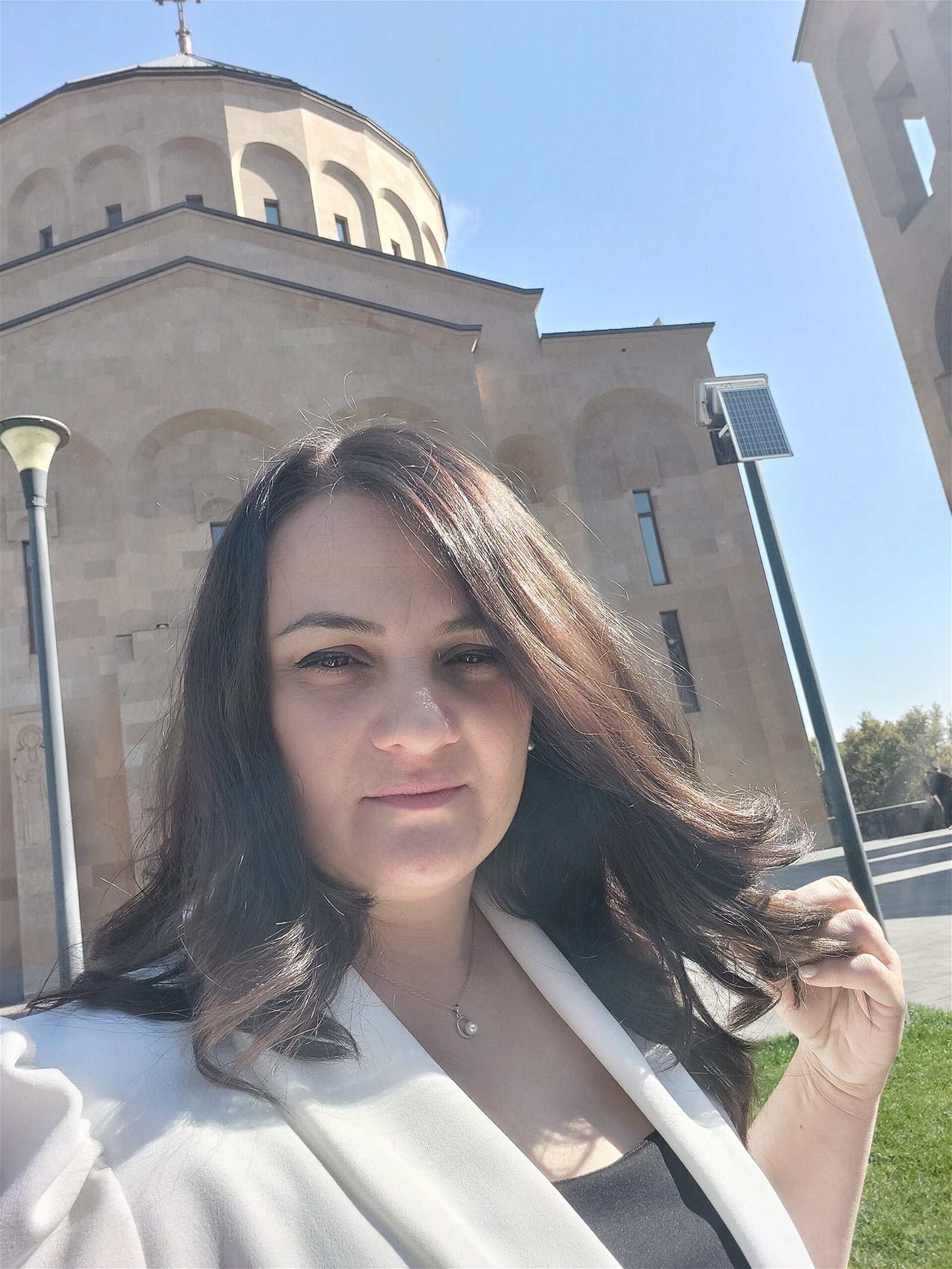 Marta Arakelyan
We were fortunate to have such a teacher. Yuri Tsyganenko is a skilled teacher and a strong expert in his field. We all looked forward to our lessons, a chance to get out of the house, distract ourselves and do something interesting. The whole DataArt team has been so friendly and supportive. Just what we needed during this period.
We are still in contact with our whole group, so besides a new profession, we have also acquired a community!
Author information

Guest Contributor
Guest contributions to the Armenian Weekly are informative articles or press releases written and submitted by members of the community.
|
The post Education and post-traumatic recovery for women from Artsakh appeared first on The Armenian Weekly.
Armenia affected by sanctions against Russia
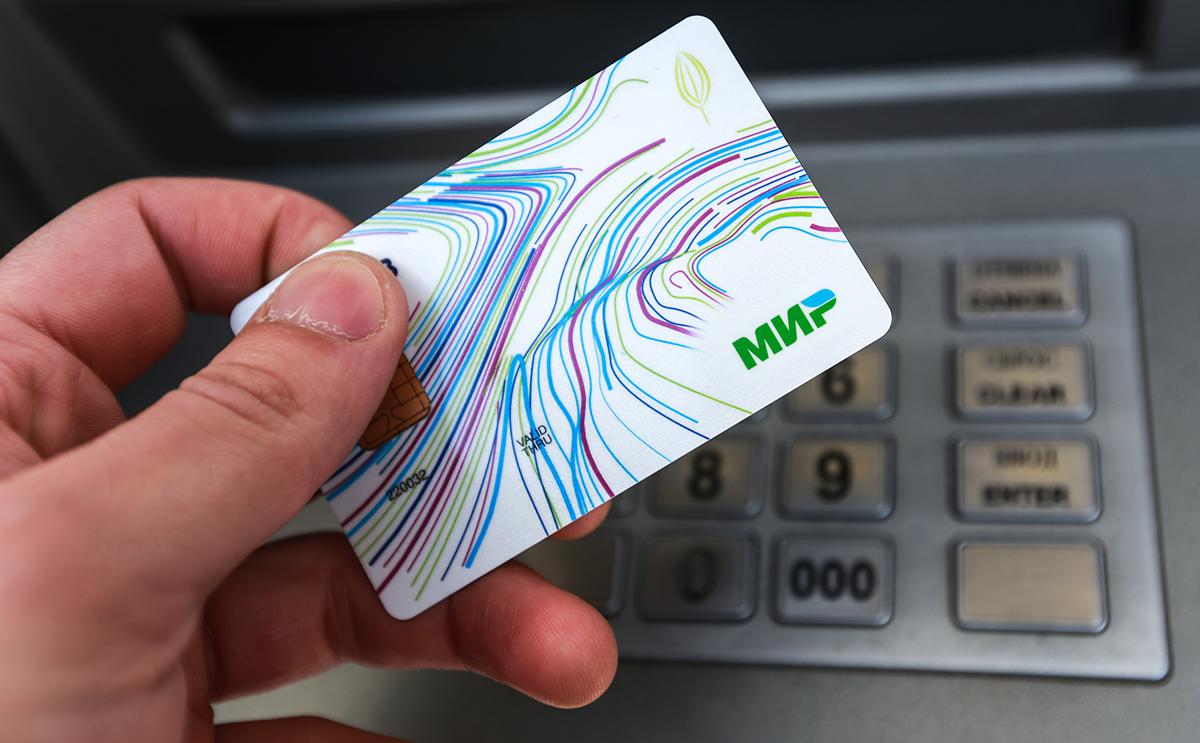
Armenian banks stopped servicing “Mir” cards from March 30. Only VTB-Armenia, a subsidiary of the Russian VTB Bank, continues operations through the “Mir” system.
“MIR” is a Russian national payment system introduced in Armenia since 2017. In February, it came under U.S. scrutiny for allegedly helping Russia bypass sanctions and maintain ties with the international financial system.
Commercial banks terminated cooperation with the “Mir” system fearing sanctions. According to the Armenian Banking Association, this is linked to the package of sanctions imposed by the U.S. Department of the Treasury in February. The Central Bank of Armenia stated that commercial banks independently decide which payment systems to cooperate with based on their risk management strategy.
Armenian economists speculate that this decision could seriously impact the country’s economy. However, some view it as the “lesser evil” compared to the potential consequences of rejecting international standards.
Commenting on this decision, Dmitry Peskov, the spokesperson for the Russian president, stated that he does not consider the decision to stop servicing “Mir” cards as an “unfriendly” move against Russia. He believes it is a result of the unprecedented sanctions pressure exerted on Armenia by the United States.
- “Russia abandoned us at the most critical moment,” said the speaker of the Armenian Parliament
- “Armenia can ensure the security of its airport on its own”: Russian border guards will leave Zvartnots
- “Don’t tease Russia”: Analysts on the small steps policy of the Armenian authorities
Comments
Armenian banks are simply trying to avoid Western sanctions, according to economist Suren Parsyan.
He emphasizes that Armenia remains heavily dependent on the Russian economy, which could lead to a crisis.
Before the Russian-Ukrainian war, around $1 billion was annually transferred from Russia to Armenia, claims Parsyan. However, in 2023, individuals alone transferred nearly $3.9 billion from Russia to Armenia.
“Out of these $3.9 billion, $3.1 billion were transferred for commercial purposes, meaning individuals from Russia purchasing goods, clothing in Armenia. Of course, a significant portion of these $3.1 billion was transferred through ‘MIR’ cards,” explained the economist.
According to him, the use of these cards revitalized trade and public services in Armenia.
The West imposed sanctions on Russia’s financial and banking system due to the Russian-Ukrainian conflict, the expert reminds. “MIR” cards ceased to operate in all Western countries, and even Kazakhstan completely abandoned them.
“Sanctions against ‘MIR’ cards are tightening every day. Certainly, Armenian banks could not stay away from this process. Under pressure from the West, commercial banks in Armenia declare that they are discontinuing their service,” says Parsyan.
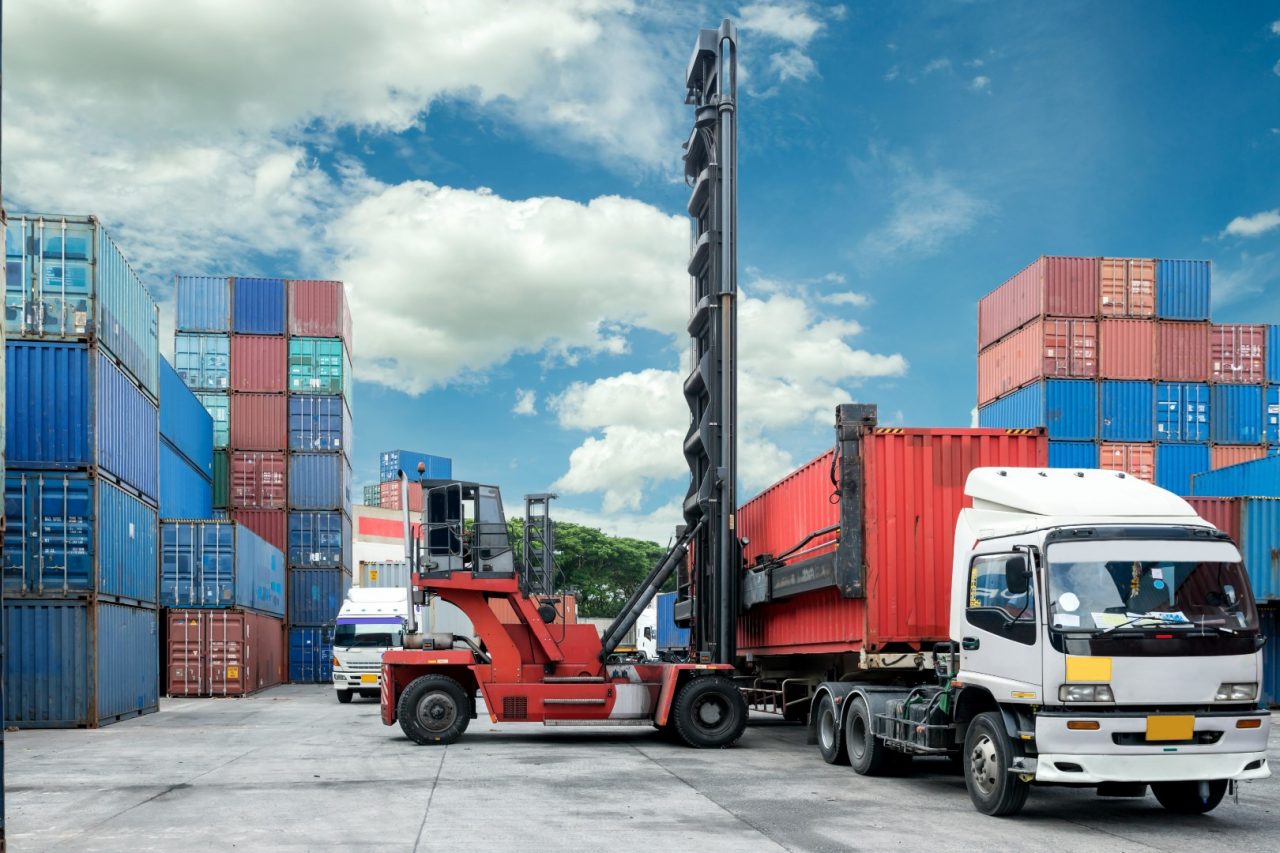
The cessation of operations with “MIR” payment system cards may cause complications for Armenian exporters, believes economist Agasi Tavadyan. He says that 43 percent of Armenia’s exports go to Russia, so Armenian businessmen may face difficulties:
“The problem is that Russia is currently cut off from the global financial systems. International cards don’t work there. This will create additional challenges for Armenian businessmen and lead to increased incidental expenses.”
Agasi Tavadyan warns that as a result of this decision, many businessmen working in the Russian market will have to abandon other banks and use the services of “VTB-Armenia.”
The economist believes that Armenian banks are “between a rock and a hard place”:
“On one hand, they are forced to stop servicing ‘MIR’ cards, which will lead to the aforementioned problems. On the other hand, continuing to service these cards entails the risk of sanctions being applied to them.”
In his assessment, the cessation of “MIR” card servicing in Armenia could also negatively impact domestic trade:
“In 2022, around 130,000 repatriates arrived in Armenia. Now, most of them have returned to Russia or moved to other countries where conditions are better. The situation in Armenia will complicate money transfers and banking operations, which could lead to additional outflow of repatriates.”
Girchi calls for an end to gender quotas in Georgia
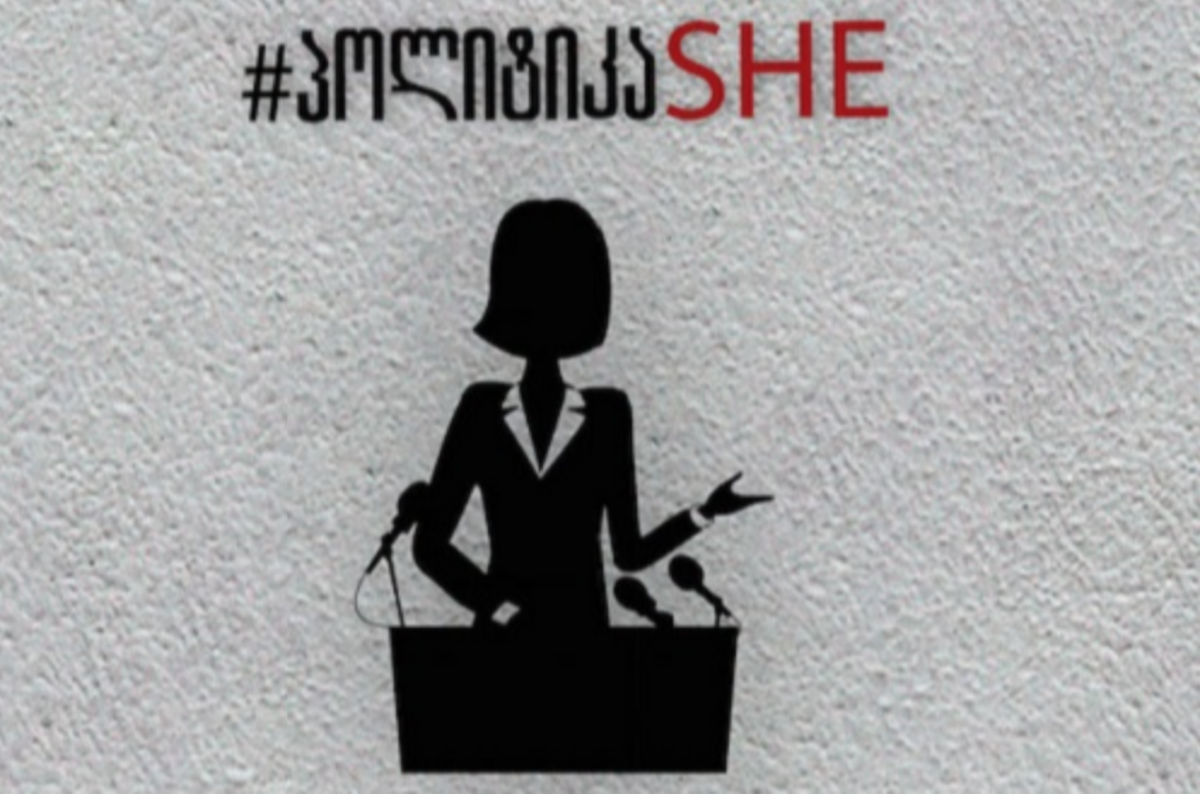
Georgia’s opposition party Girchi has spearheaded a move to eliminate gender quotas from the composition of electoral lists for political parties vying for parliamentary seats. Leaders argue that mandated gender quotas impede women’s full participation in parliamentary affairs.
Girchi believes that assessing individuals’ capabilities based on gender is unjust, and such barriers should be eradicated.
Furthermore, party representatives pledged their support to the ruling party in electing the chairman of the Central Election Commission, provided the quota is revoked.
In February 2023, Parliament passed amendments to the electoral code regarding gender quotas in a first reading, expedited manner.
According to the amendment, to encourage women’s participation in politics, a party contesting elections must submit a party list to the Central Election Commission (CEC) where every fourth candidate is a woman.
Otherwise, the CEC will not approve the list, and the party will be ineligible to participate in the elections.
Gender quotas exist in many countries worldwide, including in European nations, and are considered a temporary measure. Once gender balance is restored, the need for quotas will diminish.
“The mechanism of gender quotas serves as a limitation for both political parties and representatives of the gender for whose rights and opportunities this norm was created.
Forming political party lists based on gender lacks logical justification. With such artificial intervention, women’s participation in politics will never take serious shape. The goal of the bill is to help women in politics avoid reputational damage caused by quotas.
Gender quotas further reinforce existing stereotypes about women, making it difficult to perceive women as fully-fledged political players,” the explanatory note stated.
Gender quotas in Georgia. The arguments of supporters and opponents
A step forward in protecting women’s rights? Debates over gender quotas rage

Girchi calls for an end to gender quotas in Georgia