A court in Kazakhstan has convicted three former police officers on charges of committing acts of torture in the wake of the political unrest that roiled the country in early January 2022.
 The South Caucasus News - SouthCaucasusNews.com
Azerbaijan-Armenia peace negotiations
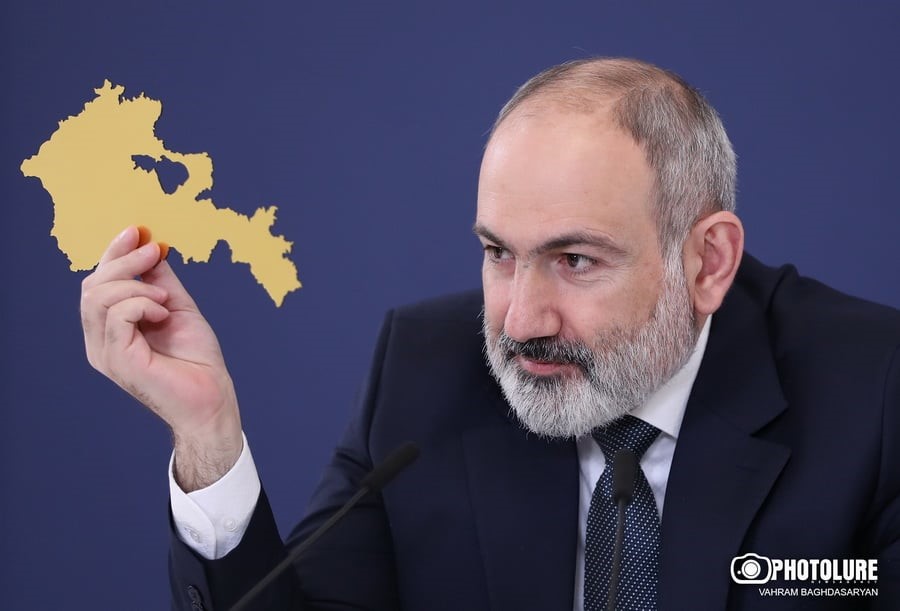
Armenia has agreed to separate the signing of the peace treaty from the boundary delimitation and demarcation process. This was deduced by military-political analyst Armine Margaryan from prime minister Nikol Pashinyan‘s comments at his recent press conference.
“We’re sacrificing a crucial issue, fundamentally altering our negotiation process with Azerbaijan. This might allow us to sign a peace agreement. However, it would essentially be a worthless piece of paper,” she emphasized.
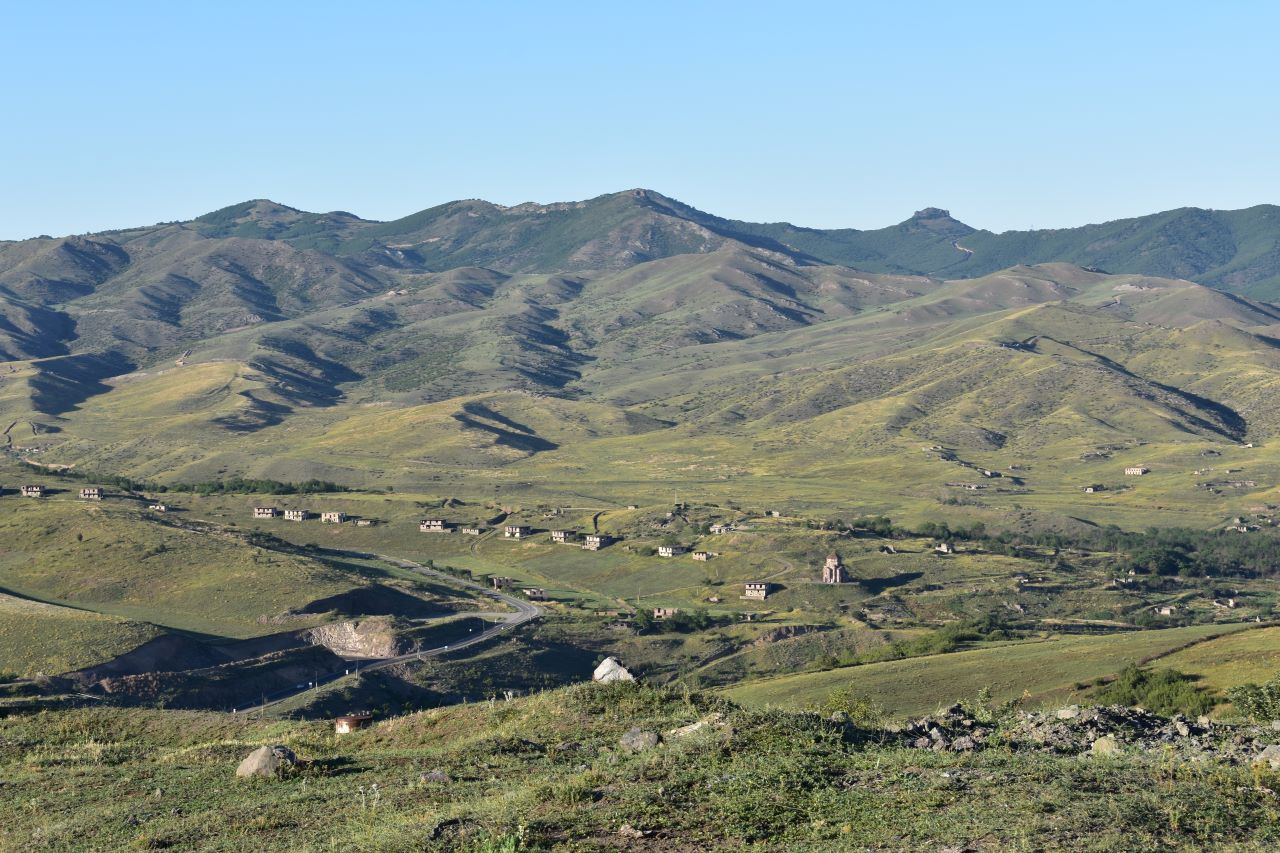
During an interview with a local media, Margaryan also voiced concerns about the risks associated with transferring four non-enclave villages to Azerbaijan. She sees Armenia as making one-sided concessions, acceptable only if Armenian authorities were receiving security guarantees in return and understood “the price they were paying.”
According to the expert, the Azerbaijani side wants a potential peace agreement to only include well-known principles of international law:
“The substantive issues, particularly those related to delimitation and demarcation, would be addressed after the peace agreement is signed.”
The Armenian side has long opposed this. Yerevan insisted that the document should establish principles for delimitation to be conducted upon. This includes, in particular, mutual recognition of territorial integrity based on the Alma-Ata Declaration, which should serve as the political basis for the delimitation process. Margaryan considers this position of Armenia to be “legitimate and objective.”
“The prime minister’s press conference revealed that we’ve agreed to separate the peace agreement from the boundary discussions. We’ve moved away from our initial stance because the talks were going nowhere,” the expert states.
She points out that Pashinyan focused solely on Yerevan’s actions, even suggesting, “Let’s leave Azerbaijan out of this for now and consider our own position.”
Armine Margaryan therefore concludes:
“It’s clear Yerevan is making one-sided compromises. We could spin it differently, claiming we don’t want to halt the process. But really, these one-sided compromises mean the peace deal will be just what Baku wants—a basic framework.”
The expert interprets Pashinyan’s suggestion to start border discussions in the Tavush area and adjust infrastructure within Armenia’s legal borders as signs of these compromises.
Margaryan thinks that Armenia’s leaders have stopped trying to get Baku to agree to the Alma-Ata Declaration as a negotiation base. Instead, they’ve “decided to do their homework,” meaning they themselves accept it as the political basis for demarcation and “formally delineate Armenia’s borders.”
“The price for becoming an EU membership candidate?”
According to the expert, Armenian authorities believe that by separating the border demarcation and delimitation process from the peace agreement – essentially paying this price – the country will become a candidate for EU membership.
However, she emphasizes that if Armenia makes territorial concessions in Tavush, it will find itself in an even more vulnerable position. She warns, “Tavush could become the next Syunik,” referring to areas where Azerbaijani forces have already advanced into Armenia’s sovereign territory and taken strategic heights.
Armine Margaryan is convinced that these concessions will be permanent, “this won’t be the last price” to be paid:
“Baku will take these four villages and add them to its enclaves. And when Armenia brings up Artsvashen [its own enclave currently controlled by Azerbaijan], Baku will say: okay, you want a road to Artsvashen, I want an extraterritorial road to my exclave, Nakhchivan. They’ll suggest thinking about a similar communications regime. Azerbaijan will never stop. Therefore, along with concessions, Yerevan should secure solid guarantees from Europe and the US.”