
Ankara and Baku are very close to the opening of the Zangazur corridor, Report informs, citing Turkish portal Haber7.
Day: February 10, 2024


Azerbaijani President Ilham Aliyev broke international law when he ordered his deadly assault of Artsakh last year, COngressman Frank Pallone said in a post on X.
“He still has not faced any meaningful consequences for his genocidal campaign that has displaced 120,000 Armenians from their historic homeland even though it was clear an attack was imminent,” Pallone noted.
“It’s past time for the U.S. to take action to hold Aliyev accountable. That’s why I’m the leading Democrat on the Armenian Protection Act, which will halt all further U.S. security assistance to Azerbaijan and require proof that they can be a trustworthy party in peace negotiations,” Rep. Pallone said.
Congressman Michael Lawler (R-NY) joined with a bipartisan group of Armenian Caucus colleagues in introducing the “Armenian Protection Act” (H.R.7288) – a bill aimed at stopping U.S. military aid to Azerbaijan. Its Senate counterpart (S.3000), spearheaded by Senator Gary Peters (D-MI), was adopted unanimously last year.
Representative Lawler co-authored this legislation with Armenian Caucus Co-Chairs Frank Pallone (D-NJ) and Gus Bilirakis (R-FL) and fellow first-term legislator Gabe Amo (D-RI). If and when adopted and enacted into law, the Lawler-Pallone-Bilirakis-Amo Bill will tighten the existing statute restricting U.S. aid to Azerbaijan – Section 907 of the FREEDOM Support Act – substantively limiting the authority of the President to waive its full enforcement.
В интервью Карлсону “мы видели реального Путина, которого интриги польских королей против гетмана действительно занимают больше реальных дел”, – пишет Константин Эггерт в колонке. По его мнению, “человек, считающий самого себя фигурой, равной по значимости Екатерине Великой,… pic.twitter.com/v64PSs9Wjh
— DW на русском (@dw_russian) February 10, 2024
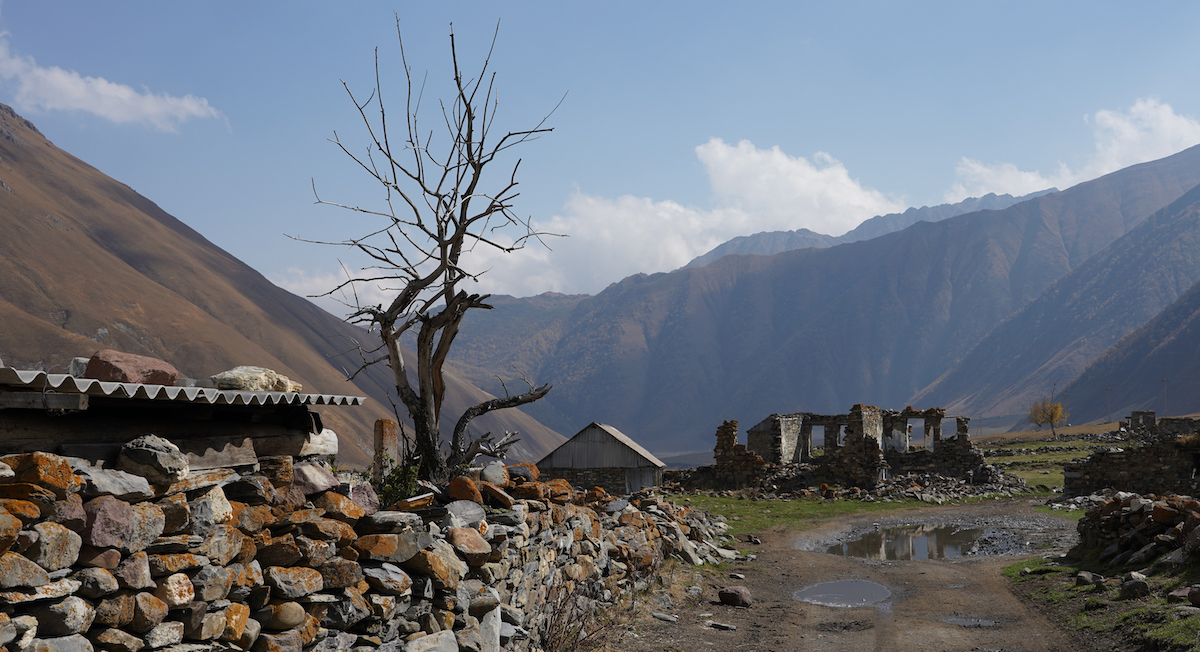
Truso Valley. Photo: David Pipia/JAMnews
After the Georgian-Ossetian conflict of the 1990s, tens of thousands of ethnic Ossetians left Georgia, leaving behind real estate. In 2006, Georgia passed a law aimed at addressing restitution and compensation for these individuals. The law mandated a special commission to decide on property return within a short period, but it remained unimplemented. Today, the only recourse for ethnic Ossetians seeking to reclaim their properties is through lengthy court proceedings.
Land of abandoned villages
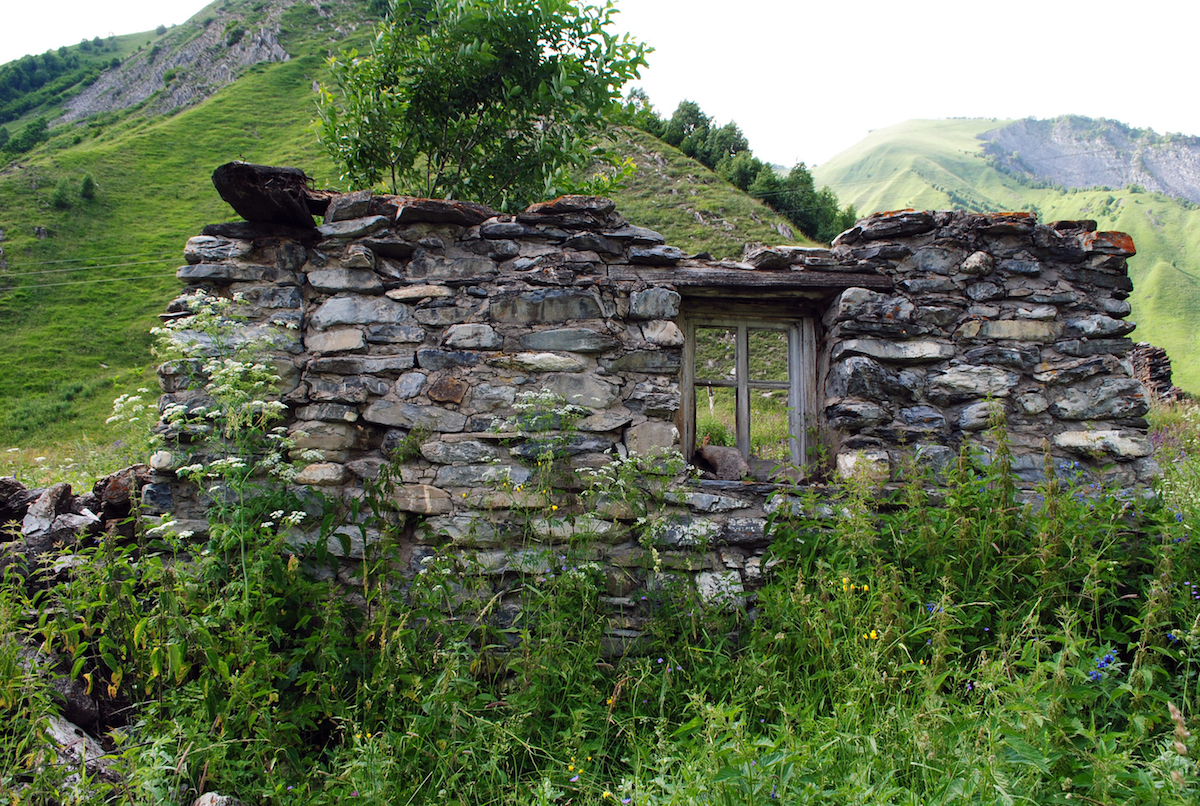
Stories from the deserted Truso Gorge, where Ossetians and Georgians once lived together
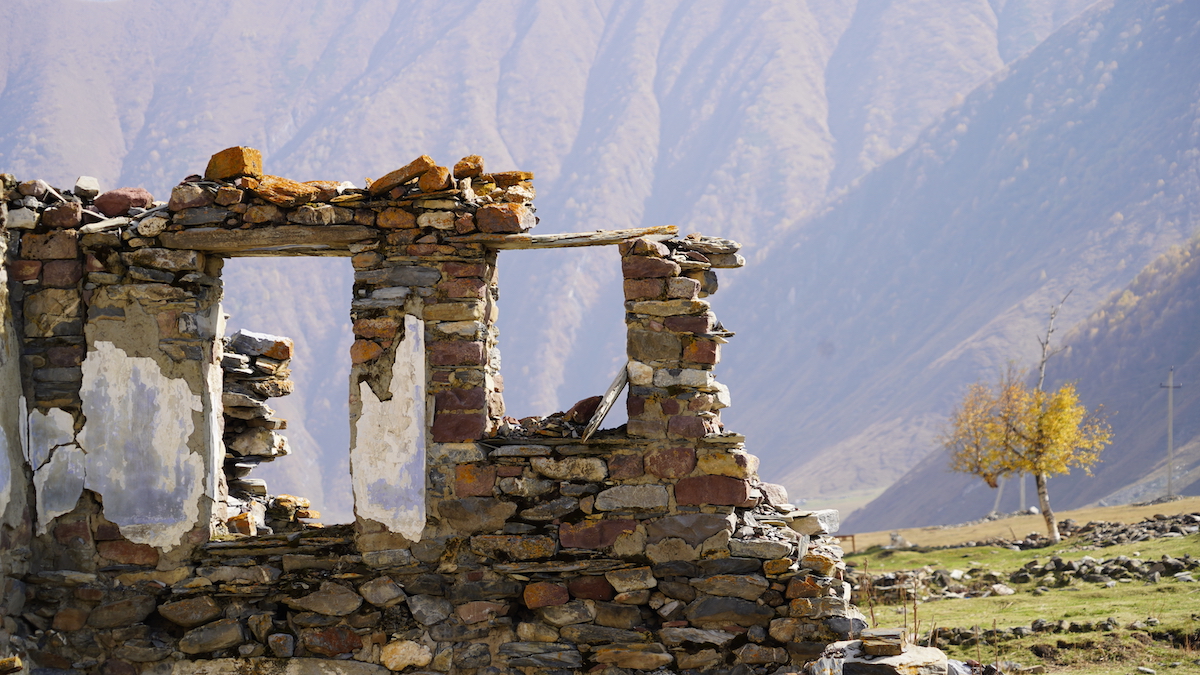
Ossetians who departed Georgia during the 1990s face challenges in reclaiming or retaining their citizenship.
Furthermore, the “Human Rights Center,” a public human rights organization, has examined such cases. Their findings indicate that when ethnic Ossetians express a desire to reclaim their property or restore their citizenship in Georgia and initiate legal proceedings, they are placed on a blacklist. Consequently, they are barred from entering Georgia.
Why does this occur? What threat does the Georgian state perceive, and what avenues do Ossetians have to pursue the restitution of their property or citizenship? How does legislation address these matters, and why has the law, intended as an expedient mechanism, proven ineffective?
As a consequence of the armed conflict and ethnic tensions in Georgia from 1989 to 1992, the ethnic Ossetian population residing in the country encountered numerous difficulties. Approximately 70,000 ethnic Ossetians were compelled to abandon their property and relocate abroad due to ethnic persecution. Conversely, around 12,000 Georgians fled their homes in the conflict-affected areas.
According to the 1989 census, Georgia was home to over 164,000 Ossetians, with 65,000 residing in the South Ossetian Autonomous District and up to 99,000 dispersed throughout the rest of the country.
As per the latest available census data from 2014 (excluding the Tskhinvali region due to Georgia’s lack of jurisdiction there), there are 14,385 ethnic Ossetians residing in Georgia. Some of the Ossetians who emigrated express a desire to return to Georgia and reclaim their abandoned property. However, this process is fraught with challenges.
As per the latest available census data from 2014 (excluding the Tskhinvali region due to Georgia’s lack of jurisdiction there), there are 14,385 ethnic Ossetians residing in Georgia. Some of the Ossetians who emigrated express a desire to return to Georgia and reclaim their abandoned property. However, this process is fraught with challenges.
Denial of Citizenship Restoration: Specific Cases
Murat (name changed) was born in Tbilisi. During the events of the 1990s, he had to relocate with his parents to Vladikavkaz. His parents acquired Russian citizenship during that time. As a minor at the time, Murat did not receive citizenship.
Subsequently, the family returned to Tbilisi, but following the 2008 war, they relocated to Russia once again. By then, Murat had acquired Russian citizenship. While in his final year of schooling, Murat submitted his documents to a school in the Akhalgori district, an area not under Georgian control.
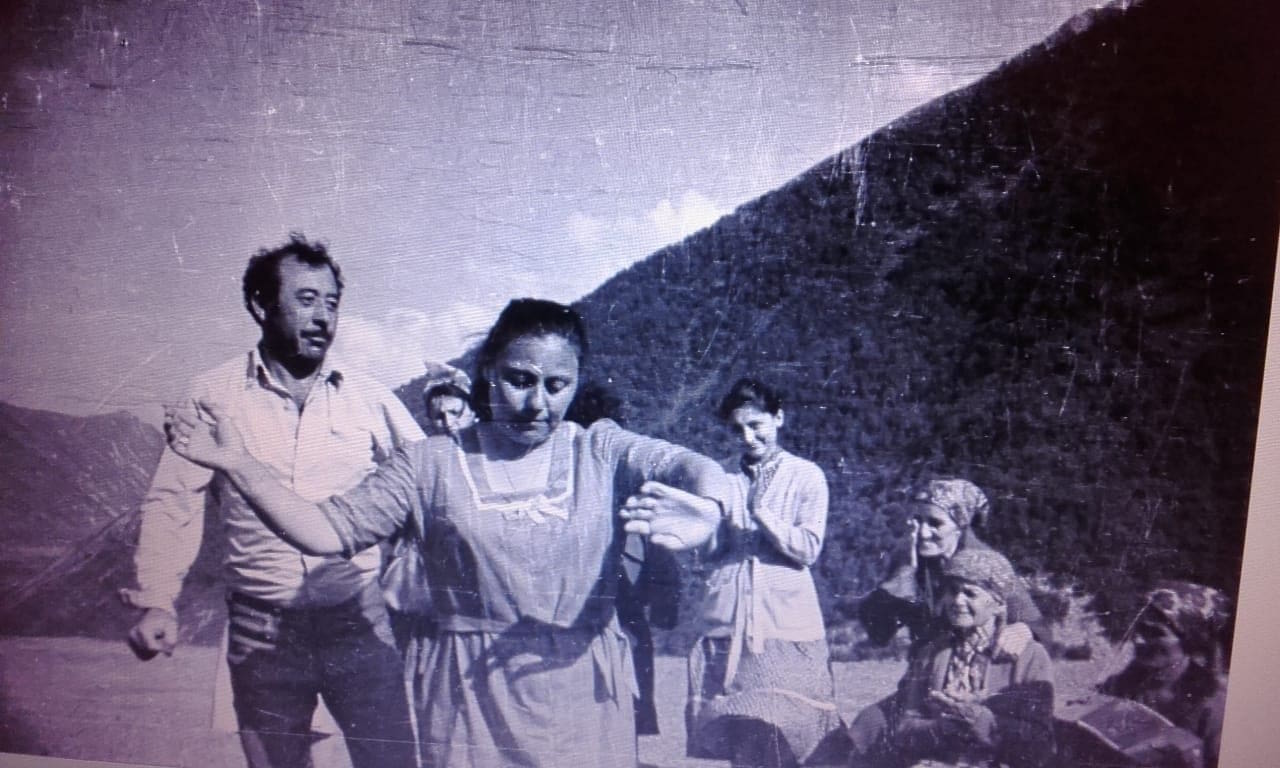
“My out-of-reach Ossetian house in Georgia” – stories from the Truso gorge on the border of North Ossetia and Georgia
After completing his secondary education, Murat first enrolled in a Moscow university and later in the Technical University of Georgia. During this time, he held dual citizenship: Russian and Georgian. In an effort to retain his Georgian citizenship, Murat applied to the Ministry of Justice. However, his application was rejected, and the reason for this refusal remains unknown, as it is not specified by law.
Murat is married to a Georgian citizen, and their son was born in Georgia. Despite residing in the country, Murat remains without citizenship.
Similarly, Bimbolat (name changed) has also been denied citizenship. Born and raised in Georgia, he was compelled to leave the country in 1999 and relocate to Russia with his parents. Despite having close relatives in Georgia and inheriting real estate in Batumi from his mother, he was unable to obtain citizenship. Although he speaks Georgian fluently, he struggles with reading and writing, and his application for citizenship was rejected due to his failure to pass the mandatory exam.
Passing exams in the Georgian language, history, and basics of law is a prerequisite for acquiring citizenship. For instance, in history, applicants must demonstrate knowledge spanning from “Zezva and Mzia” – early ancestors of modern humans in Europe who inhabited the region of present-day Georgia – to the “Rose Revolution.”
In contrast, Aluda (name changed), who currently holds both Georgian and Russian citizenship, is hesitant to even apply to retain his Georgian citizenship due to reasonable doubts about potential denial.
In 2022, the “Human Rights Center” conducted a study on the challenges faced by Ossetian citizens affected by conflict in Georgia concerning the acquisition of Georgian citizenship and the restitution of their property.
Experts and lawyers collaborated on the research conducted within the framework of the project “Dialogue on Common Problems of the Georgian and Ossetian Peoples.”
The document is comprehensive, analyzing various aspects. It delves into the potential avenues for the restoration of Georgian citizenship for the ethnic Ossetian population. Additionally, it addresses issues surrounding the protection and registration of property rights in Georgian-controlled territory. The analysis extends to the examination of laws pertaining to restitution and compensation, drawing from international experiences. Furthermore, the document presents recommendations whose implementation could substantially alter the current practices in this domain.
A law that remains stillborn: Hindrances to property recovery.
In 1999, upon joining the Council of Europe, Georgia committed to enacting a law concerning property restitution and compensation for individuals impacted by the conflicts of the 1990s.
In December 2006, the Parliament of Georgia passed the Law on Property Restitution and Compensation for Individuals Affected in the Territory of Georgia as a Consequence of the Conflict in the Former South Ossetian Autonomous District.
Such legislative measures or similar legally binding instruments are recognized internationally.
In Bosnia and Herzegovina, the General Framework Agreement for Peace, commonly known as the Dayton Agreement, was signed. It stipulated that war-affected populations should have the right to freely return to their home country and reclaim their lost property.
To facilitate this process, a Commission for Property Disputes of Displaced Persons and Refugees was established. This commission handled each claim individually and issued up to a thousand decisions per month.
Following the Dayton Agreement, 250,000 refugees and displaced persons were able to return to their permanent residences in Bosnia.
In Tajikistan, problems with property restitution arose during the internal conflicts of the early 1990s. During this time, approximately 60,000 internally displaced persons (IDPs) and refugees relocated to Afghanistan, while 500,000 fled to the capital, Dushanbe, or sought refuge in mountainous areas.
Abandoned houses were frequently occupied by members of rival groups. In order to restore the property to its rightful owners, authorities implemented several regulations. These included the law on the return of unlawfully seized houses and a special decree aimed at facilitating the return of refugees and internally displaced persons of the Republic of Tajikistan to their permanent places of residence.
These measures compelled illegal occupants to vacate the houses. Within a few months, nearly all such properties were emptied, allowing their rightful owners to reclaim them.
Alexi Merebashvili, a lawyer at the Human Rights Center, explains that the restitution law enacted in Georgia extends to all individuals who suffered from the conflict and were compelled to leave their homes. This encompasses individuals who departed from Georgian-controlled territories, ethnic Ossetian citizens, or Georgians residing in the occupied territory. These are individuals who were forced to abandon their homes due to the challenging circumstances.
The law includes provisions for the establishment of an expedited mechanism for property return.
According to the law, a special nine-member commission is tasked with addressing the property and citizenship concerns of conflict victims. The commission is designed to be tripartite, comprising representatives from the Georgian and Ossetian sides, along with international experts.
“The commission essentially functions as a quasi-judicial entity. It convenes upon an appeal from the victim to examine a specific case,” explains Alexi Merebashvili.
If the commission determines that the applicant rightfully owns certain property and that the property still physically exists, it is obligated to facilitate its return. However, if it is discovered that the property has another legal owner, the state must provide that owner with an alternative property or monetary compensation in exchange for relinquishing the original one.
What impedes the enforcement of the law?
However, the law is ineffective. Since its inception, the restitution commission has never convened.
Experts point out several factors that obstruct the enforcement of the law, including the tripartite structure of the commission.
Given that the restitution commission requires representatives from the Ossetian side, involvement from the de facto government of Tskhinvali in this process is practically unattainable. Additionally, the involvement of representatives from an international organization, as noted by Mikhail Jahua, one of the study’s authors, remains unclear.
Moreover, since the enactment of the law, the state has neglected to secure the necessary funds for its implementation. Since 2006, not a single tetri has been allocated in the country’s budget for this purpose.
This situation leads experts to believe that Georgia merely adopted the law as a formality, fulfilling obligations without ensuring its actual execution by any government.
“One of the main issues with this law is its lack of adaptation to the altered circumstances. Enacted before the 2008 war, the conditions and realities outlined within it render its implementation nearly impossible,” explains Michael Jahua.
Given the stillborn nature of this law, the sole recourse is to petition the courts of Georgia and reclaim property in accordance with standard legal procedures. We refer to the laws applicable in typical cases, such as when someone unlawfully seizes our property.
“This indicates that the process will prolong for years,” remarks Aleksi Merebashvili.
In his experience, there’s a case where an ethnic Ossetian emerged victorious. It involved a court ruling for the eviction of an unscrupulous owner. However, presently, the execution phase is experiencing delays.
Furthermore, complications arise in locating documents, in addition to the procedures stipulated by regular legislation. To formalize ancestral property, an individual requires numerous documents, such as extracts from the house registry and the deed of sale, verifying ownership by a specific individual at the time.
“In Georgia’s case, obtaining documentation isn’t an issue, but with Ossetians, we’ve encountered significant challenges. There’s a suspicion that documents pertaining to ethnic Ossetians were deliberately destroyed,” explains Aleksi Merebashvili.
Why is it important to enact legislation? How can defects be rectified?
Aleko Tskitishvili believes that, from the perspective of peace and rebuilding trust, the implementation of this law will be the most crucial step for the state:
“At the very least, we can engage in dialogue with the opposing side, demonstrating our commitment by returning those who were displaced due to our actions to their homes. We anticipate further progress in this regard,” he stated.
He also suggests that the law could be amended or that a separate regulatory measure could be introduced to address its shortcomings.
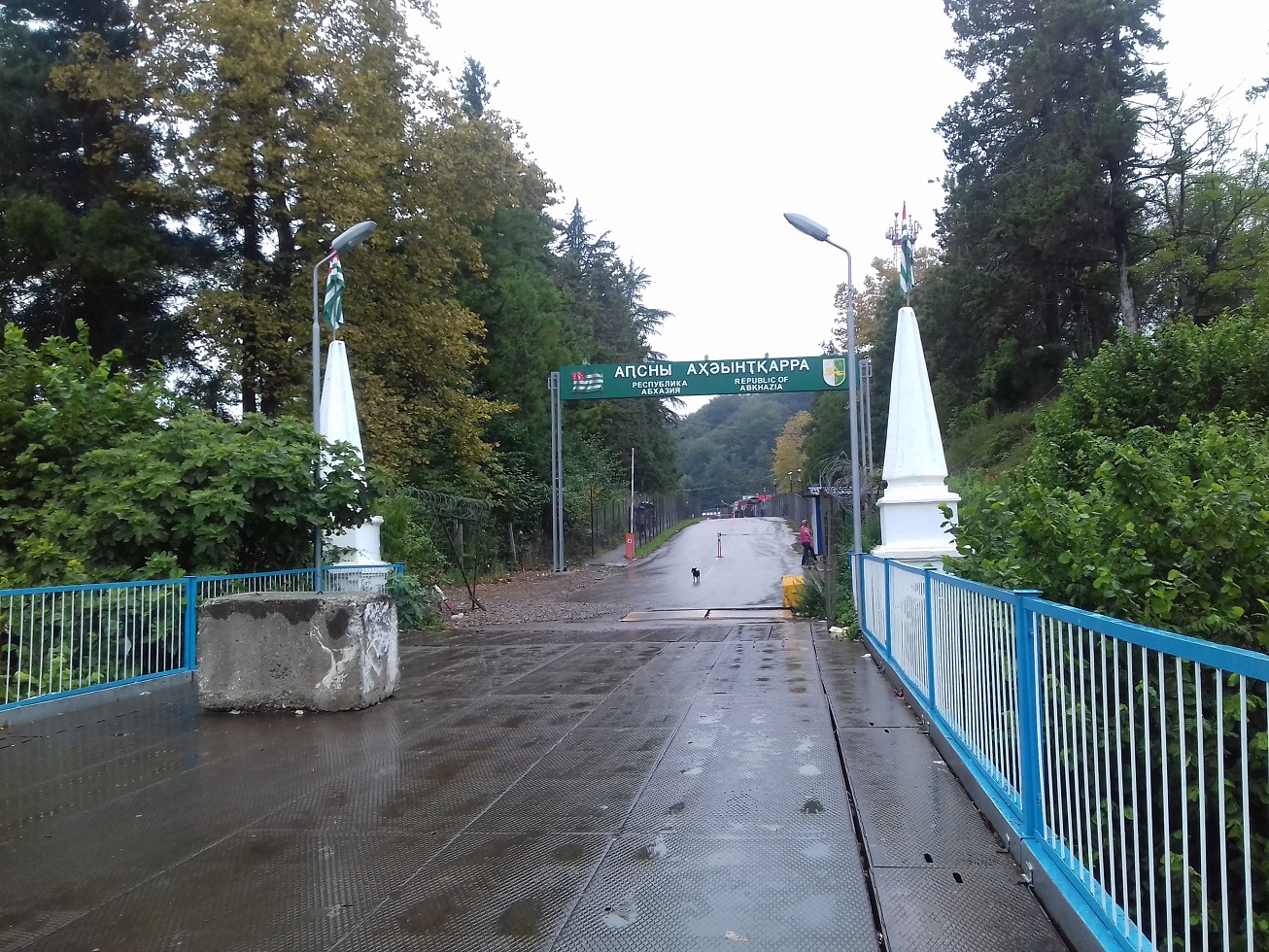
“The Human Rights Center is currently drafting a document aimed at navigating through this deadlock.
Specific details remain undisclosed – whether it will entail a new bill for parliamentary submission or amendments to the existing legislation. Nonetheless, various arguments support several potential avenues.
For instance, the initiation of the process should occur within areas under Georgia’s jurisdiction. Furthermore, considering the government’s constraint in establishing a trilateral commission, the head of the interim administration of South Ossetia should serve as the representative for the Ossetian side.
“This individual, having been born and raised in Georgia, possesses an intimate understanding of these issues,” states Aleko Tskitishvili.”
He notes that the issue arises from the fact that some citizens residing in South Ossetia find it unacceptable for their interests to be represented by a state institution in Tbilisi – the temporary administration of South Ossetia:
“Nevertheless, the solution likely requires a compromise; no solution can cater to everyone’s preferences.”
“The aim is to establish a mechanism that can function even within the current circumstances,” states Mikhail Jahua.
Otherwise, as Alexi Merebashvili highlights, there’s a risk that citizens whom Georgia could potentially accommodate may miss out on the opportunity to reclaim property rights.
Experts concur that with the state’s determination, a resolution can be reached.
“There is indeed significant interest among the Ossetian population in returning to their villages from which they were once displaced. With Georgia now a candidate country for EU membership and potentially becoming a member in the coming years, this interest is likely to intensify,” states Aleko Tskitishvili.
“We are unaware of the Georgian government’s stance on this matter. For two weeks, JAMnews has attempted to obtain answers from both Giorgi Volski, Chairman of the temporary commission on the restoration of territorial integrity and de-occupation of the Parliament of Georgia, and any members of this commission. Unfortunately, our efforts have been fruitless.
At present, we only know that none of the authorities have been involved in rehabilitating the ethnic Ossetian population affected by the conflict or restoring their honor, dignity, and property rights. The state does not even maintain statistics, leaving us unaware of the number of individuals who departed Georgia between 1989 and 1992, nor has any action been taken to account for the property they left behind.
Furthermore, we lack information regarding the number of ethnic Ossetians who have applied for Georgian citizenship thus far, as neither the Presidential Administration of Georgia nor the Agency for Development of Public Services distinguishes this data. These individuals are included in the statistics of persons holding Russian citizenship.”
This article was prepared as part of the information support provided by the Human Rights Center.
Ossetian Real Estate in Georgia
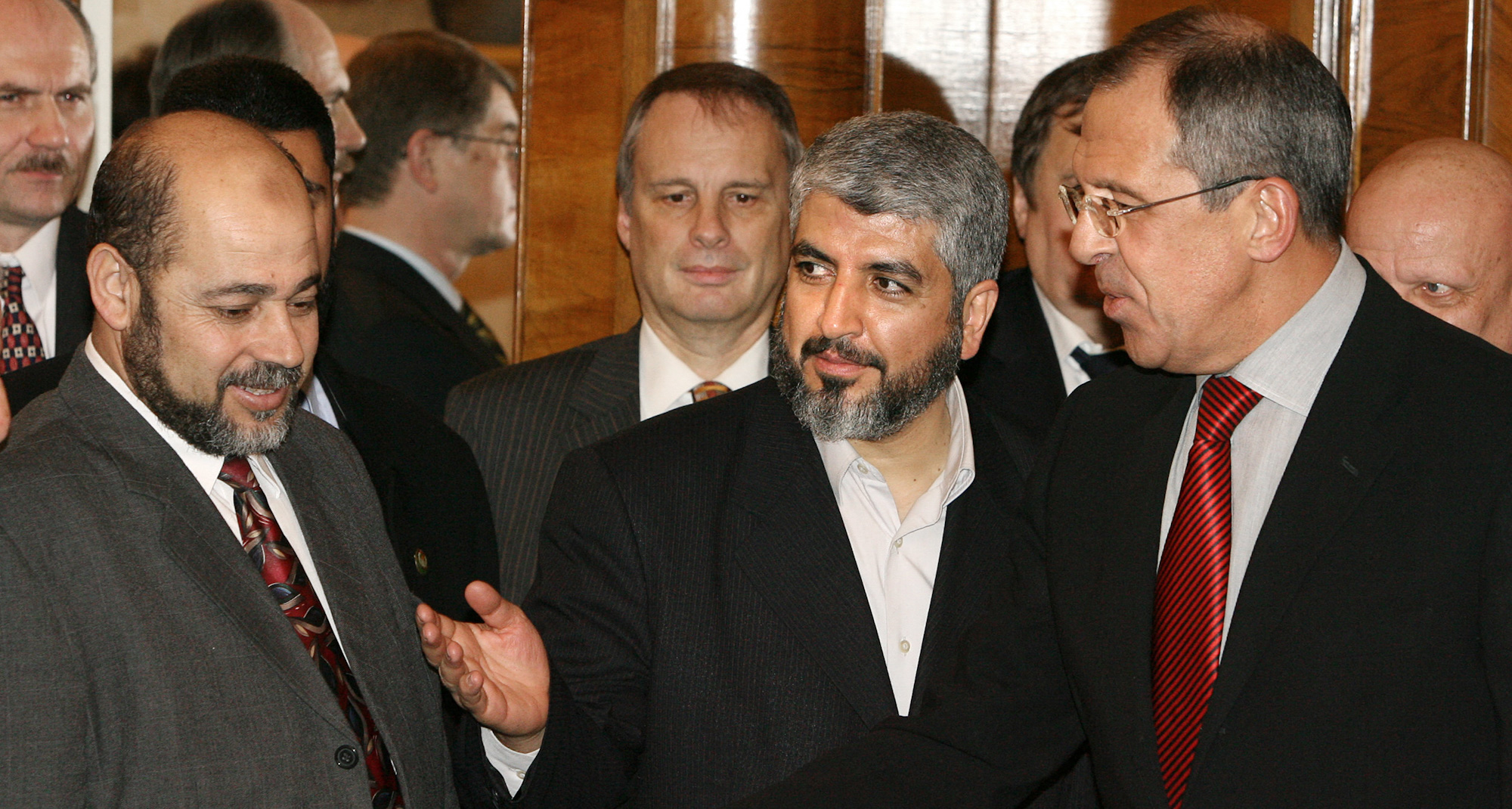
As the war in Gaza continues to unfold, essential questions about Russian and Iranian support for Hamas remain. They include whether Russia played any role in providing support to Hamas ahead of its Oct. 7 attack on Israel. Evidence available from foreign-language publications in Russian, Persian, Arabic, and Hebrew, as well as those in English, provides provocative leads, which, if accurate, have serious potential implications.
A long courtship
Russia has maintained a relationship with Hamas for more than 17 years, since the group’s leaders visited Moscow in March 2006, just weeks after taking power in the Gaza Strip.
In the ensuing years, President Vladimir Putin repeatedly invited Hamas’ political and military leadership back to the Russian capital. Hamas officials and commanders secured high-level meetings with then-Russian President Dmitry Medvedev, Foreign Minister Sergey Lavrov, and Russia’s special envoy for the Middle East, Deputy Foreign Minister Mikhail Bogdanov, among others.
Bogdanov’s role in the link between Russia-Hamas is central. He has been in charge of the relationship on a day-to-day basis for many years, regularly meeting its leaders in Moscow and Qatar. Bogdanov has also been entrusted by Putin to undertake sensitive diplomatic missions with China, among other major actors, to support Russia’s Mideast policies.
Russian talks with terrorists and Hamas political leaders
Hamas officials who have met regularly with Bogdanov over the years include its political leaders, such as former longtime head Khaled Meshaal; his successor, Ismail Haniyeh, a U.S. Specially Designated Global Terrorist; and Moussa Mohammed Abu Marzouk, a senior member of Hamas’ political bureau who previously served as its deputy chair under Meshaal. They also include senior members of Hamas’ military leadership, such as Husam Badran and Saleh al-Arouri. Badran formerly led Hamas’ military wing in the West Bank, where he planned suicide bombings during the Second Intifada, including the infamous 2001 Dolphinarium discotheque massacre in Tel Aviv, which killed 21 young Israelis. Al-Arouri, characterized by the Israeli government’s public intelligence center as number two in Hamas overall, founded its military wing and directs the group’s military and terrorist activities. He also notably has close, long-standing ties with Iran.
The U.S. Treasury Department first listed al-Arouri as a Specially Designated Global Terrorist in September 2015, after he took responsibility for a June 12, 2014, terrorist attack that kidnapped and killed three Israeli teenagers in the West Bank, including dual U.S.-Israeli citizen Naftali Fraenkel. In 2018, the U.S. State Department offered to pay a $5 million reward to anyone who brought him to justice to face trial for his crimes, including several terrorist attacks, hijackings, and kidnappings.
Thus Russia has not limited itself to building a relationship with Hamas’ political leaders. Its lengthy diplomatic courtship of Hamas has included regular contacts with military leaders who have long histories directing terrorist attacks that have killed civilians.
Tighter Russian-Iranian operational relations
Russia has simultaneously built a close working relationship with Iran and its military and terrorist arm, the Islamic Revolutionary Guard Corps (IRGC), with increasingly tight financial, military, as well as political ties. Since the launch of Russia’s full-scale invasion of Ukraine in late February 2022, Iran and Russia have responded to U.S. sanctions with a program to “dump the dollar” and to connect bank-to-bank using SPRS, the Russian counterpart of the financial messaging system SWIFT, utilized by the rest of the world, with the goal of sanctions busting and intensifying their mutual economic ties. By January 2023, Russia had become the largest foreign investor in Iran, putting $2.7 billion into Iranian manufacturing, mining, and transport sectors, according to Ehsan Khandouzi, the country’s finance minister.
On the military side, two weeks before Hamas carried out its brutal Oct. 7 terrorist attack on Israel, Russian Defense Minister Sergey Shoigu traveled to Tehran to meet with Iran’s top security official, Ali Akbar Ahmadian, as well as the head of the IRGC air force, Amirali Hajizadeh, to inspect Iranian-built drones and missile- and air-defense systems. During his visit, Shoigu stated that Tehran and Moscow had worked for months on long-term military cooperation, with “serious military and defense dimensions” and “an entire range of planned activities, despite opposition from the United States and its Western allies.”
Iran’s pre-attack meeting with Hamas and Palestinian Islamic Jihad
Just as conspicuously, on Sept. 1, 2023, five weeks before Hamas’ Oct. 7 terrorist attack, the group’s military leader, al-Arouri, traveled to Beirut to meet with Iranian Foreign Minister Hussein Amirabdollahian and Palestinian Islamic Jihad (PIJ) Secretary-General Ziyad al-Nakhalah, another long-time Specially Designated Global Terrorist. The PIJ’s longtime openly stated goal is the destruction of Israel.
Since its inception, the PIJ has carried out numerous terrorist attacks, including large-scale suicide bombings against Israeli civilian and military targets. According to the website maintained by the Iranian foreign ministry, at the Beirut meeting, the Iranian foreign minister and the two terrorist leaders agreed to work together on joint action to carry out what they called “the complete defeat of the Zionist regime” with “the formation of a single Palestinian state in all of historical Palestine.”
Critical Hamas-Russian meetings in Moscow
Against this backdrop, it becomes easier to decode the possible substance of important meetings that took place between Russian and Hamas leaders on March 16, 2023, in Moscow, held just days after Hamas received an invitation from Russia. The timing of those meetings is significant, coming one year after the re-invasion of Ukraine and the burgeoning imposition of Western sanctions on Russia and six and a half months before Hamas’ attack on Israel. So why did Russia decide to convene it there and then?
At those meetings, first Lavrov and then Bogdanov met with two of Hamas’ most significant leaders, political head Marzouk and military commander al-Arouri. Coming out of the talks, the top Hamas officials made statements consistent with Russia promising to support Hamas in changing the status quo with Israel. Al-Arouri was quoted stating the Moscow trip “was an important visit [for Hamas] that highlights the role of the movement with many global actors,” in which the Hamas “delegation affirmed its legitimate right to armed resistance [emphasis added] in order to confront the Israeli occupation and continued Israeli violence and oppression of Palestinians.” In response, Bogdanov reportedly emphasized Russia’s “unwavering support” for the rights of the Palestinian people.
After the meeting with Deputy Foreign Minister Bogdanov, Marzouk described the visit on Hamas’ website as “different from its predecessors” since the “[special] military operation in Ukraine [the Russian regime’s term for the war] caused special confusion in the world and in the international system.”
One possible explanation: this time was different because, in the context of its stalled invasion of Ukraine, Russia had agreed to help Hamas, with the strategic purpose of opening up a costly second front for Western states supporting Ukraine. Now, the West would simultaneously have to support Israel at both military and political cost, especially vis-à-vis the Western countries’ relations with the Global South.
The evidence not only documents Russia’s long-term political support of Hamas, which it does not recognize as a terrorist group, but the meetings with Hamas and Iran also offer circumstantial evidence of engagement on the military side, as reflected by the suggestive timing of the March 16 Moscow meetings with Hamas convened by the Kremlin, and Shoigu’s meeting with Iran just ahead of the Hamas attack.
The possible use of Russian proxies to assist Hamas
Did the Russian government directly, or indirectly, through proxies — Iran, Syria, or others — provide weapons, military training, financial support, terrorist finance facilitation, or the provision of intelligence and/or strategic or tactical advice to Hamas ahead of its brutal Oct. 7 terrorist attack on Israel? Could the Russian government even have provided Hamas implicit or explicit approval for the attack before it occurred?
Below is some of what is known to date. Taken together, the datapoints command attention.
Evidence of Hamas’ access to Russian-origin weapons and technology
For years, Hamas fighters have relied on Russian weapons, for example Kornet anti-tank missiles, to attack Israeli targets such as buses carrying Israeli soldiers. Hamas has contended the weapons are made locally — that is, inside Gaza — but the laser-targeting technology used to precisely guide them is not likely to be readily manufactured there. Iran has long been believed to be the supplier. But there is growing evidence that more of Hamas’ weapons originated from Russia as well.
On July 1, Hamas’ military arm undertook an open-to-the-Palestinian-public, Soviet-style show of its military inventory. Among the Hamas weapons on display were locally made missiles and launchers, Shihab drones, grenade launchers, and Russian-built Kornet anti-tank missiles. One Palestinian publication described the weapons displayed at the show as “Made in Gaza” and “Made in Russia.”
On March 14, just ahead of the Hamas visit to Moscow, CNN cited four unspecified sources who stated that Russia had been sending to Iran weapons and equipment lost on the battlefield in Ukraine that the United States and other North Atlantic Treaty Organization (NATO) states had provided to the Ukrainian military. These reportedly included Javelin anti-tank and Stinger anti-aircraft systems, which could then be reverse-engineered and used by Hamas. In June, a senior Israeli official stated directly that he was concerned the weapons Moscow sent to Tehran would go straight from Iran to Hamas and Hezbollah.
On Sept. 10, Mossad chief David Barnea declared that the Israeli government was concerned Russia was seeking to sell advanced weapons to Iran in a barter arrangement. Barnea expressed worry that Iran would provide Russia with short- and long-range missiles in addition to the drones it was already selling to Russia for its invasion of Ukraine, and in turn, Russia would transfer advanced weapons to Iran that could threaten Israeli security “and maybe even our existence.”
Allegations of training by Russian “private” military companies
Using proxies to provide weapons to Hamas and, when possible, to have those weapons manufactured originally in other countries, such as China, or North Korea, fits the Kremlin’s usual modus operandi. Using proxies would enable President Putin to stir up conflict in the Middle East at lower risk than having its forces directly involved in a military action killing civilians. It would also be unsurprising for Russia to use “non-governmental” outfits, such as the so-called private military companies (PMCs), to train foreign fighters or to supply them with weapons, to provide some deniability if outsiders found out.
The day after the Oct. 7 attack, an official Ukrainian source claimed, “Some of the fighters of the Wagner [Group] PMC, who left Belarus in the direction of African countries, were involved in the training and transfer of combat experience to Hamas militants.” According to the Ukrainian Center for National Resistance, a Ukrainian government news and information agency formed after the Russian re-invasion of Ukraine, Hamas fighters had been training to use small unmanned aerial vehicles (UAVs) to drop explosive material as part of their attack. The center stated, “Only the Russians, among the allies of Hamas, have experience using drones with reset mechanisms on enemy equipment.” The center further asserted that Wagner provided Hamas fighters this training in an unspecified African country and that its information had come from “the Belarusian underground,” another country where the Wagner Group had carried out activities in 2023. On Oct. 10, Ukrainian President Volodymyr Zelenskyy stated, without providing further specifics, “We are certain that Russia is supporting, in one way or another, Hamas operations”; Zelensky reiterated the charge, again without specifics, on Nov. 20.
To date, there has been no non-Ukrainian confirmation of the allegations that the Wagner Group offered training to Hamas. Some have suggested this support was provided in whole or in part by other lesser-known Russian “private” military companies, such as Vegacy Strategic Services or the “Vega Network” with offices in Moscow and complex links to one another, previously alleged to have carried out such training for Palestinian fighters in Syria; another possibility floated was PMC Redut, also active in Syria.
Whatever the case, someone trained the Hamas fighters to undertake their sophisticated attack on Israel, as well as to behave as they did. In contrast with previous attacks by Hamas, the verified atrocities documented on Oct. 7, seen in footage recorded by body cameras worn by Hamas fighters, resemble the tactics used by Russian PMCs to intimidate and terrify local populations. Gunmen shooting the dead bodies of civilians in cars, beheading a body with a hoe, throwing burnt corpses in a dumpster, and committing heinous acts on the living — these are tactics used by Russian PMC fighters, not only in Ukraine but in the Central African Republic, Mali, Syria, and Libya.
The Ukrainian account provides one theory of who trained Hamas. Further independent reporting is needed to determine the truth. Of potential relevance is the release of declassified intelligence by U.S. officials on Nov. 21 that the Wagner Group has been recently preparing to provide an air-defense system “to either Hezbollah or Iran” at the direction of the Russian government.
The cryptocurrency connection
At the same time, there is separate evidence of Russian support for terrorist financing for Hamas. The Russian cryptocurrency exchange Garantex, currently under investigation by the U.S. Justice Department, has reportedly served not only wealthy Russians, various criminal groups, and Iran but also provided a means to help Hamas — and the PIJ — fund their terrorist operations prior to Oct. 7.
Major intelligence questions
Taken as a whole, the circumstantial evidence raises serious questions about what Russia and Iran knew and how much they may have helped Hamas to carry out its Oct. 7 attack on Israel. U.S., Israeli, and other Western intelligence agencies must work intensively to reach assessments on an array of key questions. With its invasion of Ukraine stalling out, did Russia decide to work to open up a second front in the Middle East as a means of dividing and distracting its adversaries? Did Russia promise Hamas assistance in its meetings with the group’s political and military leadership last March? If so, what did such pledges include: arms and technology, military training, financial support, assistance in money laundering, information warfare, and which types of assistance were provided in practice? Did Russia and Iran agree together to help Hamas, PIJ, Hezbollah or others in the region take on Israel as a means of weakening their respective enemies in the West as well as Israel itself? Did Russia and Iran know that the attack was going to take place? Did they agree on its timing?
The information that is public does not provide definitive answers to these questions. But there is one more data point that is especially relevant. It is one that took place soon after the Oct. 7 attack and the start of Israel’s retaliatory military campaign in Gaza.
The post-Oct. 7 Moscow meetings with Iran and Hamas and Russia’s current disinformation campaign
On Oct. 26, Iranian Deputy Foreign Minister Bagheri Kani met with Russia’s Bogdanov and Hamas’ Marzouk for a trilateral meeting in Moscow. Officially, the three gathered to discuss dual-national Russians who were being held hostage by Hamas. Little more than that was said publicly, besides Marzouk praising Moscow’s position on the conflict and the active efforts of Russian diplomacy. The New York Times presented the meeting as a belated effort at diplomatic catch-up by Russia to demonstrate its diplomatic engagement in the crisis, after initially seeking to “keep its distance” from the conflict.
If one draws a straight line from the Oct. 26 meeting back to the successive series of Russian-Iranian, Russian-Hamas, and Iranian-Hamas meetings that occurred in the months prior to Oct. 7, it is plausible to suggest there was more on the agenda than diplomacy. The growing evidence of the ongoing systematic Russian effort to disseminate pro-Hamas disinformation, including the retention of Moldovan agents by a Russian national to carry out destabilization efforts in France, provides a further clue of Russia’s continuing efforts to help Hamas and stoke conflict over the Israeli-Hamas conflict in the West.
There is a pressing need for Western intelligence agencies to gather enough information to reach solid conclusions about the extent of Russian involvement in the Hamas attack, and to make those conclusions public. The findings will be an essential element of managing as well as containing the conflict going forward. Any such findings could also have legal implications. Under U.S. law, countries designated as state-sponsors of terrorism have no immunity to civil suits by their U.S. victims. It is thus squarely in the public interest for the truth to come out.
Jonathan M. Winer, a Non-Resident Scholar at the Middle East Institute, was the U.S. Special Envoy and Special Coordinator for Libya from 2014 to 2016 as well as the Deputy Assistant Secretary of State for International Law Enforcement.
Photo by YURI KADOBNOV/AFP via Getty Images
The Middle East Institute (MEI) is an independent, non-partisan, non-for-profit, educational organization. It does not engage in advocacy and its scholars’ opinions are their own. MEI welcomes financial donations, but retains sole editorial control over its work and its publications reflect only the authors’ views. For a listing of MEI donors, please click here.