
Day: January 26, 2024
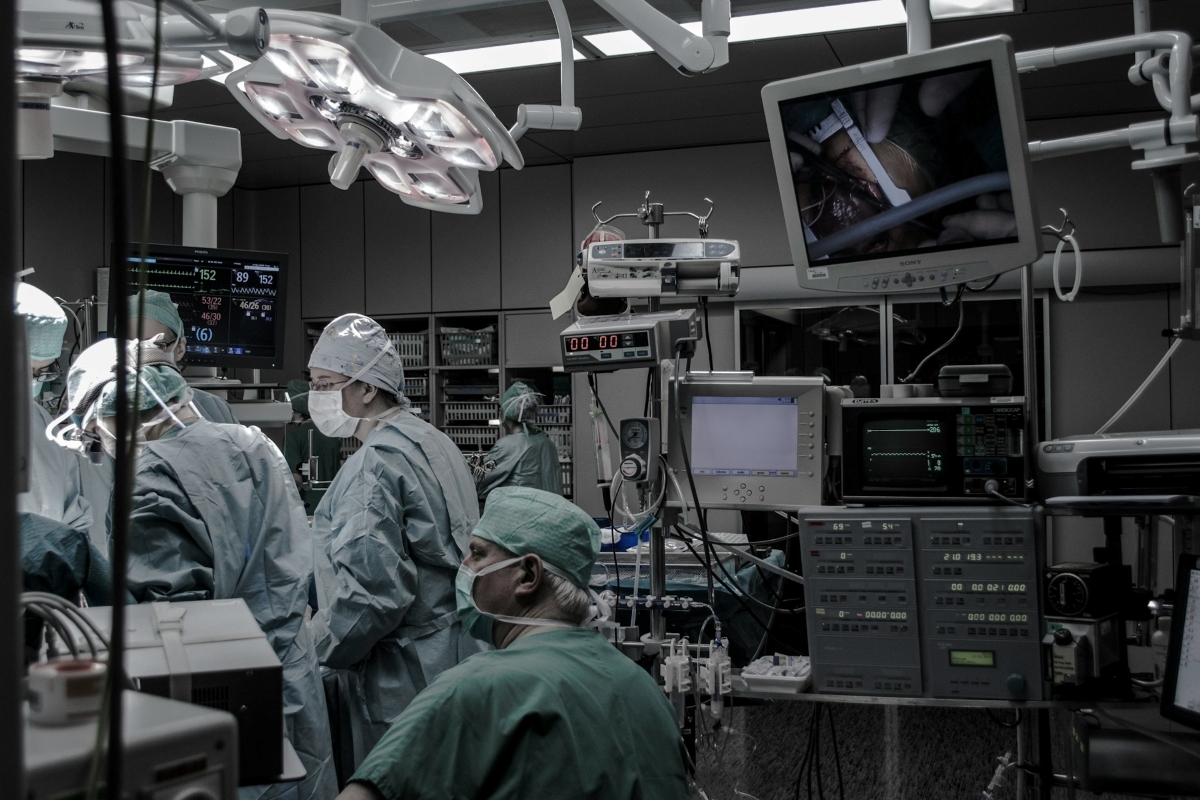
Health insurance in Armenia
A comprehensive health insurance system is being introduced step by step in Armenia. So far, residents are joining on a voluntary basis. The insurance will become compulsory for the entire population in 2027.
The Ministry of Health assures that compulsory health insurance will be practically free for vulnerable groups. It means that the government will fully subsidize insurance premiums
- for those under 18,
- people 63 and older,
- people with disabilities.
It is these groups, according to experts of the Ministry of Health, who are the most vulnerable in any society in terms of health care costs.
“The government is ready to partially subsidize also insurance premiums of persons with monthly income less than four times the minimum wage, persons employed in agriculture and related to them,” Samvel Kharazyan, advisor to the Minister of Health, said.
In 2024, the comprehensive insurance program will include those under 18 years of age, people with disabilities and those included in the social assistance system. This will total about 1.3 million people.
Next year, people aged 63 and older, as well as employees of budgetary organizations, will be included in the insurance system. In 2026, it is planned to insure all hired workers, self-employed and those employed in farms.
“People don’t go to doctors owing to financial problems.”
Samvel Kharazyan, Advisor to the Minister of Health, said that a model is being introduced that will allow paying small amounts monthly and not worrying about paying for necessary medical services in case of serious health problems. The absence of such a system has led to a significant number of people being unprotected:
“According to the survey, about 12.5% of respondents did not go to a doctor because of financial problems, and about 56% engage in self-medication. And this, we estimate, is also a consequence of financial problems.”
He believes that in addition to fear of going to the doctor, there are fears related to payment. And this leads to an increase in cases when people turn to medical institutions too late, when urgent medical intervention is needed.
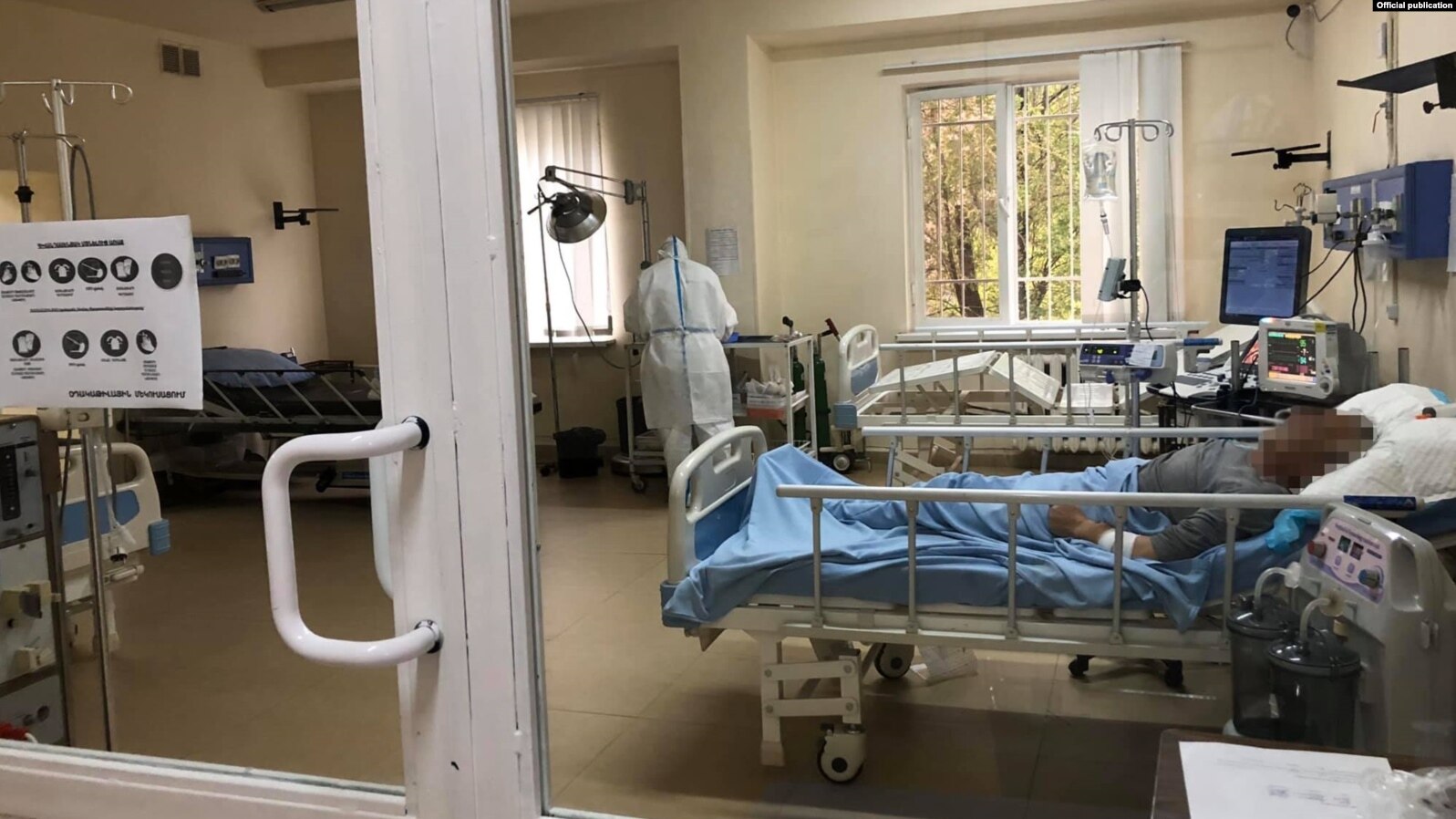
A comprehensive health insurance fund is being established
The representative of the Ministry of Health says that 2023 was a preparatory stage, the development of the legislative framework and the insurance package itself began, the prices of services included in it were calculated, and the resources of medical organizations were assessed.
And this year, the stage of practical implementation of the system begins. After the adoption of the law and by-laws, in the second half of the year it is planned to create a fund for comprehensive medical insurance. This structure will make payments to those groups of population, the insurance of which the state fully assumes.
One comprehensive package for all
One comprehensive insurance package has been developed for all citizens of the country. Accordingly, there will be a single annual or monthly rate. Depending on the status of the insured person or the grounds for inclusion in the system, the insurance premium will be subsidized from the state budget for all 100 percent, or 60, 50, 40 or 20 percent.
Kharazyan emphasizes that insurance costs imply relatively small monthly payments, which are not comparable to the costs of expensive medical services, especially in cases when it is necessary to pay for their provision at once.
“The insurance premium will be calculated and transferred by employers, not employees. The self-employed will do it on their own. And insurance payments of persons fully subsidized by the state will be made monthly from the state budget,” he explained.
The package of medical services includes
- preventative examinations
- advanced diagnostic services,
- treatment of diseases,
- continuous monitoring in case of their chronic nature, including the provision of medicines and professional counseling.
“The package also included expensive cardiac surgery services, treatment of oncological diseases – both medication and radiation therapy,” the minister’s advisor said.
Doctor Yan: an Armenian app for direct communication between patients and doctors
The app allows for rapid communication and scheduling with a doctor in Armenia

Follow us – Twitter | Facebook | Instagram
Health insurance in Armenia
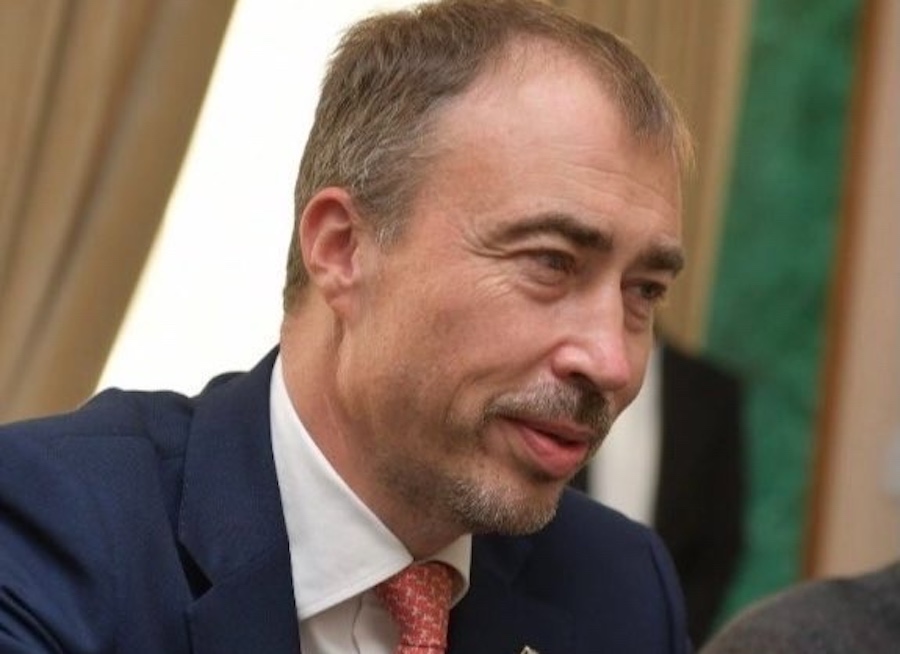
Abkhazia-EU relations, Toivo Klaar
“The EU has been facilitating or funding a considerable number of humanitarian programmes in Abkhazia over more than a decade. Despite disagreements on some core issues, there always was possible to keep channels of communication open. It’ll be highly regrettable if it disappears now.”
“Abkhazia’s openness should not become a casualty of Russia’s war against Ukraine.“
The personal statement by the European Union Special Representative for the South Caucasus and the Crisis in Georgia Toivo Klaar below:
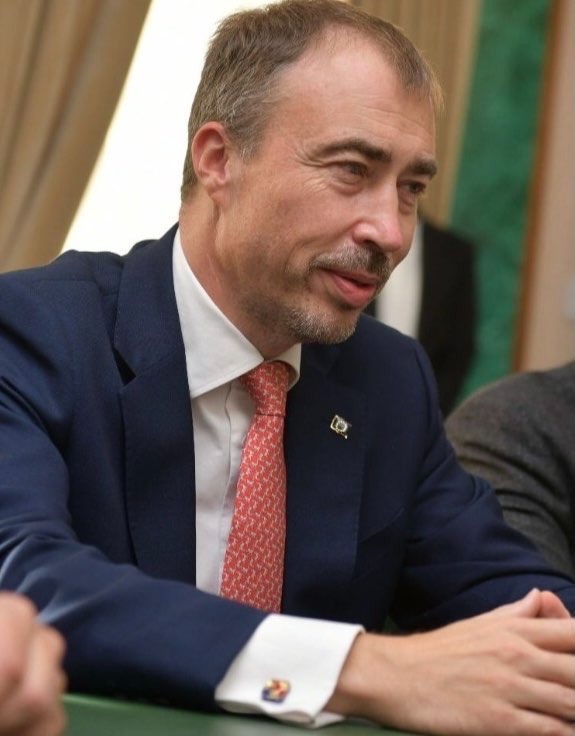 The European Union Special Representative for the South Caucasus and the Crisis in Georgia Toivo Klaar
“As part of implementation of my mandate, I was intending to visit Abkhazia at the end of January, 2024. Unfortunately, I was told by our interlocutors there that this was not possible.
This is the second time during the past half year that we have received this response.
As you know, I have visited Abkhazia many times over the past six years, since I started as EU Special Representative, together with the Co-Chairs of the Geneva International Discussions (GID), but also independently, with my team.
The EU has been playing a key role in facilitating dialogue and conflict resolution efforts in the South Caucasus generally, including between Tbilisi and Sukhumi.
In this context and in the framework of our policy of non-recognition and engagement, the EU, mostly through implementing partners on the ground, such as UN agencies, international NGOs and local civil society organizations, has been facilitating or funding a considerable number of humanitarian programmes in Abkhazia over more than a decade.
● These have included clearance and disposal of explosive ordnances in Primorsk and numerous exchanges and facilitating cooperation on archives between Tbilisi and Sukhumi.
● We have also supported healthcare, including immunization, mother and child healthcare, equipment, supplies and renovation of medical points and hospitals, as well as the fight against COVID.
● The EU has also supported the donation of textbooks to the University in Sukhumi, assistance to the promotion of Abkhaz language and multilingual education, teacher training and the provision of equipment and supplies to schools.
● Finally, we have provided support to small businesses, farmers in the fight against pests, the introduction of new crop varieties and new agricultural methodologies, and not least cooperation and dialogue between civil society actors across the divide.
We have fundamental political differences, but despite these, and despite disagreements on some core issues, we have always managed to keep channels of communication open and allow for space for engagement in all those areas that I have mentioned.
Abkhazia’s relative openness should not become a casualty of Russia’s war against Ukraine.
Instead, now is a need for more, not less, direct personal contacts to exchange views and assessments of recent and current developments and to discuss possibilities for further mutual engagement.
For example, following the tragedy of the fire in the Sukhumi gallery I believe the experience of the work we did on archives could in particular be a good example to draw on.
Unfortunately, we have over the recent years seen increasing restrictions being placed on our work and the work of UN agencies, international NGOs and local civil society organizations.
When I started in my position in 2017, I was encouraged by the pragmatism and openness of Abkhazia, by the vitality of its civil society, and by the willingness of our interlocutors to engage with representatives of the international community. Unfortunately, this never translated into substantial dialogue between Tbilisi and Sukhumi in a context that we as EU could have supported.
Today we have however arrived at a situation where Abkhazia seems to be closing down.
I don’t see how these developments are in the interest of anyone, least of all the populations of Abkhazia.
There are many challenges that have to be tackled, but closing the space to international engagement or restricting the activities of international organisations – and thereby also the assistance coming to Abkhazia – will only exacerbate these problems.
Moreover, by restricting my visits and international access and by not being more open in general, Abkhazia is missing important opportunities to make its views and the challenges it is facing better known and understood by the outside world.
I therefore very much hope that the restrictions we face are temporary and that these will be soon overcome for the benefit of the populations. The EU will remain engaged through its co-chairmanship of the GID, and we wish to continue our engagement with Abkhazia, both directly and through international organisations that we fund, but this will also require the necessary engagement and openness by our interlocutors.”