
Categories
Day: January 8, 2024
Categories
Trump vs Biden Poll (Jan 2024)

ActiVote’s January 4th, 2024 presidential poll finds that former President Trump leads current President Biden by 8.0%. The poll was taken among 841 likely presidential election voters: ActiVote app users who recently updated their presidential candidate preference. The poll has been weighted to represent the national electorate (including voting chance in presidential elections) and has a mean average error of 3.4%.
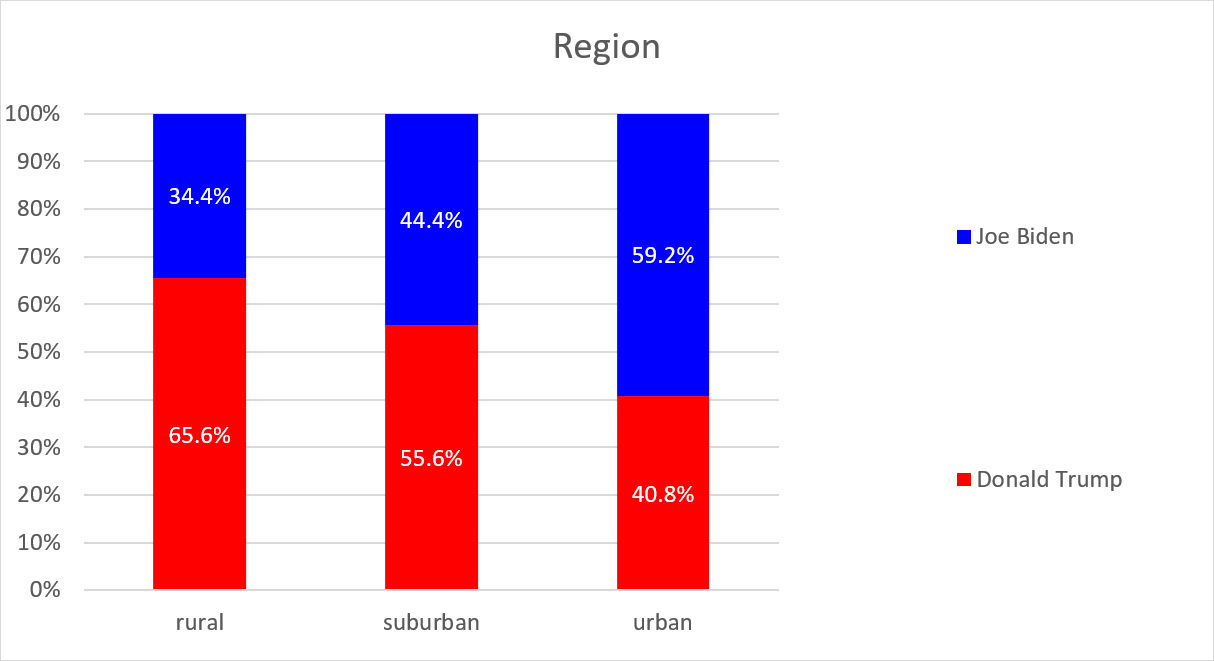
Trump leads Biden in rural and suburban areas, while Biden leads Trump in urban areas.
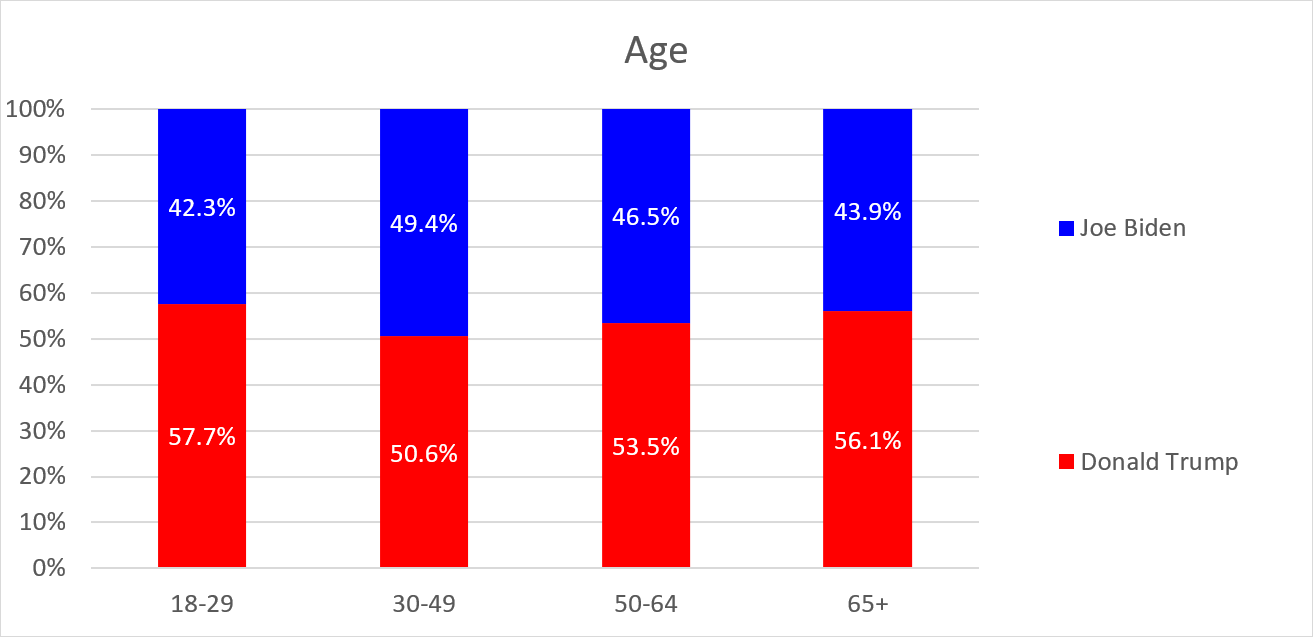
Consistent with our September 2023 poll, this poll shows again a surprising lead for Trump among the youngest voters. We wonder whether there is a relationship with the increased disapproval we found in our last Biden Approval rating poll especially from the progressive left. In any case: Trump at this point wins every single age group.
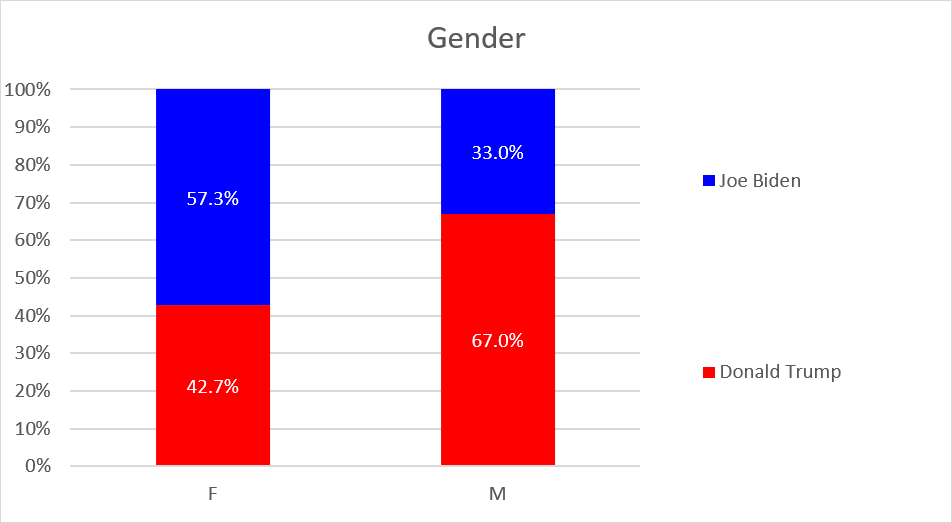
No surprises in the split between women (favoring Biden) and men (favoring Trump).
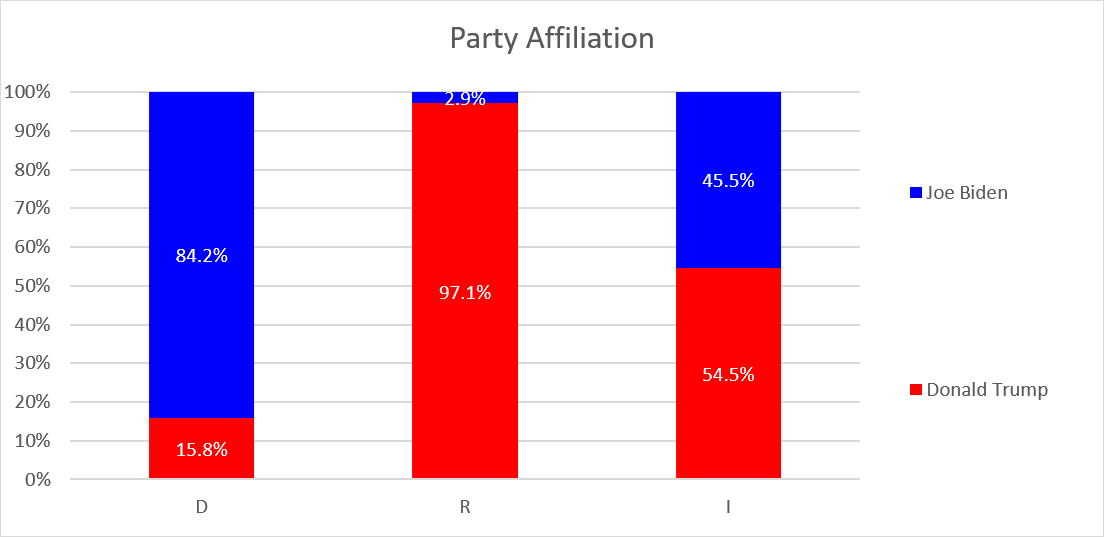
Extraordinary in this poll is that Republicans almost unanimously favor Trump over Biden, while 1 in 6 Democrats do not support Biden. Independents lean towards Trump by a 9% margin.
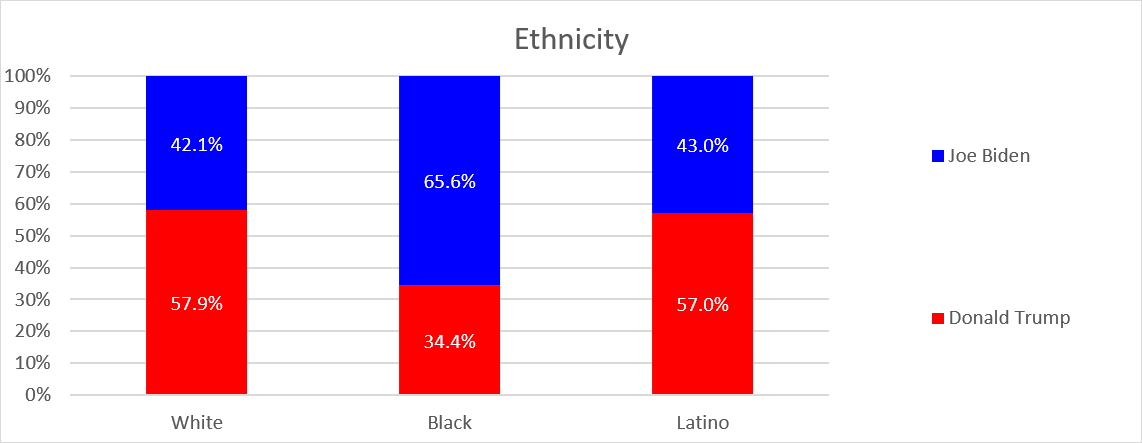
Trump beats Biden among White voters as expected. The surprising find of our poll is that Latinos favor Trump, while Black support for Biden (which was 3:1 in our September poll) is now only 2:1 in this poll.
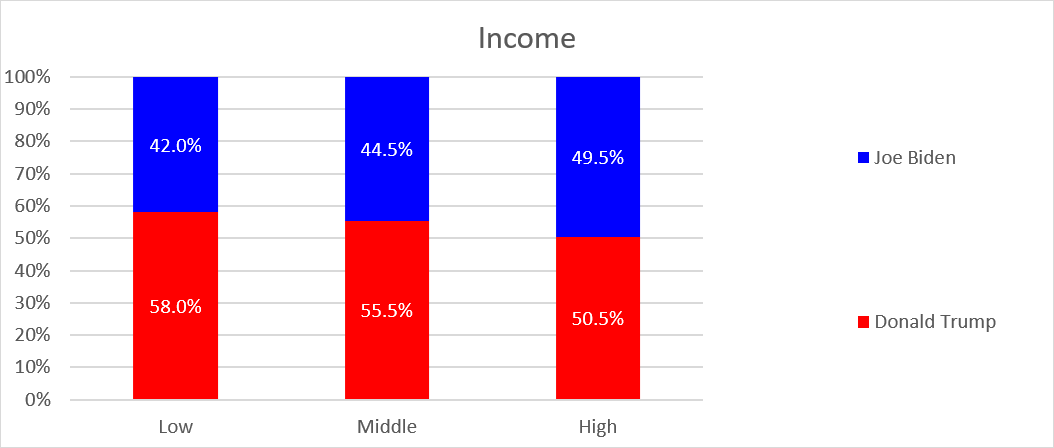
Biden does best among those with the highest incomes, but even among those voters, Trump ekes out a narrow win. Trump easily leads both the middle income and especially the lower income voters.
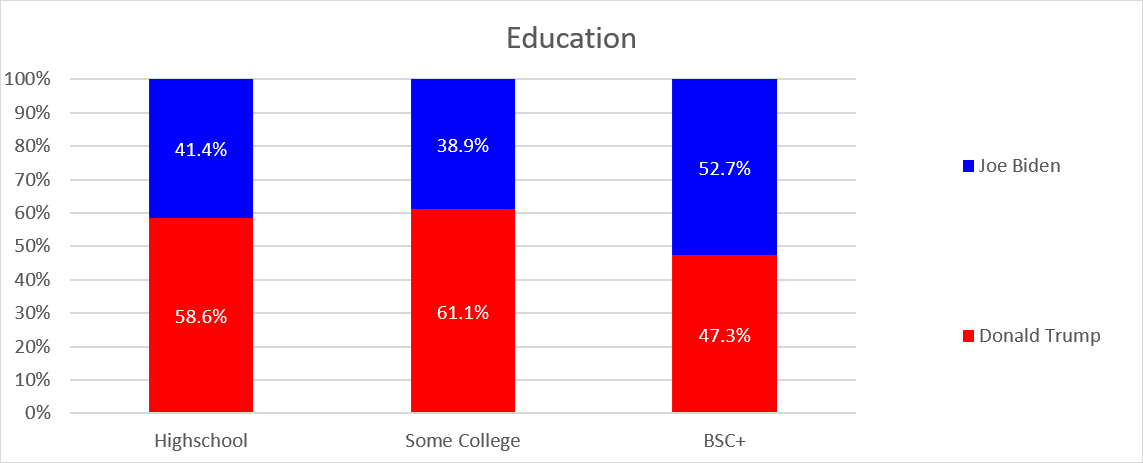
Biden has a small advantage among those who have finished college, while Trump does best among those who do not have a 4-years college degree.
Want to be included in our next poll? Check out the app!
Check out our polling page for details about our polling methodology and latest polls.
Analyzing changes in the world order
“The well-known Western world order “based on rules” has remained in history, and nowadays we live under the world order “based on interests”. In our opinion, such approaches designed to satisfy immediate interests will lead to grave consequences,” Azerbaijani analysts write. “Because global processes advance on ‘precedents’,” the article of a group of experts says.
- Top 10 JAMnews articles from Azerbaijan in 2023
- The best JAMNews stories from Armenia in 2023
- What did we write about in 2023? The best JAMnews stories from Georgia
Azerbaijani experts have analyzed the latest trends in the politics of Western countries, published in the “View to the East” public forum:
Right to self-defense against the occupier
“Diplomatic relations between Paris and Moscow have escalated after the French Foreign Ministry called Ukraine’s attacks on Belgorod “a right of self-defense against the occupier.”
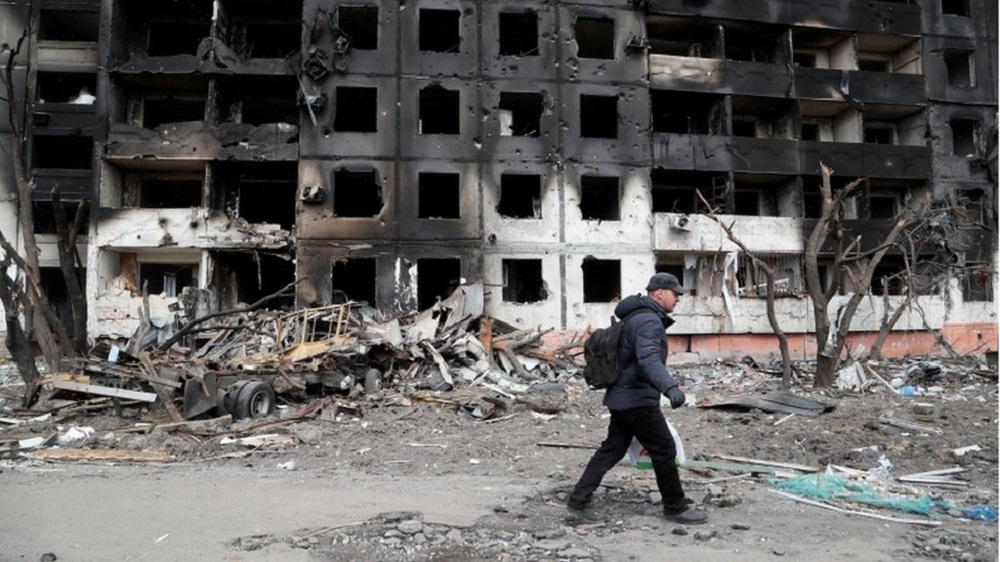
As is well known, the Ukrainian army retaliated against the Russian army’s rocket attacks on the Russian city of Belgorod in response to the Russian army’s rocket attacks, which killed 39 Ukrainian civilians. These missile strikes killed 25 Russian civilians and injured more than a hundred others.
Of course, neither Russia nor France has the moral right to complain or condemn the killing of civilians. The subject of our analysis is the legality of all steps, including the killing of civilians, of a country under occupation against an occupying country, and support for these steps on the international plane.”
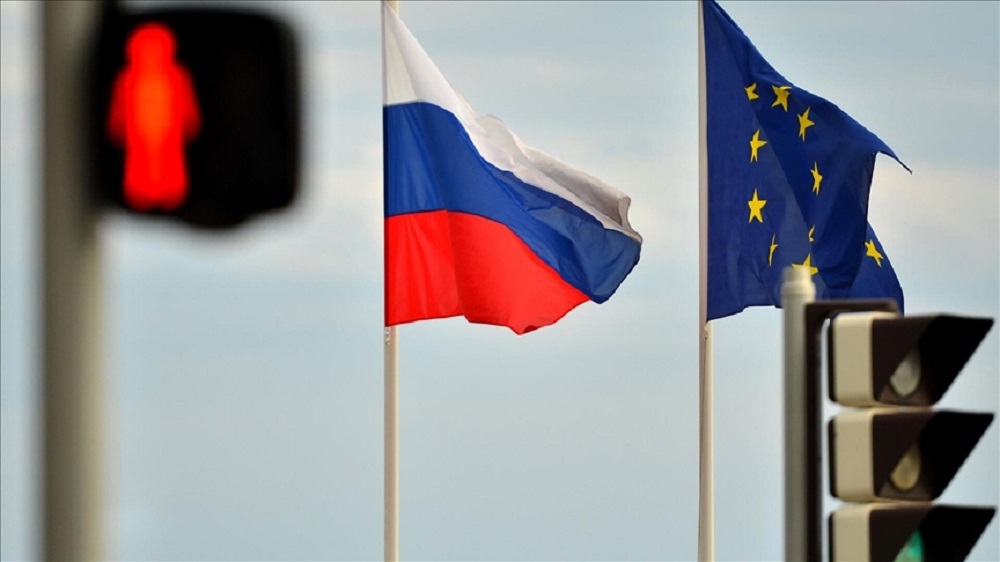
Legitimate or not?
“For example, are Ukrainian attacks on civilian objects in Russia and civilians legitimate in response to Russian occupation and the killing of Ukrainian civilians by the Russian army? This question has two answers:
- yes, all ways of fighting, all kinds of attacks against the occupation and the occupier are legitimate;
- no, civilians who do not take part in the war should not be the target of direct attacks.
France, which now applies the first approach to Ukraine, has always demanded a second approach from Azerbaijan in its struggle against Armenian occupation. During the period when Armenian occupation of Azerbaijani territories in Karabakh continued, France sent EU observers to the border of these two countries in order to protect Armenia. Although, based on France’s approach to the conflict in Ukraine, Azerbaijan had the right to take any steps against Armenia.
Another example. Western countries accept as a right of self-defense the massacre of Palestinian civilians by Israel, which was attacked. But at the same time, they condemn the killing of Israeli civilians by Hamas and other Palestinian groups fighting the occupation by Israel.
Another question: is the killing of civilians in terrorist attacks in Western countries by jihadist groups in response to the occupation of Islamic countries by the U.S.-led Western coalition a right of self-defense?”
Summary
“Western countries, acting solely out of their political interests, do not shy away from legitimizing certain issues in Ukraine and Israel, which they themselves condemned, based on the current world order.
This proves that the well-known Western world order “based on rules” has remained in history, and we are currently living under a world order “based on interests”. In our opinion, such approaches designed to satisfy immediate interests will lead to grave consequences. Because global processes are promoted on the basis of “precedents”.
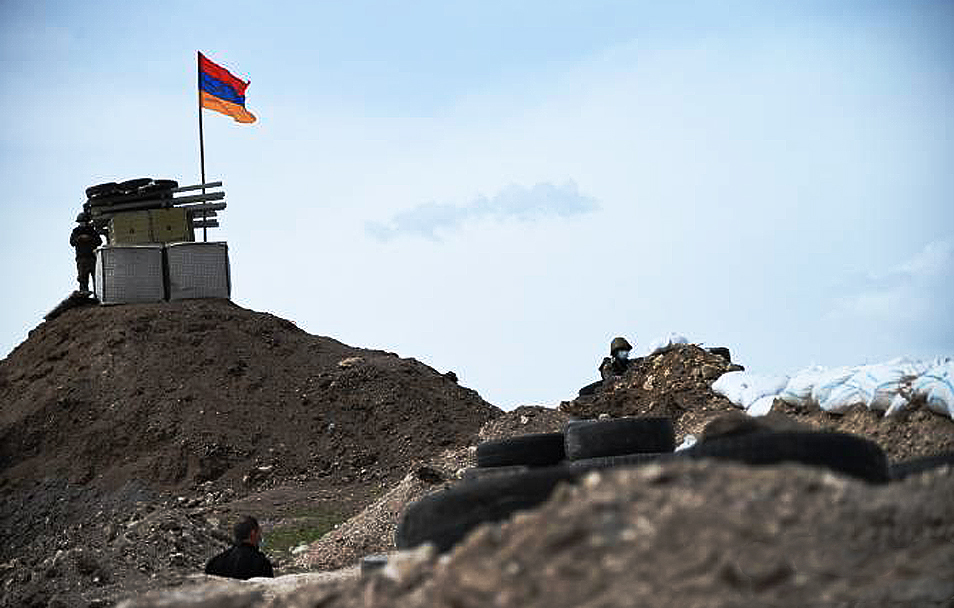
Tom de Waal’s opinion
“In 2024 Armenia will face not only threats from Azerbaijan, but also the threat of losing or breaking off relations with Russia. Undoubtedly, the country will face a lot of problems,” Tom de Waal, a leading analyst at the Carnegie Endowment for International Development, said.
In an interview with Radio Azatutyun (Liberty), he said that this year Armenia will have to make perhaps the most difficult choices and it is a “somewhat dangerous” moment.
The expert also talked about the signing of the Armenia-Azerbaijan peace treaty and the issue of the so-called “Zangezur corridor”, which could link Azerbaijan with its exclave of Nakhichevan through southern Armenia.
“About half of peace agreements are broken within 5 years”
According to de Waal, it is a well-known statistic that the majority of peace agreements are violated by the parties within 5 years after their signing.
In this regard, he believes that the signing of the peace agreement between Armenia and Azerbaijan is only the beginning of the process.
He went on that the Armenian side wants to get international guarantees for the fulfillment of the clauses of the possible agreement, including the presence of observers on the border, and this, in his opinion, will be a deterrent factor, possibly preventing the use of force by Azerbaijan. But he notes that Baku is resisting these attempts by Yerevan to resolve the issue with the participation of international actors:
“And here we see the tension between Armenia and Azerbaijan, which says: no, we don’t need any international agreements, we need regional solutions, meaning Turkey, Russia and Iran, excluding the West. This is the main problem.”
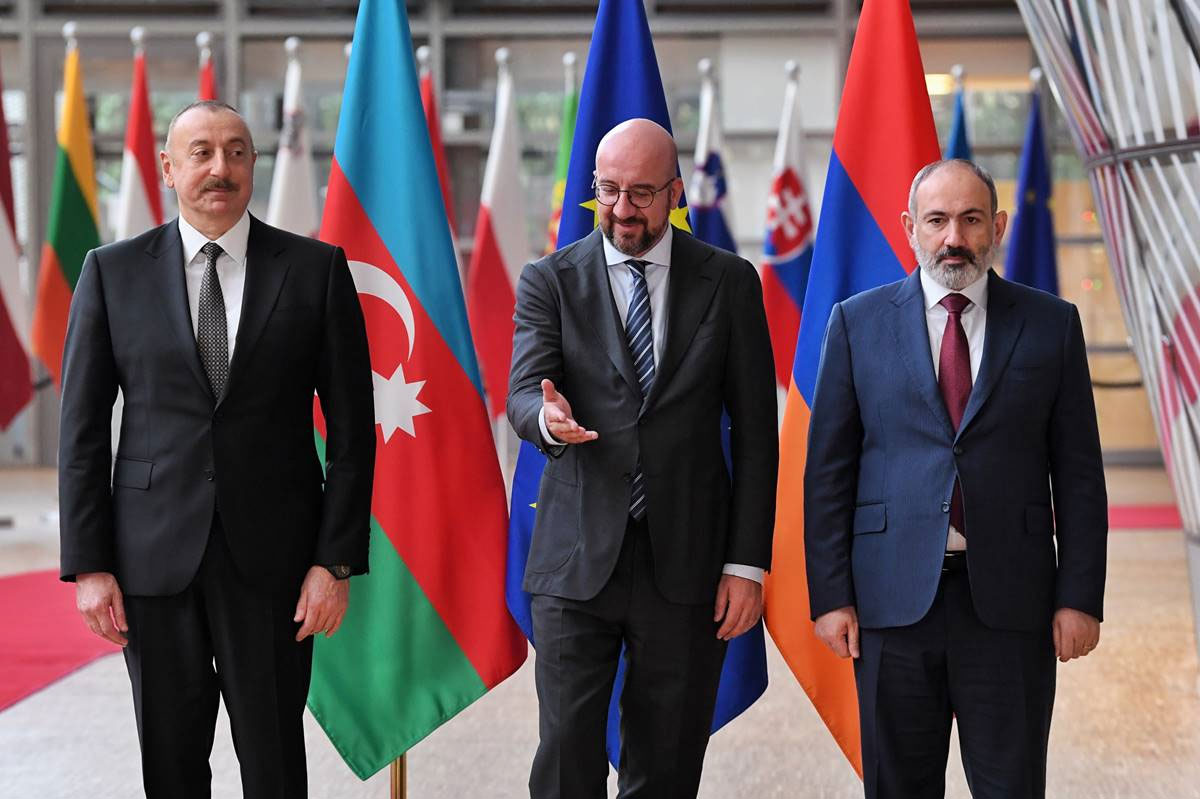
The right to return to one’s home as a possible treaty clause
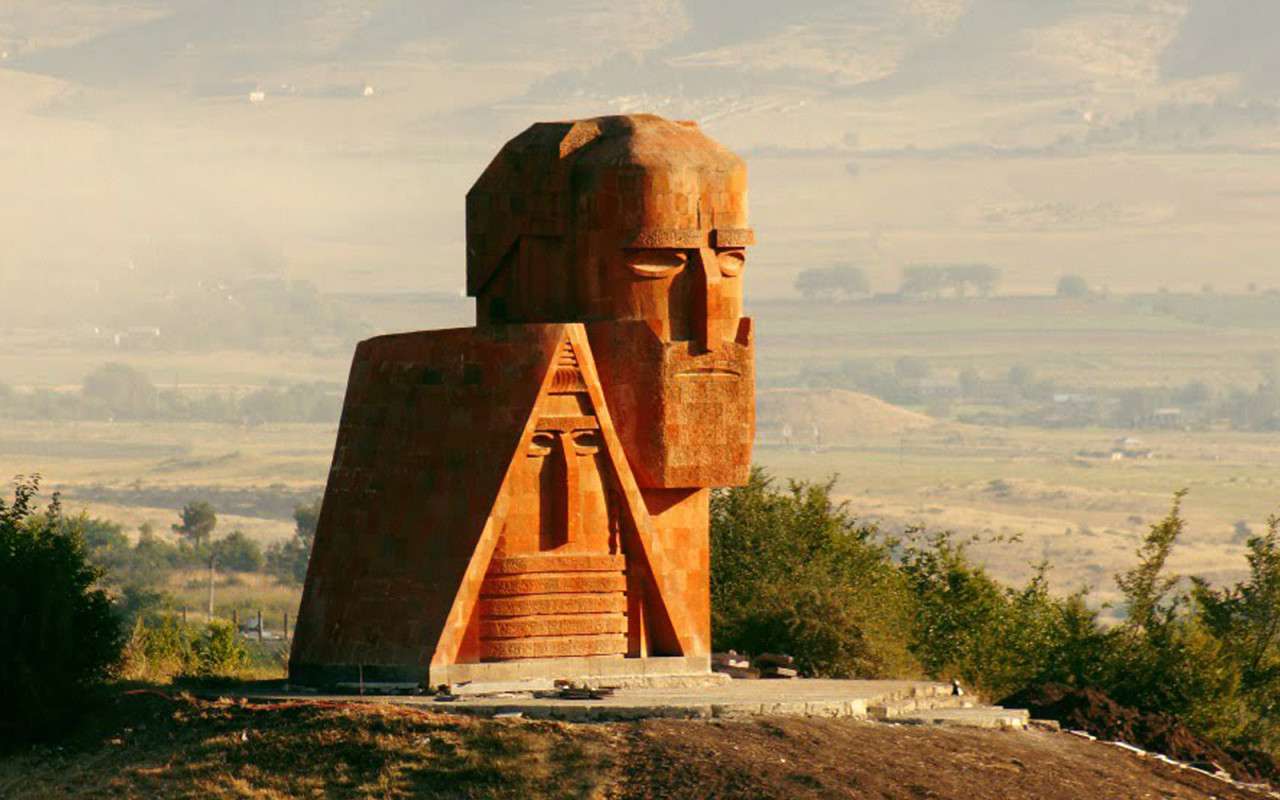
Regarding the right of the Armenians of Nagorno-Karabakh to return to their homes, de Waal noted that the majority would not want to return to their homeland and live in Azerbaijan.
“They might want to visit, get their property back, they might want to visit family graves or move those graves to Armenia. But I don’t think anyone is talking about the right to return anytime soon.”
According to him, some international control is needed on the issue of the right of return, and the right of return should apply to everyone:
“This also includes the 1988-1990 displaced persons. It is not so that many will want to return to Baku, Sumgayit. But I think that this right should be enshrined at the international level, and it will be part of the future peace agreement.”
“Taking Meghri by force is a very risky step for Baku”
Meghri is in the southern region of Armenia, which is an internationally recognized sovereign territory, and de Waal considers the invasion of the Azerbaijani Armed Forces in order to penetrate the corridor to Nakhichevan to be risky. But he immediately notes that anything is possible:
“Azerbaijan is still strong, Armenia is weak. But if you take [the corridor] by force, it means you are behaving like Russia in Ukraine. Besides, if you want to build a railroad and you want international assistance in doing so, you should not occupy [Armenia’s] territory. You cannot force the World Bank and others to cooperate with you in building this railroad.”
The expert says that in trying to force Yerevan to accept its terms, Baku is using a strategy of coercion and the “Russian card.”
“Russia and Azerbaijan have clearly agreed on this issue. And for Armenia it is difficult [to resist] because the Russians are already there, they have border troops there. I expect less of a large-scale invasion [of the Azerbaijani Armed Forces into Armenian territory]. And more I expect a strong pressure on Armenia to accept it.”
He believes that the task of Armenia’s Western partners is to be able to offer Armenia something in return. He has in mind an “alternative strategy”, according to which the road will be built, but would become not only an Azerbaijani-Russian route, but also an international one.
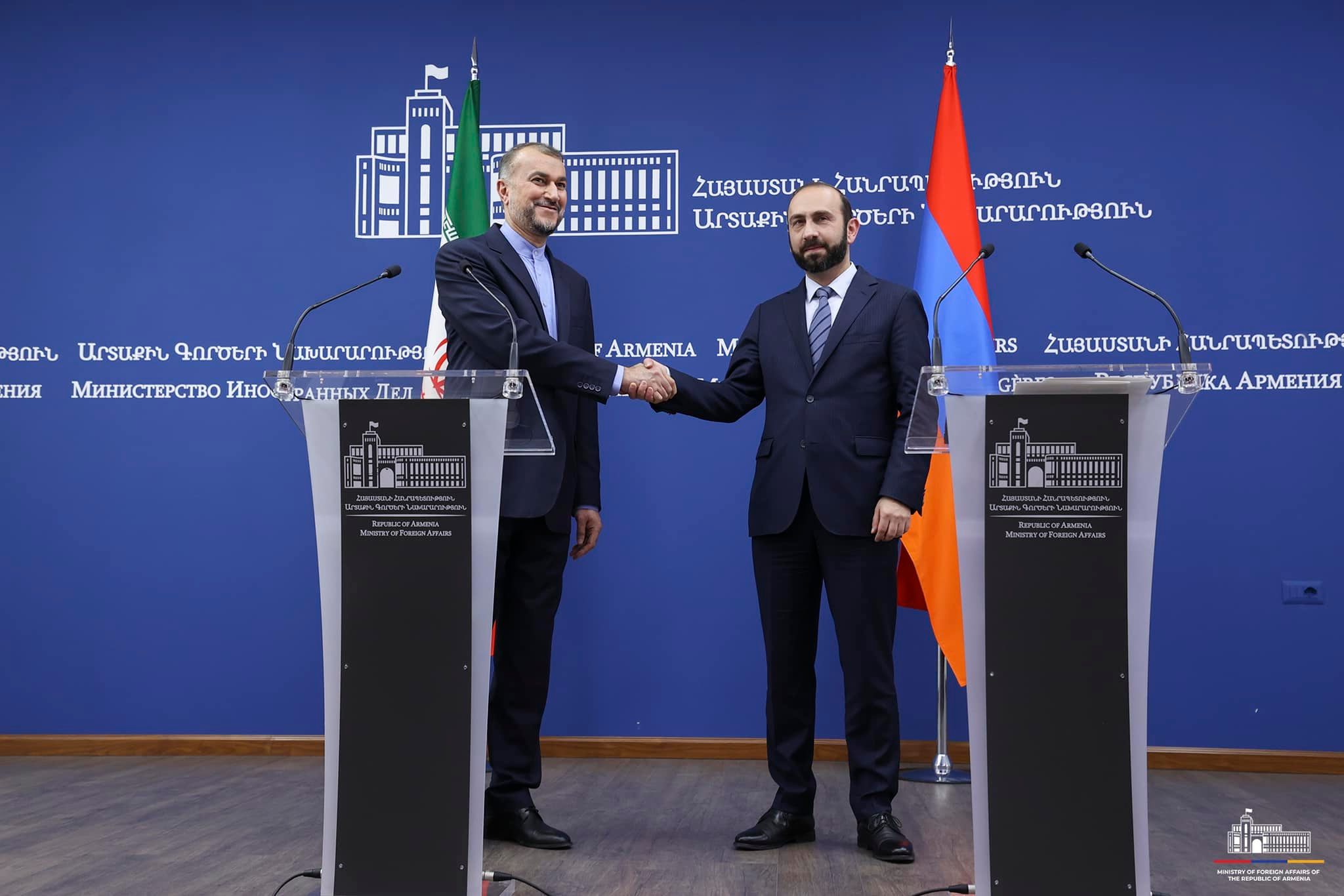
The south of Armenia has become interesting for many players
When asked what to expect in a situation where Armenia’s Syunik region is again in the center of attention of major players, de Waal said:
“Who would have thought a few years ago that in the town of Kapan we would see flags of the European Union, Iran, the presence of Russians, and the French would want to open a consulate there? What happened in 1919-20 is repeating itself, Syunik is becoming the center of international competition and diplomacy. And why is this happening? Because it is the most important route for both North-South and East-West directions.”
He recalls that Jugha (Julfa) in Nakhichevan used to be a railroad border point connecting the USSR and Iran. But it has been 30 years since trains have not traveled through this area. According to de Waal, if the railroad running through Syunik is restored, Jugha will once again become a railroad crossing between Russia and Iran:
“So Russia and Iran are looking at this region again. For Azerbaijan, it’s a link to Turkey, and for the West, it’s also a new East-West communication route through Turkey, Armenia, Azerbaijan to Central Asia.”
He emphasizes that this small, 43-kilometer railroad is of interest to everyone, especially against the background of the Russian-Ukrainian war, when all transport routes from east to west were closed.
Follow us – Twitter | Facebook | Instagram
Tom de Waal’s opinion
