
Month: September 2023
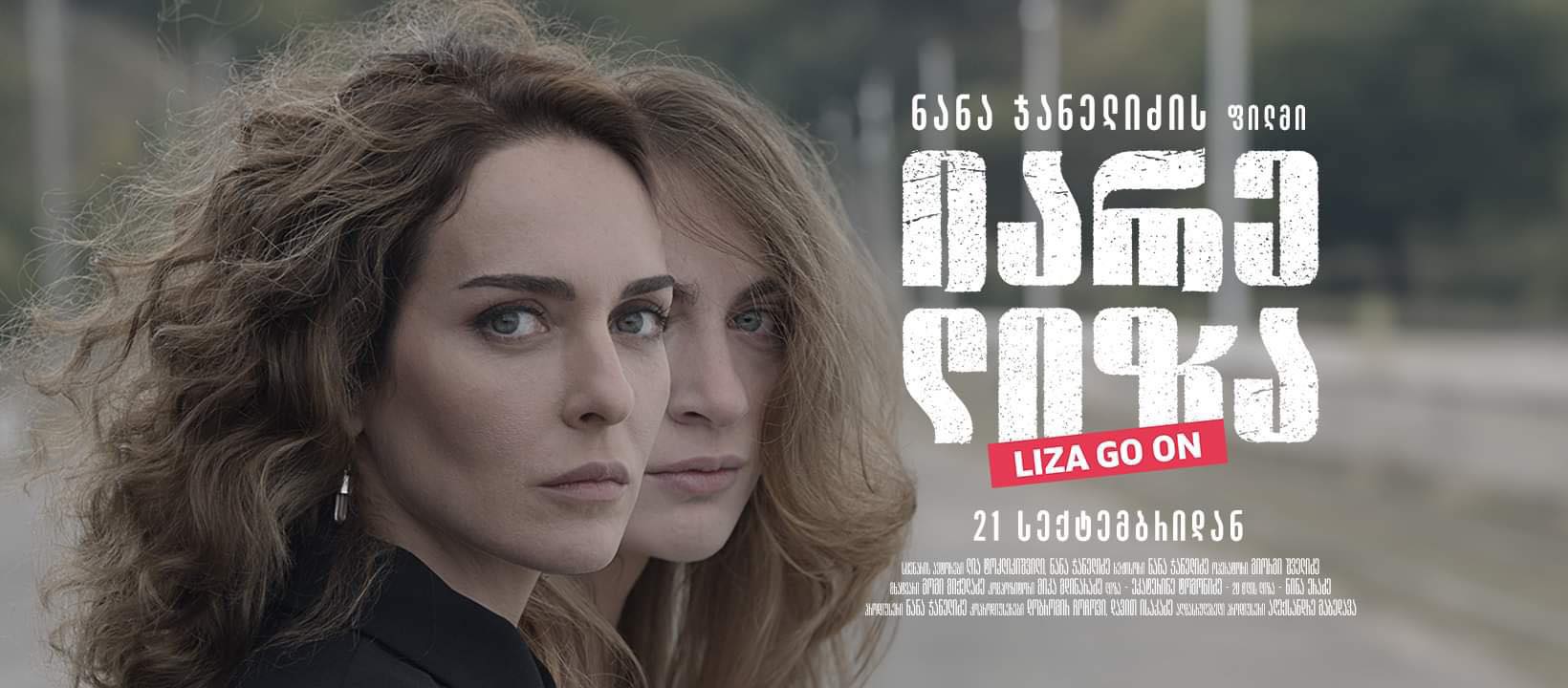
the movie “Go Lisa.”
The premiere screening of a new documentary film “Go, Lisa” dedicated to the war in Abkhazia has started in Georgian cinemas. The movie tries to show the truth about the opposing sides. “If we don’t confess and repent, we won’t get anything back” – the movie says.
The movie received a great public response.
Part of the audience criticized it. They believe that Georgia is made guilty, the cruelty of Georgian soldiers is emphasized and the memory of war heroes is insulted.
- Photo archive: Georgian families leaving Abkhazia during the 1992-1993 Georgian-Abkhaz war
- Georgian-Abkhaz war, 1992-1993
- Abkhazians and Georgians – what do they say about each other in literature? Guram Odisharia video
Opponents of the movie equated it with Russian propaganda and called it a Russian special project. They contacted the ruling Georgian Dream party, which financed the filming, and stated that the purpose of the movie was to strengthen the Russian version of the war in Abkhazia.
The emotions and assessments of IDPs from Abkhazia were particularly intense. Some of them took the apology to Abkhazians painfully.
“The victim does not apologize. Before whom should we apologize, before those who kicked us out of our homes?” – they asked.
Another part of the audience, however, considered the movie a brave attempt to start rethinking the war, to learn the previously unknown truth and undergo a transformation, as it happens to the main character of the movie.
What the movie is about
Liza is the protagonist of the movie
“It was as if I knew everything about the war, but what Abkhaz said was like a slap in the face,” says the protagonist of the movie, a journalist who worked as a reporter during the war. She is now a well-known TV presenter, but the experience of the war remained a heavy trauma for her.
One day an Abkhazian military man calls her on the program she is broadcasting live, and this call turns out to be a turning point for Lisa. The heroine begins to have an internal conflict. Lisa begins to transform, gets into a car and sets off on a long journey, not knowing where she is going.
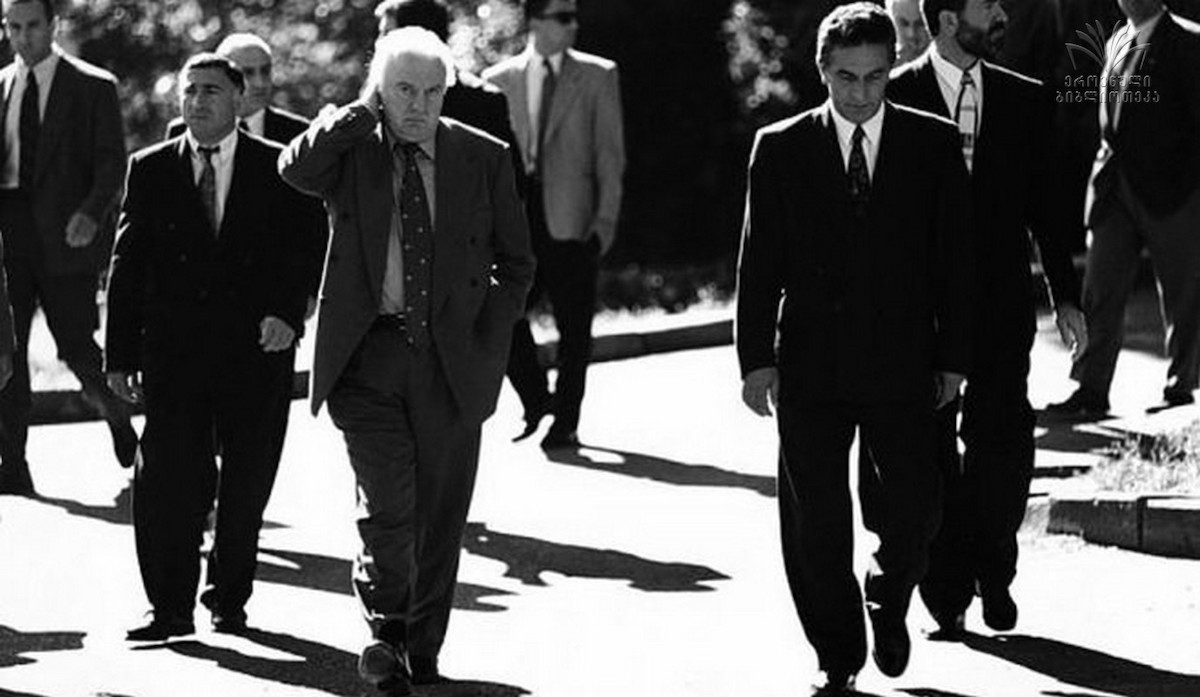
The script of the movie is based on the real experience of a war reporter. The screenwriter Lia Toklikishvili covered the war in Abkhazia for one of the first independent newspapers in Georgia. According to the director Nana Janelidze, Lia is the author of the movie.
The movie uses stories and diaries of participants and witnesses of the Georgian-Abkhazian war, Georgian and Abkhazian writers and clergymen. If elements of animation worked on by Georgian and Ukrainian animators. The director says that the narratives of the participants of the war were so horrifying that it would have been impossible to show them with the help of movie frames. That’s why they decided to use animation.
“Go, Lisa” is a product of co-production between Georgia and Bulgaria. The film was made with the financial support of the National Film Center and the Ministry of Culture. The work on the movie lasted 11 years. The cost of the film amounted to about 1.7 million GEL (about $633 thousand).
What was the reaction to the movie
The release of the film in Georgian cinemas coincided with several important events: the war in Ukraine, after which Georgia began to review the conflicts in Abkhazia and South Ossetia, the 30th anniversary of the war in Abkhazia and the events in Karabakh, which revived the theme of the military return of Abkhazia.
Discussions with the film’s authors are held after the screenings. One of the screenings, which took place on September 27 – the date when Sukhumi came under the control of Abkhazia in 1993 – caused indignation of a part of the audience.
“Betrayal”, “a sample of Russian propaganda”, “insult to Georgians” – such terms were used by those who were angered by the movie. They were mostly forced migrants from Abkhazia. The discussion scheduled for that day did not take place.
Your Website Title
How to Share With Just Friends
How to share with just friends.
Posted by Facebook on Friday, December 5, 2014
“This movie is part of Russian propaganda,” former Georgian President Mikhail Saakashvili, who is currently in prison, wrote on social media. He believes that with this movie the authorities are trying to make society come to terms with the loss of Abkhazia.
Culture Minister Thea Tsulukiani, who has repeatedly criticized the film’s director Nana Janelidze, also reacted to the film. The Minister called the movie a “setup”. The minister’s statement was perceived by many as open censorship.
Because of what the film was criticized
 Lisa at war. A still from the movie “Go, Lisa”. Photo: official Facebook page of the movie.
Those who were outraged by the movie say that Georgian soldiers are shown in it as marauders and the Georgian state as a murderer, scoundrel and traitor. In their opinion, the emphasis in the movie is more on crimes of Georgians than Abkhazians, and everything is presented as if Abkhazians were defending their homeland from invading Georgians, for whom it was just a territory. They also challenge the accuracy of facts. They say that for foreign viewers this is a movie about Georgians and Abkhazians killing each other, and it is unclear what Russia has to do with it.
“This is not only a fiction movie, but also a documentary, so it is necessary to give accurate facts,” says journalist Vakho Sanaya.
Vaho Sanaya has two complaints about the movie: the accuracy of the facts and equating what happened. According to him, ethnic cleansing of Georgians in Abkhazia cannot be equated with a war crime committed by one Georgian soldier.
The most emotional criticism was given to the idea embedded in the film that Georgians should ask forgiveness from Abkhazians.
“Where is it seen that victims of ethnic cleansing ask for forgiveness! I do not know such a precedent”, – says Vakho Sanaya.
Disgruntled viewers after watching the movie also spoke about it:
“There was genocide, ethnic cleansing in Abkhazia, and this happened after the ceasefire agreement was concluded. And in this light, talk that we did something wrong and should apologize is mimicry” – this is the opinion of Zaza Bibilashvili, founder of the civil organization “Chavchavadze Center”.
Mshibzia flashmob resembles a ‘rahat loukoum’, proposed by Georgians to Abkhazians
It has nothing to do with respect for the Abkhazians’ rights
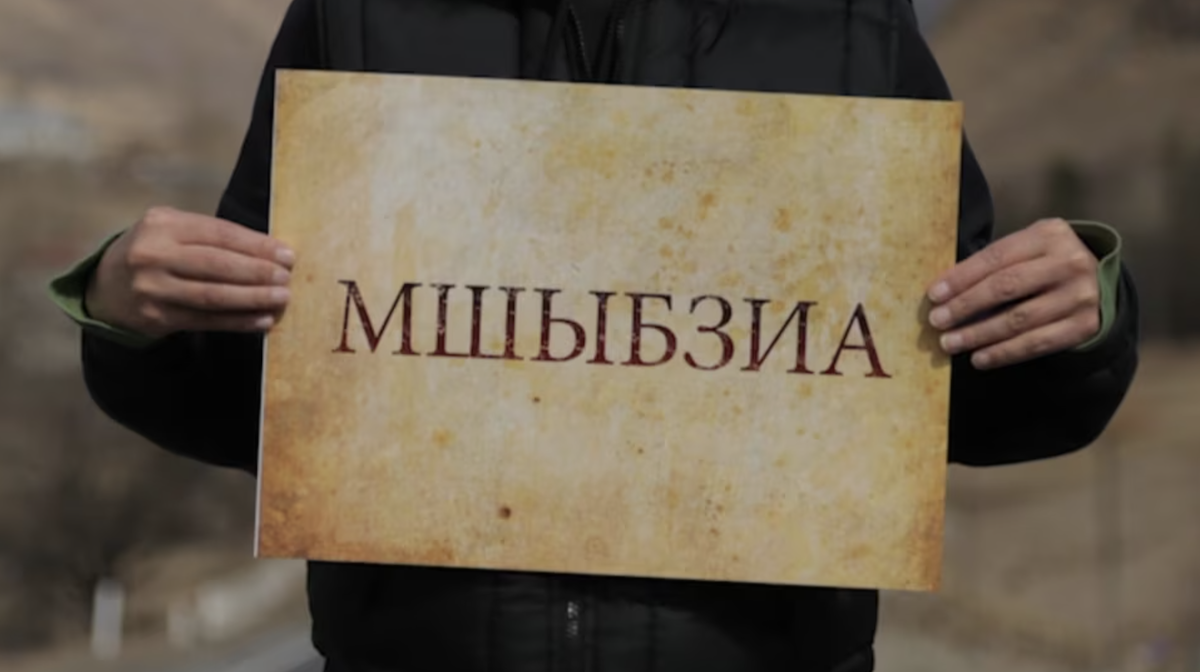
Georgia has once before run a similar campaign of apology to Abkhazians. In 2016, it was launched on social networks by a group of young people who put the word “Mshibzia” (Abkhazian for “hello, peaceful day”) on their avatars. However, the action did not meet with a positive reaction from Abkhazia.
“For me apologies are not a mandatory component, I am not in favor of it, but I am not against it either,” says conflictologist Paata Zakareishvili, who generally liked the film.
In his opinion, the apology should be a political action:
“Georgian-Abkhazian reconciliation should reach the level where the parties understand that it would be good if we apologize to each other now. There should be an understanding that we cannot move forward without it.”
But an apology isn’t on the table just yet – something most critics and fans of the film alike agree with.
Arguments of those who liked the movie
The movie “Go, Lisa” brought back to Georgia discussions on the topic of Abkhazia, which can only be welcomed – almost everyone also agrees with it, regardless of whether they liked the movie or not.
“Each of us has our own information about what happened in Abkhazia, and this information often does not coincide. This movie forces everyone who is interested in what happened in Abkhazia to once again delve into and understand. Many thanks to the state for this [we remind that the movie was made at the expense of the state – JAMnews]” – says Paata Zakareishvili.
According to him, it is not difficult to find donors for such a movie, but the fact that the state financed it means that it is ready for dialog, ready to start discussing sensitive issues.
After the premiere of the movie one of the subjects of controversy was also who was Georgia’s enemy in that war. Many wrote that Russia was on the “other side”, but it is not shown in the movie.
Paata Zakareishvili believes that for the part of viewers who criticize the film the distinction is very superficial – Georgian-Abkhazian or Georgian-Russian conflict. In fact, it is not so, because “the conflict does not have one level.”:
“Yes, the number one problem is Russia’s imperialist war with its neighbors. But this war is fueled by localized problems in one region or another. We need to understand this. The second level is internal problems, Georgian-Abkhazian, Georgian-Ossetian. Third is the Georgian-Georgian conflict, which we see by reacting to this movie. And fourth, the man inside the conflict. The main merit of this movie is that it depicts the inner conflict of a human being.”
“This film makes us think about the scale of conflicts,” says Tamta Mikeladze, head of the Center for Social Justice, who believes that the conflict cannot be explained by the Russian factor alone.
“As actors working on peace issues, we recognize Russia’s strong influence, but we say that it is important to work on internal ethno-political issues, to listen to Abkhazians, to dialogue with them and recognize mistakes. Unfortunately, political players do not take this dimension into account, they believe that Abkhazians should not be considered as a party to the conflict at all”.
What was shown in the movie?
“As expected, on the thirtieth anniversary of the fall of Sukhumi, another hysteria has gripped us. Any bold idea of solving the Abkhazian issue is declared a betrayal (or at least blasphemy). This will be the case until a consensus on the Abkhazian issue is formed in Georgian society and we agree on a number of fundamental issues” – says political scientist Tornike Sharashenidze.
According to Tamta Mikeladze, reaction to the film shows that society is not ready to discuss conflicts from different points of view, listen to different opinions and come to an agreement through dialog.
According to her, it is necessary to prepare for dialogue by opening archives, processing data, building a dialogue between professional, political, civil organized groups, thoroughly processing the views of the population affected by the conflict and involving them in the dialogue. The state is doing none of this.
“This movie has once again intensified the discussion on the internal dimensions, created space and stimulated important discussions. I believe the movie achieved its goal. The author knew what he was doing,” says Tamta Mikeladze.
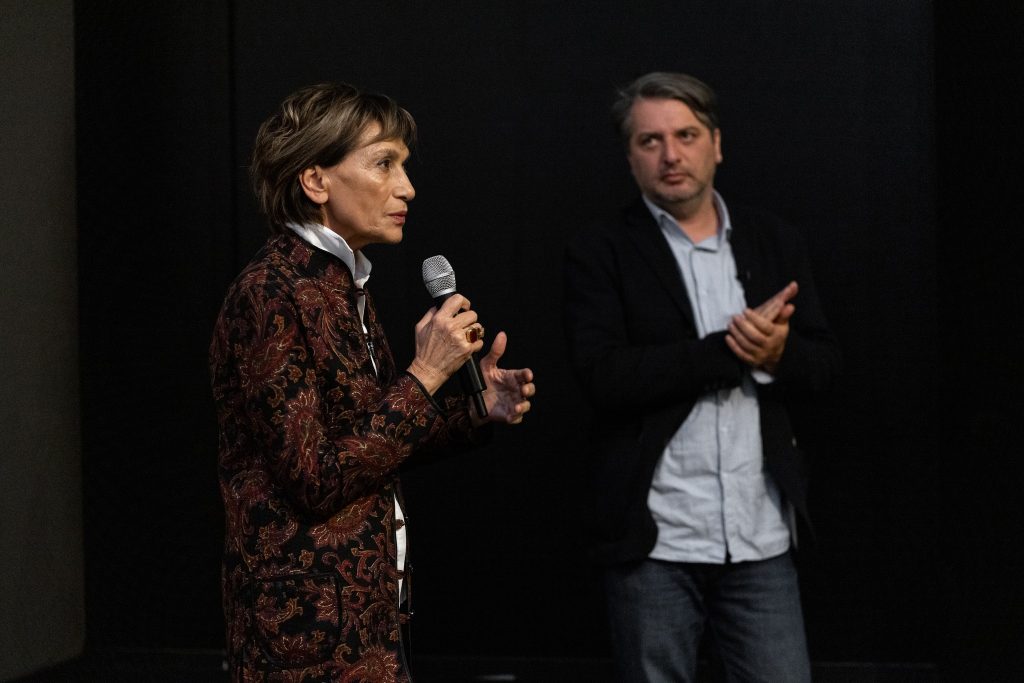 Director of the movie Nana Janelidze. The photo was taken at one of the discussions after the screening of the movie. Photo: Official social media page of the movie
“While working on the movie, I knew that it would cause controversy and disagreement, make noise. This is the mission of this movie – to awaken the dulled pain, to think, argue and look for a solution together (!),” wrote in social network the director of the film Nana Janelidze a week after the premiere.
She writes that it is necessary to analyze what happened: “We should not be afraid of our mistakes, we should not be afraid to make the first step and apologize. Otherwise we, as a nation, a country, a state, will not be able to continue our life, this silence will hold us back, will not allow us to move forward… We must express our opinion, and then Abkhazians will also have the courage to express theirs”.
According to the director, the movie “Go, Lisa” gave the Abkhazian theme a new urgency: “It turned out that everyone is concerned about it, although no one has a real understanding and a plan for a solution: neither the artist nor the politician.”
“The existence of the movie is important, it was made, it was released and it cannot disappear. If you understand this movie, you will understand a lot,” adds Paata Zakareishvili.
Categories
Khankandi today
 On September 30, there was no population left in Khankandi; all its inhabitants left for Armenia.According to Armenian media, several hundred people remain in the city. These are the police and rescuers who will be the last to leave Karabakh.The former leadership of Karabakh is negotiating with Baku so that they will also be allowed to leave.Arkady Ghukasyan, Bako Sahakyan and Arayik Harutyunyan are counting on the generosity of the Azerbaijani leadership. …