Categories
South Caucasus News

Death Notice: Hourig (Minassian) Fournouzian


Hourig (Minassian) Fournouzian

HOURIG (MINASSIAN) FOURNOUZIAN
Born on November 9, 1957

Hourig (Minassian) Fournouzian, beloved wife, mother, grandmother, niece, and relative, passed away on Saturday, September 23, 2023, following a short illness.

Funeral services followed by interment will be held on Tuesday, October 10 at 2:30 p.m. at the Old North church in Hollywood Hills Forest Lawn Memorial Park, located at 6300 Forest Lawn Dr., Los Angeles, CA 90068.

She is survived by her:
Husband, Minas Fournouzian
Son, Shant and Sophea Fournouzian and daughter, Kianna
Daughter, Tamar and Jean-Michael Garabedian
Brother, Varoujan and Aghavni Minassian (Armenia)
Brother, Hratch and Nora Minassian
Nephew, Armand Minassian
Uncle, Dikran and Nelly Minassian and children (New York)
Uncle, Levon and Diana Minassian and children (New York)
Uncle, Steve and Seta Minassian and children
Cousin, Krikor and Markrid Hallacyan and children (Vienna)
Raffi Fournouzian
Shahe and Ani Garabedian and children
Aram and Sona Garabedian and children
Berj and Parantsem Garabedian and children

And all Fournouzian, Minassian, Garabedian, Bedoyan, Kayserian, Ariyan, Dostoumian, Hallacyan, Balekjian, Haroutiounian, Aznavorian, Mouradian, Albarian, Keushgerian, Behzadi, Krikorian, Yapoujian, Tanielian, Afarian, Niang, and Depoyan families relatives, and friends.


Categories
South Caucasus News

Nagorno-Karabakh: Fuel depot blast kills 20 as refugee count rises – BBC


Nagorno-Karabakh: Fuel depot blast kills 20 as refugee count rises  BBC

Categories
South Caucasus News

Armen Grigoryan and Hikmet Hajiyev meet in Brussels: European … – Armenia News


Armen Grigoryan and Hikmet Hajiyev meet in Brussels: European …  Armenia News

Categories
Audio Review - South Caucasus News

Analysis: What caused Armenia’s de-facto defeat | NHK WORLD-JAPAN News


Ethnic Armenian forces in Nagorno-Karabakh have agreed to fully disarm, ending two days of fighting in the disputed region.

Azerbaijani forces on Tuesday launched what they called anti-terrorist operations in the area, which is home to thousands of ethnic Armenians. On Wednesday, the Armenian side announced it had accepted the terms of a ceasefire.

NHK World’s senior commentator Amma Hideo explains what is behind Armenia’s “de facto defeat.”

He said, “Basically, the local Armenians didn’t get enough support from their home country, nor its ally, Russia. Moscow has about 2,000 peacekeepers in the region. They mediated the ceasefire, but didn’t intervene to stop Azerbaijan’s attacks.

“The Azerbaijani military had also secured key highlands and routes, putting Armenia at a further disadvantage. Armenia had no choice but to accept this humiliating ceasefire agreement.”

An Armenian human rights group said on Wednesday that Azerbaijani attacks have killed at least 200 people and injured more than 400 others.

But Amma points out there were already signs Armenia would concede in May. “Prime Minister Nikol Pashinyan had announced he would recognize Azerbaijan’s sovereignty over the region, on the condition that the safety of its residents was guaranteed. So he likely knew Armenia couldn’t win another conflict with Azerbaijan.”

Why didn’t Russia, Armenia’s ally, help?

Amma says the reason Russia didn’t help Armenia was related to its invasion of Ukraine.

“Russia is bound by a collective security treaty to assist Armenia. However, Moscow’s priorities have shifted. Russia doesn’t want to upset Azerbaijan and its ally, Turkey, who are increasingly influential. And since most of its troops are fighting in Ukraine, Russia didn’t have the resources to help Armenia anyway. So it pivoted from providing military support to mediation.
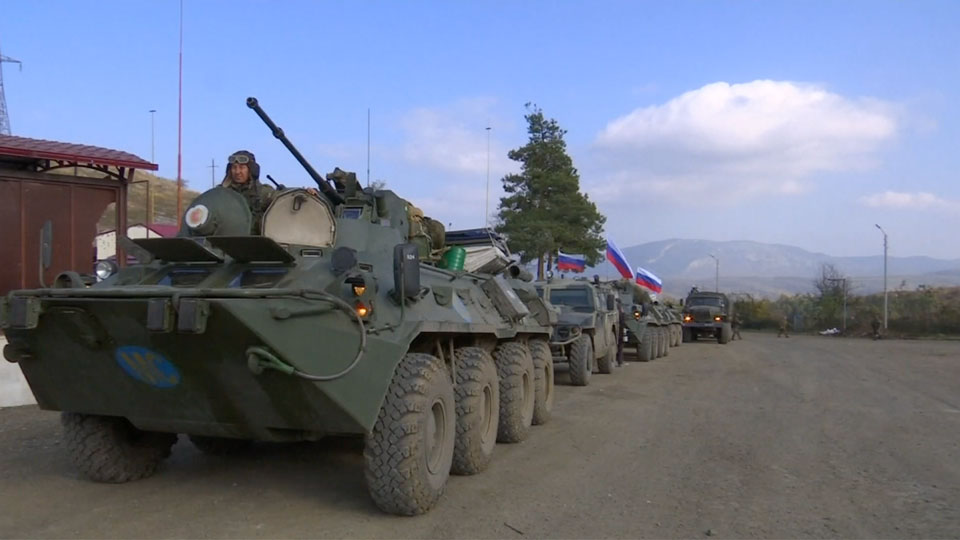
An armed clash in 2020 between Azerbaijan and Armenia over Nagorno-Karabakh ended in a ceasefire under the mediation of Russia.

“Furthermore, the relationship between Armenia and Russia has not been great. This month, Moscow expressed displeasure when Armenia conducted joint military exercises with the United States. All this explains why Russia wasn’t too eager to help Armenia.”

Concerns rising for the ethnic Armenians

Amma says the treatment of the 120,000 Armenians living in the Nagorno-Karabakh region is now a focus.

“There are concerns about what all this means for them. Some argue there may be a humanitarian crisis in the making.
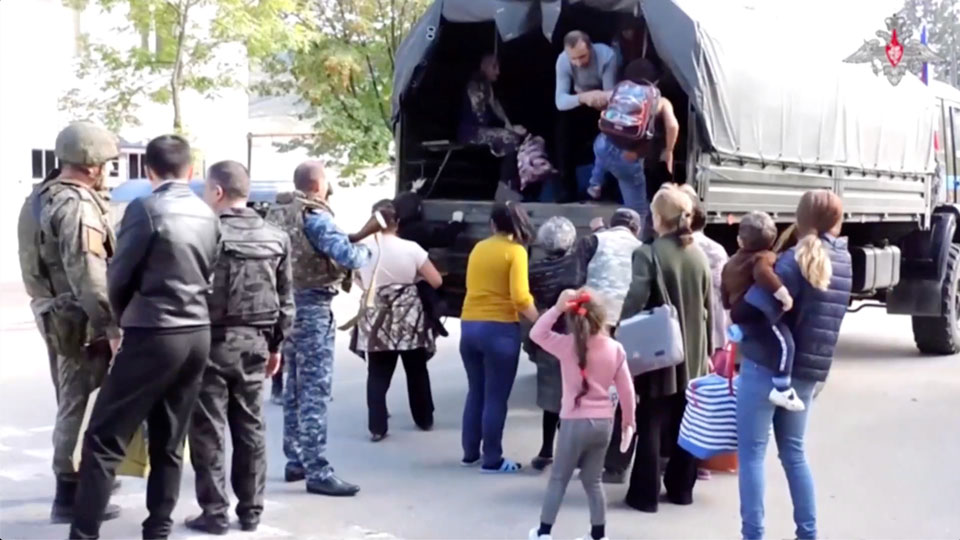
Ethnic Armenians in the region evacuated on Wednesday with Russian peacekeepers standing nearby.

“Armenian news agencies report negotiations between the local Armenian population and Azerbaijan will begin Thursday. Azerbaijan may demand the punishment or extradition of Armenian leaders. Many have already chosen to flee out of fear of persecution,” says Amma.

He says this may be the beginning of the end of a 30-year-old conflict, and that the international community needs to monitor the circumstances of the region’s Armenian people and figure out what it can do to protect them.


Categories
Selected Articles

Analysis: What caused Armenia’s de-facto defeat | NHK WORLD-JAPAN News


Ethnic Armenian forces in Nagorno-Karabakh have agreed to fully disarm, ending two days of fighting in the disputed region.

Azerbaijani forces on Tuesday launched what they called anti-terrorist operations in the area, which is home to thousands of ethnic Armenians. On Wednesday, the Armenian side announced it had accepted the terms of a ceasefire.

NHK World’s senior commentator Amma Hideo explains what is behind Armenia’s “de facto defeat.”

He said, “Basically, the local Armenians didn’t get enough support from their home country, nor its ally, Russia. Moscow has about 2,000 peacekeepers in the region. They mediated the ceasefire, but didn’t intervene to stop Azerbaijan’s attacks.

“The Azerbaijani military had also secured key highlands and routes, putting Armenia at a further disadvantage. Armenia had no choice but to accept this humiliating ceasefire agreement.”

An Armenian human rights group said on Wednesday that Azerbaijani attacks have killed at least 200 people and injured more than 400 others.

But Amma points out there were already signs Armenia would concede in May. “Prime Minister Nikol Pashinyan had announced he would recognize Azerbaijan’s sovereignty over the region, on the condition that the safety of its residents was guaranteed. So he likely knew Armenia couldn’t win another conflict with Azerbaijan.”

Why didn’t Russia, Armenia’s ally, help?

Amma says the reason Russia didn’t help Armenia was related to its invasion of Ukraine.

“Russia is bound by a collective security treaty to assist Armenia. However, Moscow’s priorities have shifted. Russia doesn’t want to upset Azerbaijan and its ally, Turkey, who are increasingly influential. And since most of its troops are fighting in Ukraine, Russia didn’t have the resources to help Armenia anyway. So it pivoted from providing military support to mediation.

An armed clash in 2020 between Azerbaijan and Armenia over Nagorno-Karabakh ended in a ceasefire under the mediation of Russia.

“Furthermore, the relationship between Armenia and Russia has not been great. This month, Moscow expressed displeasure when Armenia conducted joint military exercises with the United States. All this explains why Russia wasn’t too eager to help Armenia.”

Concerns rising for the ethnic Armenians

Amma says the treatment of the 120,000 Armenians living in the Nagorno-Karabakh region is now a focus.

“There are concerns about what all this means for them. Some argue there may be a humanitarian crisis in the making.

Ethnic Armenians in the region evacuated on Wednesday with Russian peacekeepers standing nearby.

“Armenian news agencies report negotiations between the local Armenian population and Azerbaijan will begin Thursday. Azerbaijan may demand the punishment or extradition of Armenian leaders. Many have already chosen to flee out of fear of persecution,” says Amma.

He says this may be the beginning of the end of a 30-year-old conflict, and that the international community needs to monitor the circumstances of the region’s Armenian people and figure out what it can do to protect them.


Categories
South Caucasus News

NPR News: 09-26-2023 5PM EDT


NPR News: 09-26-2023 5PM EDT

Categories
South Caucasus News

White House: US expects Karabakh residents will be able to receive humanitarian aid


default.jpg


Categories
Selected Articles

Israeli minister in first public visit to Saudi: govt


Israel’s Tourism Minister Haim Katz arrived in Saudi Arabia on Tuesday for the first such high-level public visit to the kingdom amid talks to secure bilateral ties.

“Katz is the first Israeli minister to head an official delegation in Saudi Arabia,” his ministry said in a statement, adding he would attend a United Nations World Tourism Organization event in Riyadh.

During the two-day visit he is due to hold meetings “with his counterparts”, Katz’s office said without specifying which countries will be represented in such talks.

The landmark visit comes as Riyadh sent its first delegation to the occupied West Bank in three decades.

Nayef al-Sudairi, who was appointed non-resident ambassador to the Palestinian territories last month, held talks Tuesday with senior Palestinian officials including president Mahmud Abbas.

The diplomatic travels come as the United States presses its allies Israel and Saudi Arabia to normalise ties.

Such a move would break Riyadh’s decades-long stance against recognising Israel before it resolves the conflict with the Palestinians.


Categories
South Caucasus News

University of Georgia Athletics – Georgia Bulldogs


University of Georgia Athletics  Georgia Bulldogs

Categories
South Caucasus News

Georgia’s Graduating Class of 2023 is Sixth in a Row to Beat … – All On Georgia


Georgia’s Graduating Class of 2023 is Sixth in a Row to Beat …  All On Georgia